Question
Study the schematic representation of evolutionary history of plant forms given below and mention:
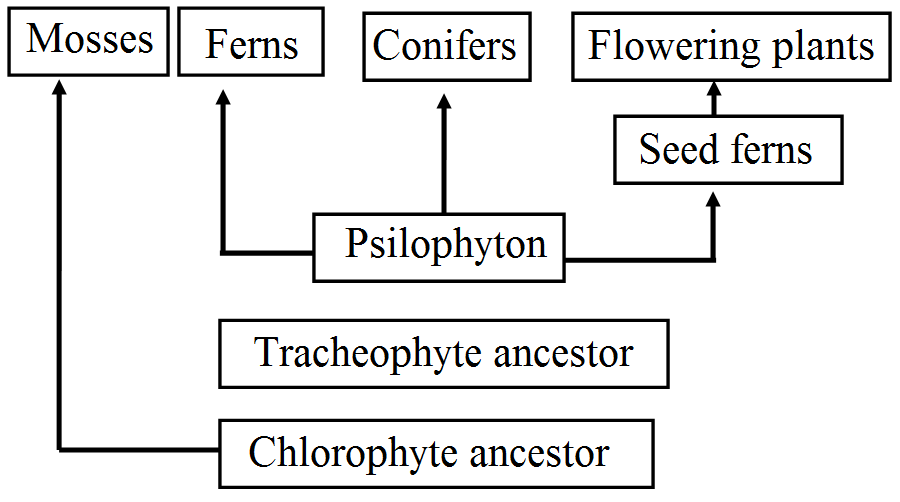
  1. The plant form Ferns and Conifers are most related to.
  2. The nearest ancestors of flowering plants.
  3. The most primitive group of plants
  4. Common ancestry Psilophyton provides to.
  5. The common ancestors of Psilophyton and seed ferns.
  6. The common ancestors of mosses and tracheophytes.

Answer

  1. Psilophyton.
  2. Seed ferns.
  3. Chlorophyte ancestors.
  4. Ferns, Conifers, Seed ferns.
  5. Tracheophyte ancestors.
  6. Chlorophyte ancestors.

Need a full question paper?

Generate a complete, print-ready paper with questions like this in minutes — across 16+ boards, with answer keys.

Start Generating Free

Similar questions

How many sperms will be produced from 100 primary spermatocytes and how many eggs will be produced from 100 primary oocytes?
Explain the difference between commensalism and mutualism. Give example of each.
Make a list of any three outbreeding devices that flowering plants have developed and explain how they help to encourage cross-pollination.
How does a mutagen induce mutation? Explain with example.
When a cross is made between tall plant with yellow seeds (TtYy) and tall plant with green seeds (Ttyy), what proportions of phenotypes in the offsprings could be expected to be:
(i) tall and green
(ii) dwarf and green


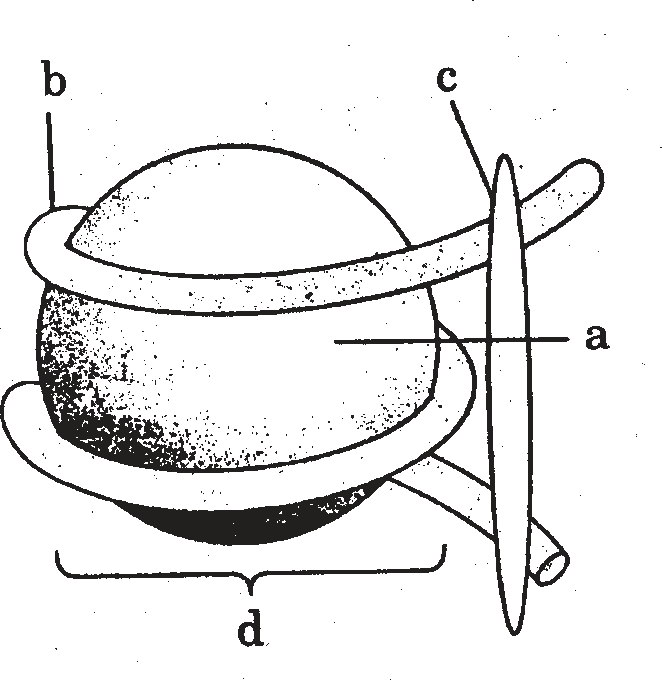
  1. What is this diagram representing?
  2. Name the parts a, band c.
  3. In the eukaryotes the DNA molecules are organised within the nucleus.How is the DNA molecule organised in a bacterial cell in absence of a nucleus?
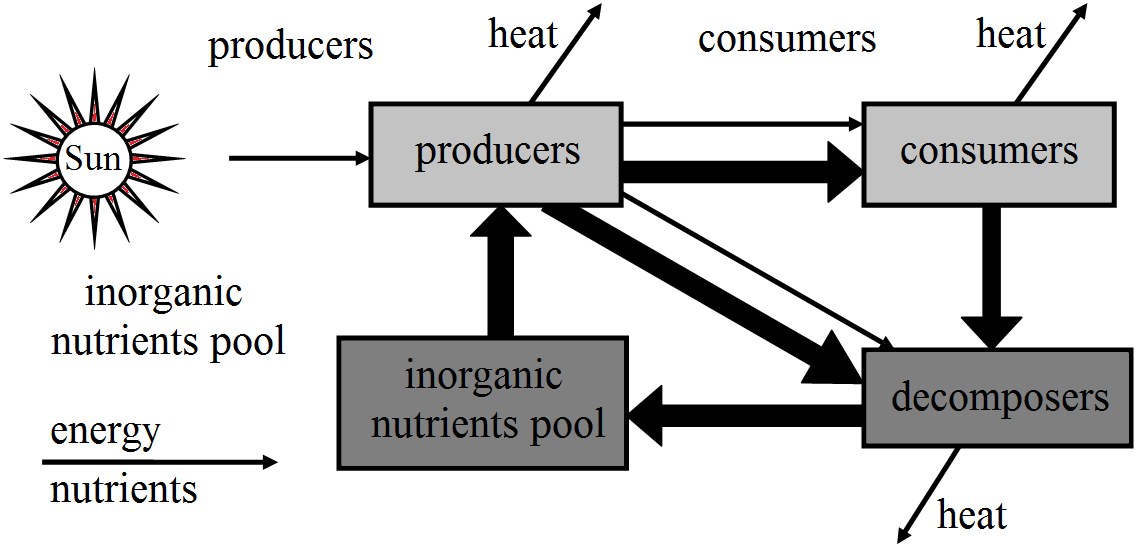
Study the following diagram, and answer these questions:

  1. Why does a wide arrow point from both producers and consumers to decomposers?
  2. Why does a wide arrow point only from inorganic nutrient pool to producers?
  3. Why don't the wavy arrows point from decomposers to producers?
How do antibiotic-resistance genes function as selectable markers? Explain with the help of E.coli cloning vector pBR 322.
There are many animals that have become extinct in the wild but continue to be maintained in zoological parks.
Which type of biodiversity conservation is observed in this case?
Shubham was taught in the biotechnology class about the production of recombinant protein with the help of bioreactor. He was surprised by this new information. In the evening he discussed it with his elder brother, who is a biotechnologist. He smiled and explained him in detail.
  1. What is recombinant protein?
  2. Why is bioreactors useful in industries?
  3. What are the values shown by Shubham?