Question
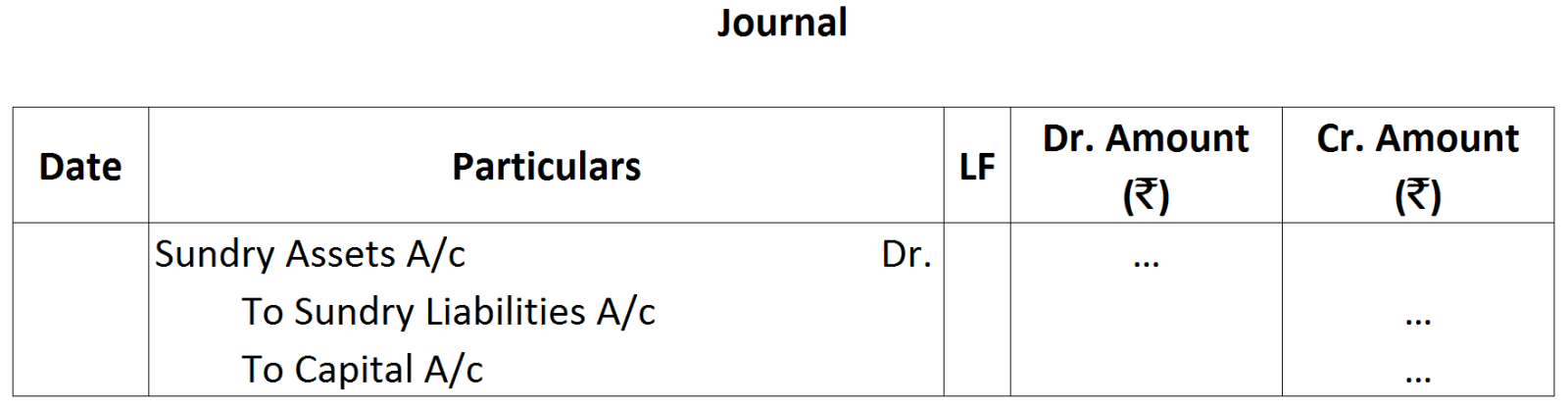
Why opening entries are passed?
Generate a complete, print-ready paper with questions like this in minutes — across 16+ boards, with answer keys.
|
a.
|
Business started with cash
|
₹ 1,75,000
|
|
b.
|
Purchased goods from Rohit
|
₹ 50,000
|
|
c.
|
Sales goods on credit to Manish (Costing ₹ 17,500)
|
₹ 20,000
|
|
d.
|
Purchased furniture for office use
|
₹ 10,000
|
|
e.
|
Cash paid to Rohit in full settlement
|
₹ 48,500
|
|
f.
|
Cash received from Manish
|
₹ 20,000
|
|
g.
|
Rent paid
|
₹ 1,000
|
|
h.
|
Cash withdrew for personal use
|
₹ 3,000
|
|
2019
|
Particular
|
₹
|
| Jan-1 | Bought Computer Mouse (4 Nos.) vide Cash Memo No. 338* | 6,000 |
| Jan-8 | Wages paid for the month of December, 2018 | 10,000 |
| Jan-12 | Purchased two Desktop Computers from M/s Computech for cash vide Cash Memo No. 170 | 32,500 |
| Jan-25 | Paid cash to Hari & Sons vide receipt No. 102 for repairs | 1,000 |
| Jan-28 | Paid postage | 200 |
| Jan-30 | Cash withdrawn from bank | 10,000 |
|
|
Date of the Bills
|
Period
|
|
I.
|
29th May, 2017 | 4 months |
|
II.
|
31st March, 2017 | 1 month |
|
III.
|
21st July, 2017 | 60 days |
|
IV.
|
14th May, 2017 | 90 days |
|
V.
|
28th January, 2016 | 1 month |
|
VI.
|
31st January, 2016 | 1 month |
|
Emergency holiday 22nd September
|
|
Dec. 2017
|
|
₹
|
|
1
|
Started business with cash
|
2,00,000
|
|
2
|
Bought office furniture
|
30,000
|
|
3
|
Paid into bank to open an current account
|
1,00,000
|
|
5
|
Purchased a computer and paid by cheque
|
2,50,000
|
|
6
|
Bought goods on credit from Ritika
|
60,000
|
|
8
|
Cash sales
|
30,000
|
|
9
|
Sold goods to Karishna on credit
|
25,000
|
|
12
|
Cash paid to Mansi on account
|
30,000
|
|
14
|
Goods returned to Ritika
|
2,000
|
|
15
|
Stationery purchased for cash
|
3,000
|
|
16
|
Paid wages
|
1,000
|
|
18
|
Goods returned by Karishna
|
2,000
|
|
20
|
Cheque given to Ritika
|
28,000
|
|
22
|
Cash received from Karishna on account
|
15,000
|
|
24
|
Insurance premium paid by cheque
|
4,000
|
|
26
|
Cheque received from Karishna
|
8,000
|
|
28
|
Rent paid by cheque
|
3,000
|
|
29
|
Purchased goods on credit from Meena Traders
|
20,000
|
|
30
|
Cash sales
|
14,000
|
|
2019
|
|
₹
|
|
March 1
|
Manohar Lal & Sons started business with cash
|
60,000
|
|
March 2
|
Purchased furniture for cash
|
10,000
|
|
March 4
|
Purchased goods for cash
|
25,000
|
|
March 5
|
Bought goods from Kamlesh
|
15,000
|
|
March 10
|
Paid cash to Kamlesh
|
15,000
|
|
March 16
|
Purchased goods from Sohan
|
6,000
|
|
March 18
|
Purchased goods from Sohan for cash
|
8,000
|
|
March 20
|
Paid rent for the office
|
1,000
|
|
1.
|
Bought goods from Nanak Bros. for ₹ 4,00,000 at 10% trade discount and 3% cash discount on purchase price. 25% of the amount paid at the time of purchase.
|
|
2.
|
Sold goods to Kumar & Sons. for ₹ 2,00,000 at 20% trade discount and 5% cash discount on sale price. 60% of the amount received by Cheque.
|
|
3.
|
Received from Gopi Chand ₹ 38,000 by Cheque after deducting 5% cash discount.
|
|
4.
|
Paid ₹ 20,000 for rent by Cheque.
|
|
5.
|
Paid ₹ 50,000 for salaries by Cheque.
|
|
6.
|
Goods worth ₹ 10,000 distributed as free samples.
|
|
7.
|
₹ 5,000 due from Chanderkant are bad-debts.
|
|
8.
|
Sold household furniture for ₹ 15,000 and the proceeds were invested into business.
|