Question
Write about the preparedness in Disaster Management in India.
2. After the Tsunami in 2004, approach towards disaster management has drastically changed. Various State Governments were requested to set up a disaster management office.
3. At the Government of India level two institutes were set up in New Delhi – the National Institute of Disaster Management (NIDM) and the National Disaster Management Authority (NDMA). The aim was to mitigate the damage potential of natural disasters in future.
4. The disaster management authorities have been established at different levels. At the centre level, the National Disaster Management Authority (NDMA) has been established. At state level, State Disaster Management Authority (SDMA) has been established, at district level, District Disaster Management Authority (DDMA) has been established.
5. The National Crisis Management Committee, also functions at the centre.
6. The nodal ministers are identified for different disaster types of function under the overall guidance of the ministry of Home Affairs (Nodal Ministry for Disaster Management). These ministers interact at different levels within the disaster management framework. Example, for disasters, such as drought, the Ministry for Agriculture is the Nodal Agency.
7. Military forces and para-military forces such as Home Guard, etc., play an important role.
8. Various agencies such as ISRO, NRSC (National Remote Sensing Centre) etc., also play an important role in disaster management.
Generate a complete, print-ready paper with questions like this in minutes — across 16+ boards, with answer keys.
| Sr No. | Measures | Pre-disaster / Post- disaster | Structural / Non structural | Disaster/ (s) to which they are applicable |
| 1. | Conducting mock drills. | Pre- disaster | Non structural | Earthquake, landslides, fire |
| 2. | Discussions about disaster risks and community problems and solutions. | ……………… | ……………… | ……………… |
| 3. | Using art, documentaries, music and drama to portray the impact of disasters on communities. | ……………… | ……………… | ……………… |
| 4. | Inviting emergency services personnel to provide lectures/demonstrations. | ……………… | ……………… | ……………… |
| 5. | Making booklets on disaster related information. | ……………… | ……………… | ……………… |
| 6. | Retrofit old buildings. | ……………… | ……………… | ……………… |
| 7. | Constructing shelters and evacuation chambers. | ……………… | ……………… | ……………… |
| 8. | Making change in land use policy regarding construction of houses in low- lying areas. | ……………… | ……………… | ……………… |
| 9. | Constructing buildings and houses using disaster resistant material, design to comply with relevant BIS (Bureau of Indian Standards) codes. | ……………… | ……………… | ……………… |
| 10. | Constructing proper drains. | ……………… | ……………… | ……………… |
| 11. | Carrying out plantation activities. | ……………… | ……………… | ……………… |
| 12. | Regular disaster related activities through radio, TV newspaper, etc. | ……………… | ……………… | ……………… |
| 13. | Using satellites for early warning. | ……………… | ……………… | ……………… |
| 14. | Evacuation routes in disaster management plans should be delineated. | ……………… | ……………… | ……………… |
| Latitudinal location | Winds and wind systems | Proximity to sea | Continental location | Altitude |
| ……….. | ……….. | ……….. | ……….. | ……….. |
| ……….. | ……….. | ……….. | ……….. | ……….. |
| ……….. | ……….. | ……….. | ……….. | ……….. |
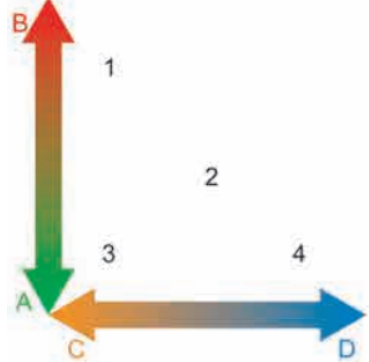
(A) Fast (B) Slow (C) Dry (D) Wet
(1) Creep (2) Slide (3) Fall (4) Flow
(1)What will happen when the weather conditions are dry?
(2)When will a flow occur?
(3)When will a creep occur?
(4)Now can you enumerate the factors which affect mass wasting?