Questions

6 Marks Question

🎯

Test yourself on this topic

24 questions · timed · auto-graded

Question 26 Marks
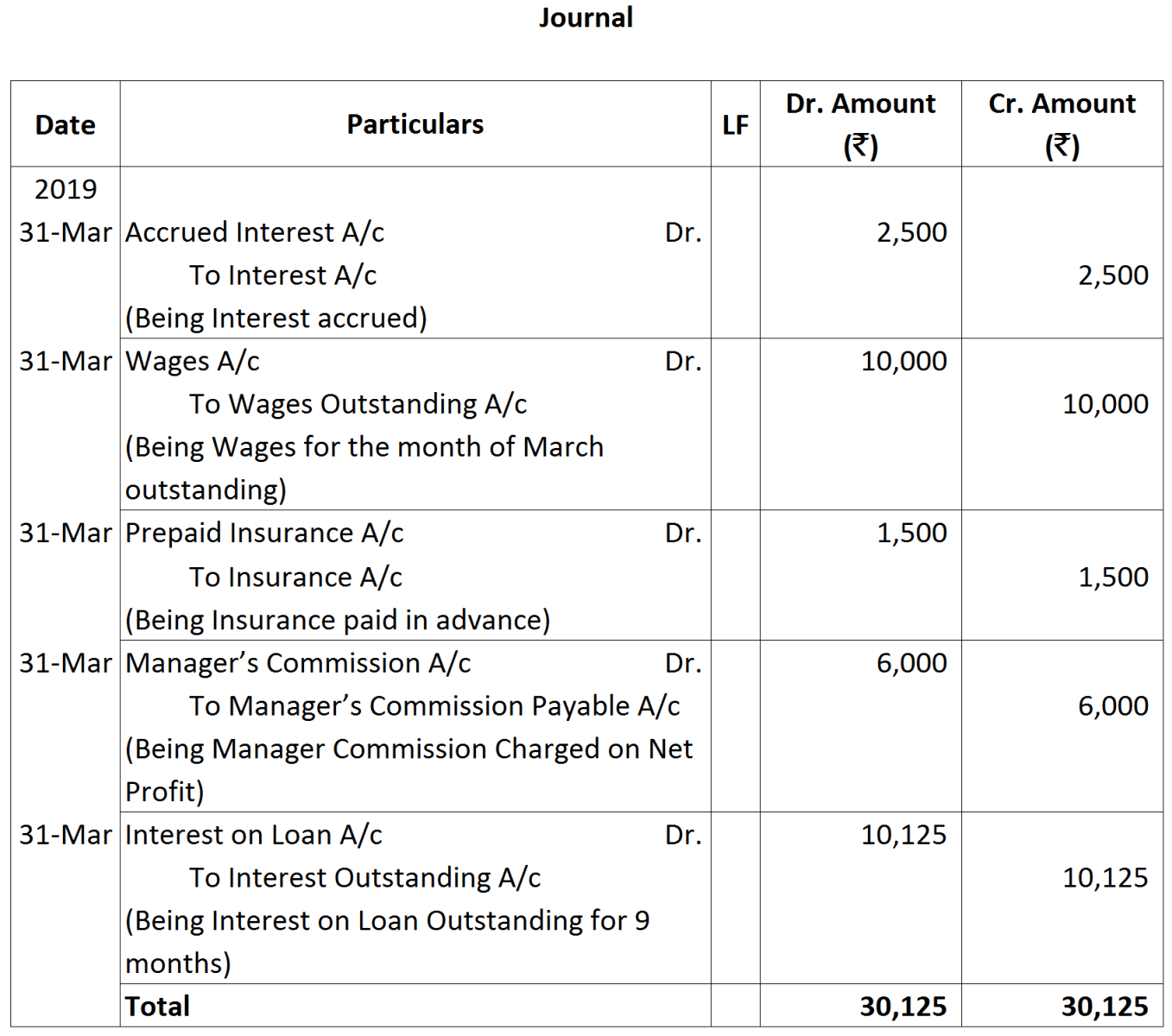
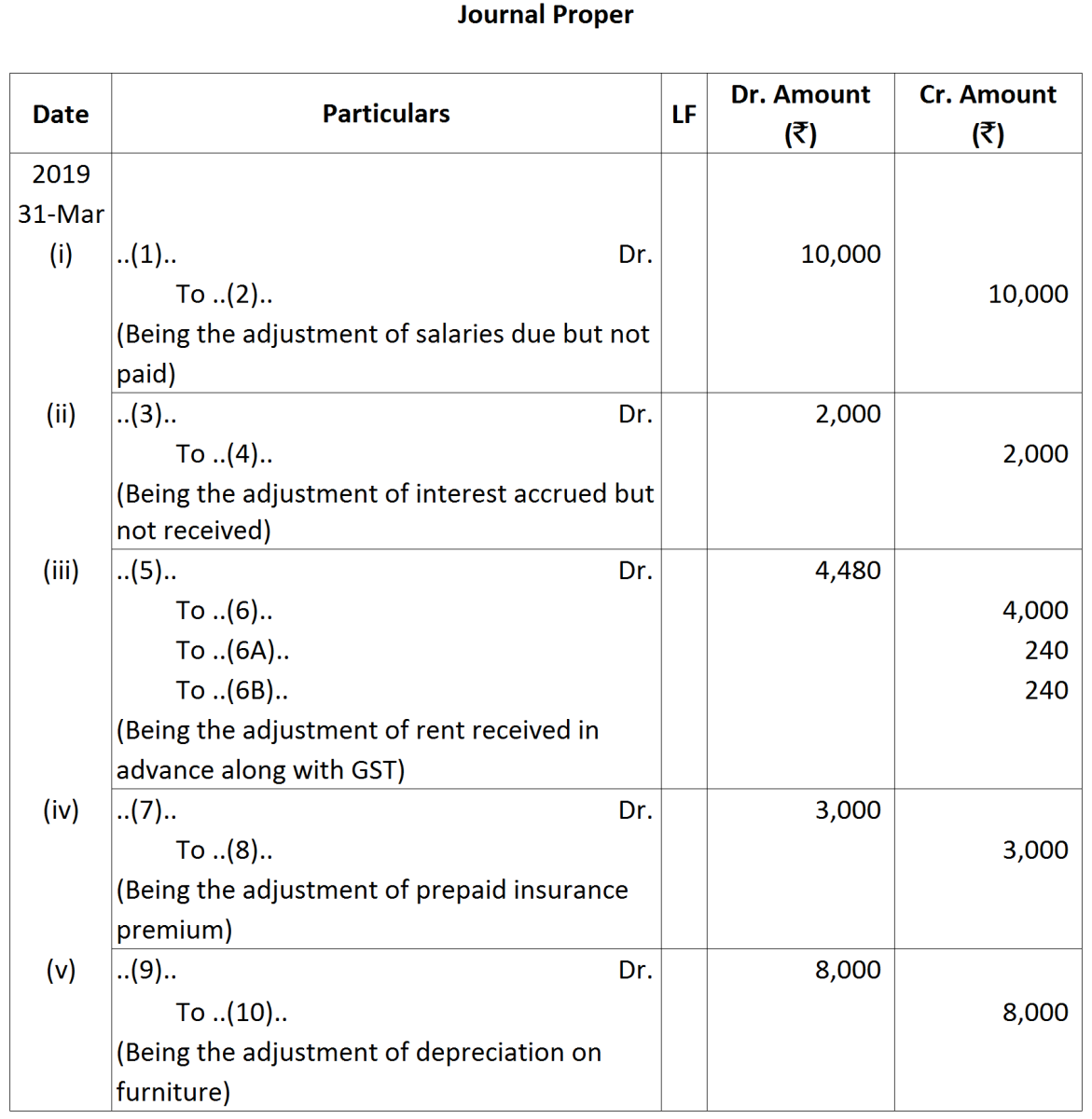
(Adjustment Entries) From the following information available on 31st March, 2019, pass the necessary Adjustment Entries in the Journal for the year ending on that date:
  1. Interest accrued ₹ 2,500.
  2. Wages for March, 2019 outstanding ₹ 10,000.
  3. Insurance prepaid ₹ 1,500.
  4. Commission due to manager 6% on net profit after charging such commission. The profit before charging such commission was ₹ 1,06,000.
  5. Interest due on loan but not paid. Loan of ₹ 1,50,000 was taken at 9% p.a. 9 months before end of the year.
Answer
Working Note:
$\text{Manager Commission}=1,06,000\times\frac{6}{106}$ $\text{Interest on Loan}=1,50,000\times\frac{9}{100}\times\frac{9}{12}$
View full question & answer
Question 36 Marks
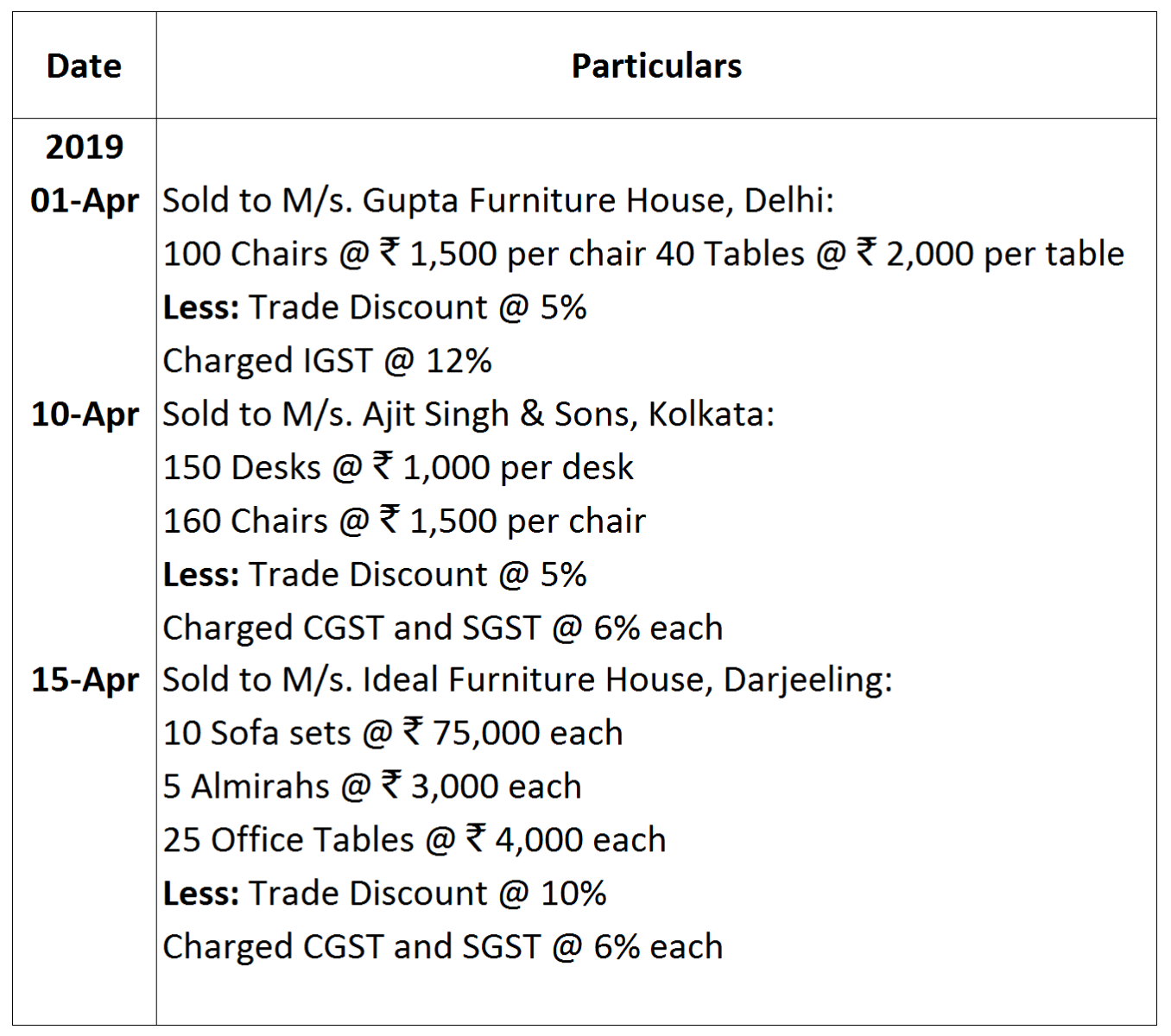
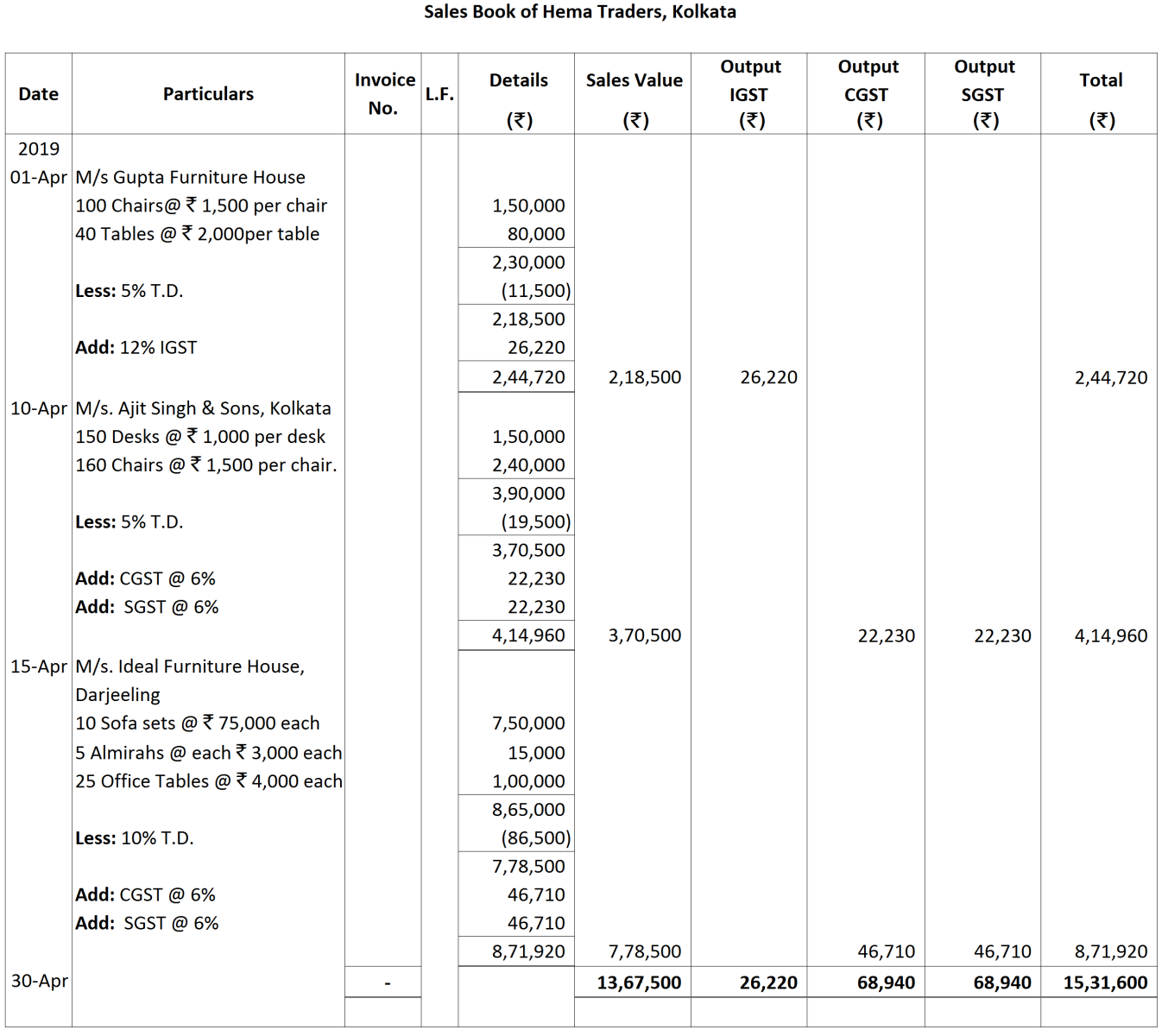
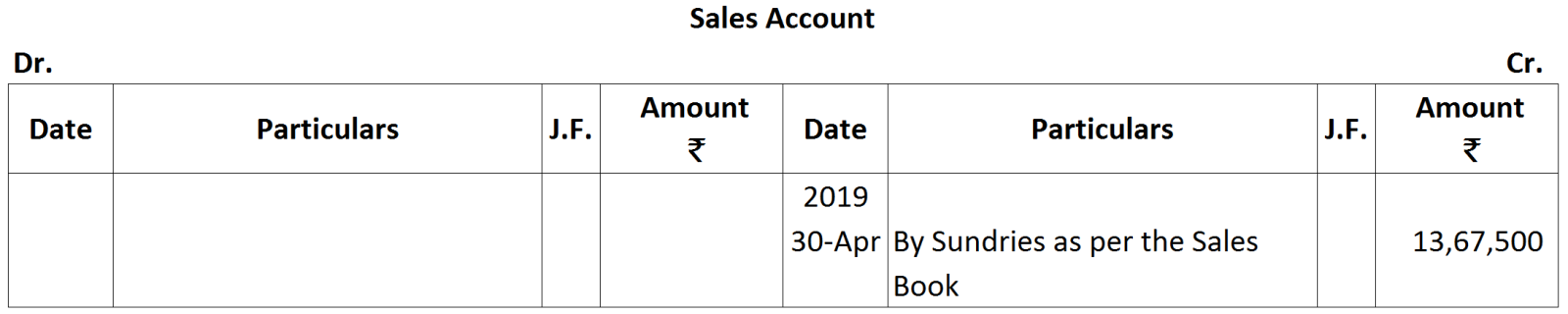
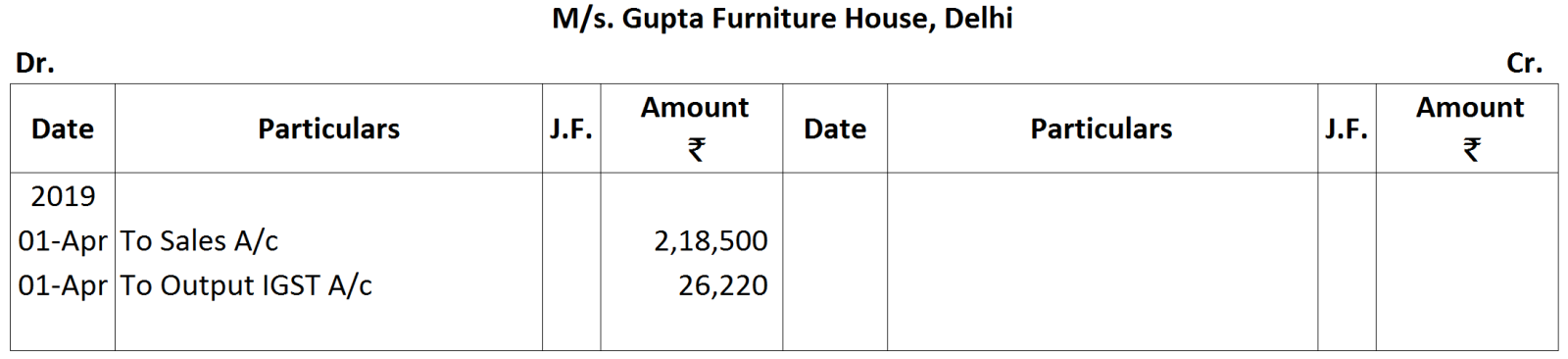
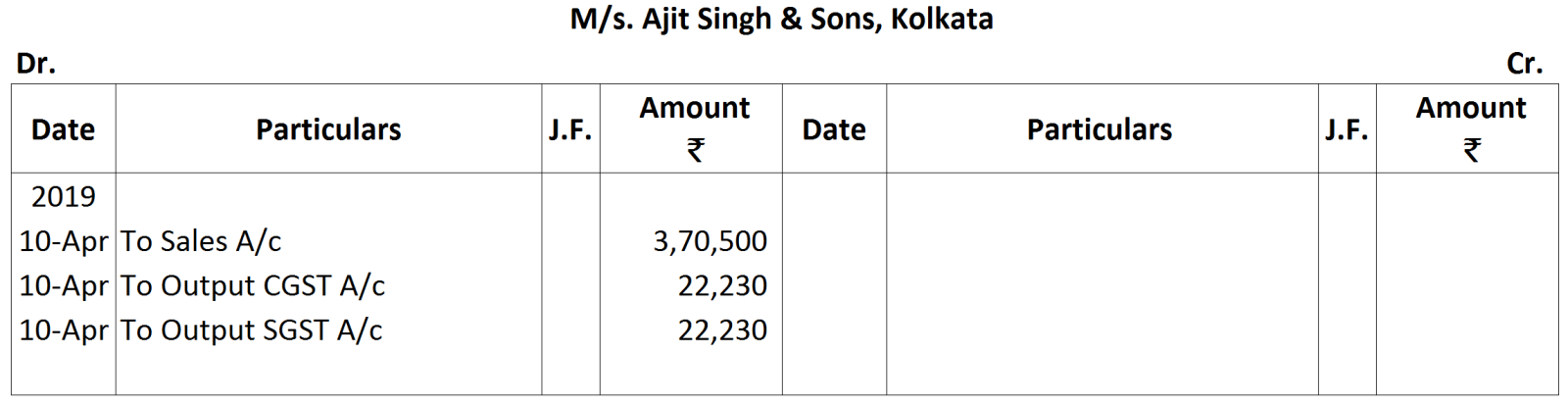
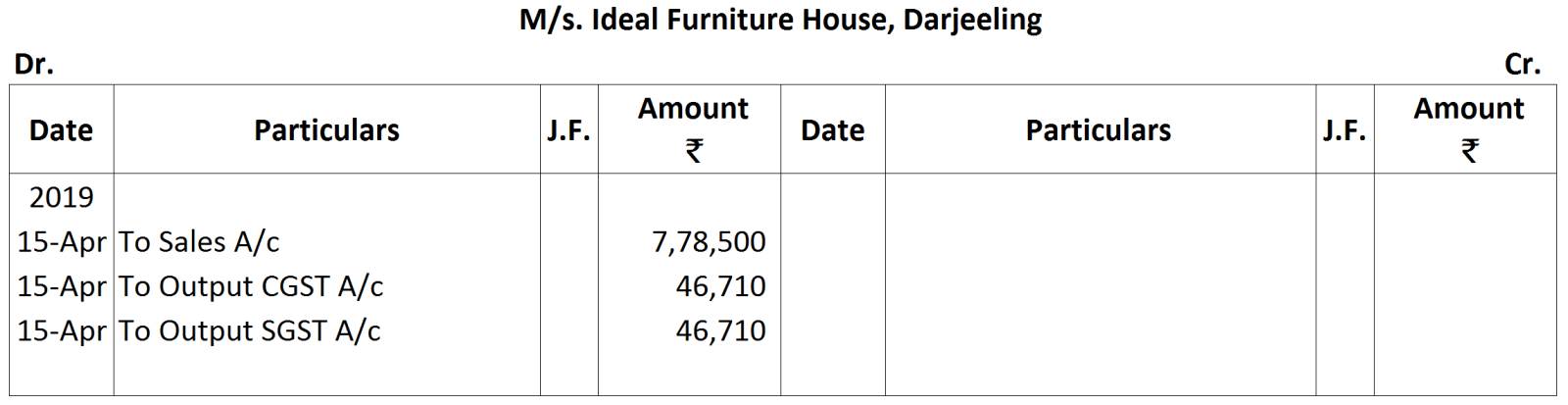
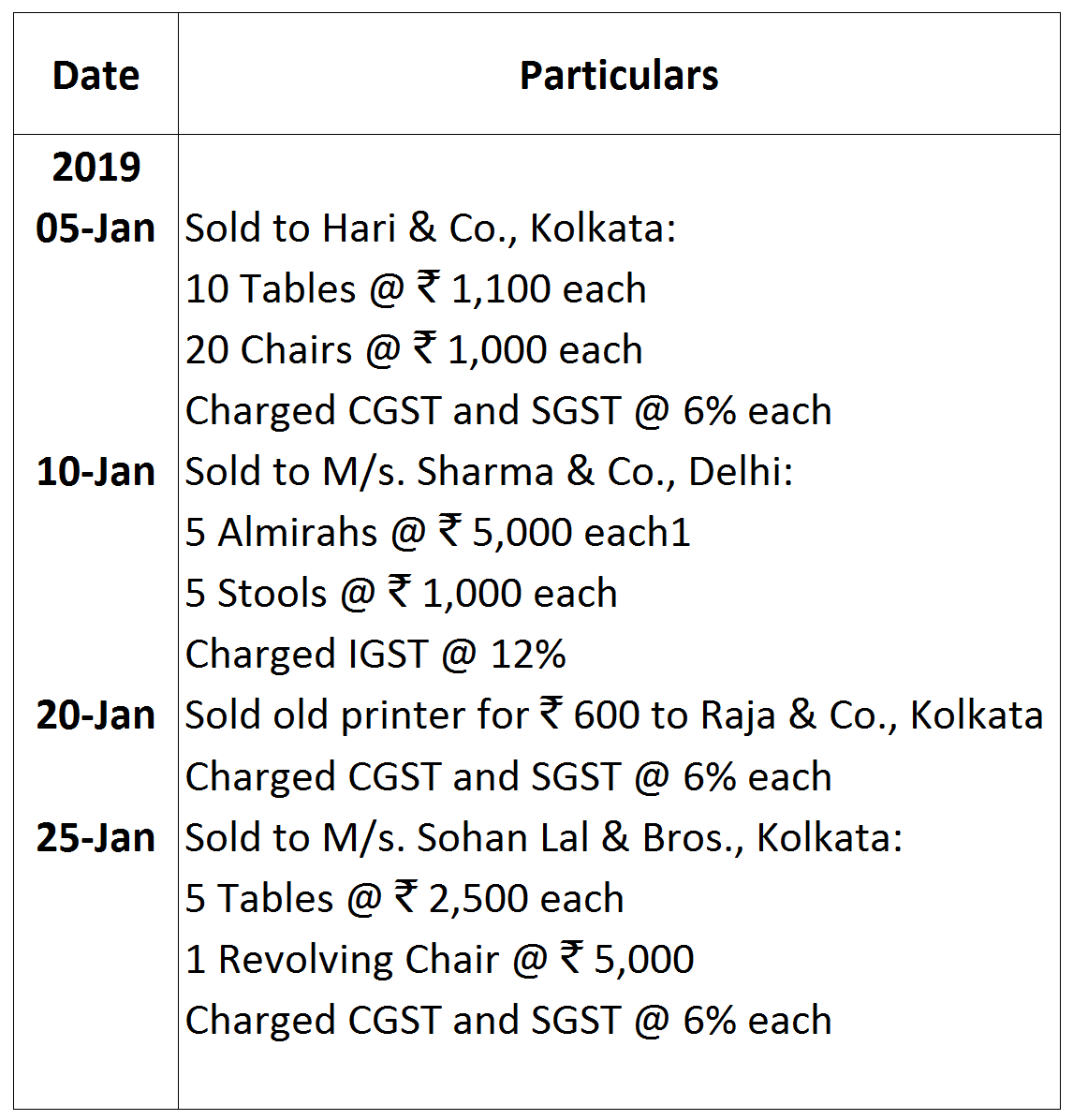
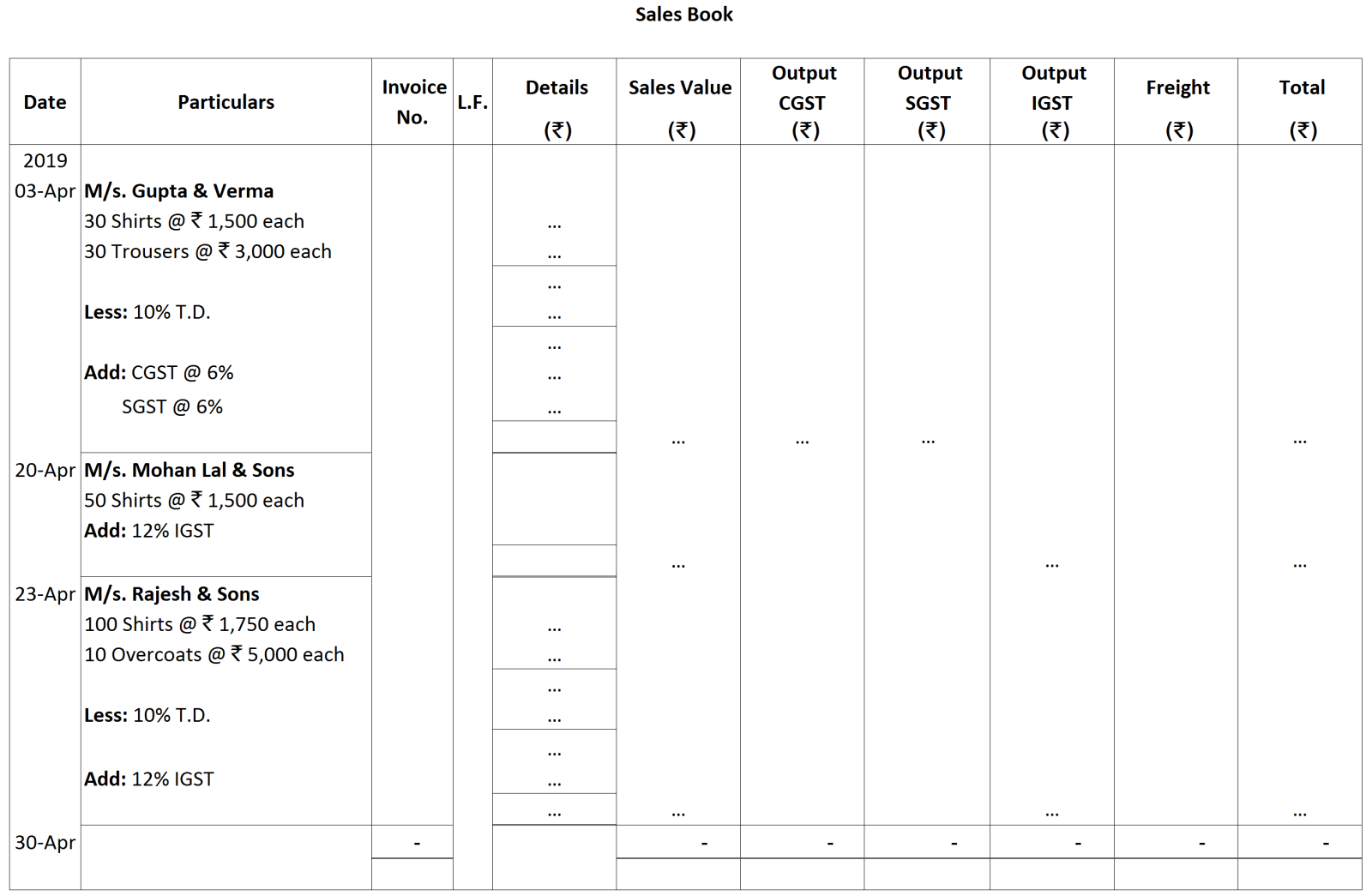
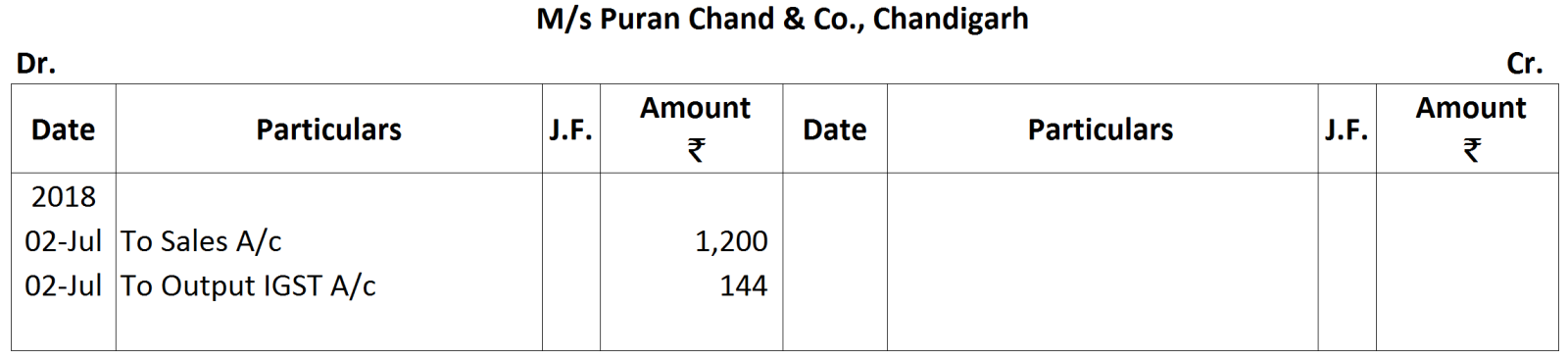
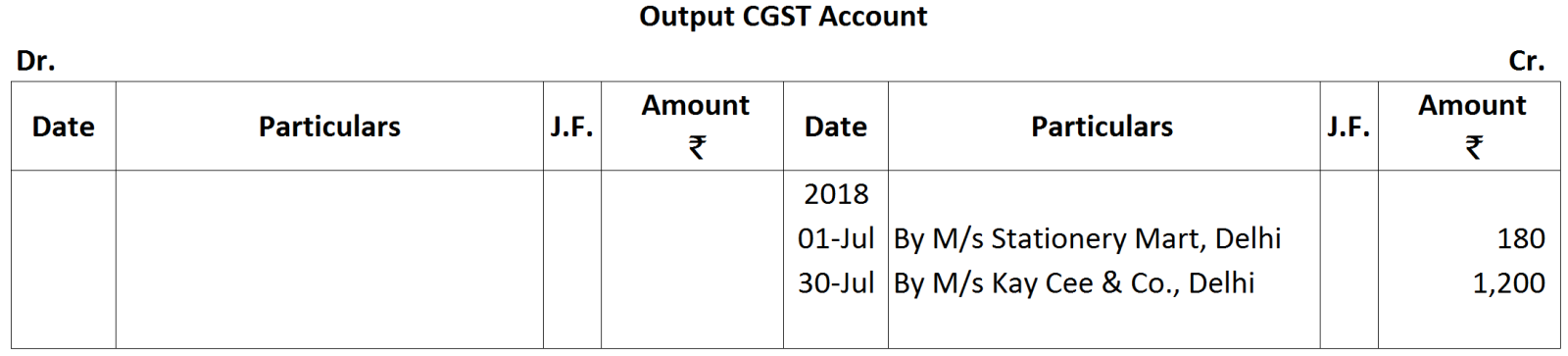
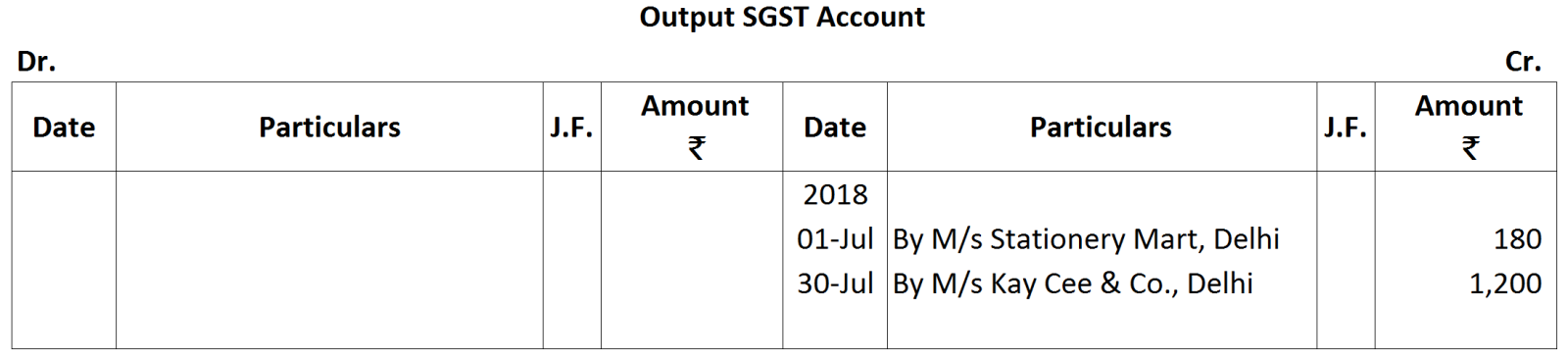
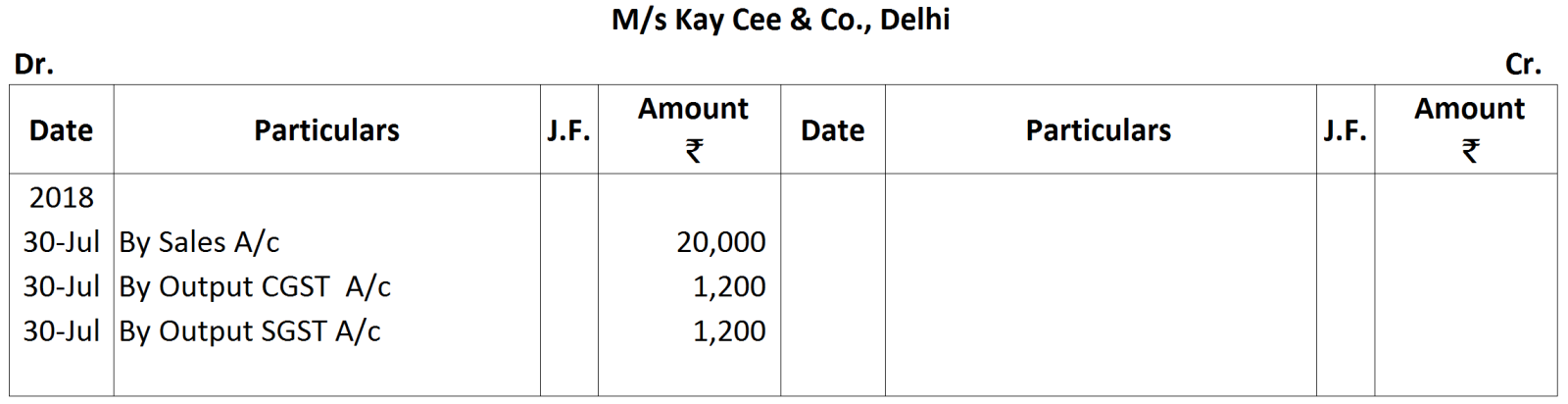
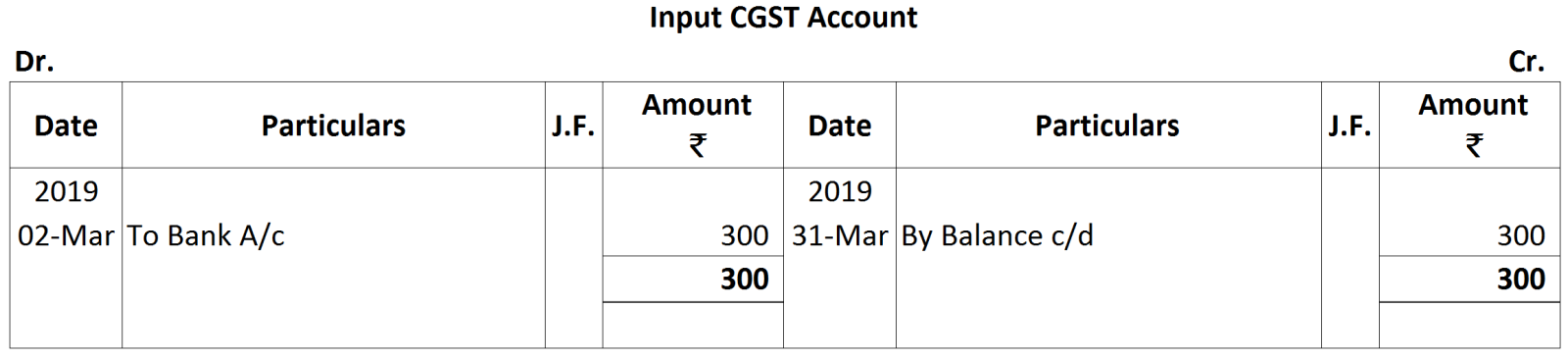
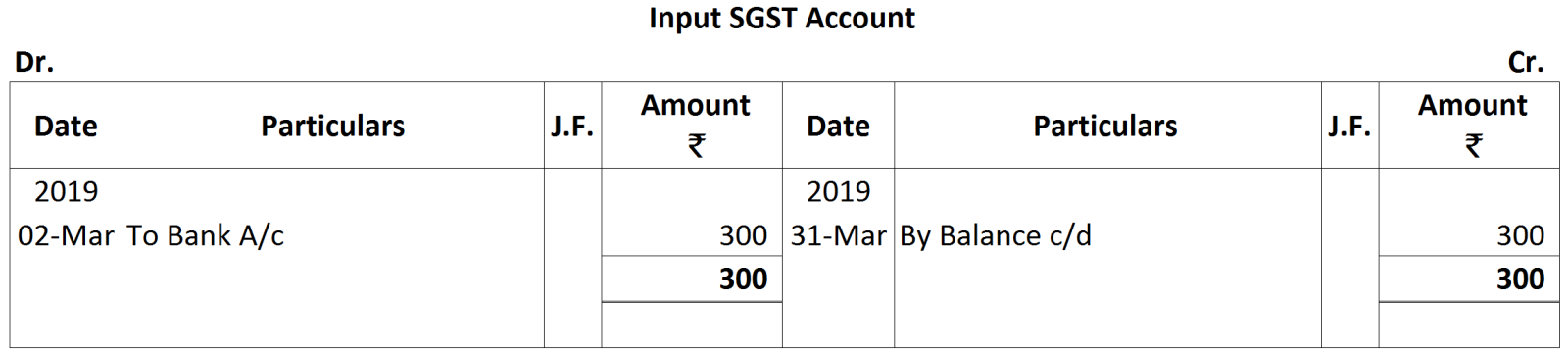
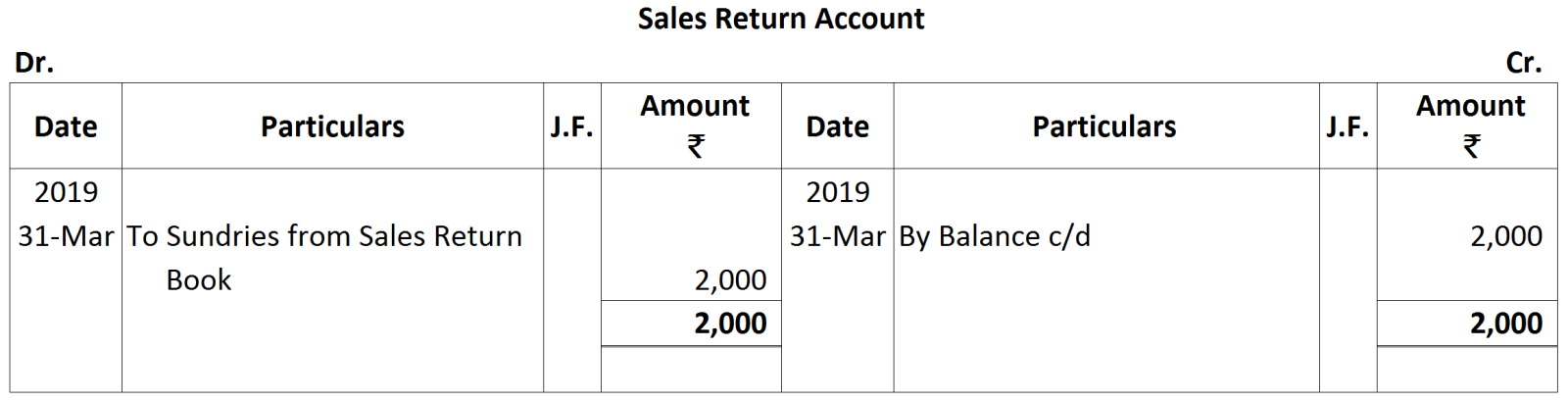
Prepare Sales Book from the following transactions of Hema Traders, Kolkata dealing in furniture. Open the Ledger Accounts also:
Answer
Solution is as follows.


View full question & answer
Question 46 Marks
Give two examples of entries which appear in a 'Journal Proper'.
Answer
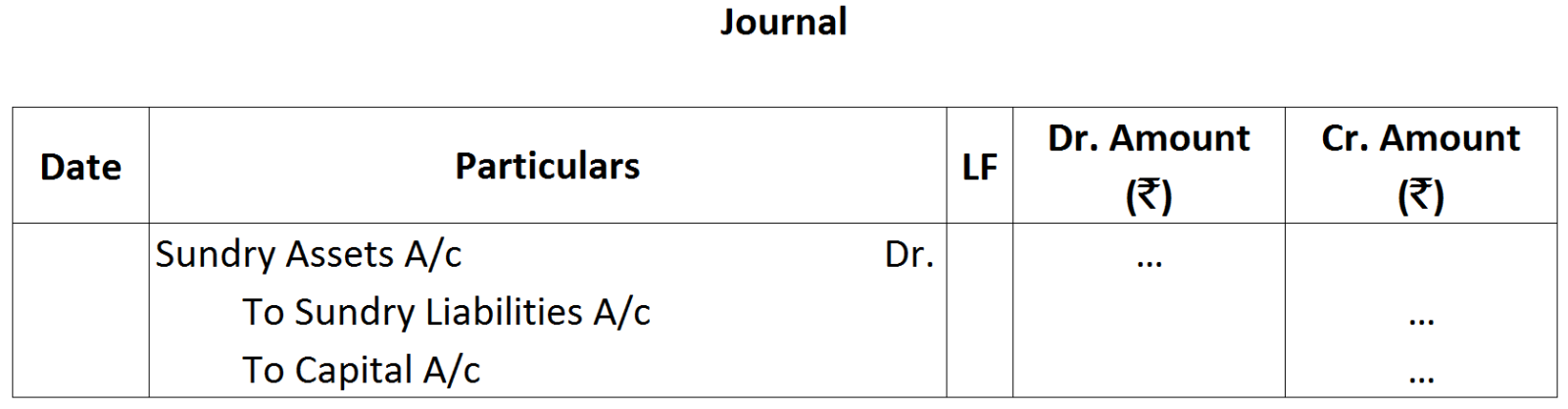
Opening Entry: Opening entry is recorded in the beginning of a financial year to open the books by debiting assets and crediting liabilities and the capital appearing in the Balance Sheet of the previous Year.
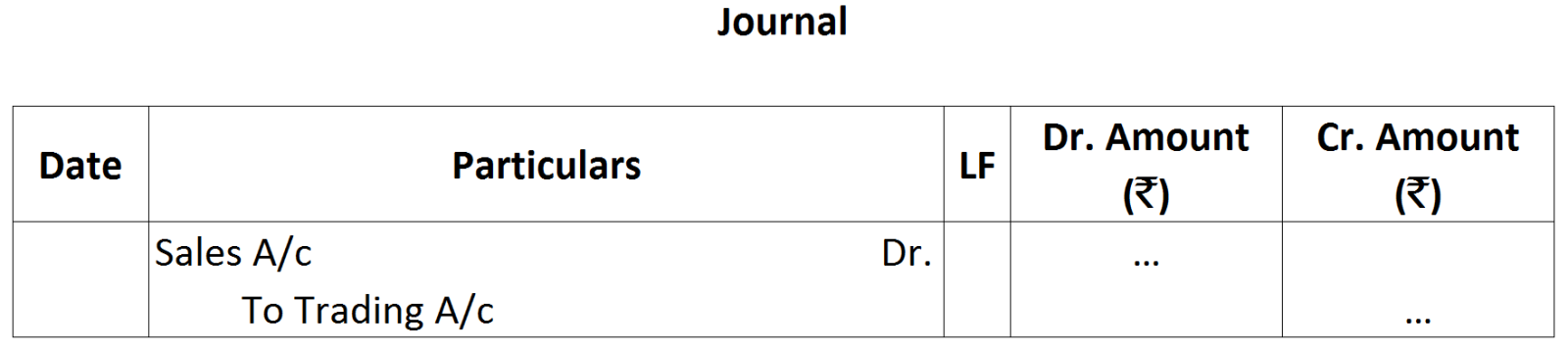
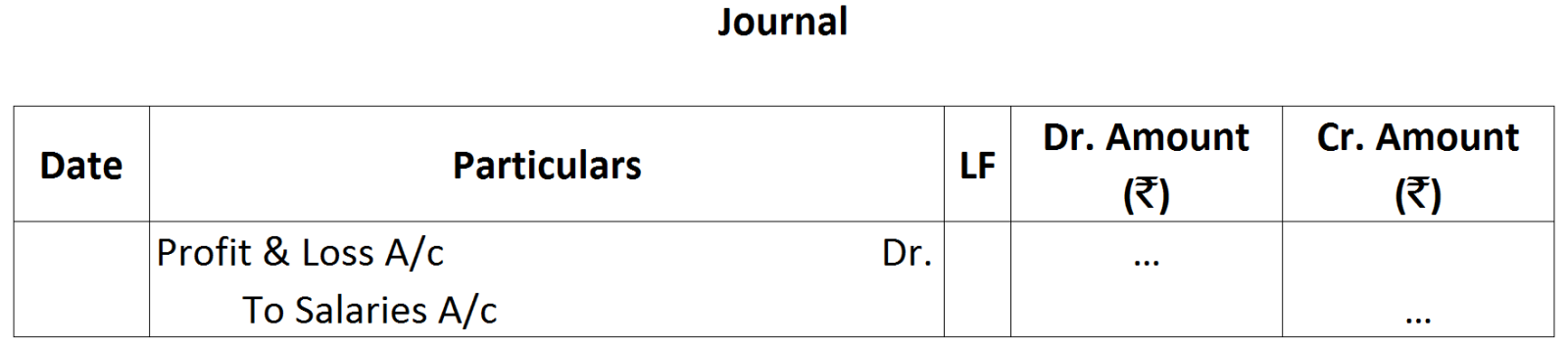
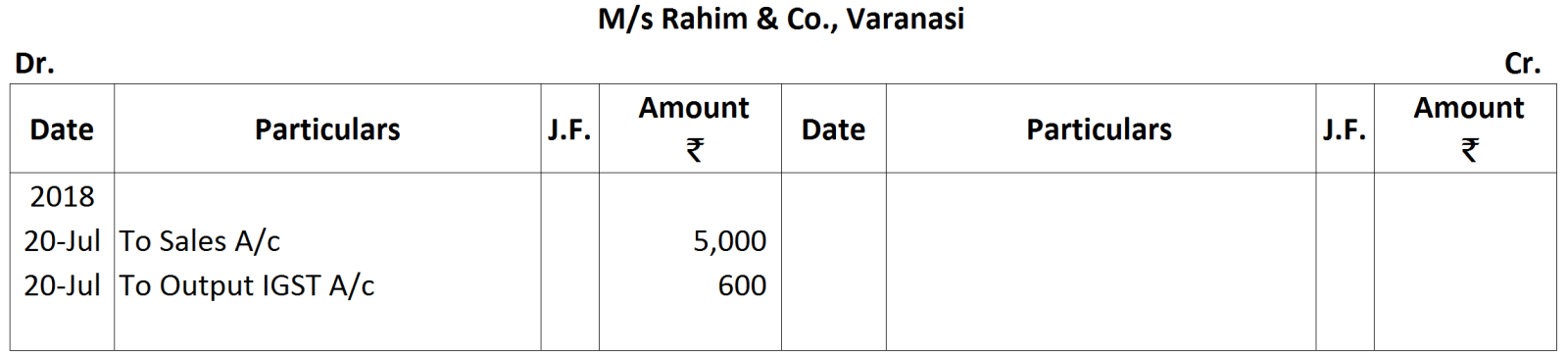
Closing Entries: Closing entries are passed at the end of the year to close the accounts relating to expenses and revenues (or Nominal Accounts) by transferring them to the Trading Account and Profit and Loss Account. For example, the Salary Account is closed by transferring its balance to the Profit and Loss Account, the Purchases Account is closed by transferring its balance to the Trading Account and so on.The entries passed are:

View full question & answer
Question 56 Marks
Briefly explain the concept of GST.
Answer
Goods and Services Tax (GST): It is a tax levied and collected on supply (sale) of goods and/ or services or both. It is charged by the seller on the net sale value, i.e., sale value less trade discount. The seller is bound to charge GST on sale made and deposit it in the Government Account. For the seller of goods, it is not sale because it is collected on behalf of the Government and is to be paid into Government Account.
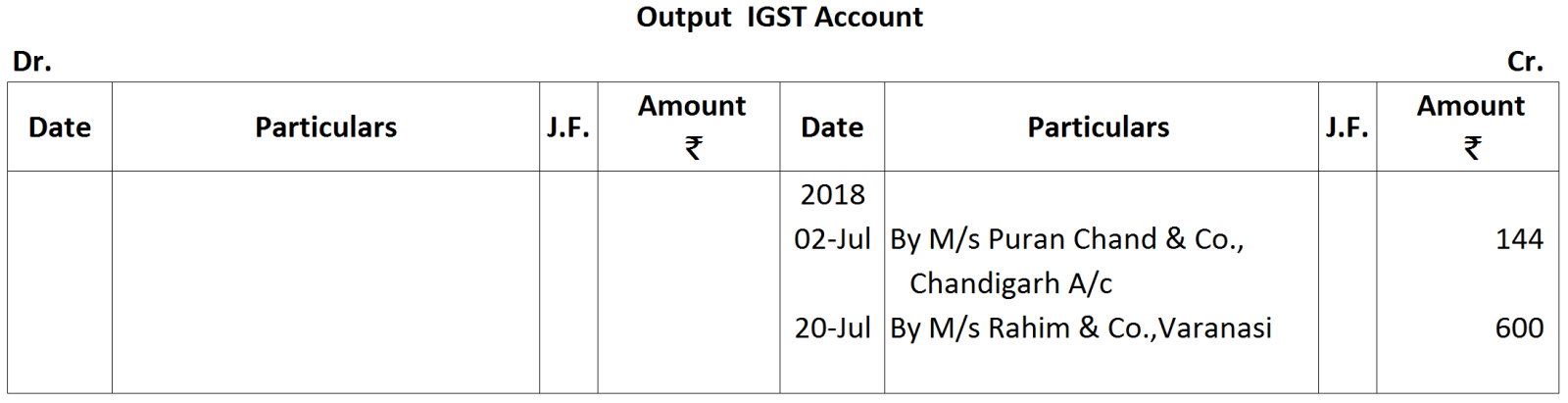
In the case of intra-state (i.e., within the state) sale of goods, both CGST and SGST is charged at half the prescribed rate of GST. And in the case of inter-state (i.e., outside the state) sale of goods, IGST is charged at the prescribed rate of GST.
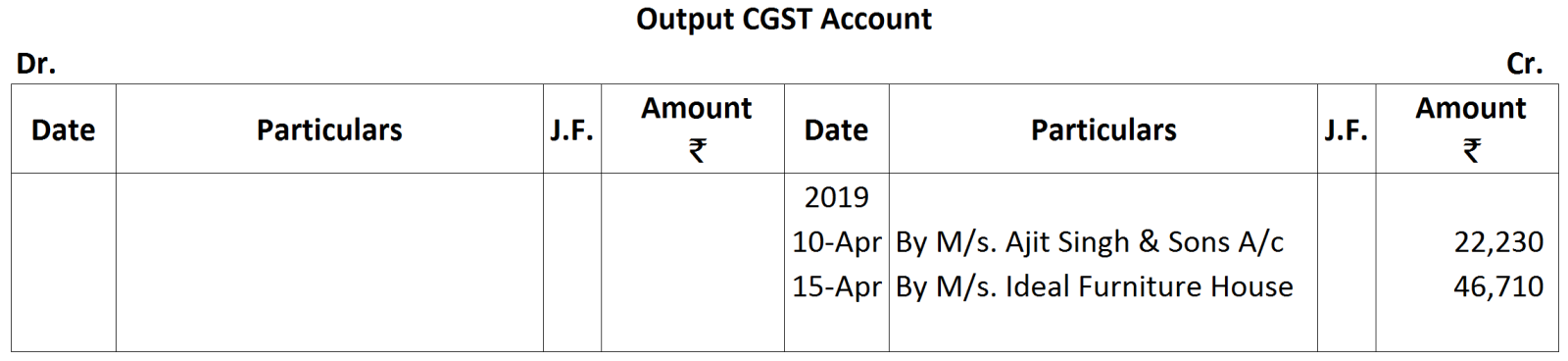
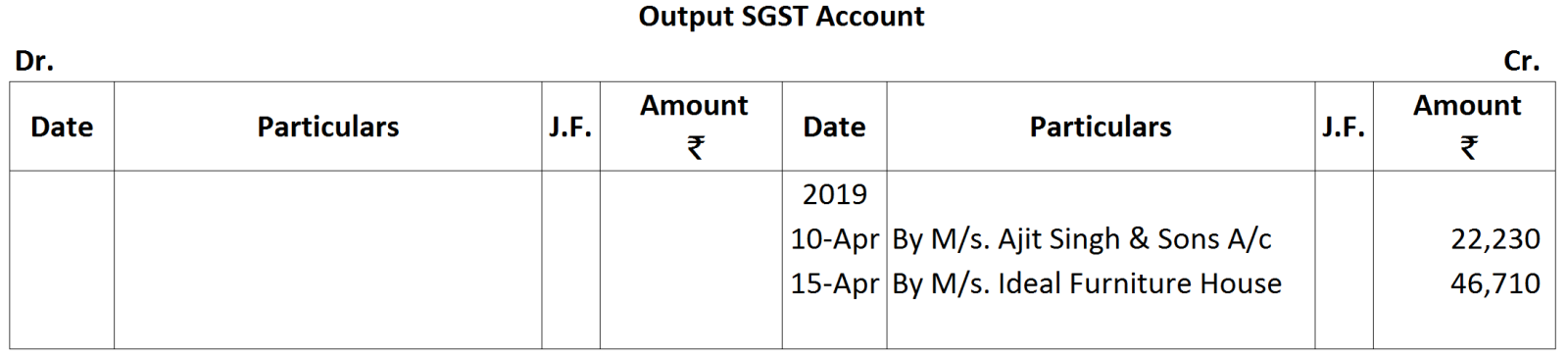
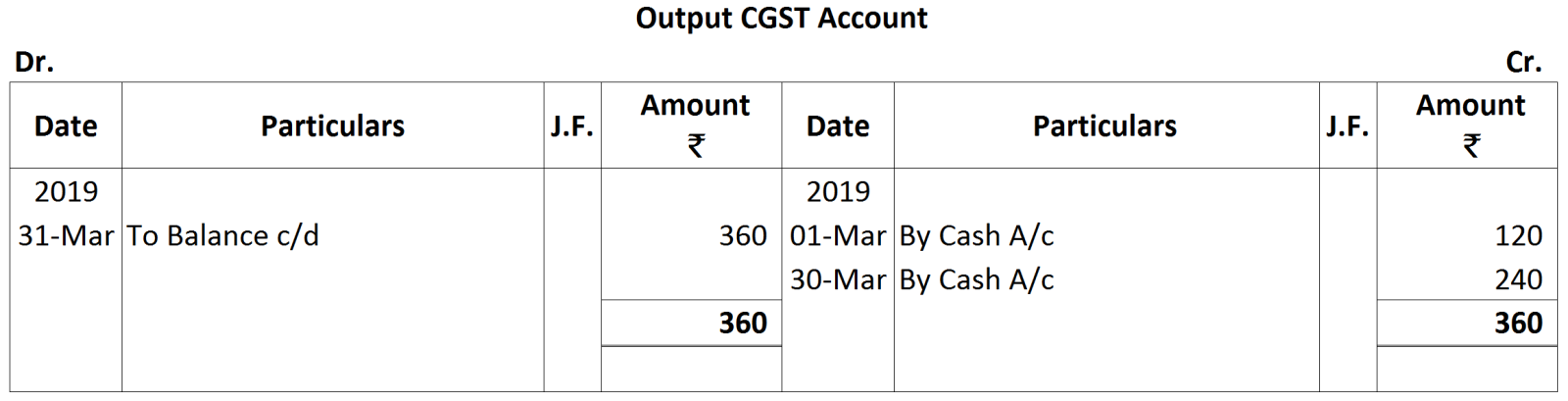
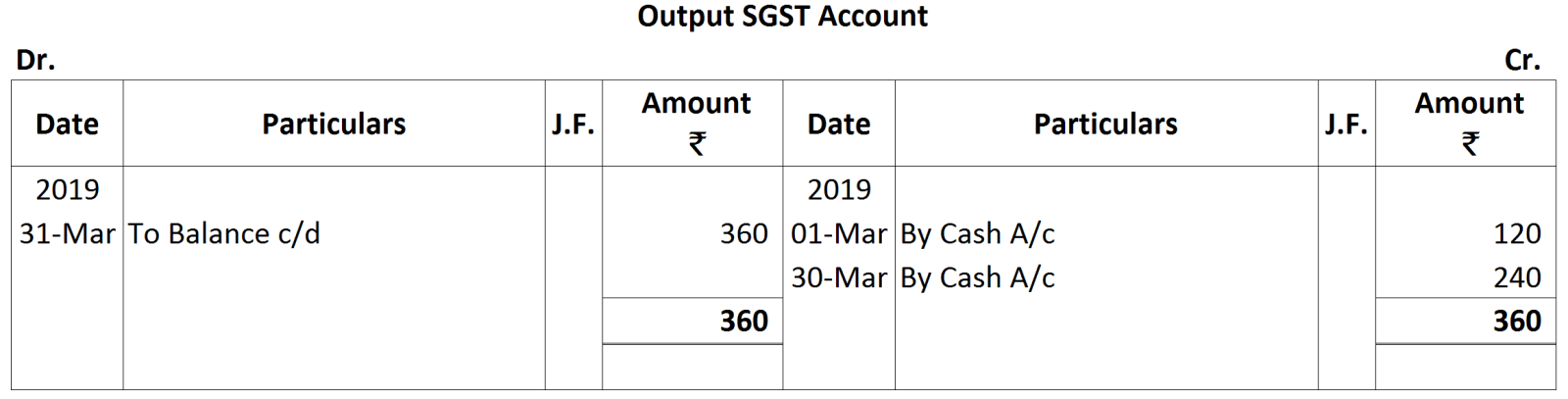
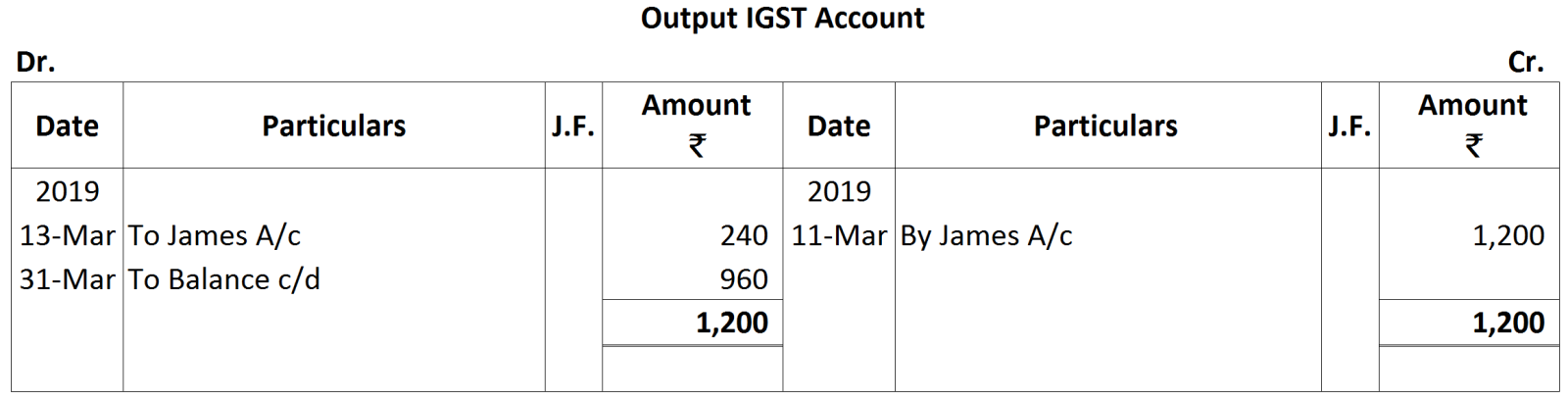
CGST and SGST charged on intra-state sale of goods is credited to 'Output CGST Account and Output SGST Account' respectively. IGST charged on inter-state sale of goods is credited to Output IGST Account.
View full question & answer
Question 66 Marks
What are transfer entries?
Answer
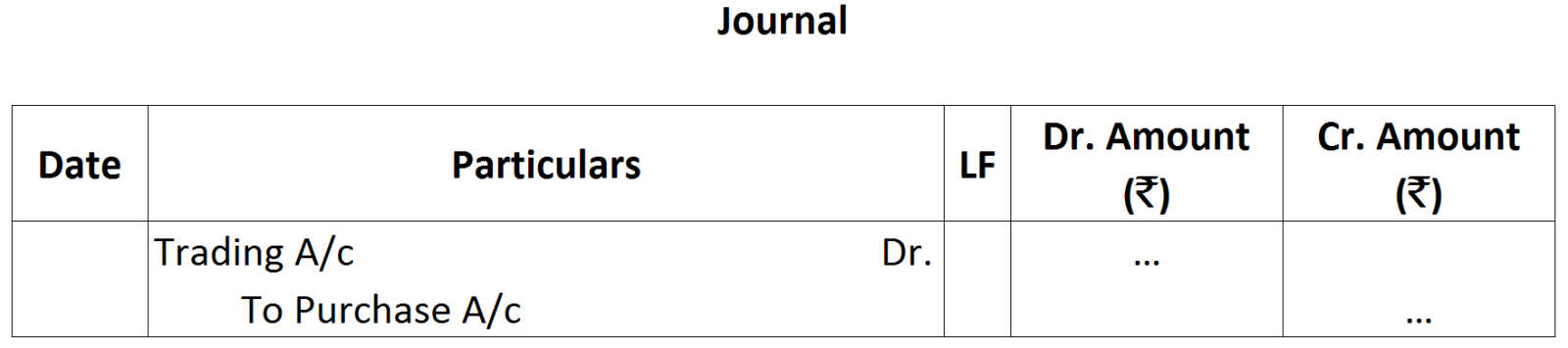
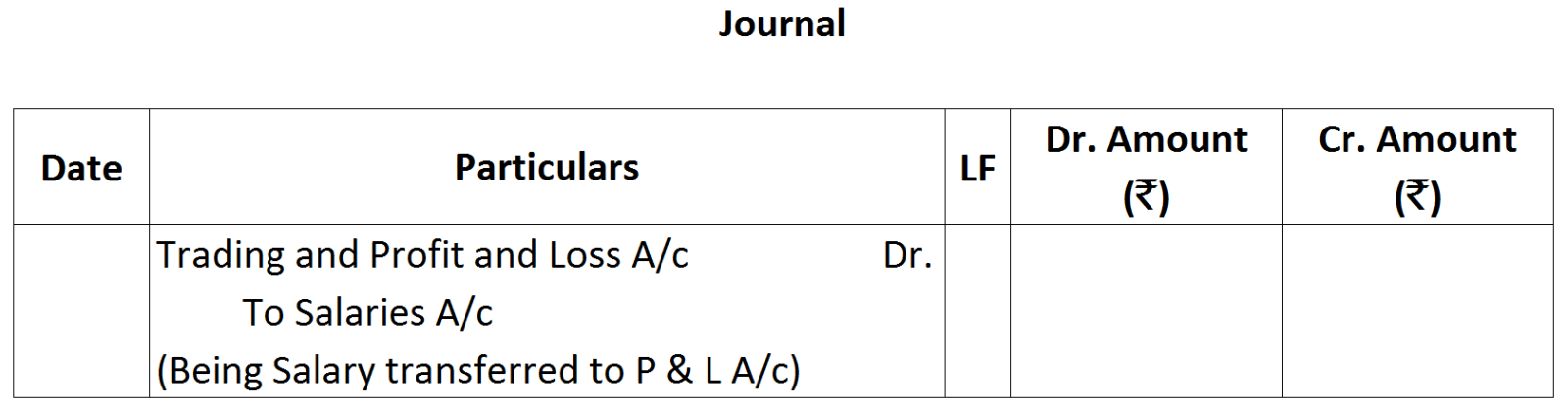
Transfer entries are also termed as Closing entries. At the end of each year, balances in all accounts, except for assets and liabilities accounts are transferred to the other accounts to close these accounts and also for assessing the financial performance and positions. For example: All the expense accounts are transferred to the Debit side of the Trading and Profit and loss A/c and all the income or gains accounts are transferred to the Credit side of the Trading and Profit and Loss A/c by passing journal entries for the same. These are known as transfer entries This balances the expense accounts and the Trading and Profit and Loss A/c helps assess the financial performance of the firm. Another example would be the transfer of the Drawings A/c to the Debit side of the Capital account at the end of each year. This closes the drawings A/c and tells the balance of capital remaining in the firm.One transfer entry is given below:
View full question & answer
Question 96 Marks
From the following particulars, prepare Sales Book of Gupta & Co., Kolkata who deals in furniture:
Show the Posting from Sales Book to Ledger Accounts.
View full question & answer
Question 106 Marks
(Transfer Entries). Give the Journal entries for the following:
  1. Gross Profit of ₹ 32,000 from Trading Account to Profit and Loss Account.
  2. Net Profit of ₹ 14,500 to Capital Account of Sri Sankar Saha.
  3. Sri Sankar Saha draws ₹ 10,000 from his Capital Account.
  4. Purchases Return of ₹ 7,000 plus IGST @ 12%.
  5. Sales Return of ​₹ 6,000 plus CGST and SGST @ 6% each.
View full question & answer
Question 126 Marks
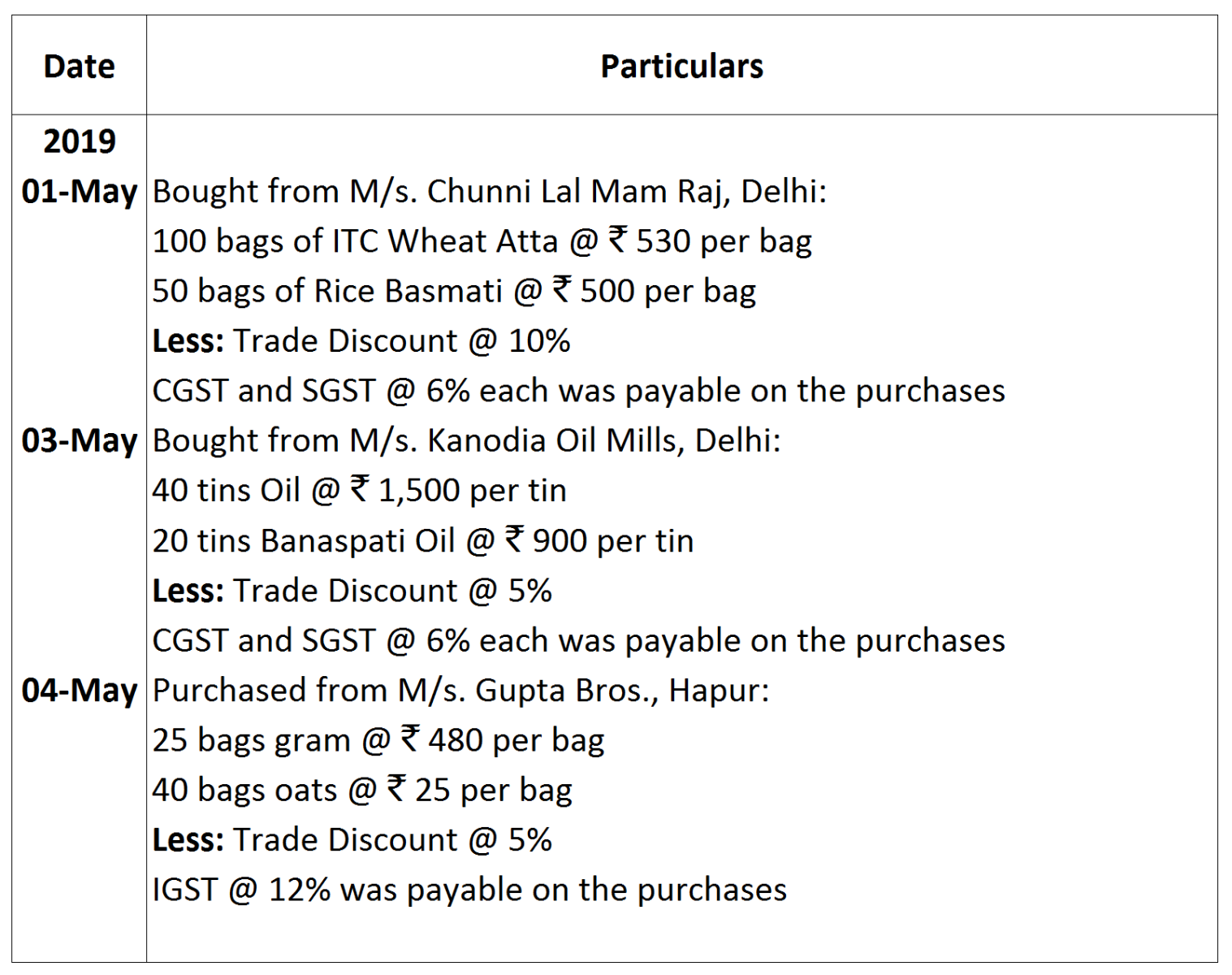
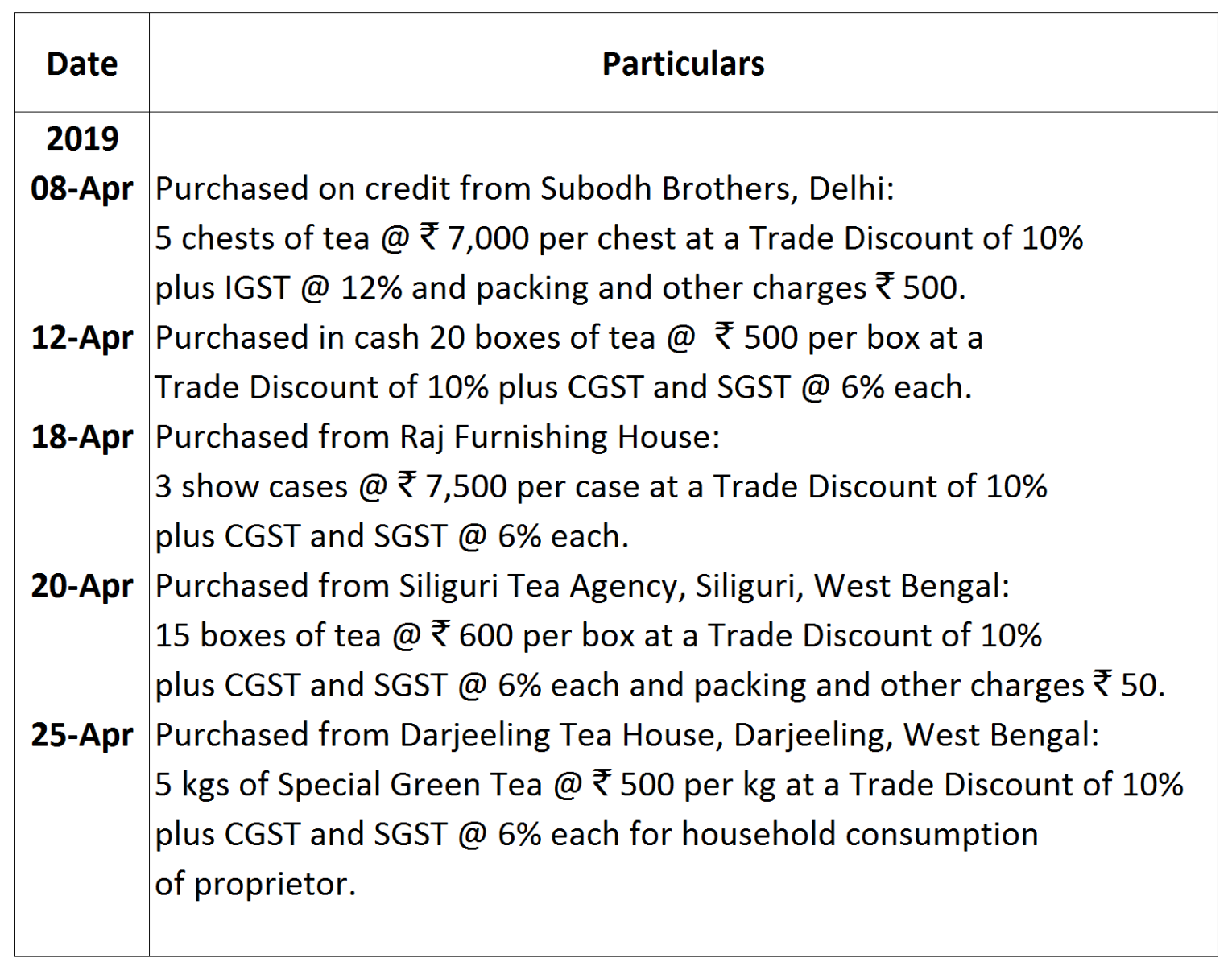
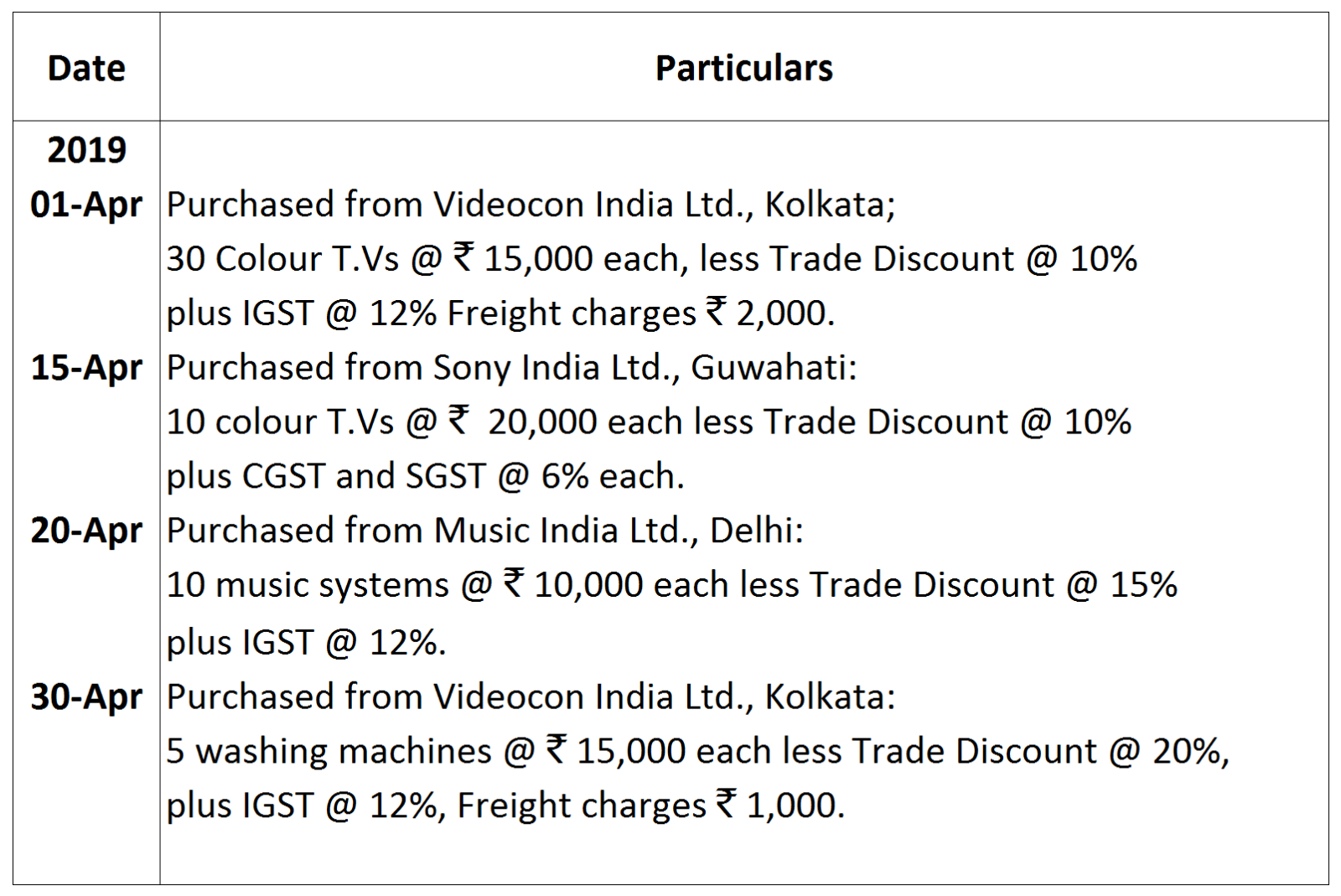
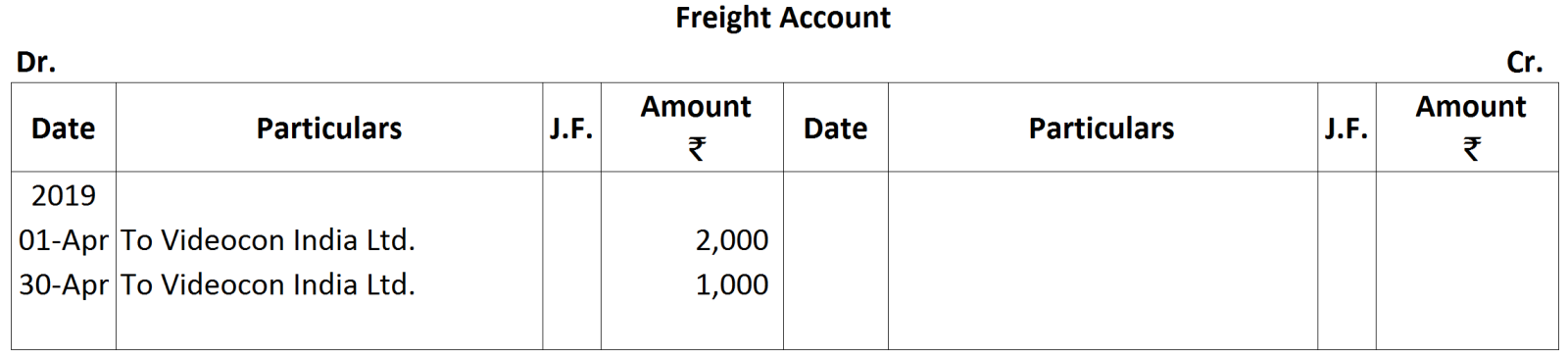
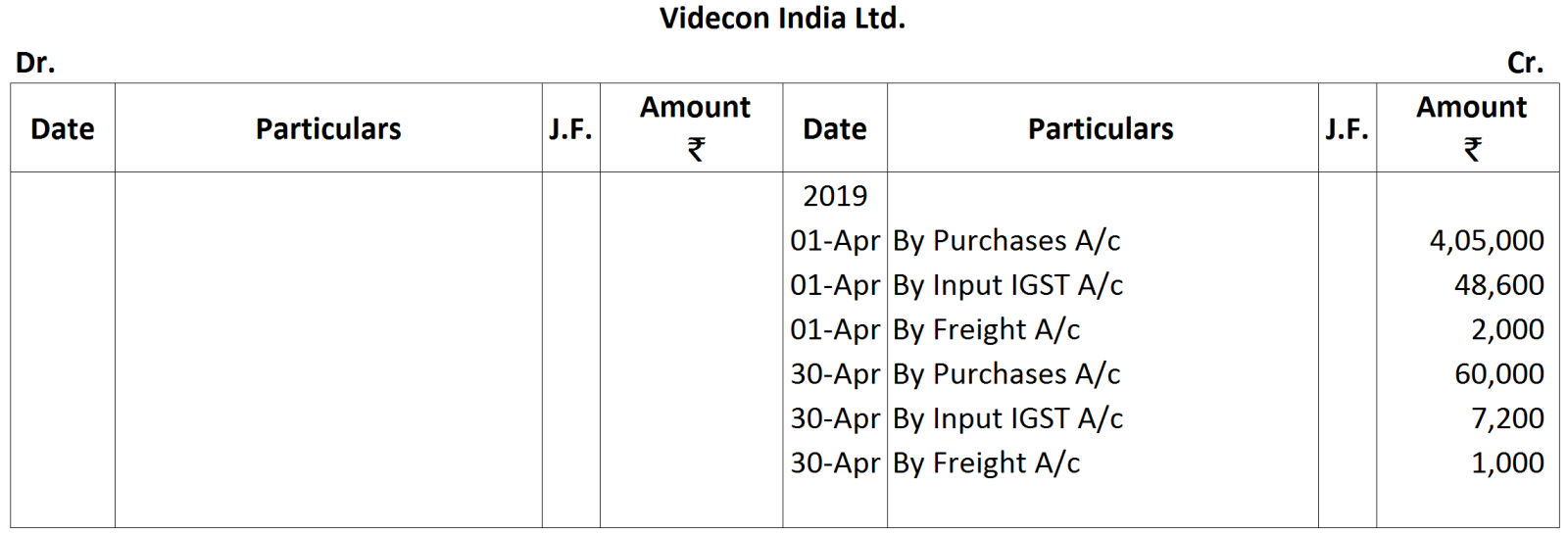
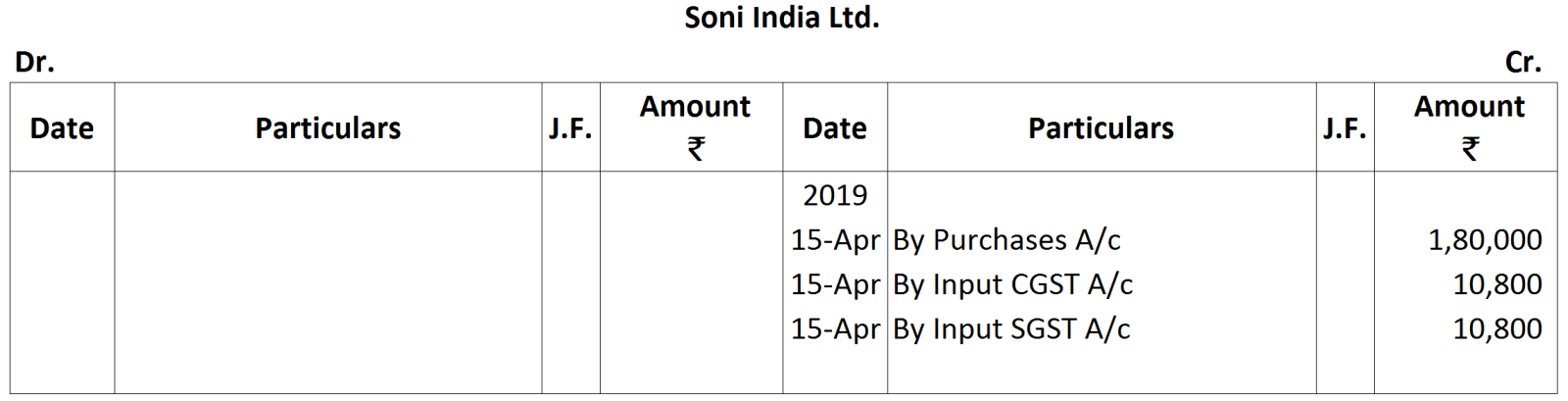
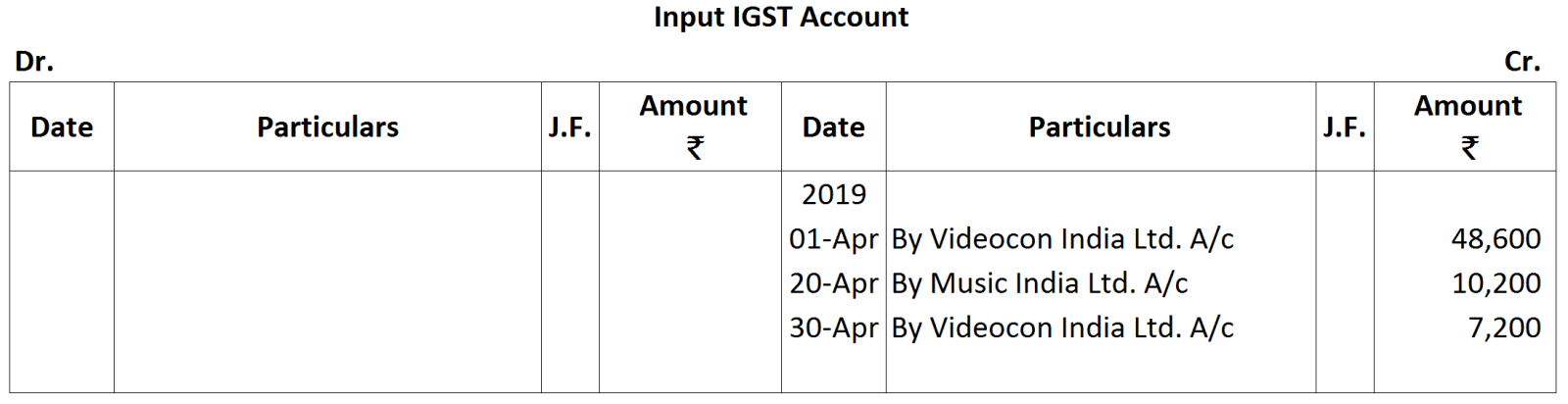
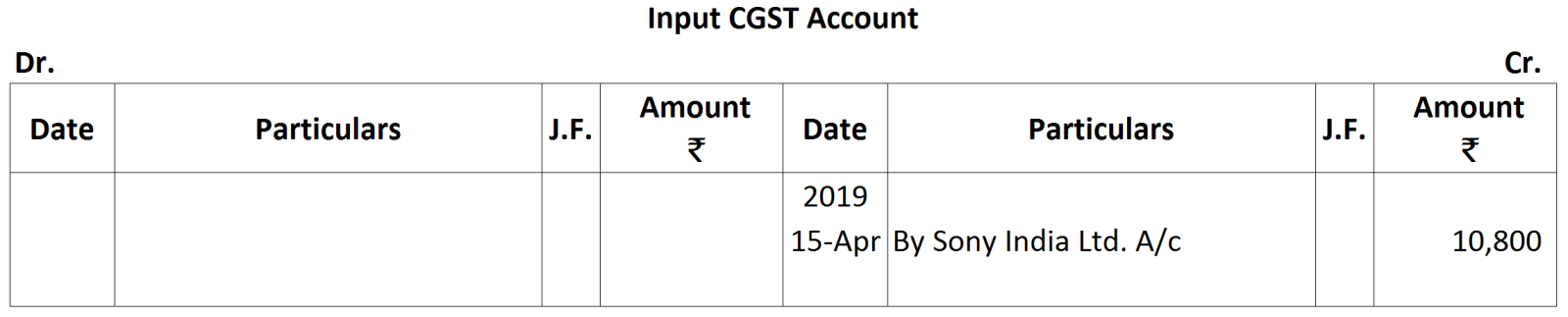
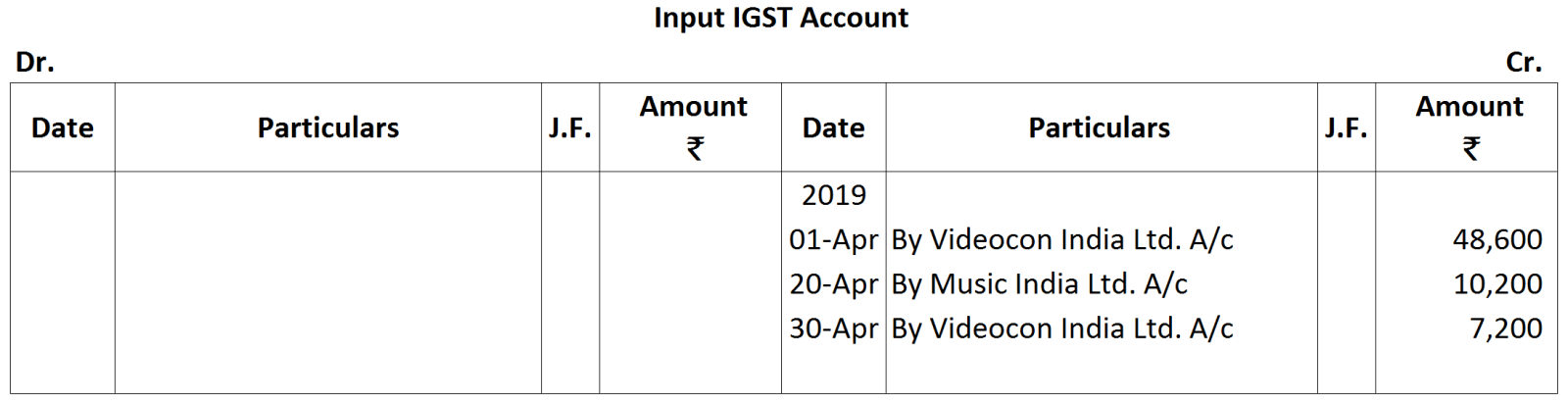
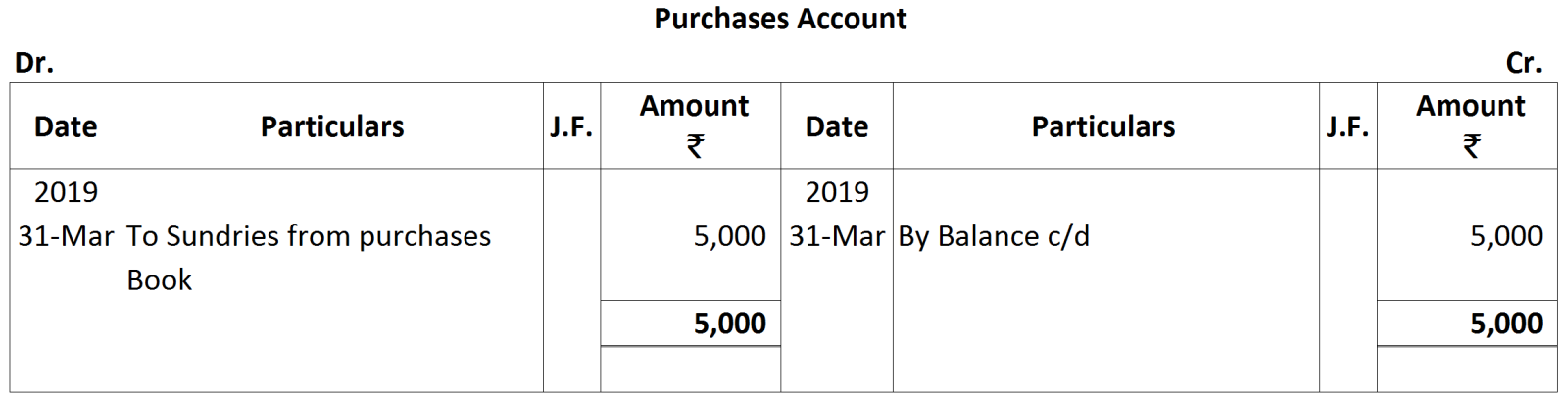
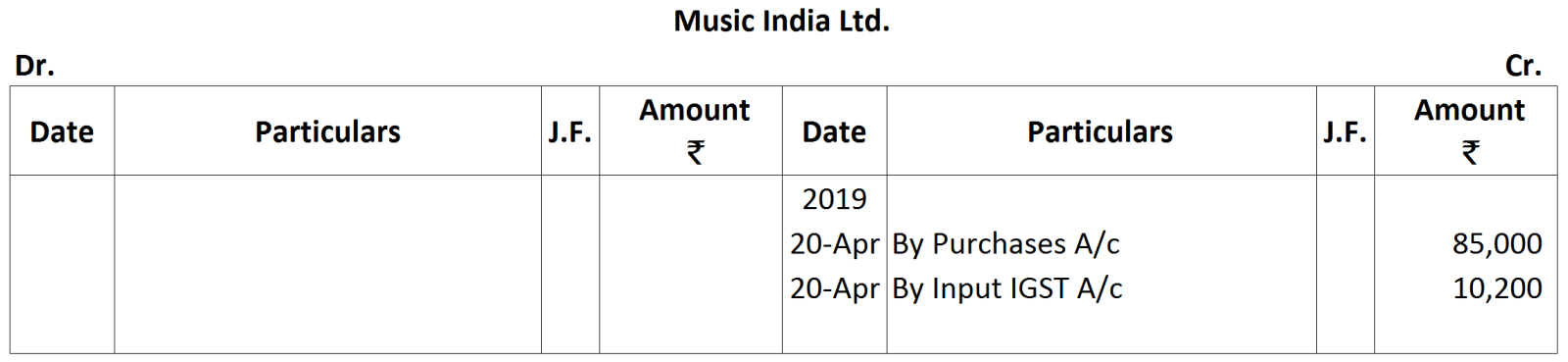
The following purchases were made by Karam, Kolkata, during the month of April, 2019. Prepare Purchases Book and post into Ledger Accounts:
View full question & answer
Question 146 Marks
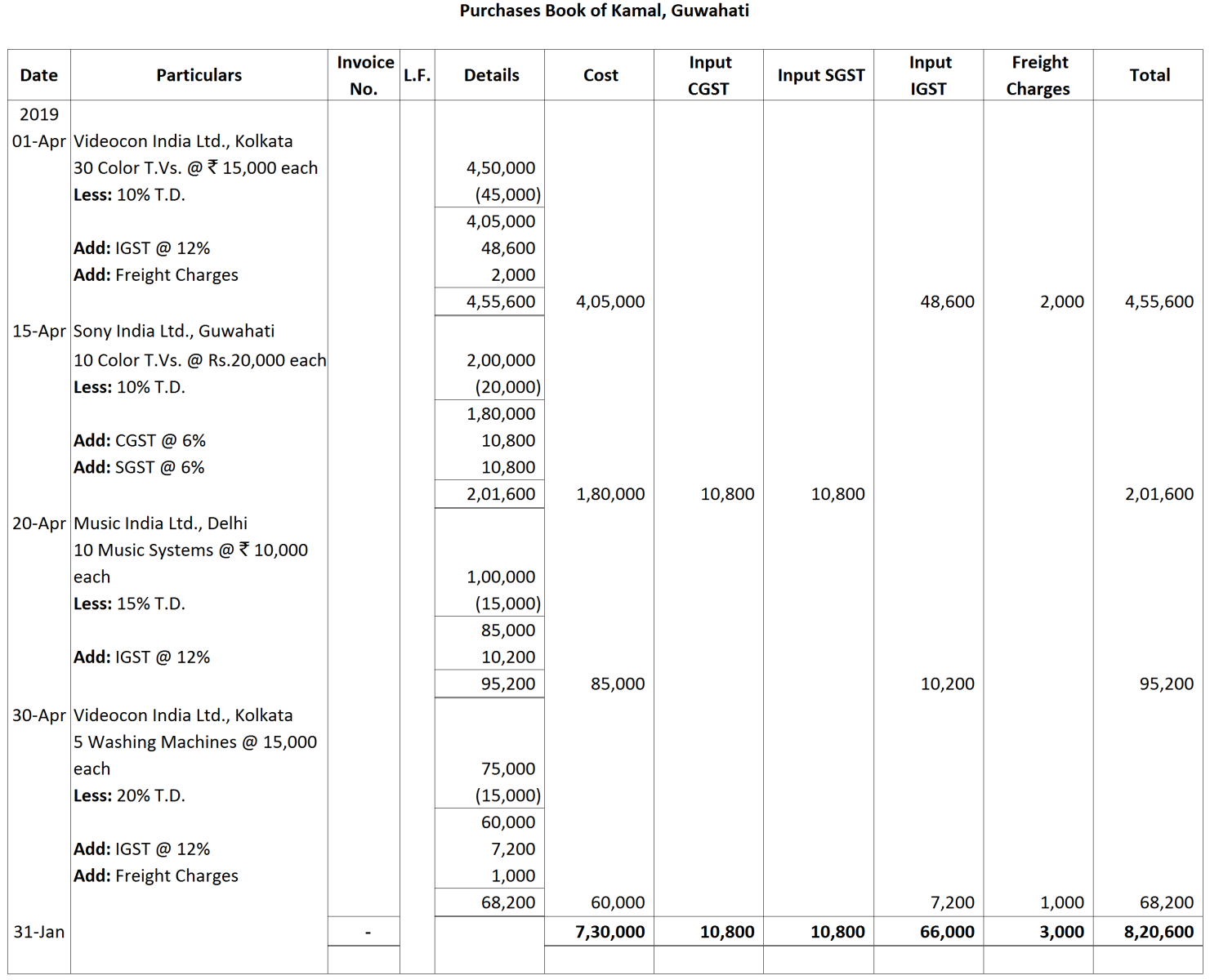
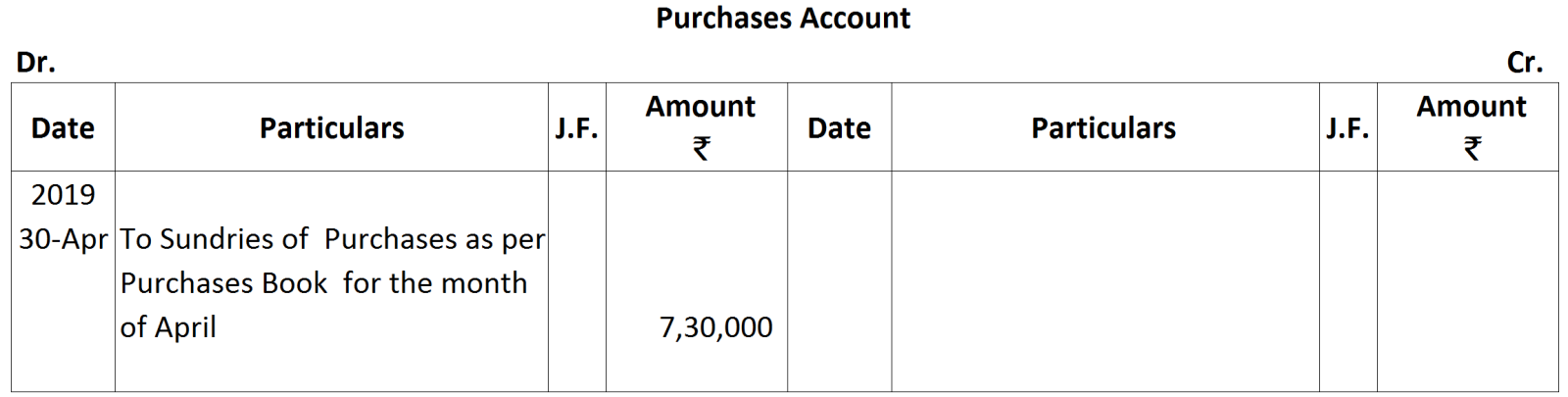
From the following transactions of Kamal, Guwahati, prepare Purchases Book and post into Ledger:
Answer
Solution is as follows.


View full question & answer
Question 166 Marks
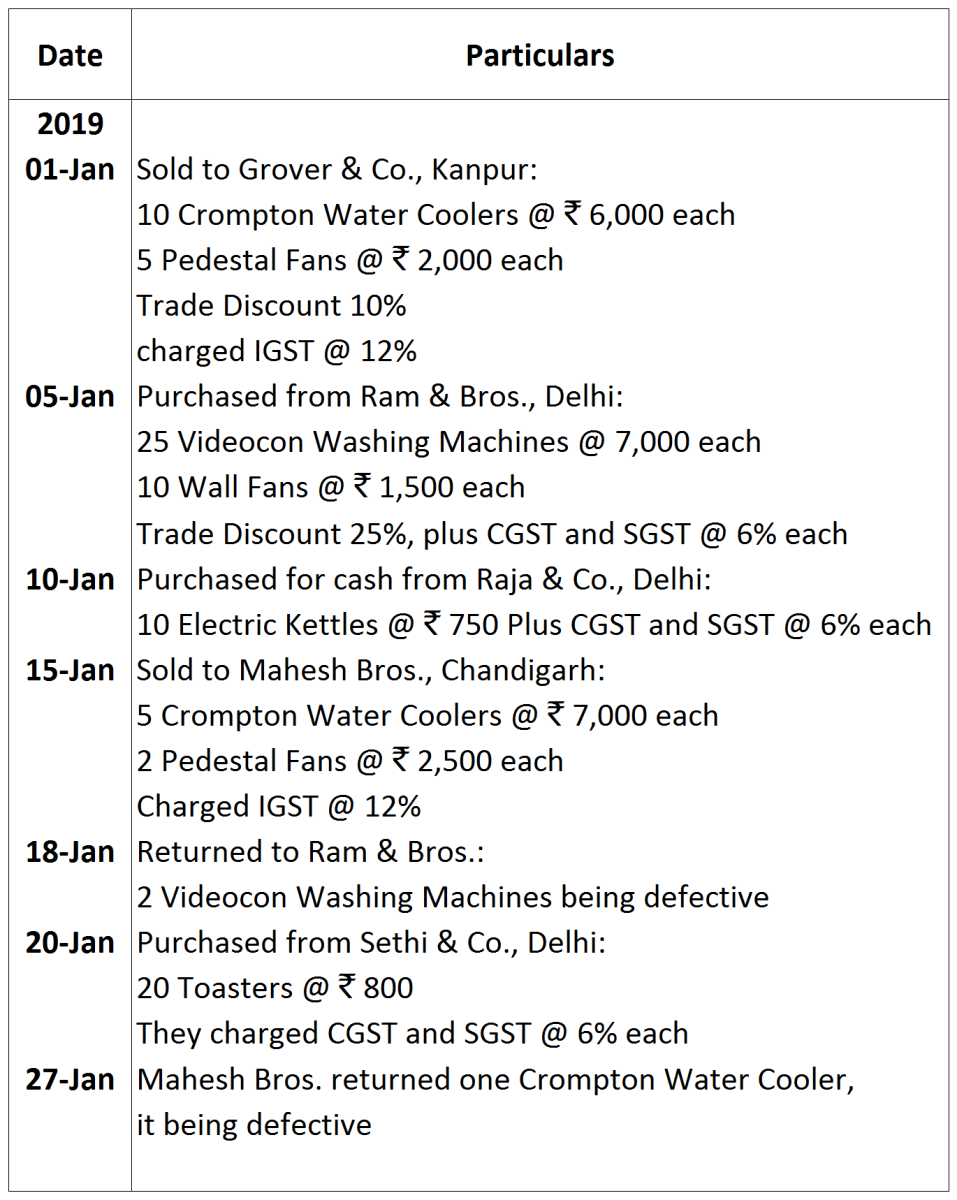
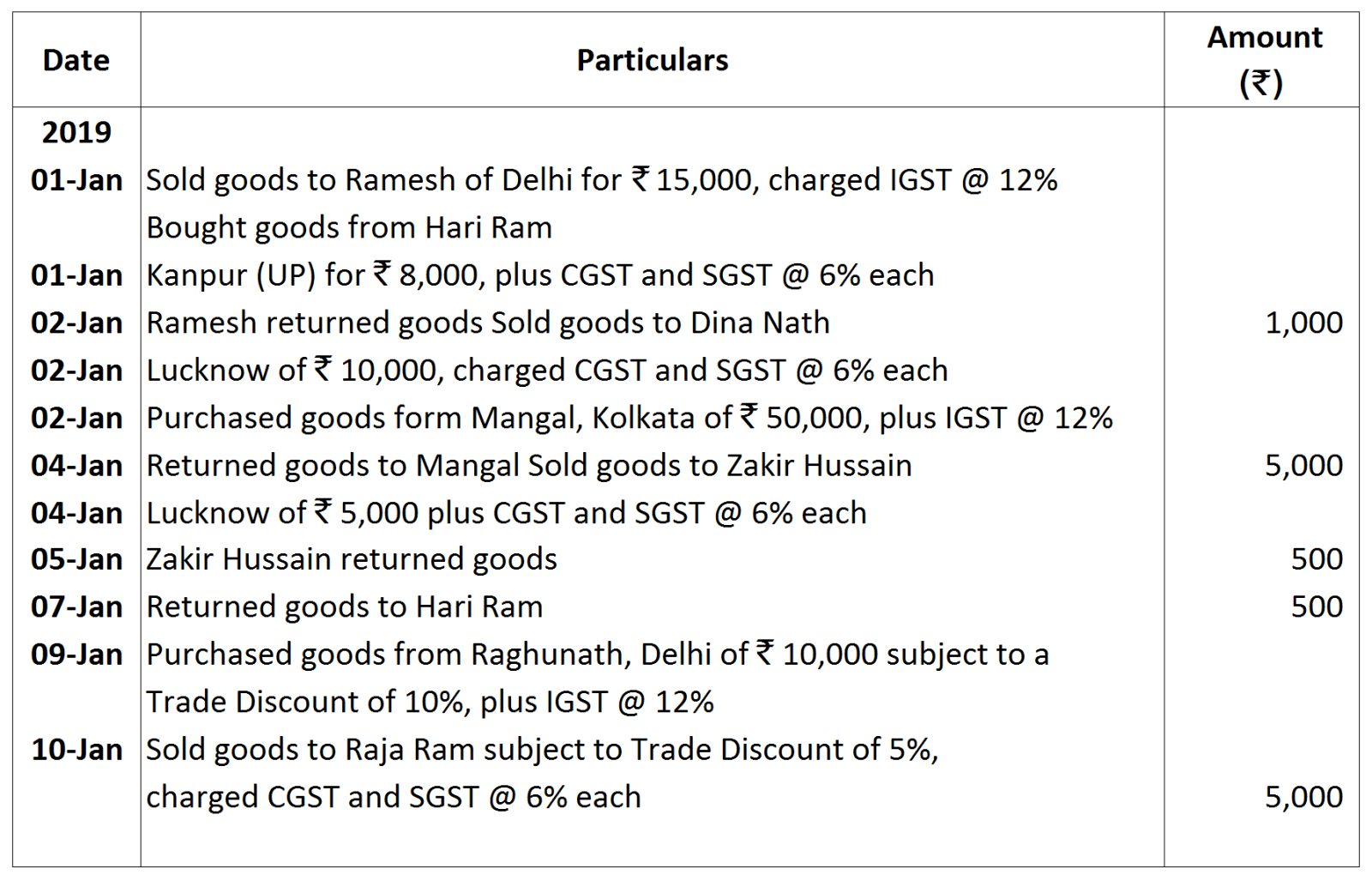
Enter the following transactions in proper Subsidiary Books of Ram, Lucknow (UP) for the month of January 2019:
View full question & answer
Question 176 Marks
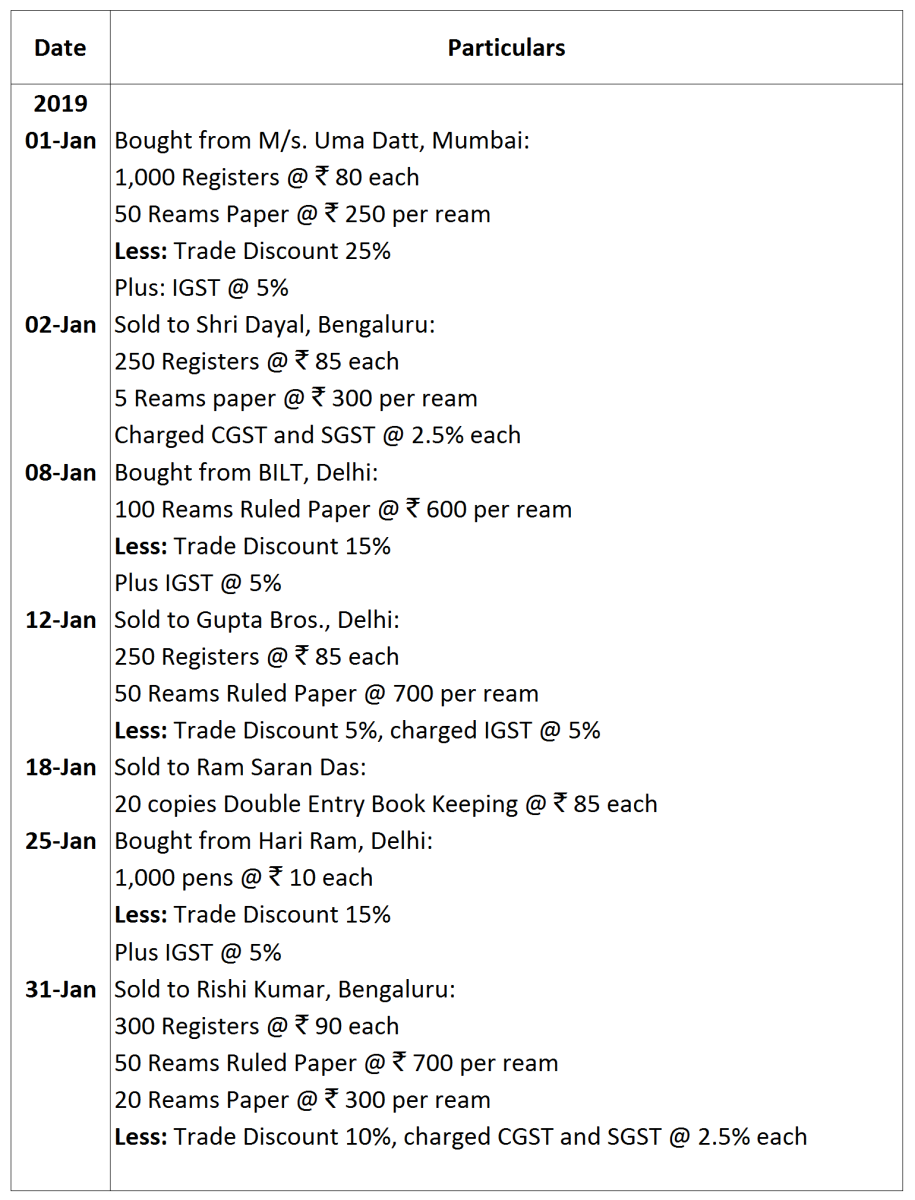
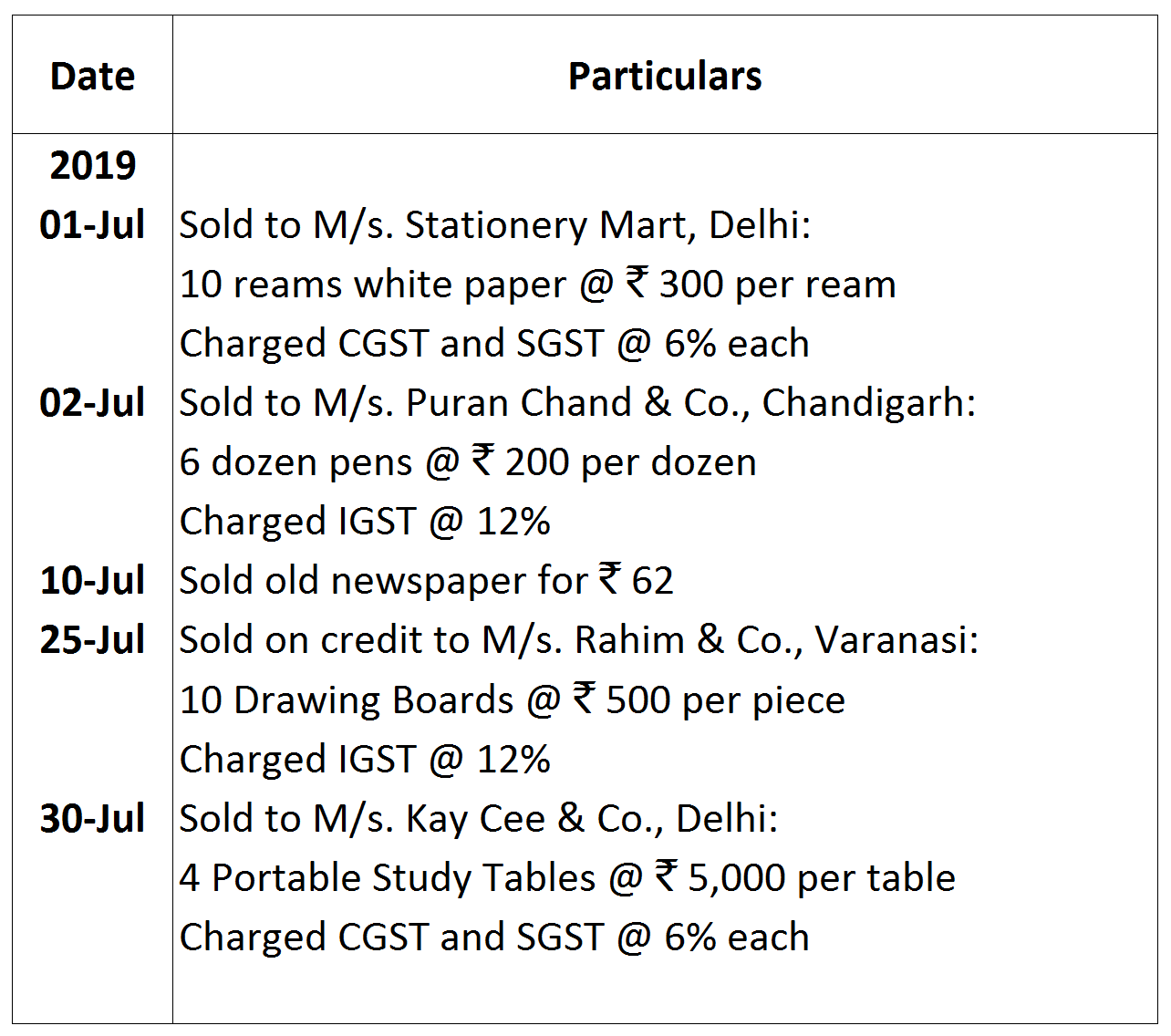
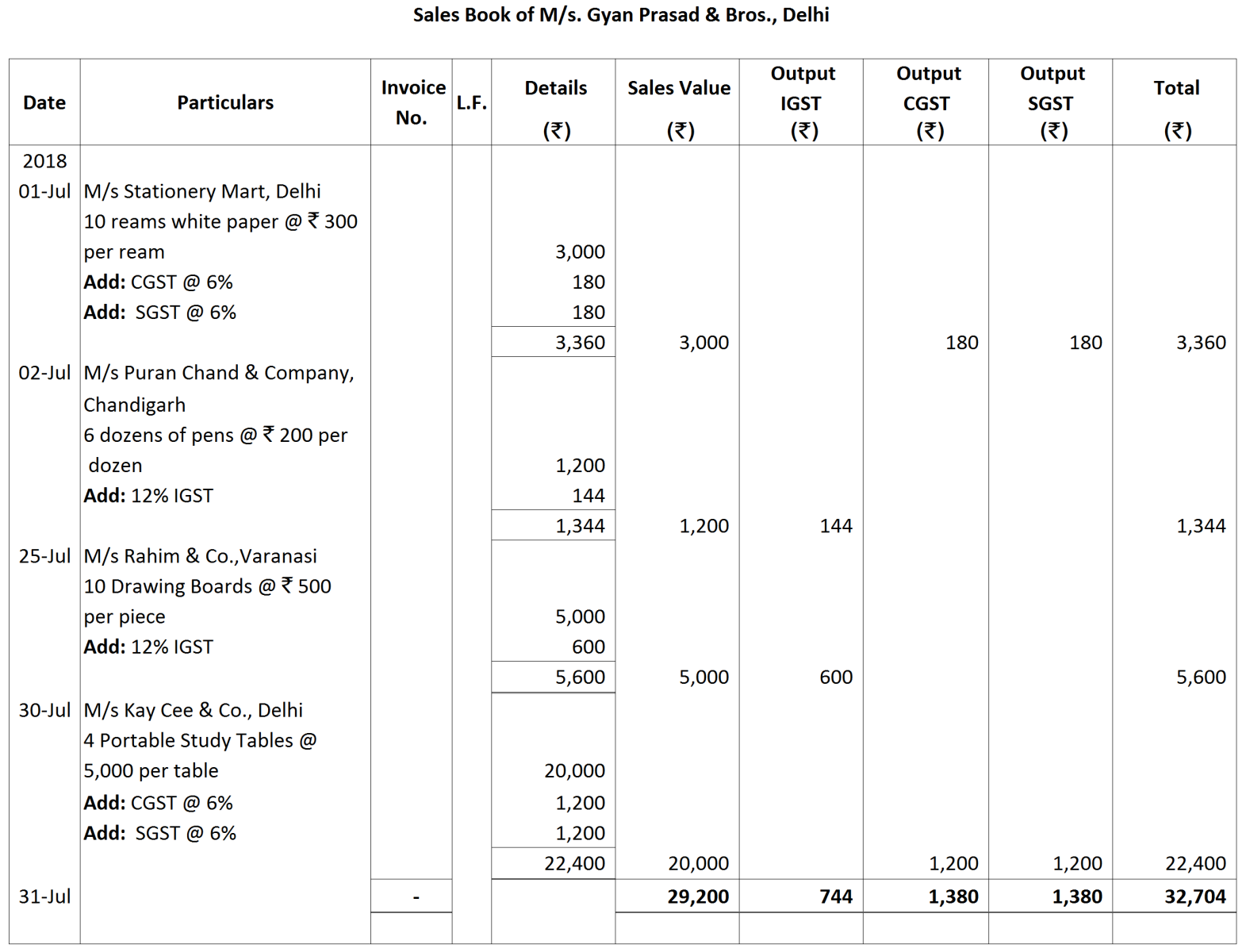
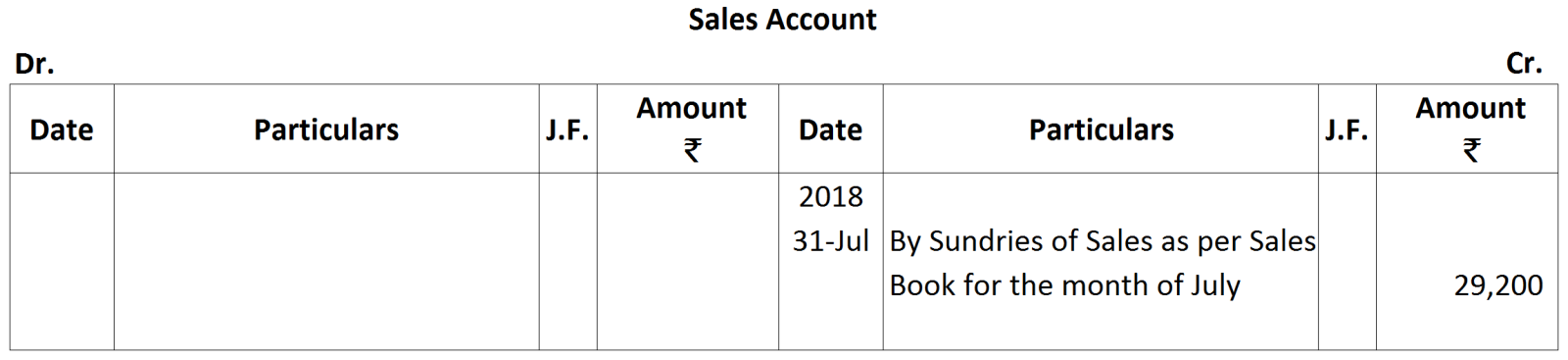
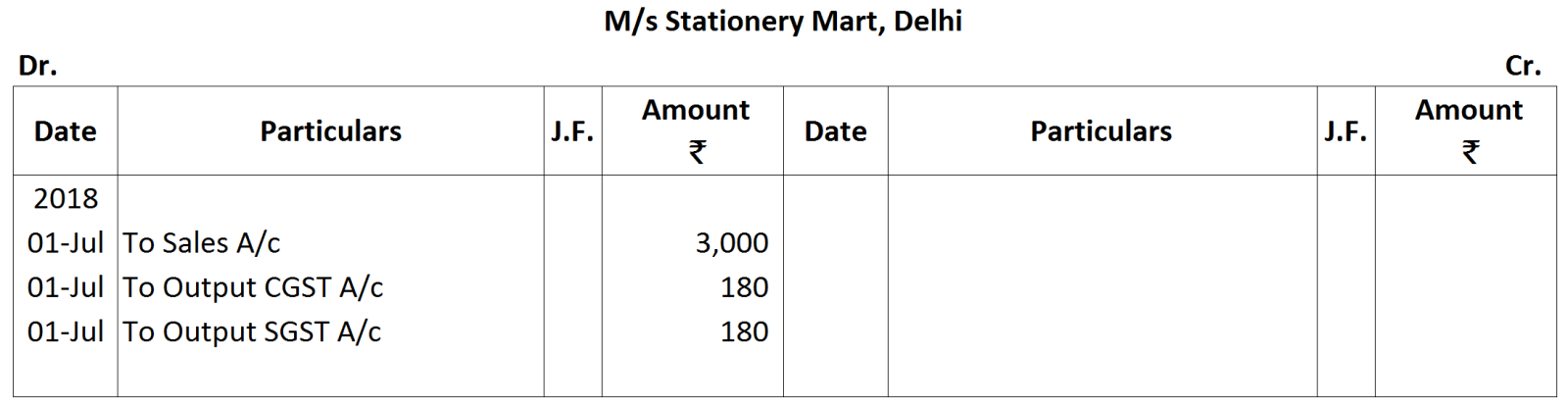
From the following particulars, prepare a Sales Book of M/s. Gyan Prasad & Bros., Delhi, dealers of stationery and post into Ledger Accounts:
Answer
Solution is as follows.


View full question & answer
Question 186 Marks
Mention the subsidiary books in which following transactions are recorded along with reason thereof:
  1. Purchase of furniture on credit for use in shop.
  2. Sale of goods on credit.
  3. Goods returned by Debtors.
  4. Purchase of stock on credit.
  5. Providing for interest on capital to proprietor.
  6. Goods returned to creditors.
  7. Sale of goods for cash.
Answer
  1. Journal Proper: Because purchase of fixed assets on credit is recorded in Journal proper.
  2. Sales Book: Because Sales Book records only credit sales of goods.
  3. Sales Return Book: Because goods returned by customer are recorded in Sales Return Book.
  4. Purchases Book: Because Purchases Book records only Credit Purchases of goods.
  5. Journal Proper: Because Journal Proper records all those transactions which cannot be recorded in any of the other subsidiary books. Interest on proprietor's capital is also one of those items which can only be recorded in Journal Proper.
  6. Purchases Return Book: Because it records only goods returned by the firm to its suppliers.
  7. Cash Book: Because Cash Book records cash receipts and cash payments.
View full question & answer
Question 196 Marks
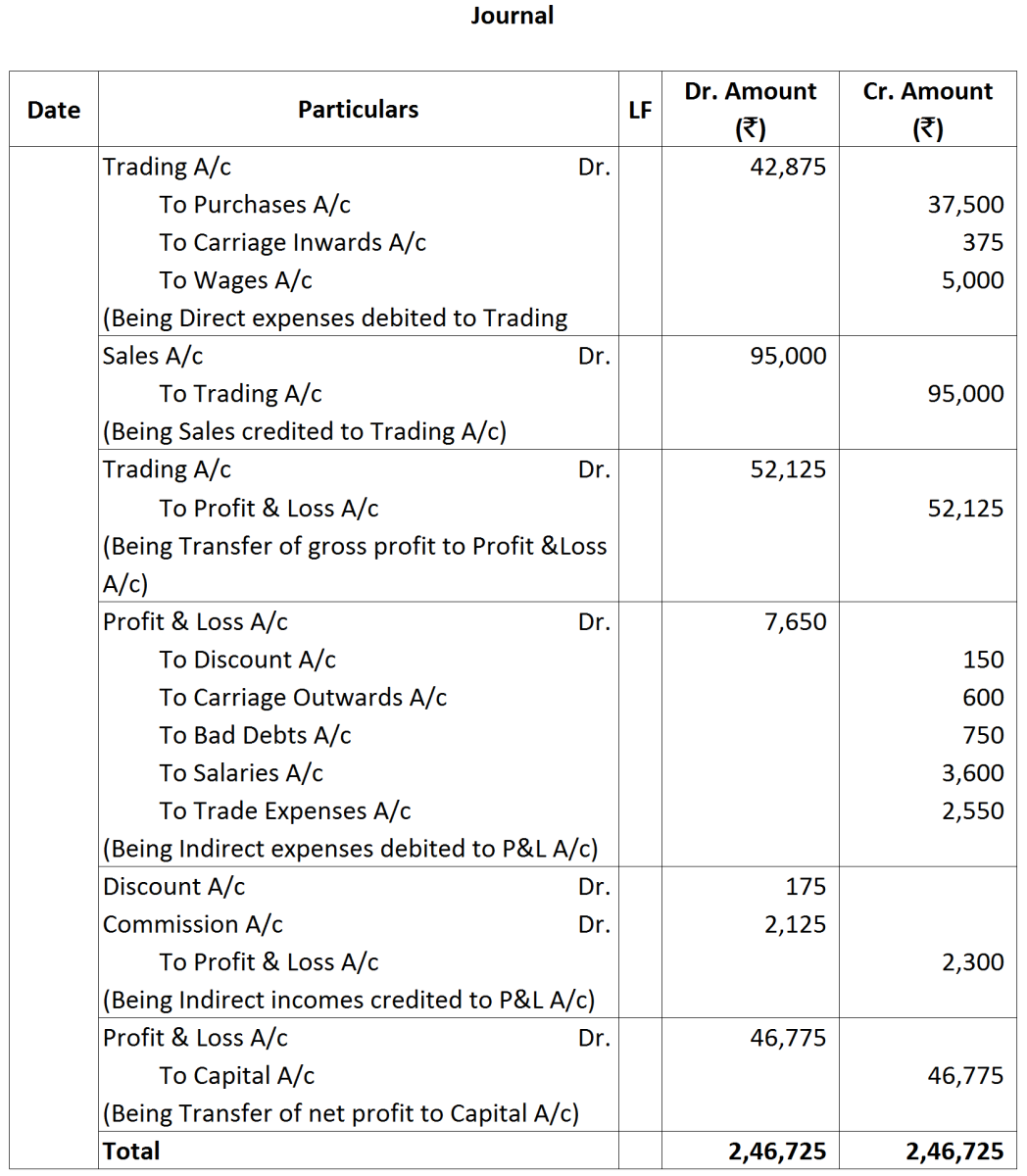
(Closing Entries). Give the necessary entries in the Journal Proper of Ram on 31st March, 2019 to close their books:
Freehold Premises ₹ 30,000; Plant and Machinery ₹ 20,000; Sundry Debtors ₹ 25,000; Purchases ₹ 37,500; Sales ₹ 95,000; Discount (Dr.) ₹ 150; Discount (Cr.) ₹ 175; Sundry Creditors ₹ 12,500; Carriage Inwards ₹ 375; Carriage Outwards ₹ 600; Furniture and Fixtures ₹ 2,500; Wages ₹ 5,000; Bad debts ₹ 750; Salaries ₹ 3,600; Commission (Cr.) ₹ 2,125; Capital Account − ₹ 25,000; Bills Payable ₹ 7,500; Bills Receivable ₹ 9,000; Trade Expenses ₹ 2,550; Ram's Loan Account ₹ 20,000; Cash in Hand ₹ 75; Cash at Bank ₹ 3,125.
Answer
Solution is as follows:
View full question & answer
Question 206 Marks
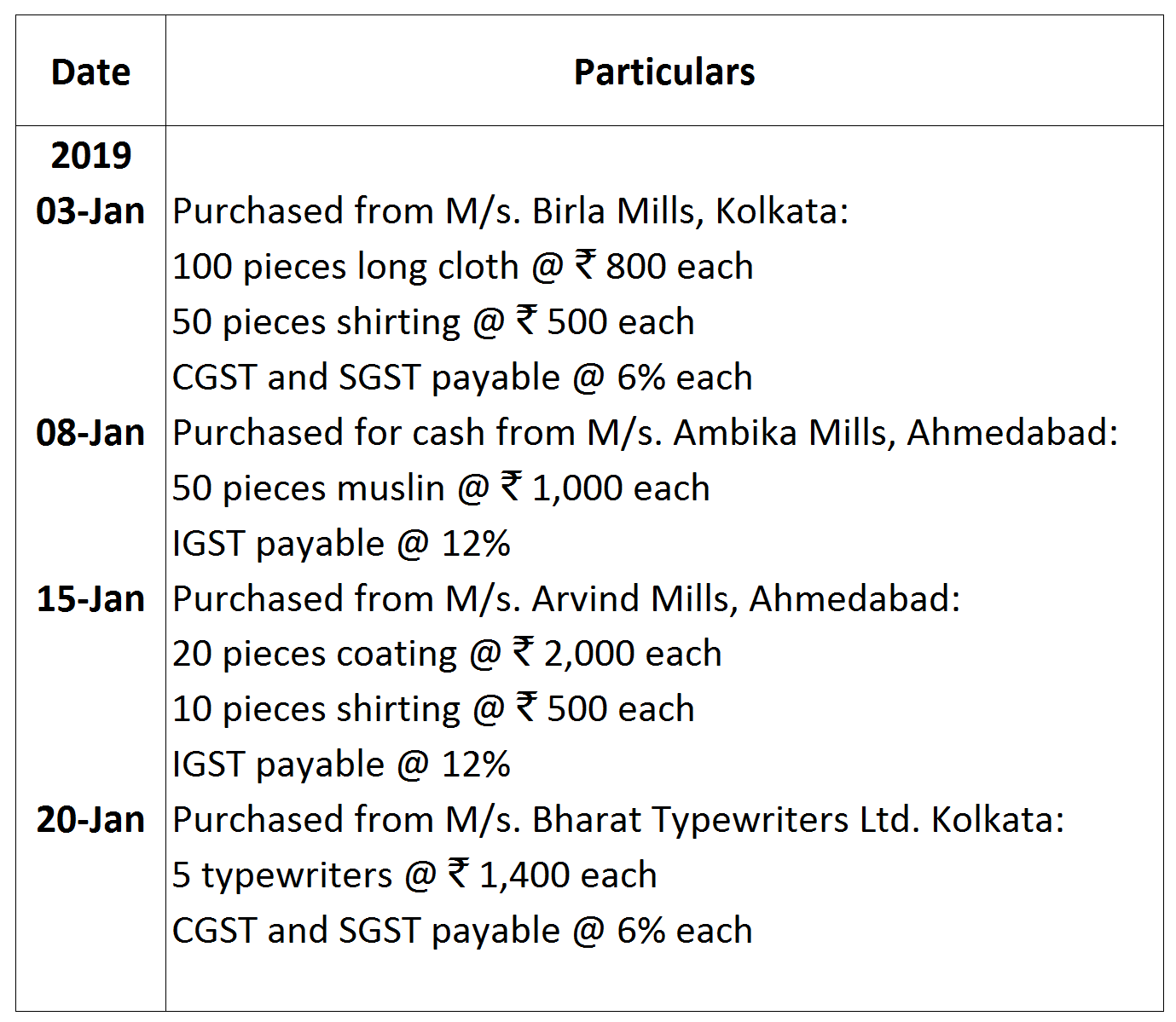
Verma Bros. Kolkata carry on business as wholesale cloth dealer. From the following, write up their Purchases Book for January, 2019:
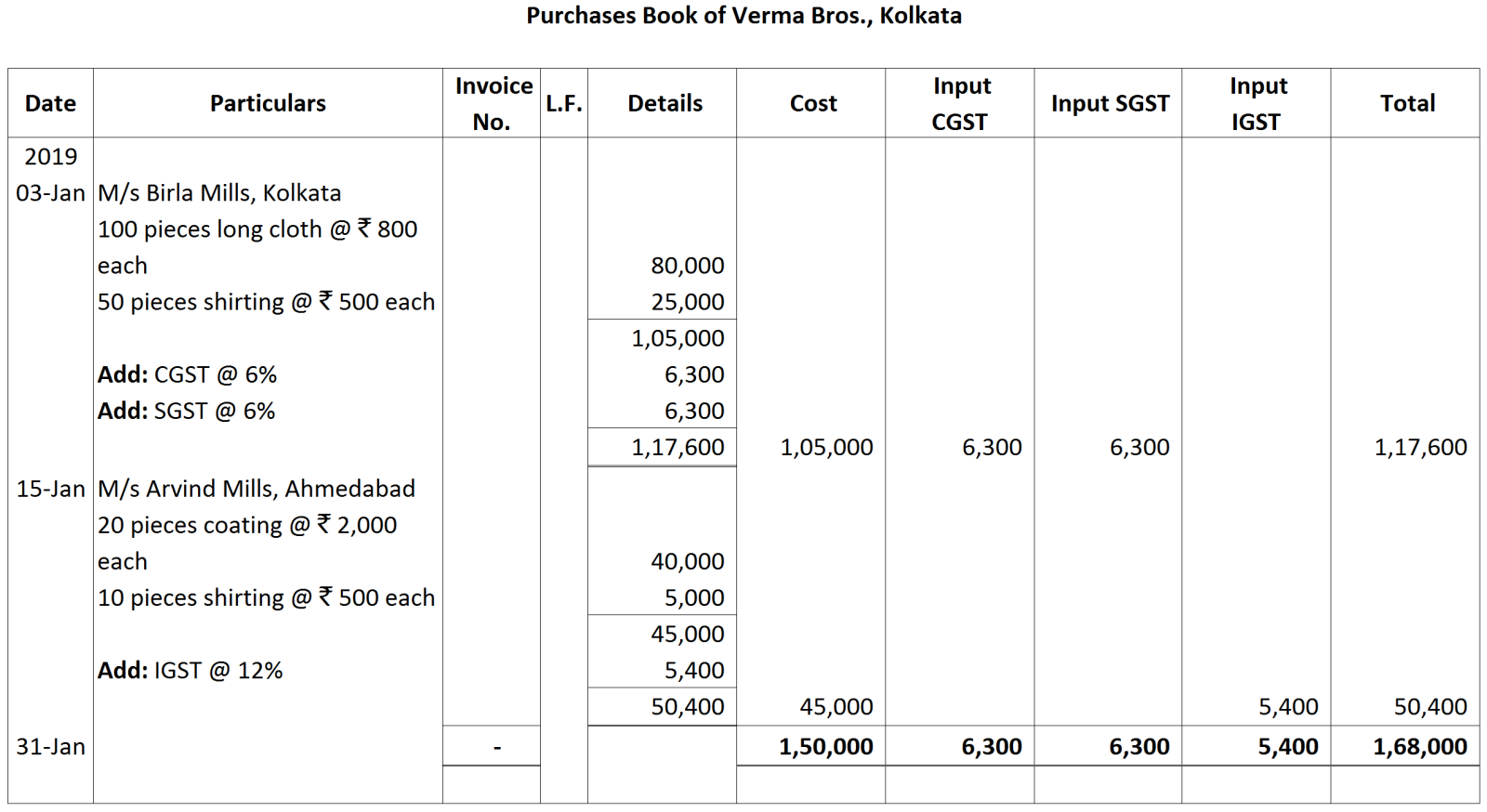
Show the posting from Purchases Book to Ledger accounts also.
Answer
Solution is as follow:
View full question & answer
Question 216 Marks
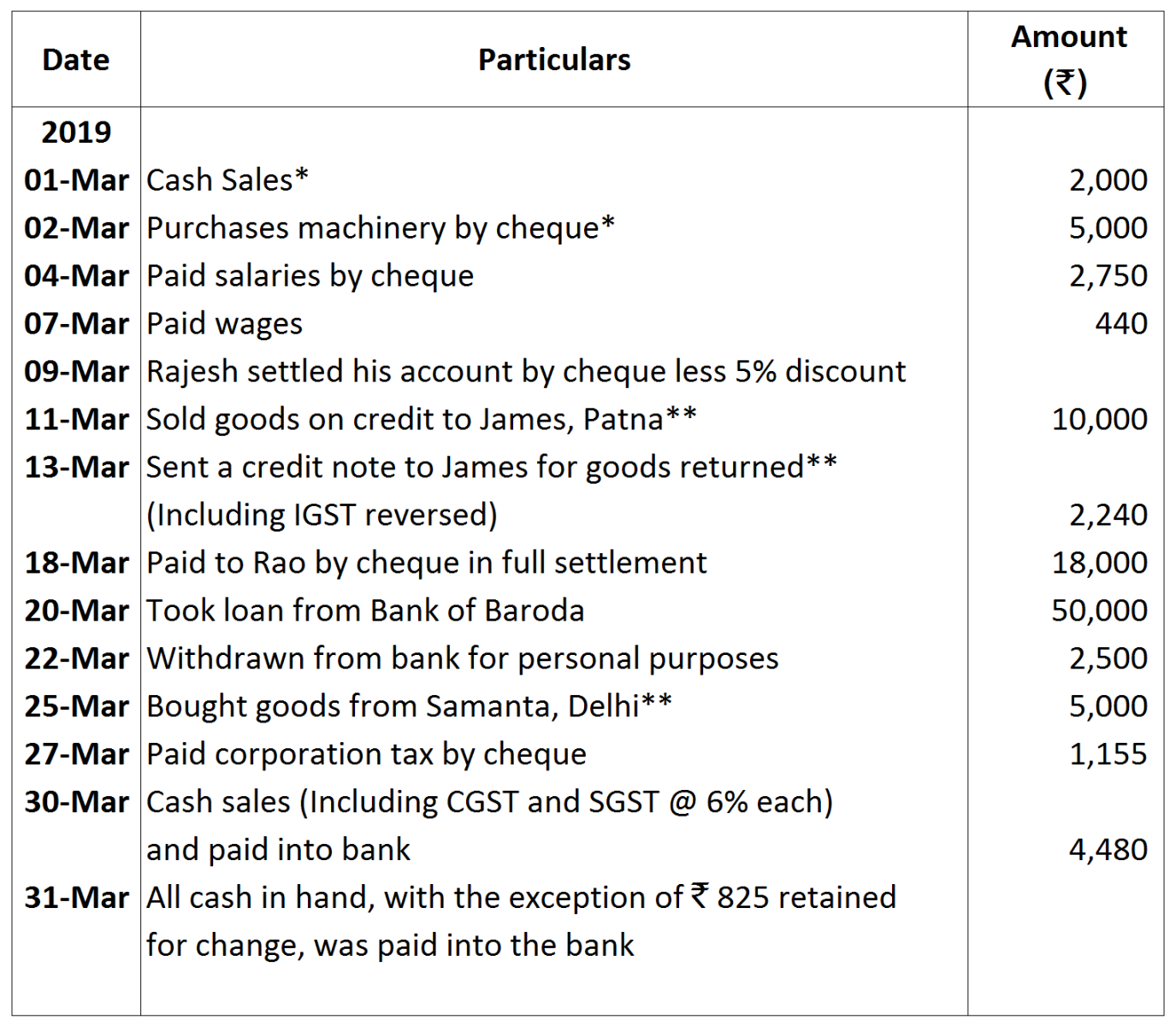
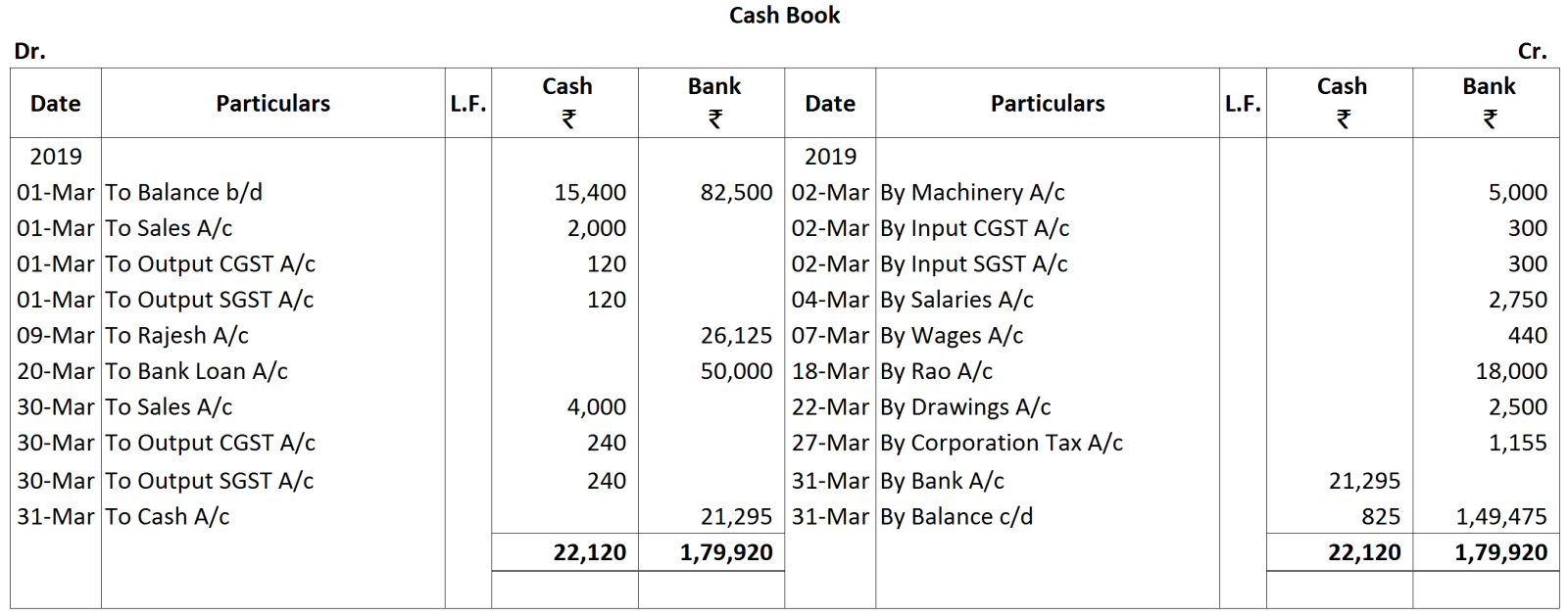
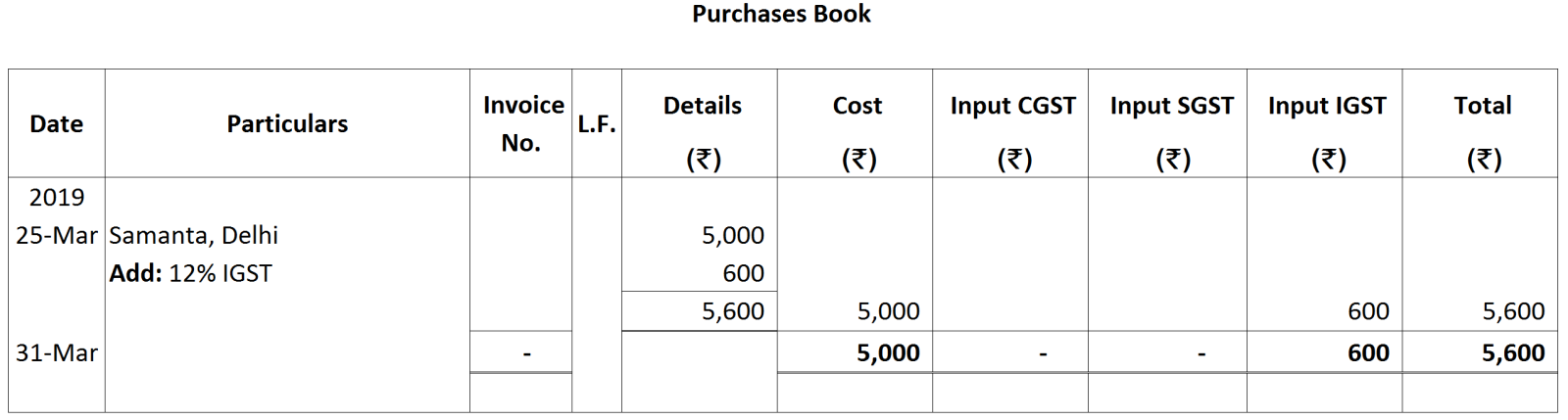
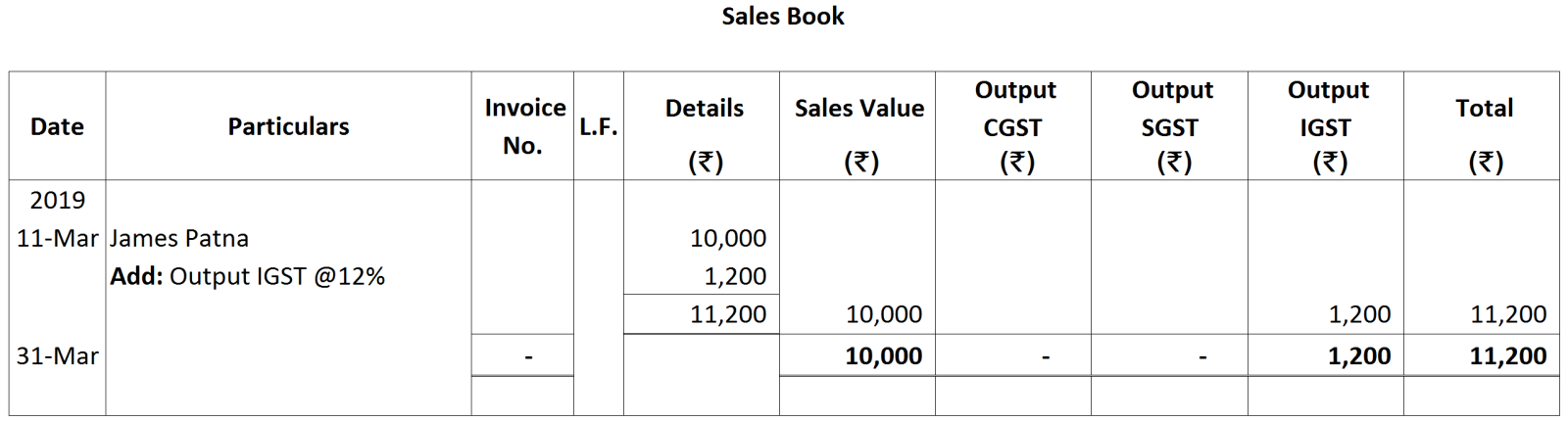
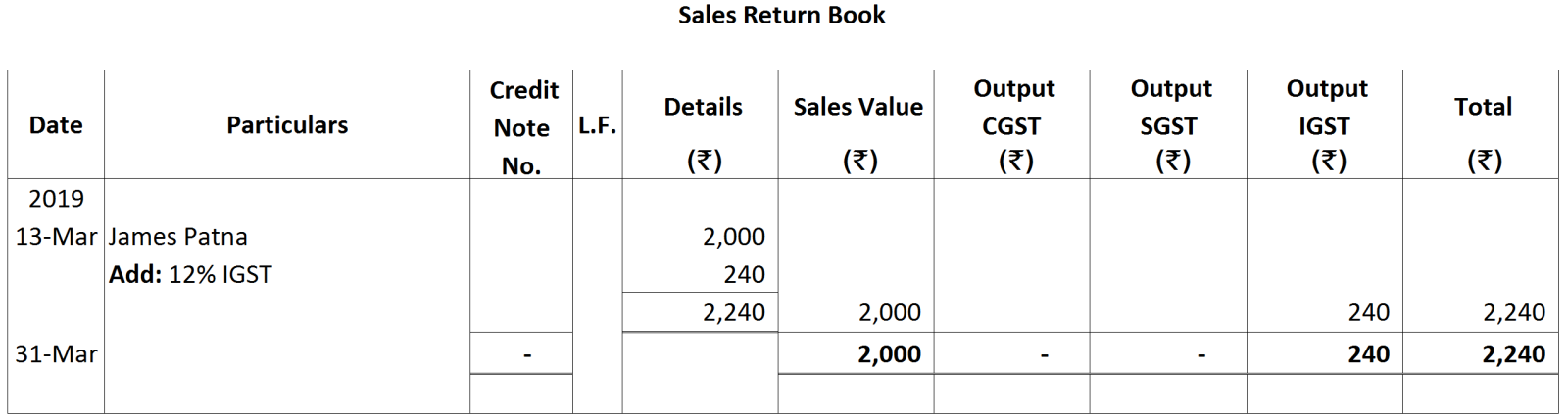
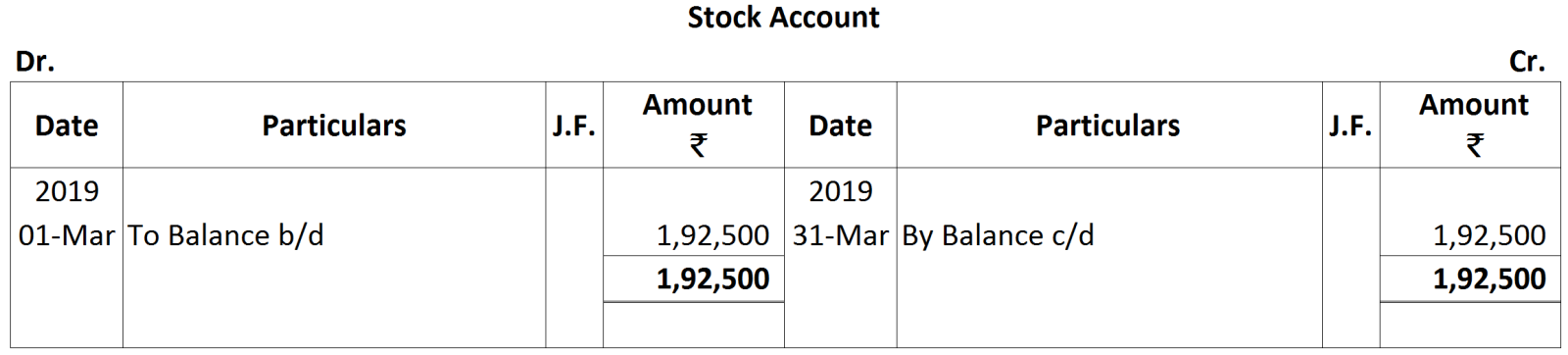
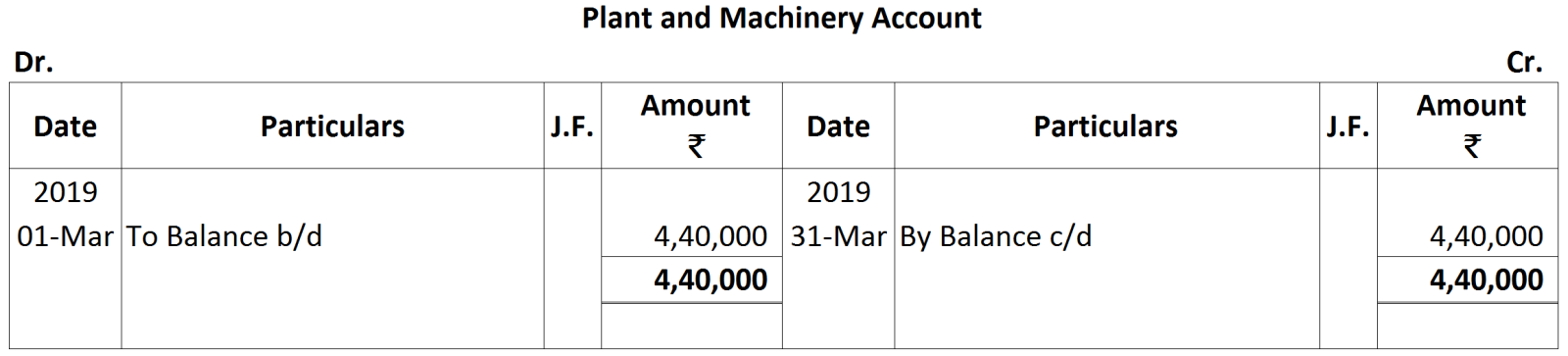
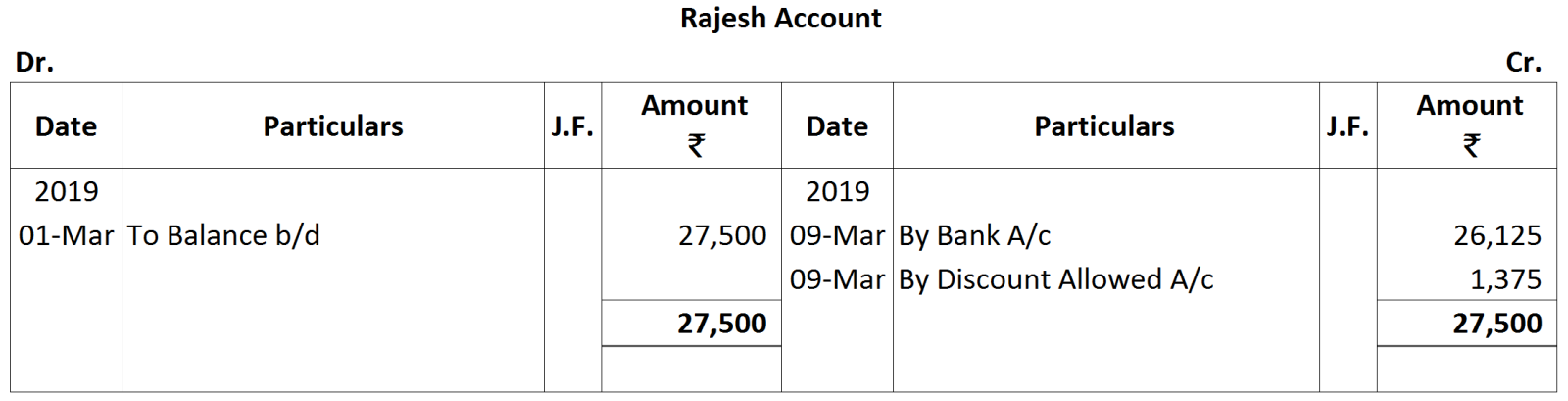
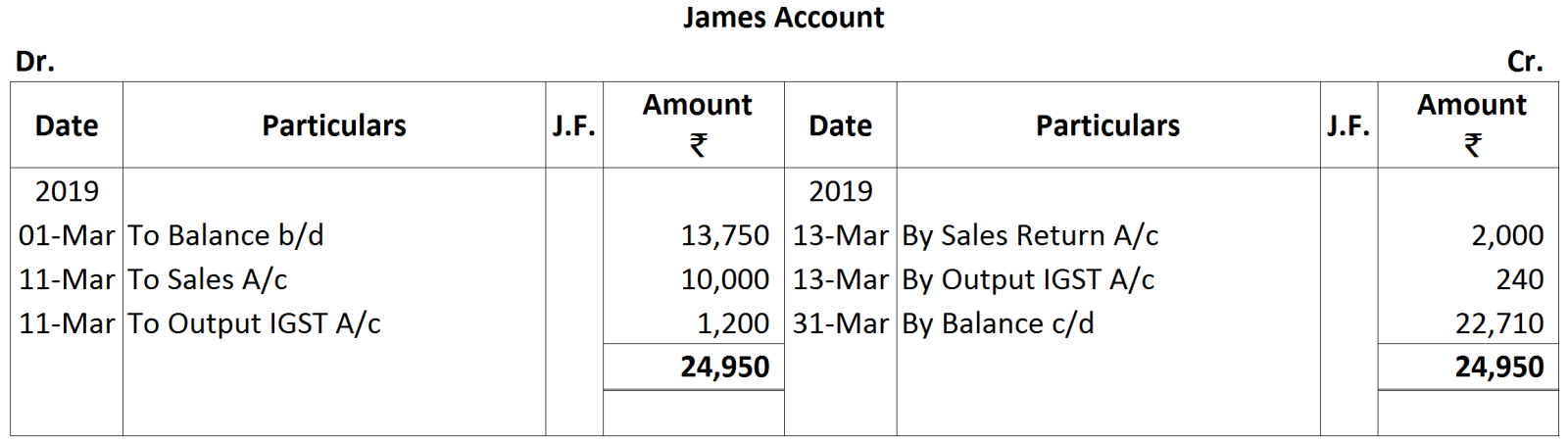
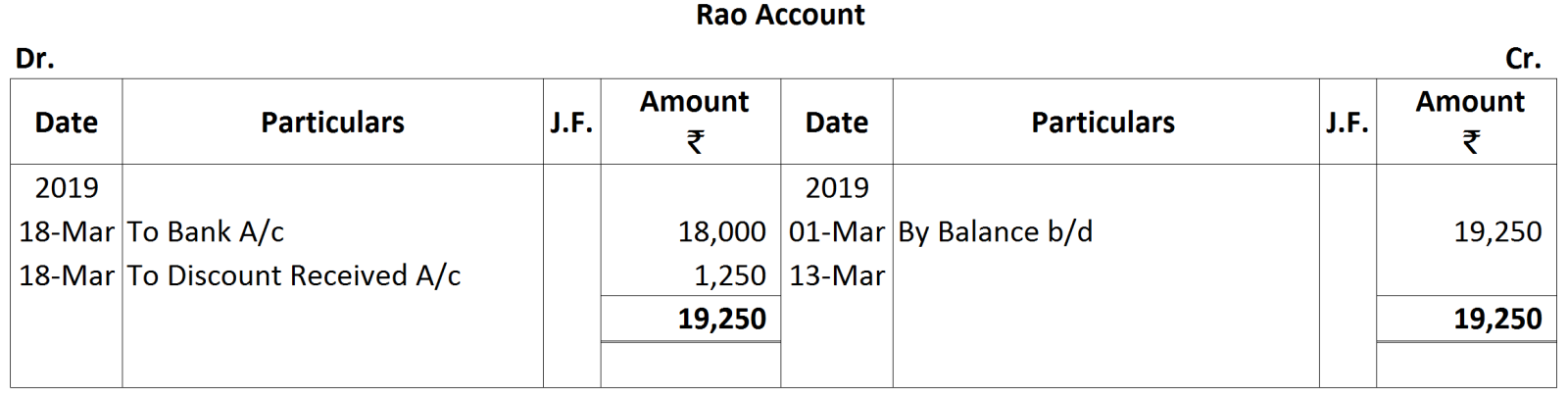
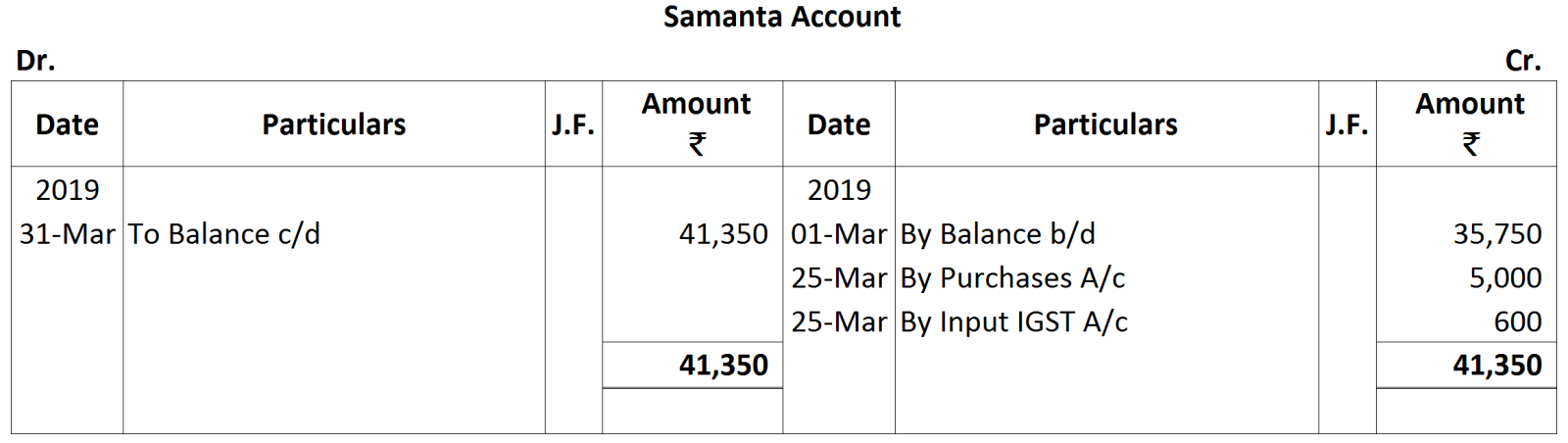
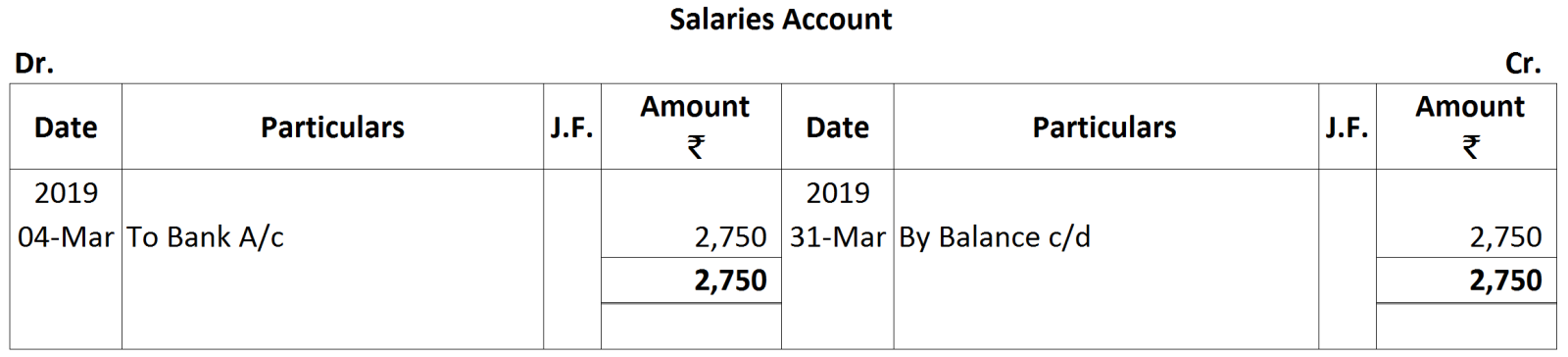
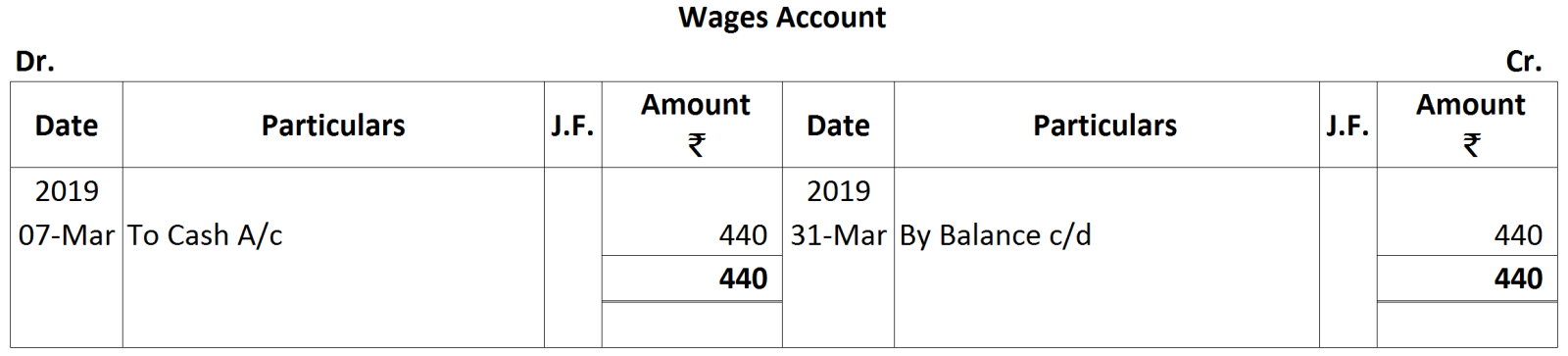
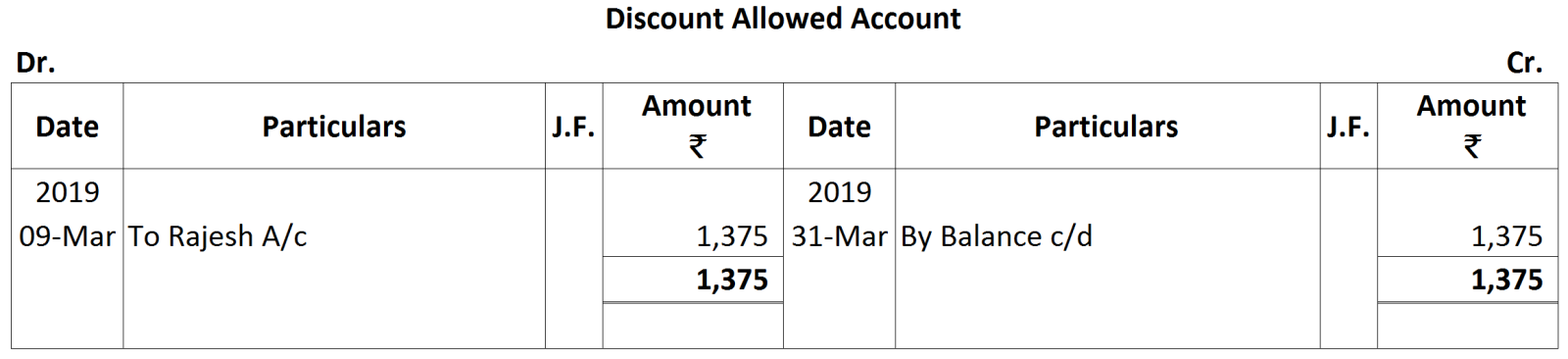
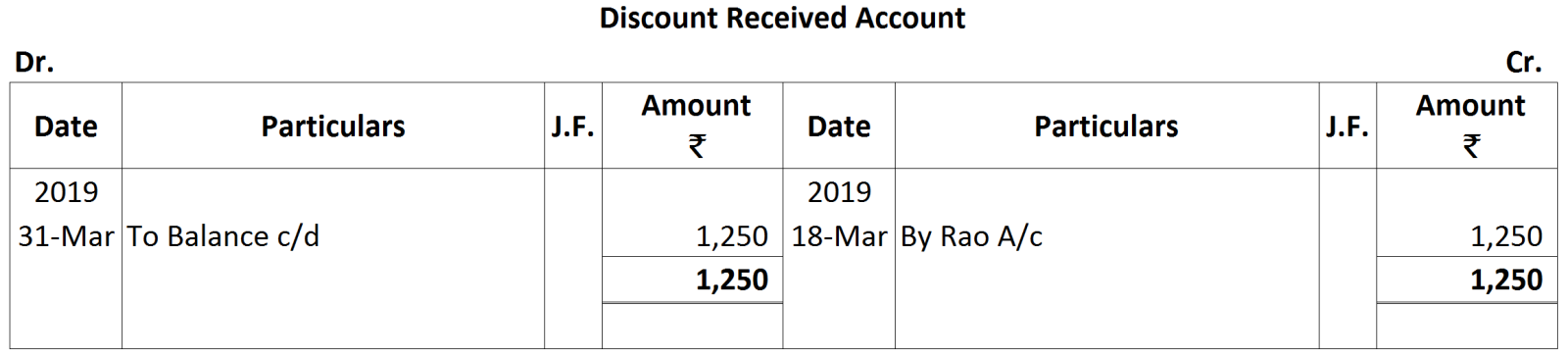
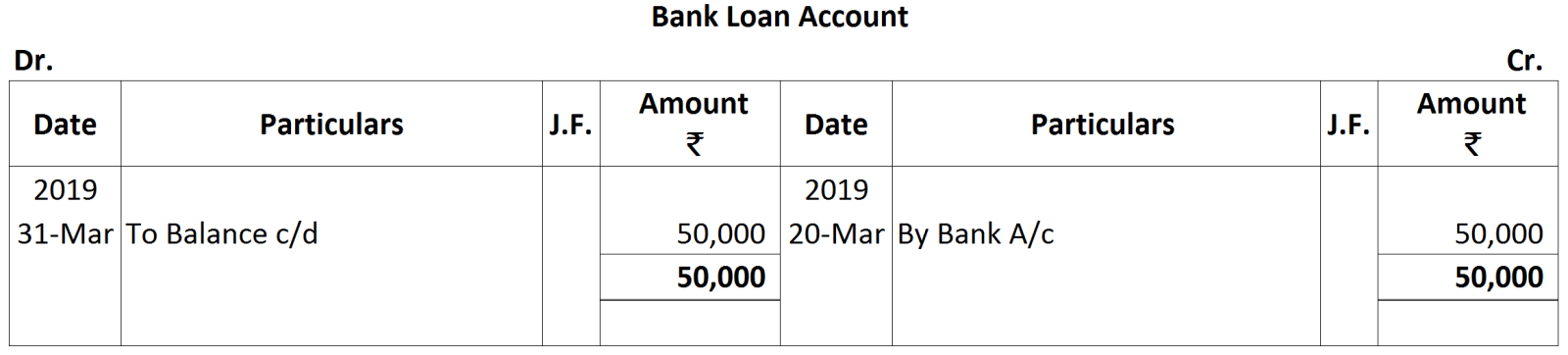
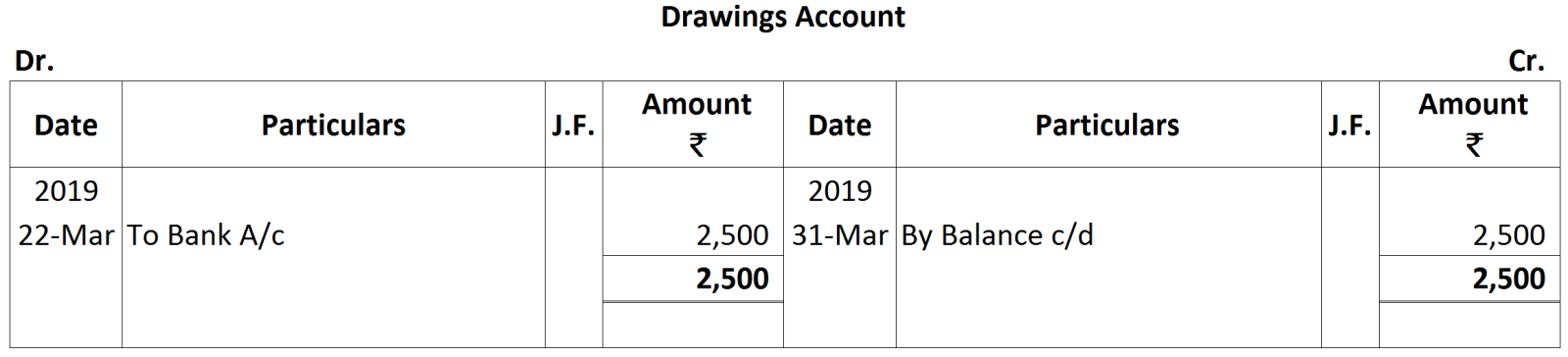
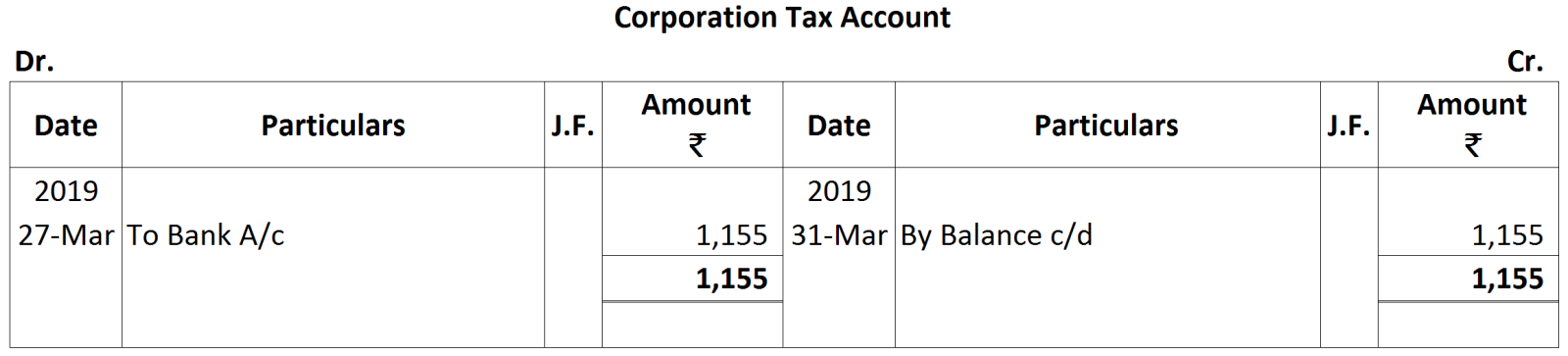
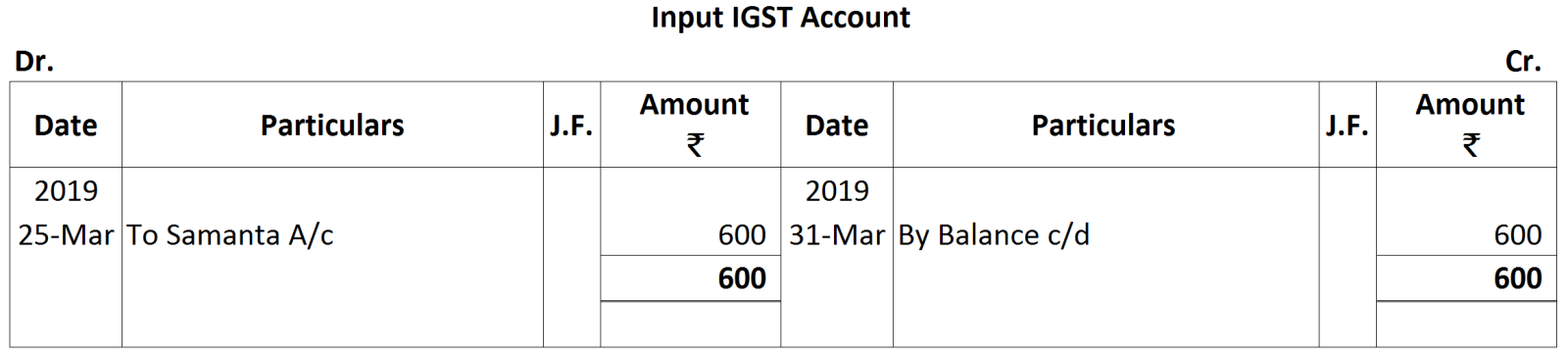
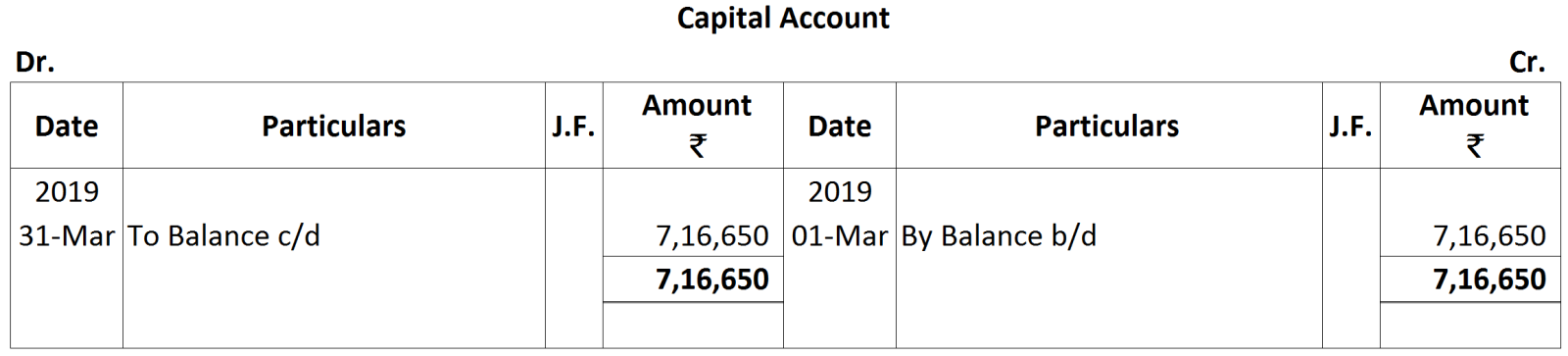
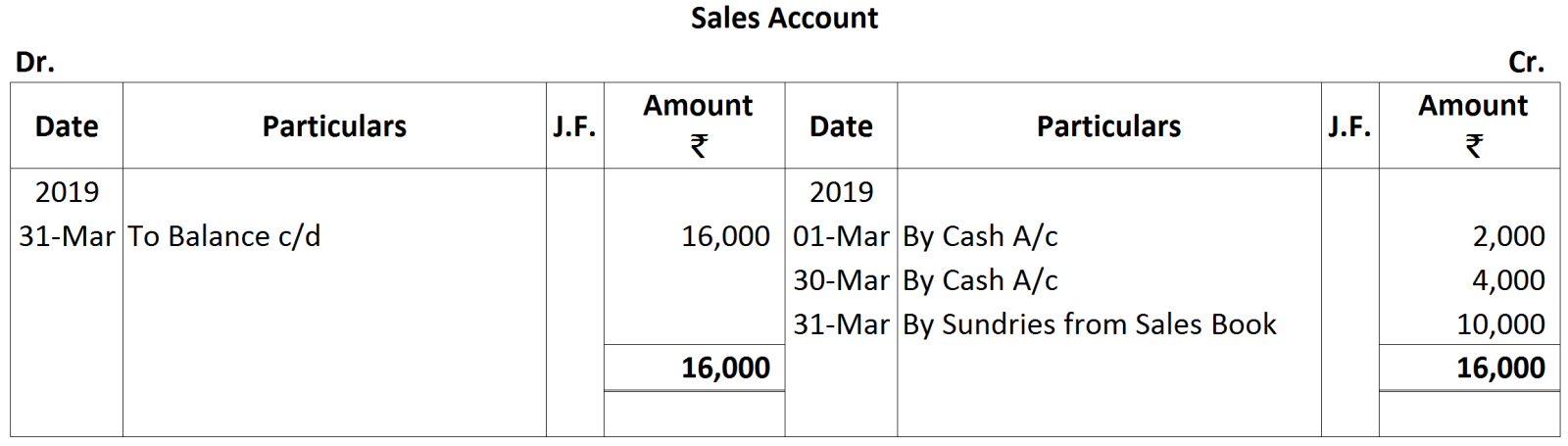
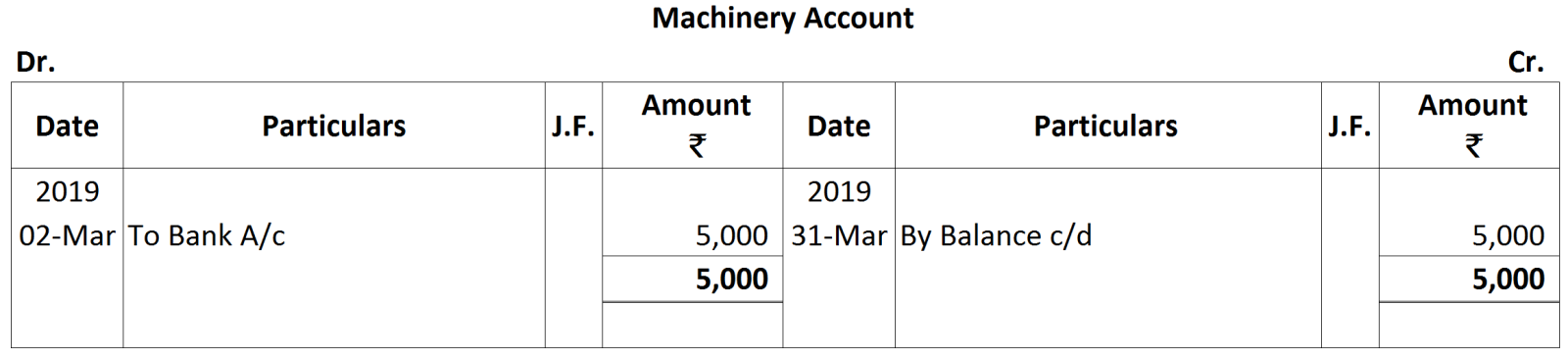
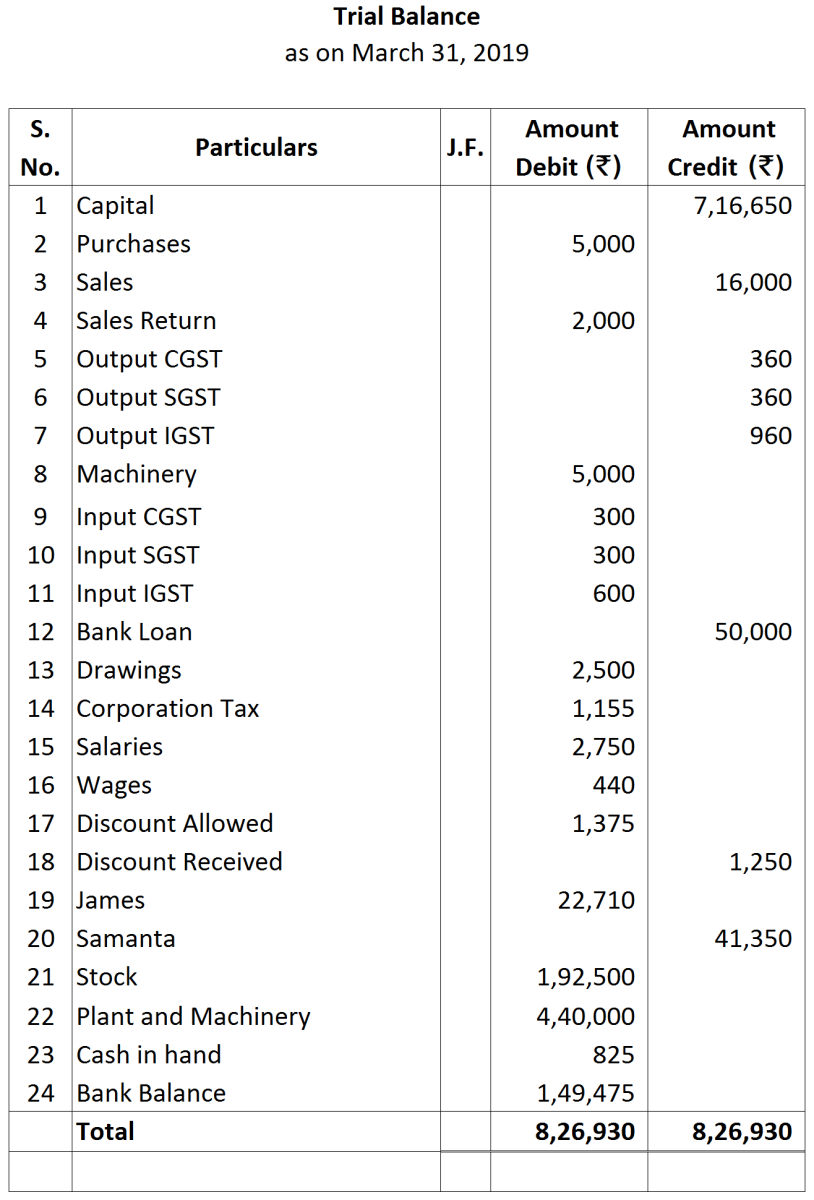
R. Chetan, Kolkata has the following balances in his books on 1st March, 2019: Cash ₹ 15,400; Cash at Bank ₹ 82,500; Stock ₹ 1,92,500; Plant and Machinery ₹ 4,40,000. Sundry Debtors: Rajesh ₹ 27,500; James ₹ 13,750. Sundry Creditors: Rao ₹ 19,250, Samanta; ₹ 35,750; Capital ₹ 7,16,650. The following are the transactions for the month of March 2019:
Transactions marked with (*) are intra-state transactions subject to CGST and SGST @ 6% each. Transactions marked with (**) are inter-state transactions subject to IGST @ 12%. Record these transactions in his subsidiary books, post to the Ledger and prepare a Trial Balance as on 31st March, 2019.
Answer
Solution is as follows.


View full question & answer
Question 226 Marks
On 1st January, 2019, Ram of Kolkata commenced business with a capital of ₹ 50,000 and entered into following transactions:
Pass the following transactions through proper books to the Ledger. Take out a Trial Balance as on 31st January, 2019. The Cash Book must be balanced.
2019  
Jan. 1 Opened a Bank Account and Deposited ........ 12,500
  Purchased Goods against Cash Payment* ........ 20,000
  Purchased furniture for Shop* ........ 5,000
  Sold goods to R. Raman, Kolkata* ........ 5,000
Jan. 2 Bought goods from Man Mohan, Delhi** ........ 10,000
Jan. 3 Bought stationery and paid by cash ........ 1,000
Jan. 5 Received cash from R. Raman ........ 5,300
  Discount allowed to him ........ 300
Jan. 6 Sold goods to Bimal, Kolkata* ........ 7,500
Jan. 8 Bimal returned part of the goods supplied on the 6th instant ........ 1,500
Jan. 10 Paid cash into bank ........ 1,000
Jan. 12 Paid wages ........ 1,500
Jan. 13 Bought on credit from the Union Furniture Co., Kolkata office desk* ........ 1,500
Jan. 19 Paid wages ........ 1,500
Jan. 21 Paid to Man Mohan by cheque ........ 10,700
  Discount received ........ 500
Jan. 21 Sold goods to Ramesh, Guwahati including IGST** ........ 6,720
Jan. 22 Received cheque from Bimal ........ 6,000
Jan. 23 Bought goods from Man Mohan, Delhi** ........ 7,000
Jan. 24 Drew by cheque for personal use ........ 2,000
Jan. 27 Paid wages ........ 1,500
Jan. 31 Rent due to landlord* ........ 1,000
Transactions marked with (*) are intra-state transactions subject to CGST and SGST @ 6% each.
Transactions marked with (**) are inter-state transactions subject to IGST @ 12%.
View full question & answer
Question 236 Marks
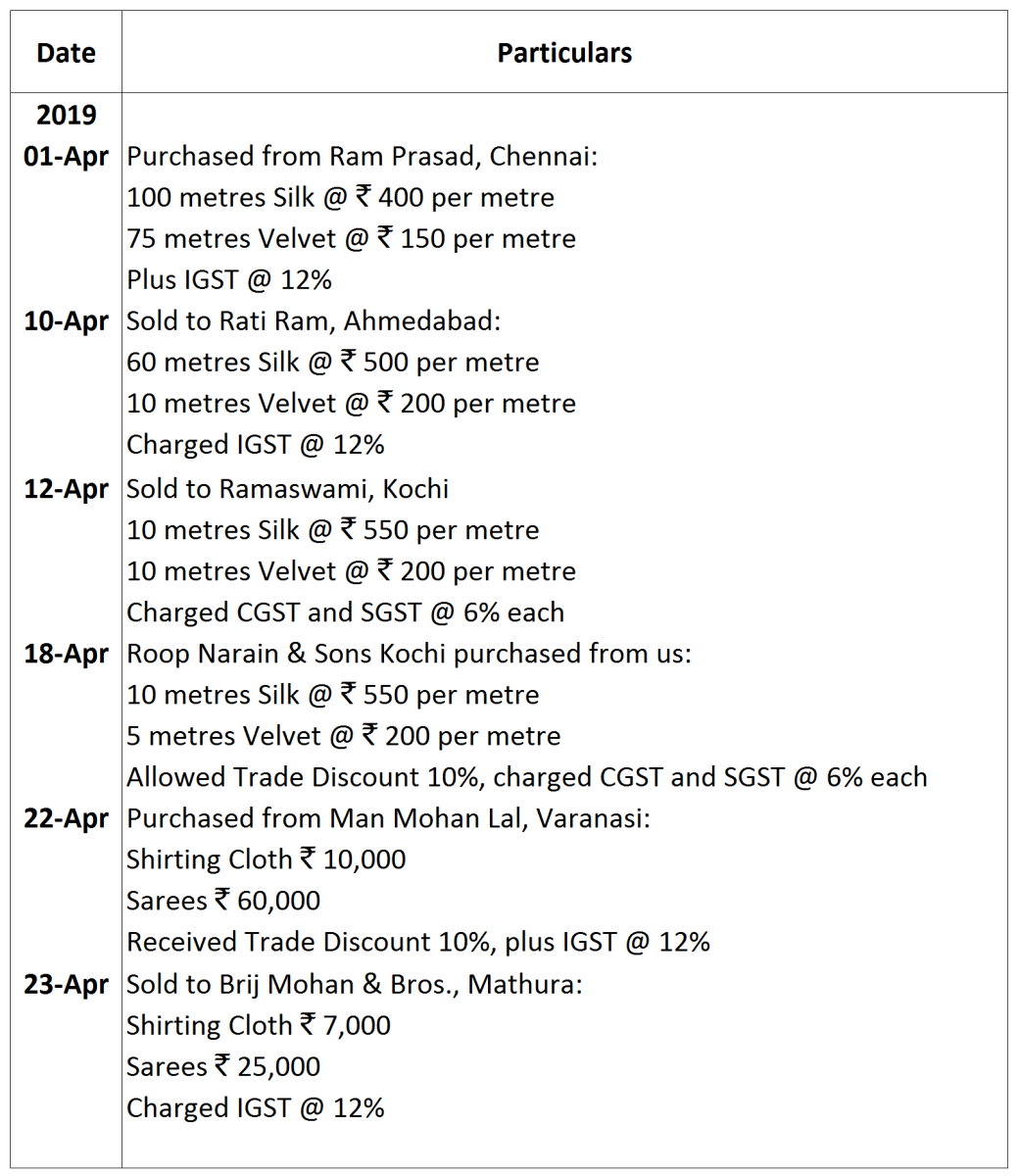
Write up Purchases and Sales Books from the following transactions of Kalyan Silks, Kochi, Kerala given for April, 2019 and post the totals in the Ledger.
View full question & answer
Question 246 Marks
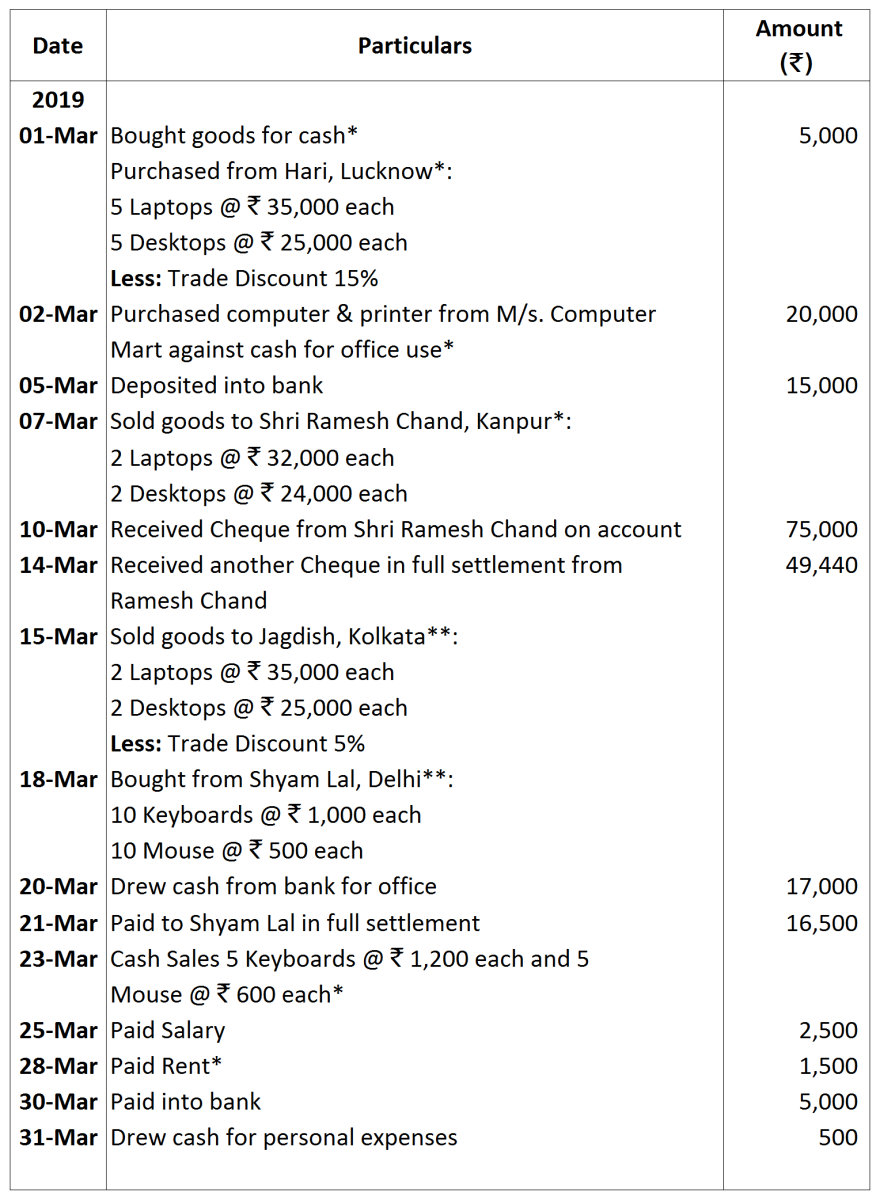
On 1st March, 2019, Shri Kailash Chand, Lucknow commenced business with cash ₹ 50,000. The following are his transactions for the month of March, 2019. Record them in proper books, post them to the Ledger and take out a Trial Balance:
Transactions marked with (*) are intra-state transactions subject to CGST and SGST @ 6% each. Transactions marked with (**) are inter-state transactions subject to IGST @ 12%.
View full question & answer
6 Marks Question - Account STD 11 Commerce Questions - Vidyadip