Questions

4 Marks Question

🎯

Test yourself on this topic

37 questions · timed · auto-graded

Question 14 Marks
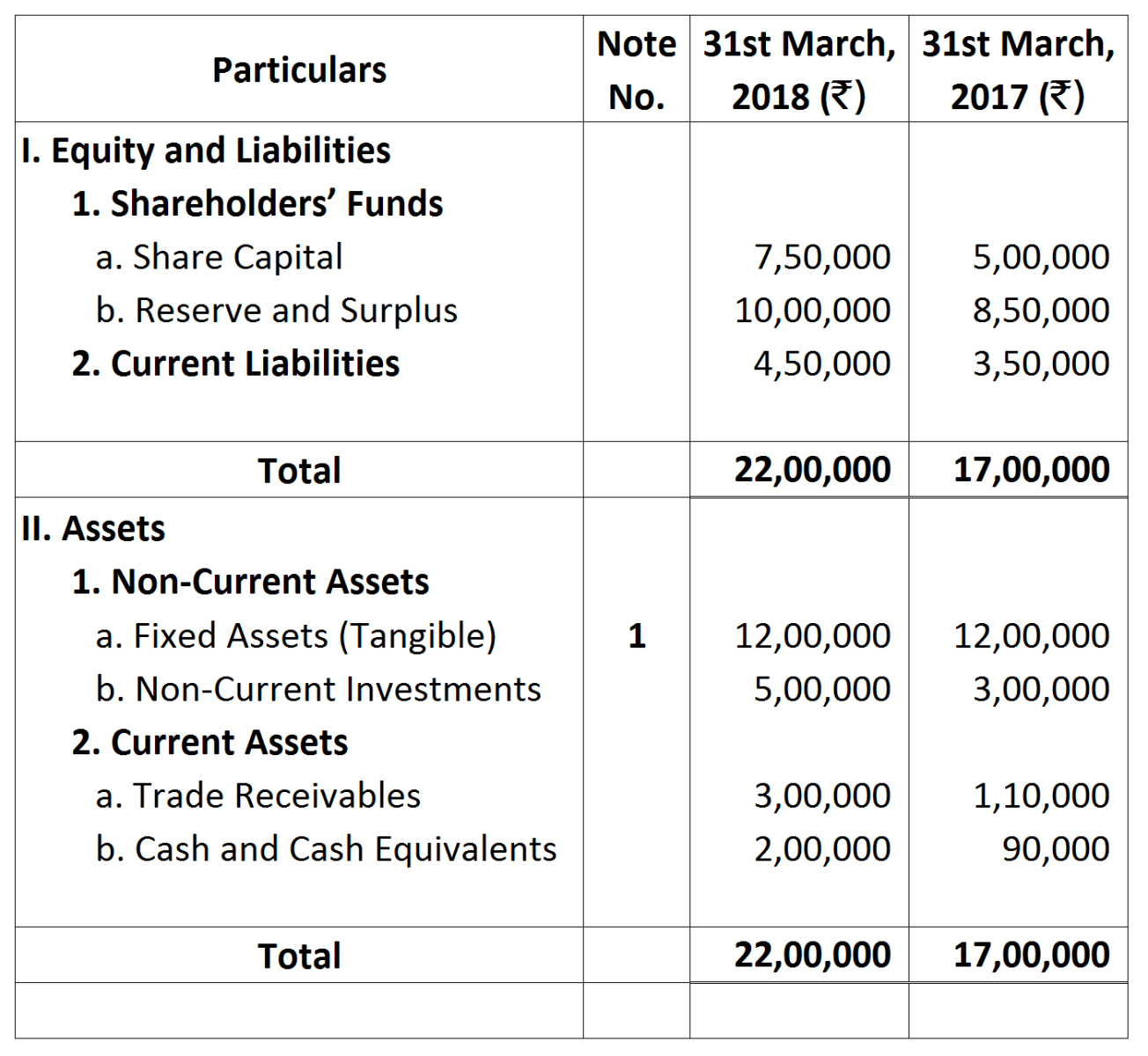
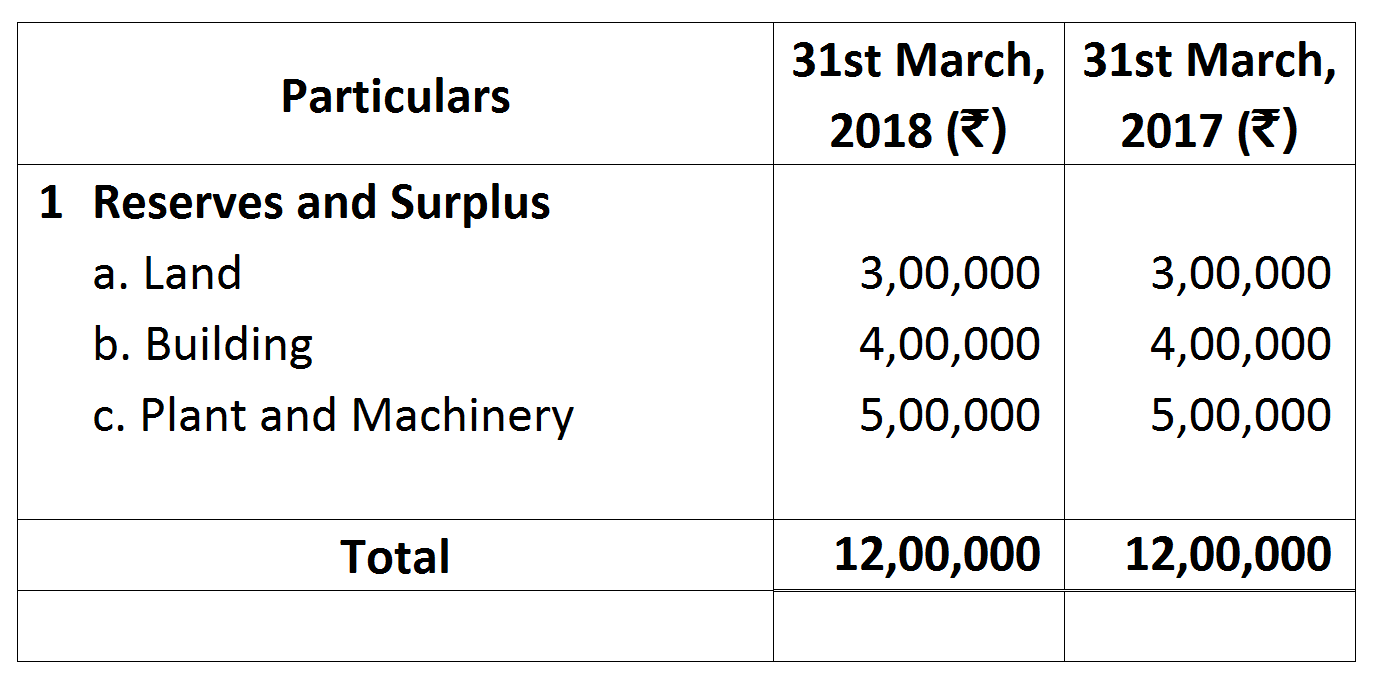
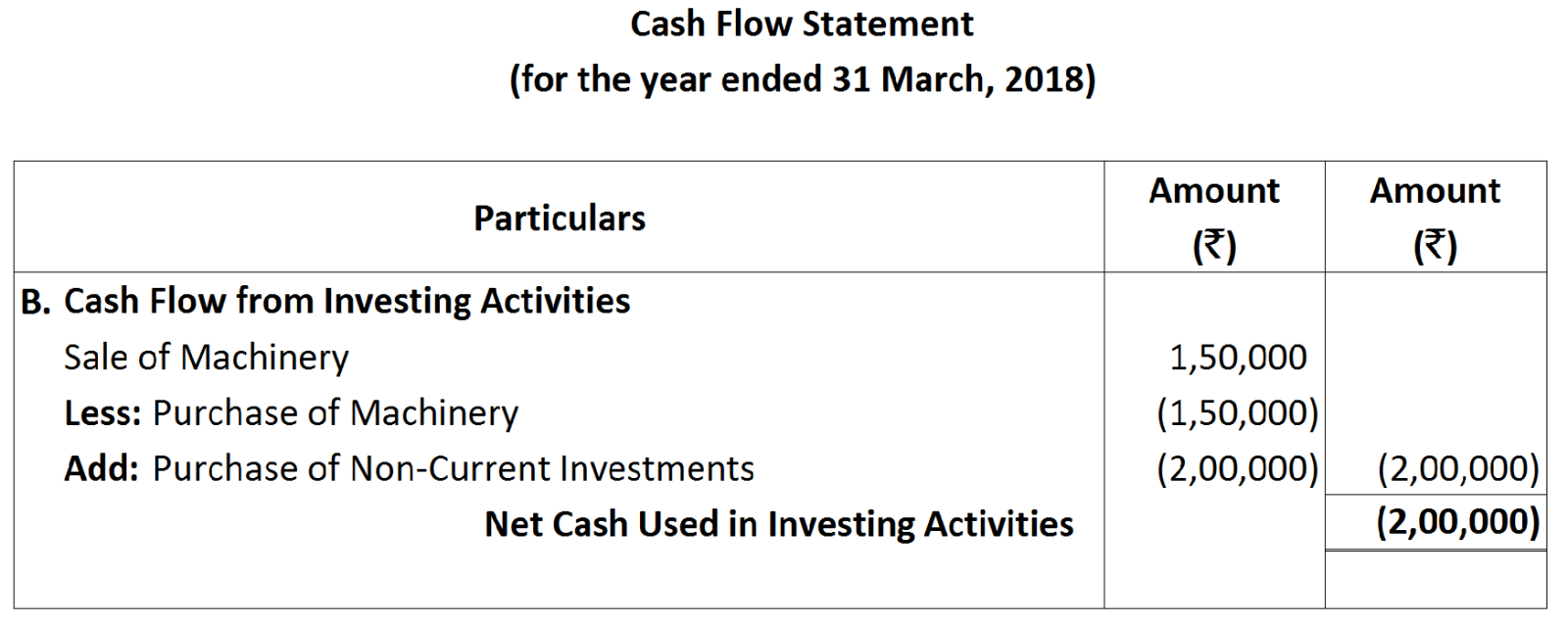
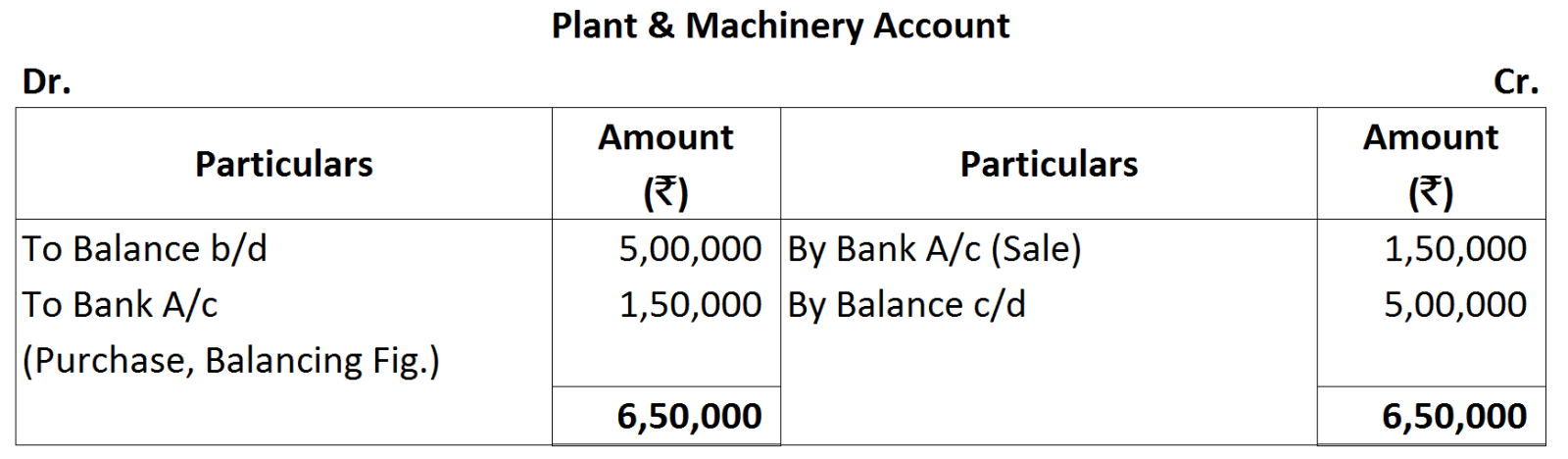
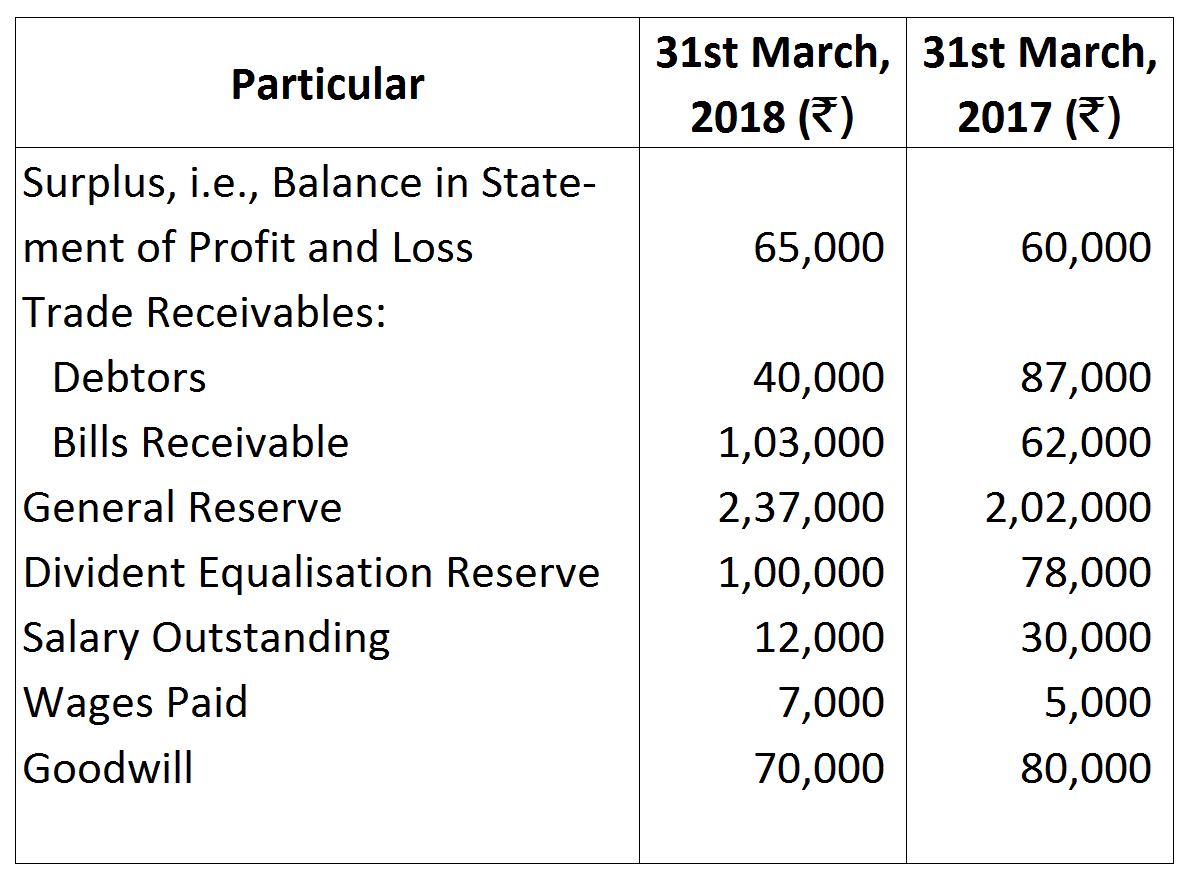
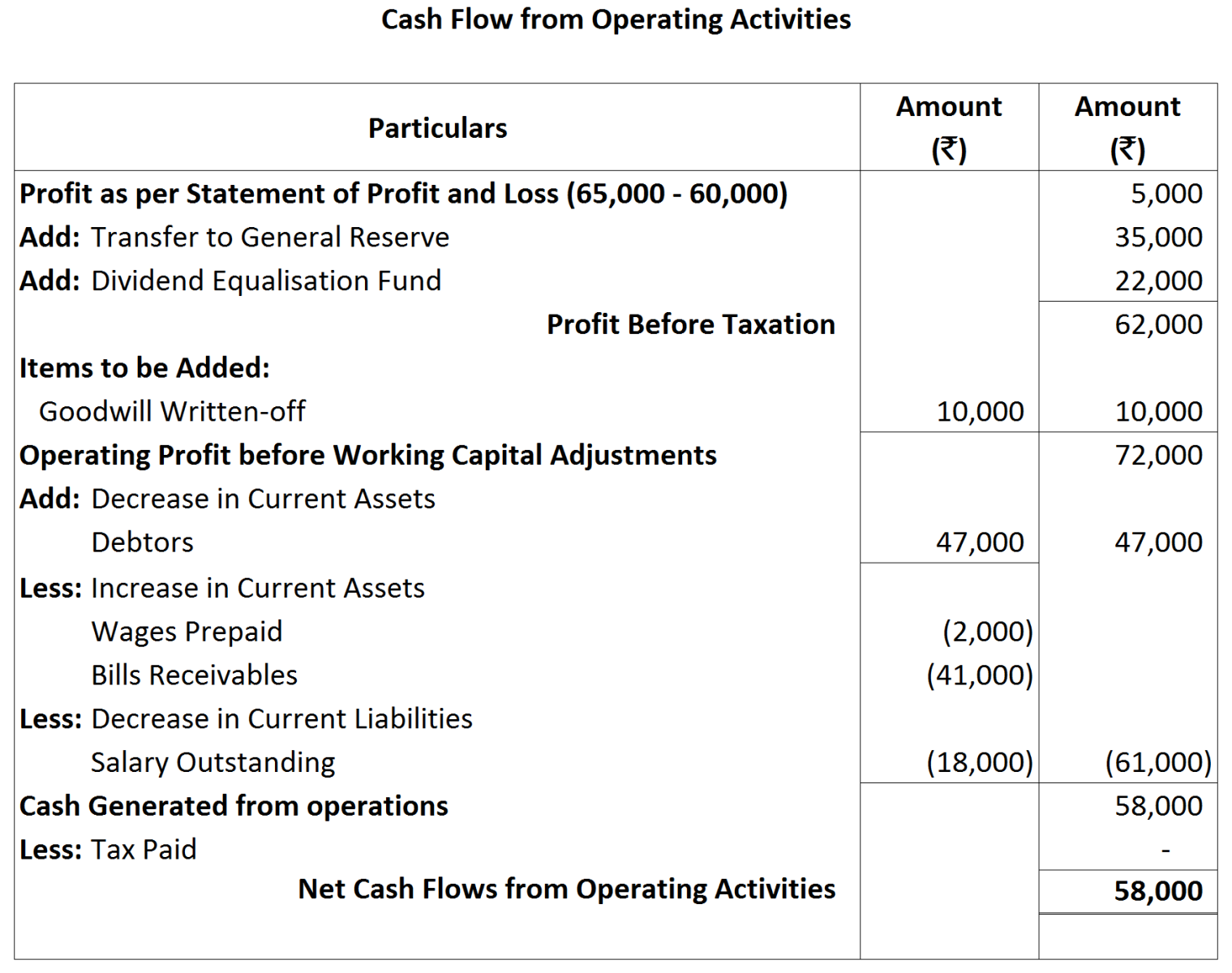
From the following information and Balance Sheet of Double Tree Ltd. as at 31st March, 2018, calculate Operating Profit before Working Capital Changes: Notes to Account:
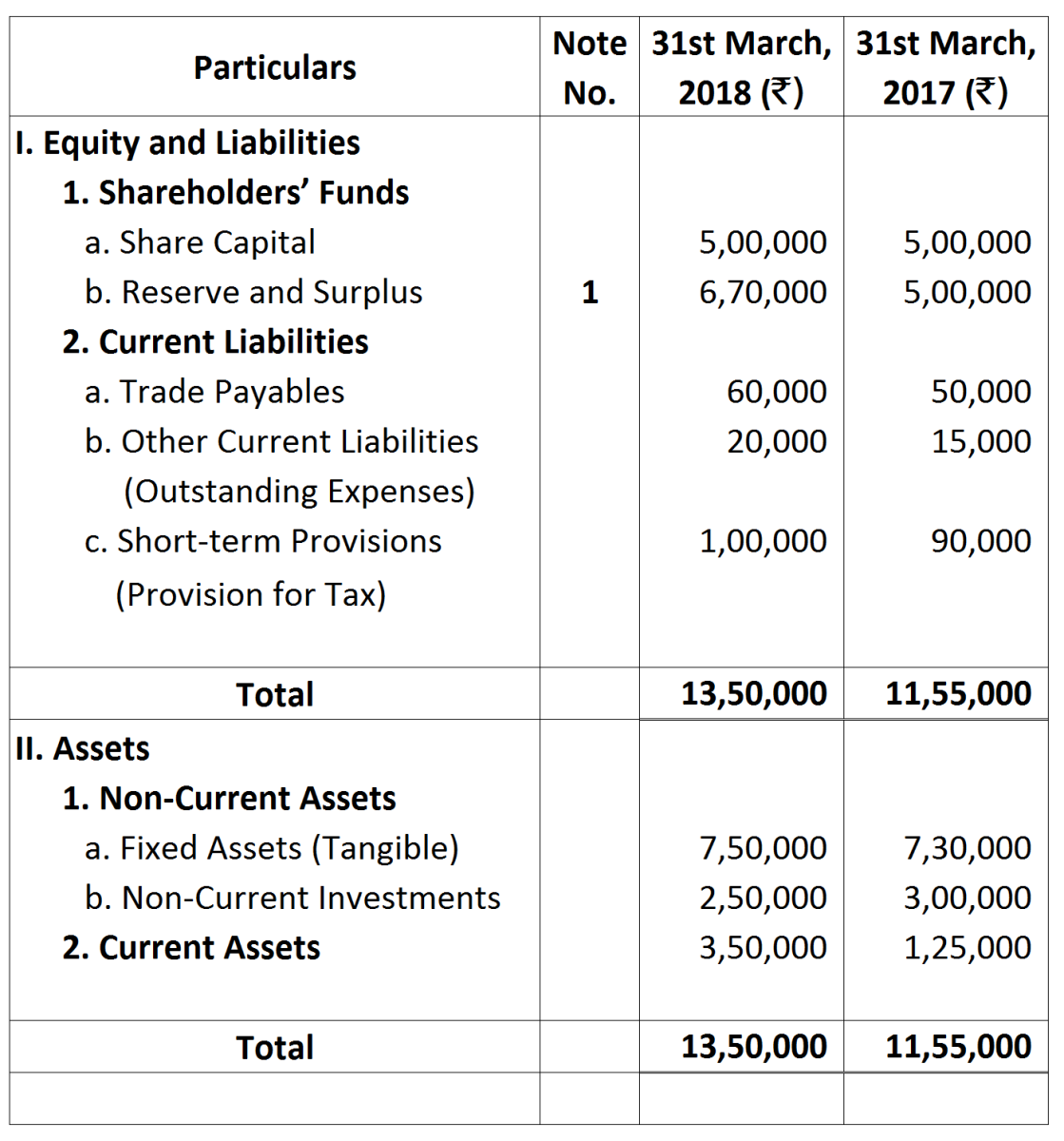
Additional Information: Depreciation for the year was ₹ 75,000.
View full question & answer
Question 24 Marks
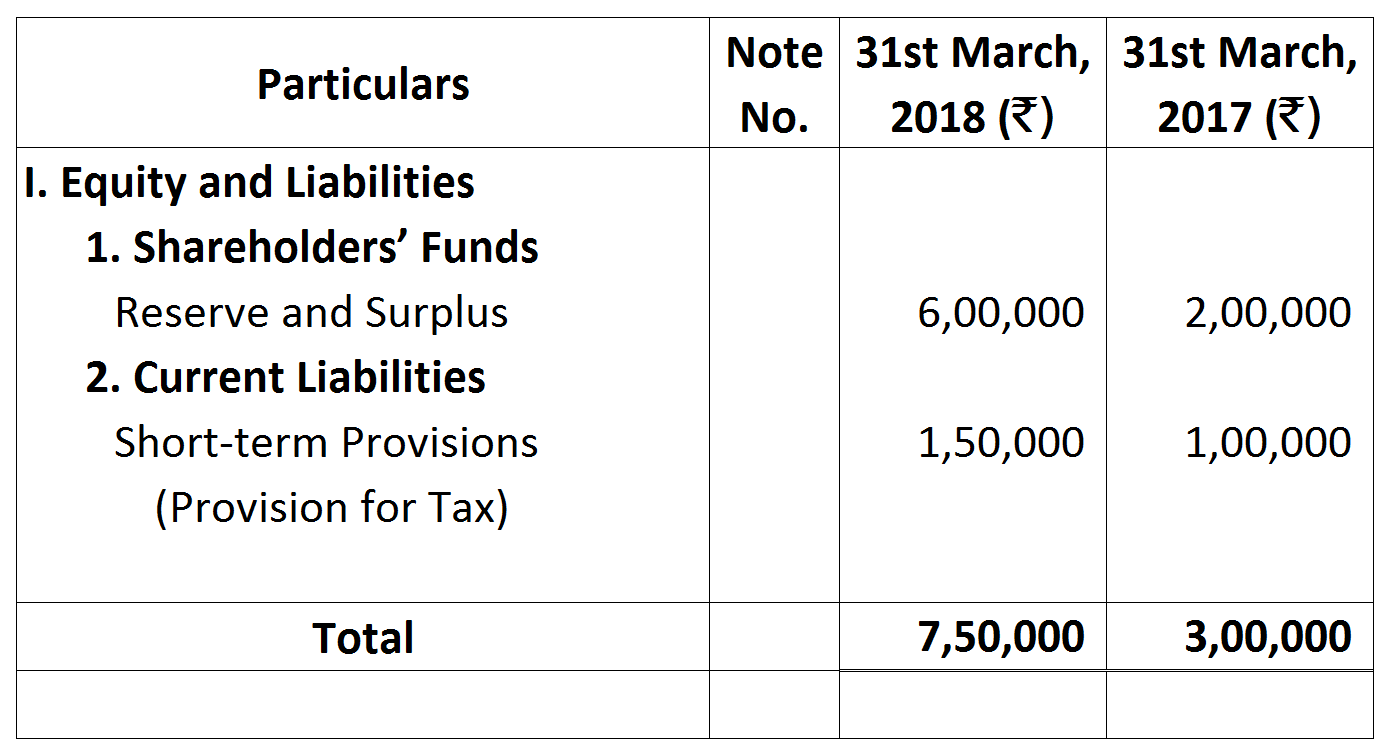
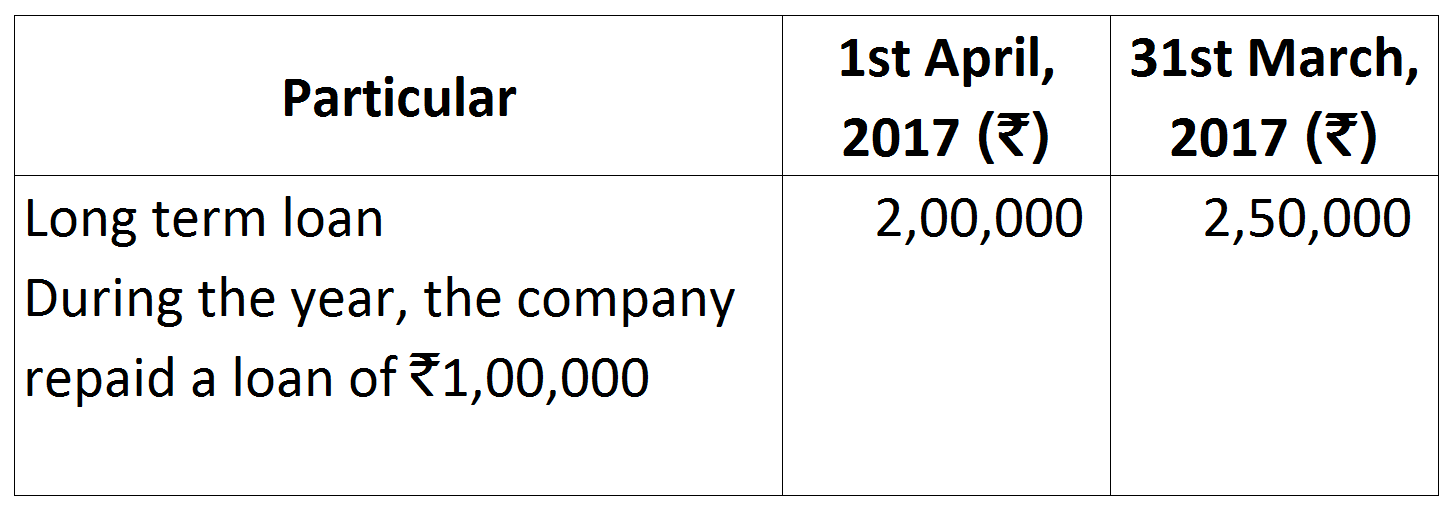
From the following you are required to calculate Cash Flow from Operating Activities:
Answer

Note: Dividend Equalisation Fund is the amount of profits that are reserved for distributing the dividends in the future. Hence, it is an appropriation of profits and thus, it is added back to the profits.
View full question & answer
Question 54 Marks
Grand Hospitality Ltd., reported Net Profit after Tax of ₹ 6,40,000 for the year ended 31st March,2018. The relevant extract from Balance Sheet as at 31st March, 2018 is:
Particulars
31st March, 2018 ₹
31st March, 2017 ₹
Inventories
Trade Receivables
Prepaid Expenses
Trade Payables
Provision for Tax
1,15,000
1,50,000
20,000
1,10,000
20,000
1,25,000
1,10,000
6,000
80,000
15,000
Depreciation charged on Plant and Machinery ₹ 55,000, insurance claim received 50,000, gain (profit) on sale of investment ₹ 20,000 appeared in the Statement of Profit and Loss for the year ended 31 st March, 2018. Calculate Cash Flow from Operating Activities
View full question & answer
Question 64 Marks
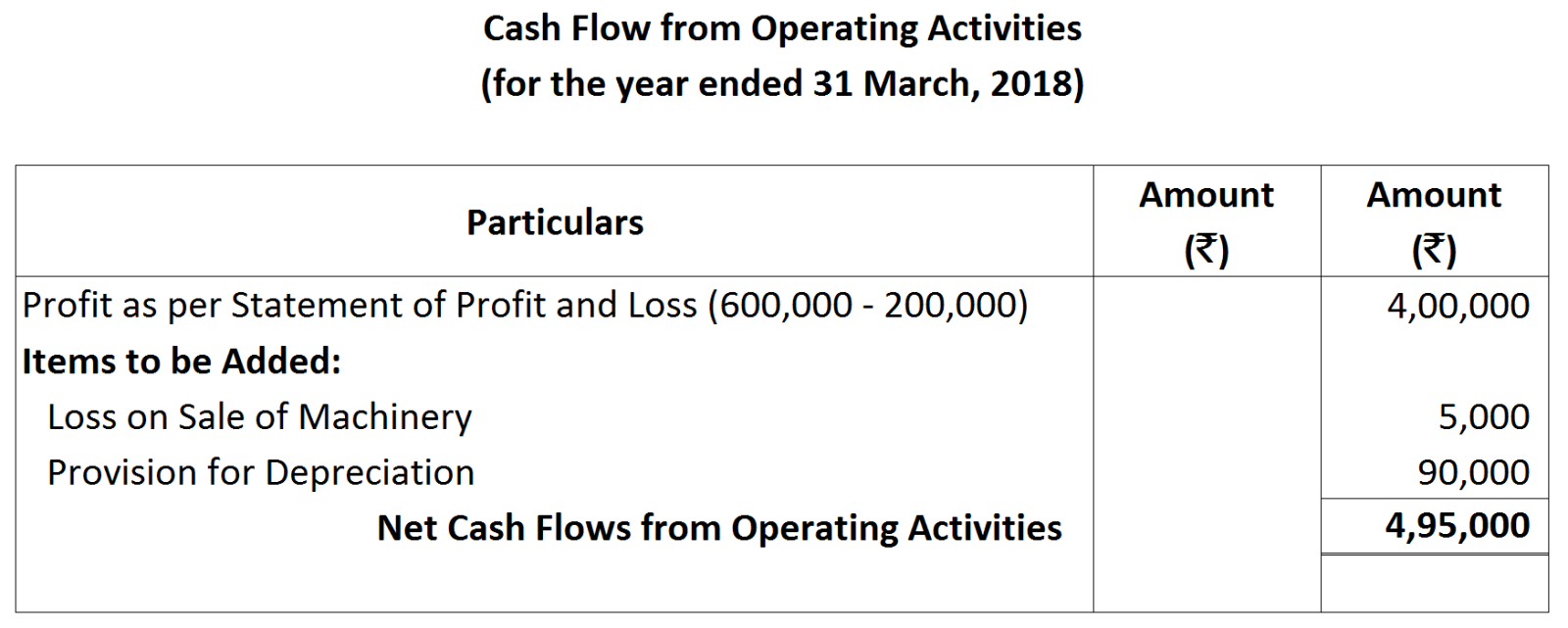
Compute Cash Flow from Operating Activities from the following:
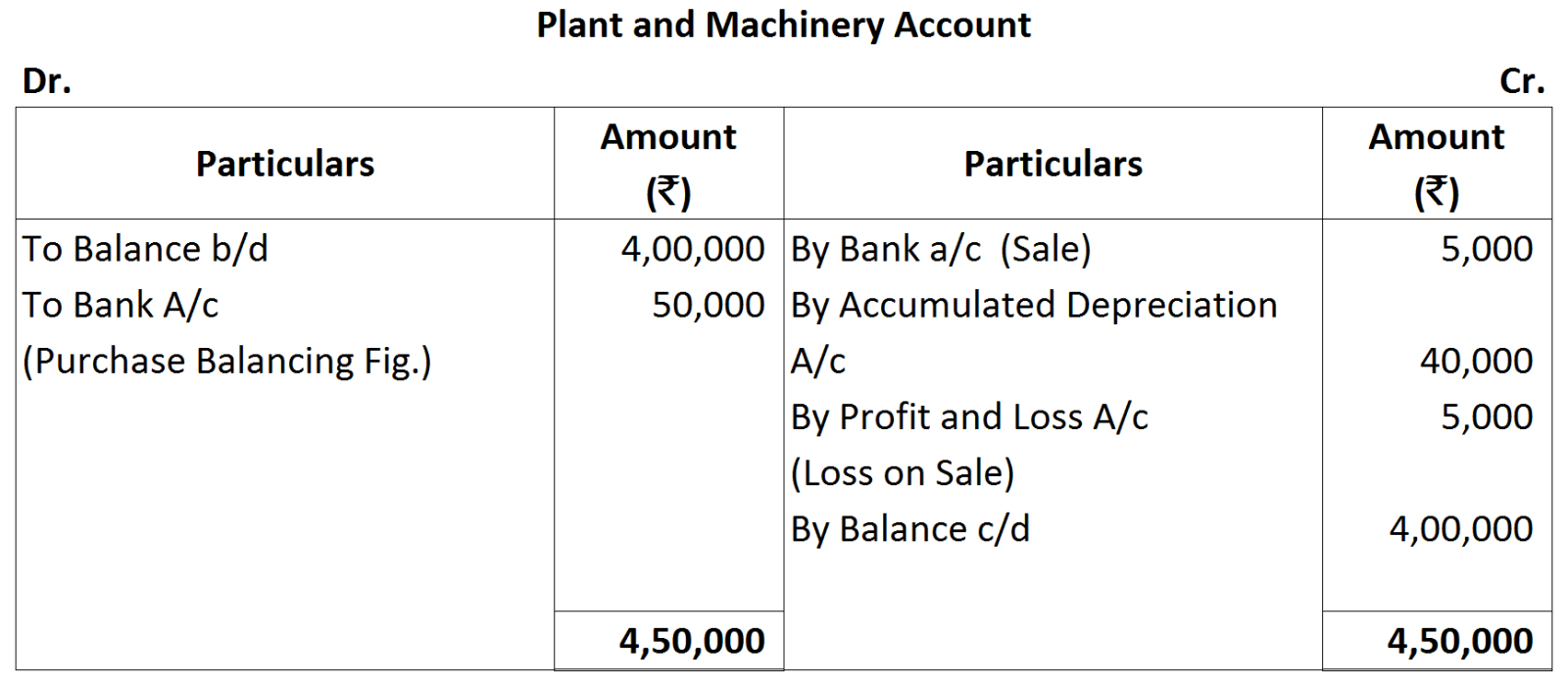
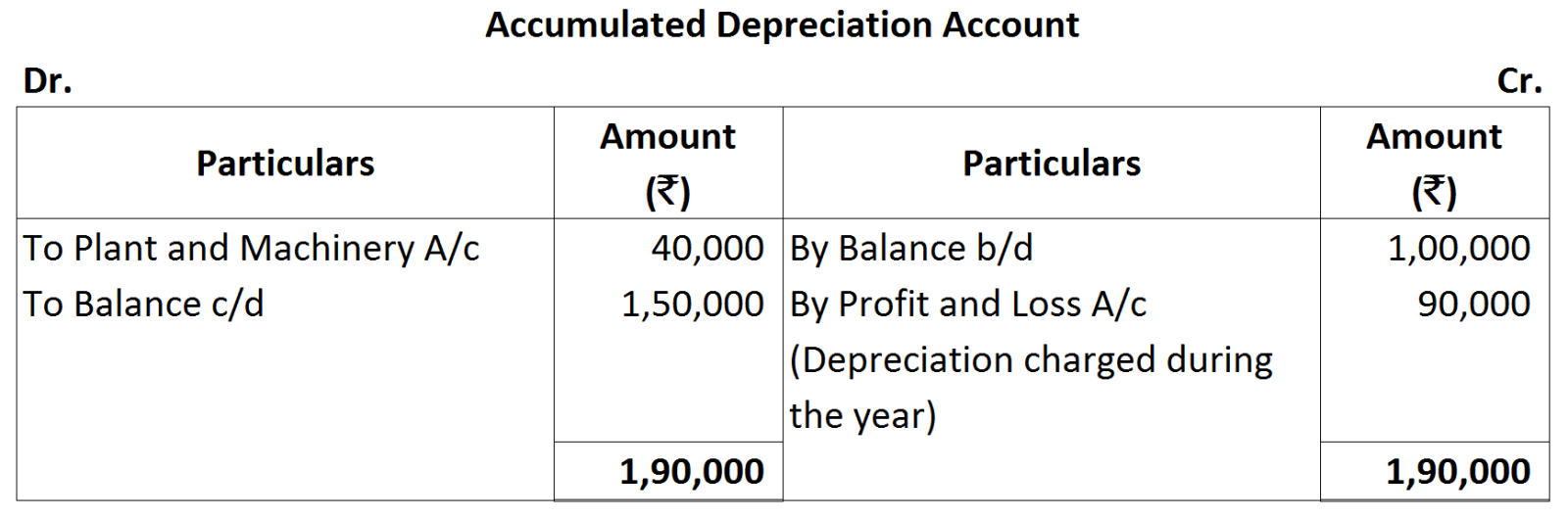
Additional information: during the year, apart of machinery ₹ 50,000 (accumulated depreciation thereon ₹ 40,000) was sold for ₹ 5,000.
Answer

Working Notes:

View full question & answer
Question 74 Marks
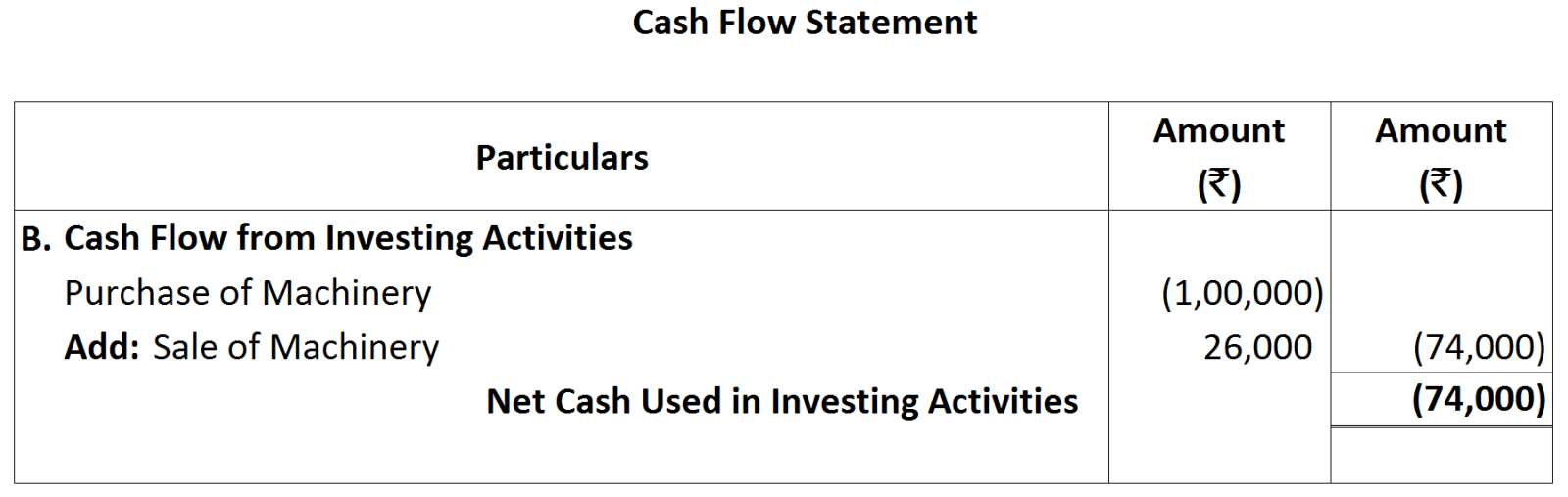
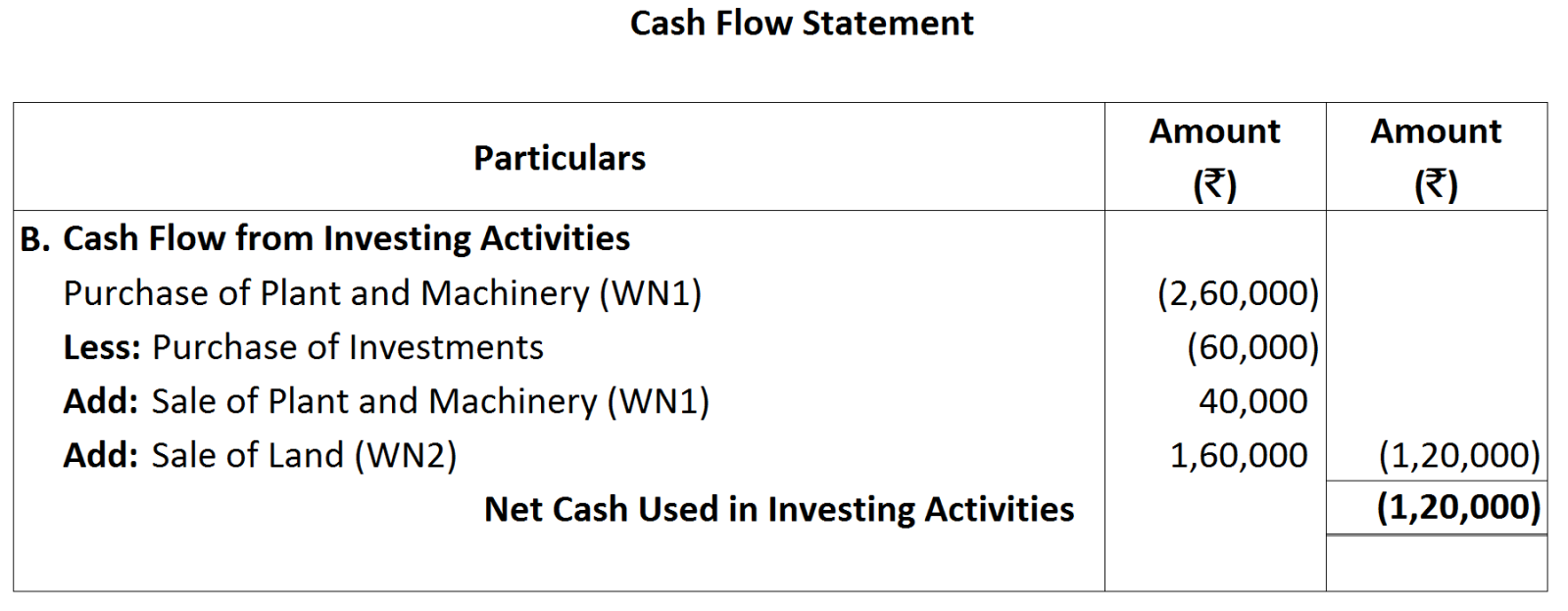
From the following information, calculate Cash Flow from Investing Activities:
Particulars
31st March, 2018 ₹
31st March, 2017 ₹
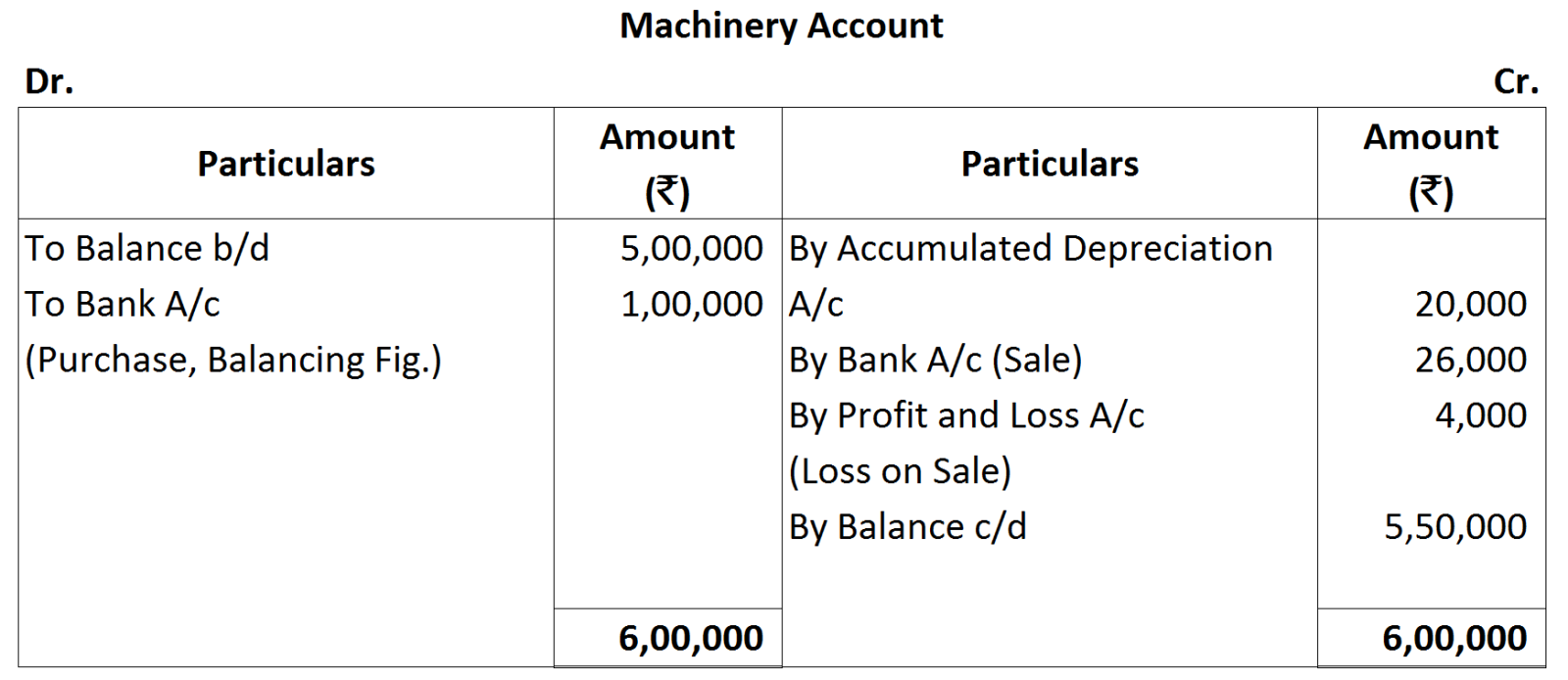
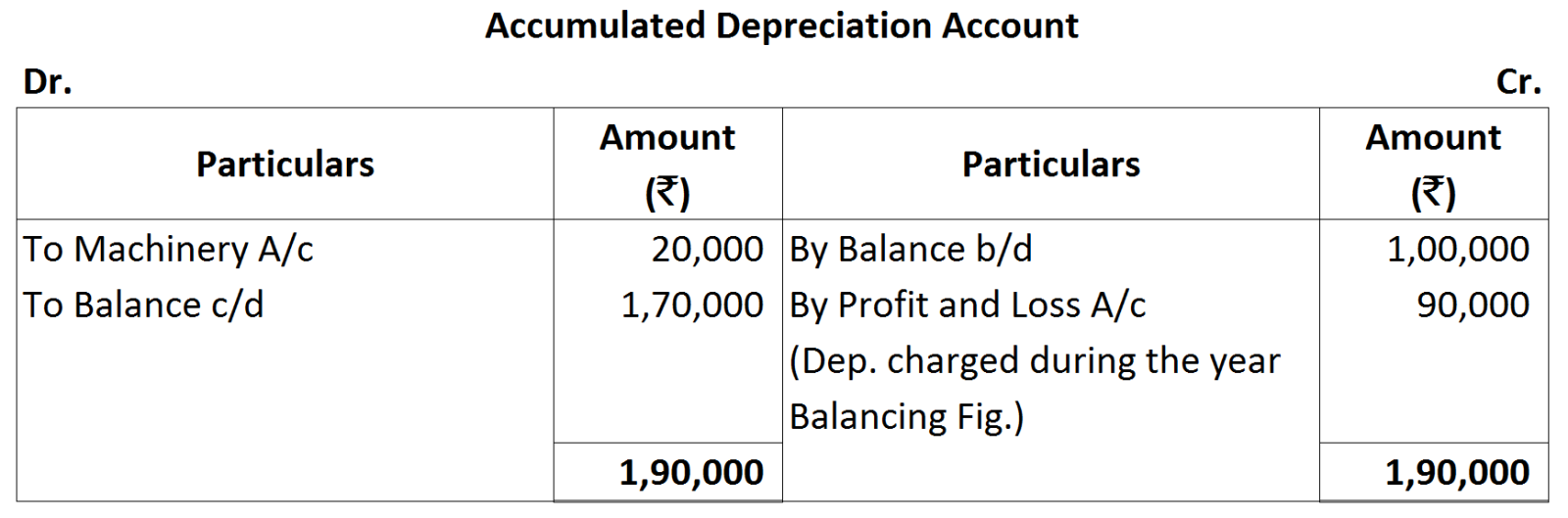
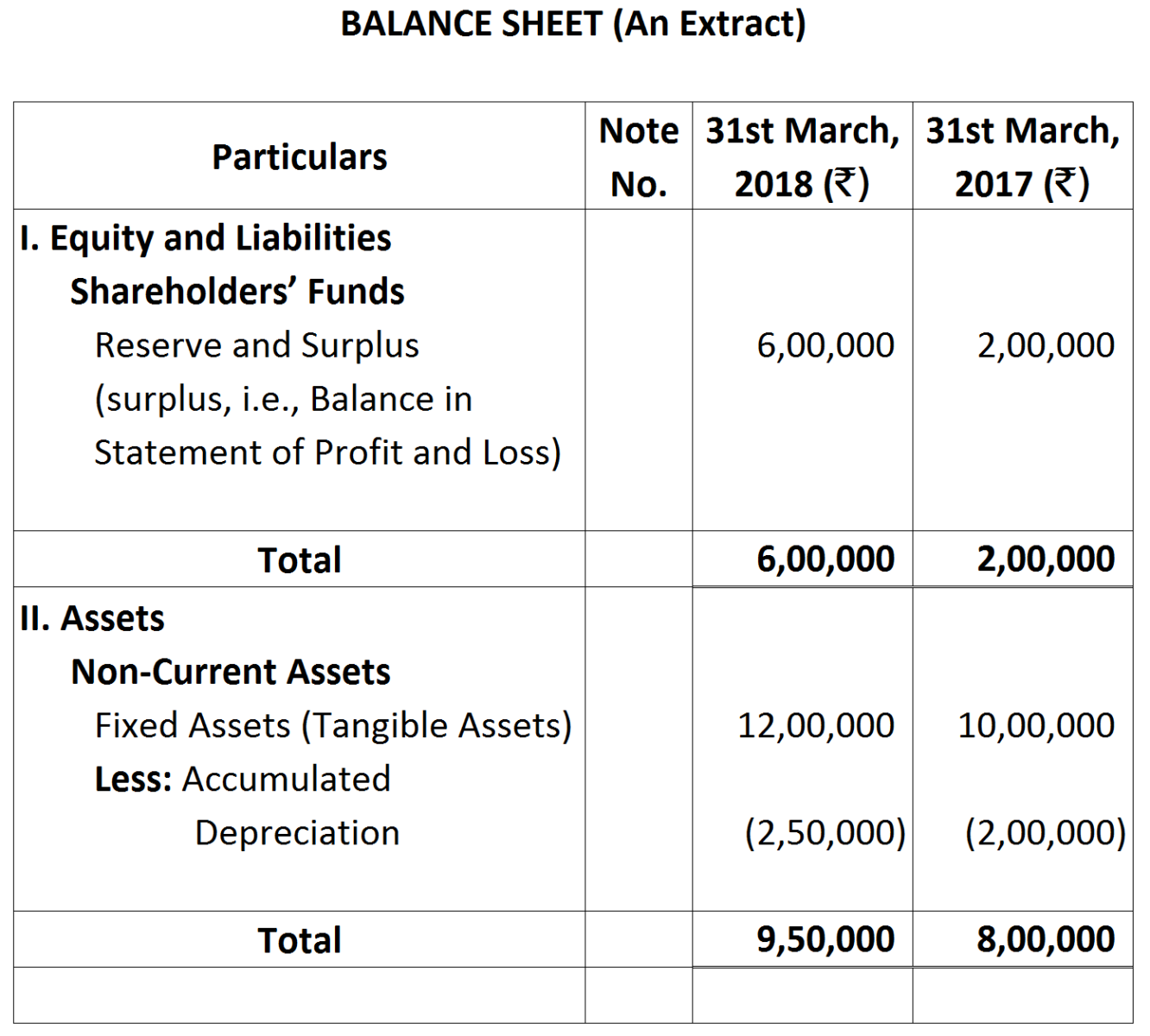
Machinery (At cost) 5,50,000 5,00,000
Accumulated Depreciation 1,70,000 1,00,000
During the year, a machinery costing ₹ 50,000 (accumulated depreciation₹ 20,000) was sold for ₹ 26,000.
Answer

Working Notes:

View full question & answer
Question 94 Marks
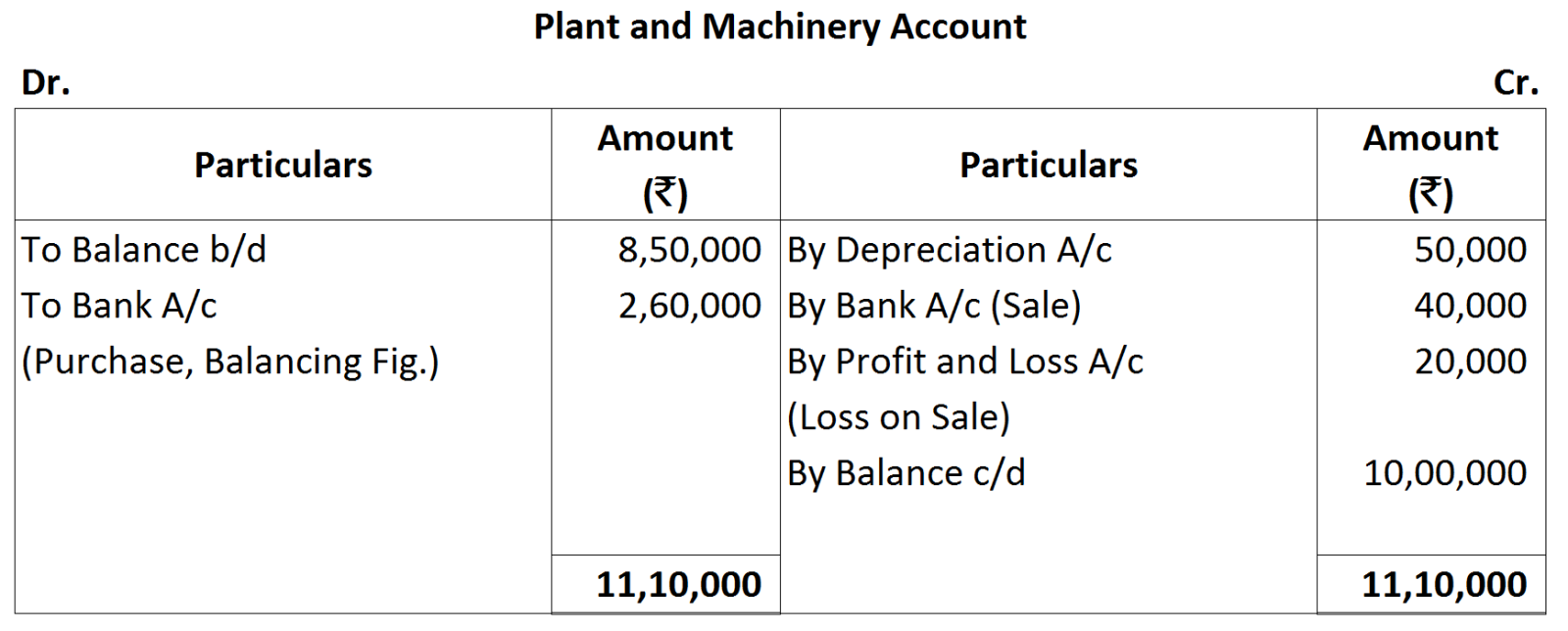
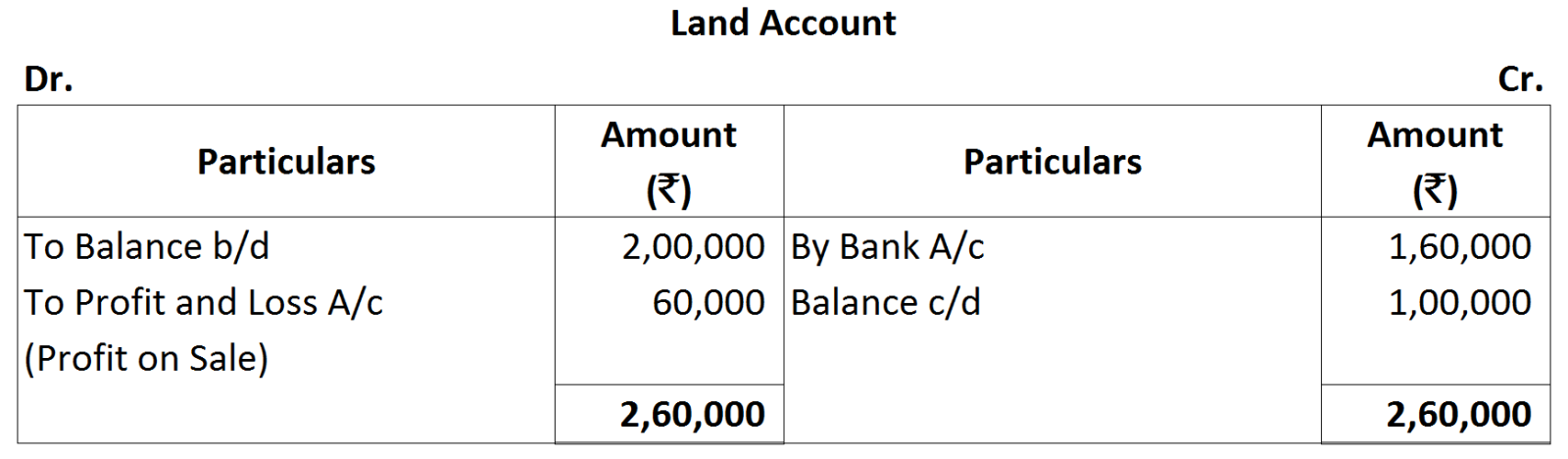
From the following information, calculate Cash Flow from Investing Activities:
Particulars
31st March, 2018 ₹
31st March, 2017 ₹
Plant and Machinery
Investment (Long-term)
Land (At cost)
10,00,000
1,00,000
1,00,000
8,50,000
40,000
2,00,000
Additional Information:
  1. Depreciation charged on Plant and Machinery ₹ 50,000.
  2. Plant and Machinery with a Book Value of ₹ 60,000 was sold for ₹ 40,000.
  3. Land was sold at a profit of ₹ 60,000.
  4. No investment was sold during the year.
Answer

Working Notes:
WN 1:

WN 2:
View full question & answer
Question 104 Marks
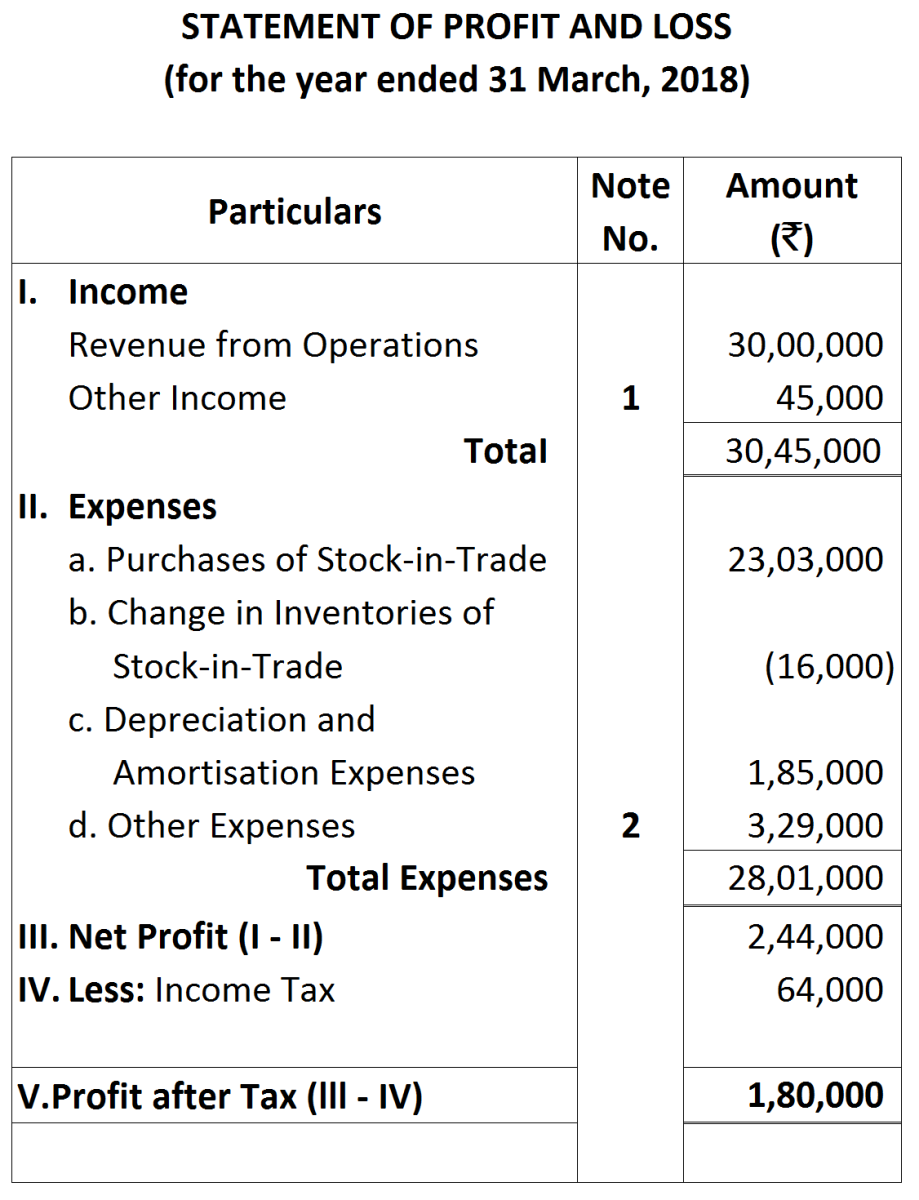
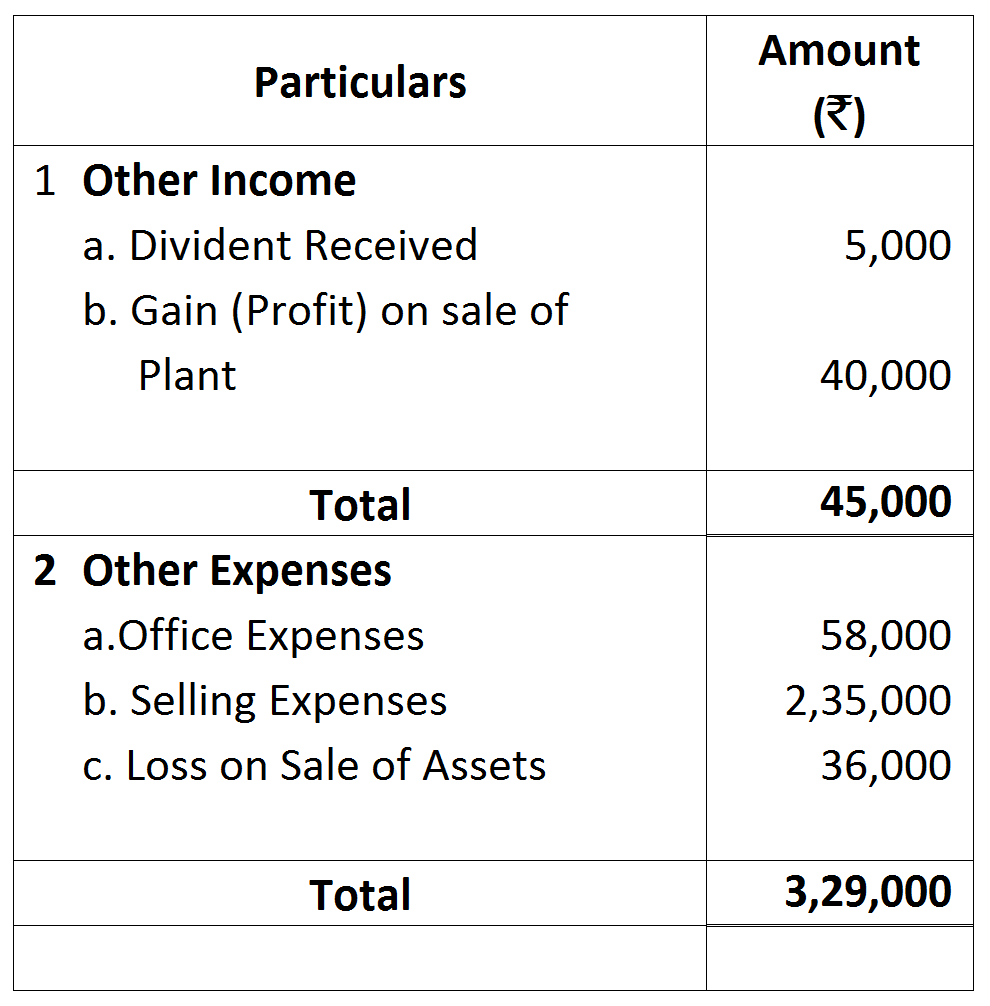
Following information is related to ABC Ltd.: Notes to Account:
Other Informatiom:
Balance as on 31st march, 2018 (₹)
Balance as on 31st march, 2017 (₹)
Trade paybles
2,78,000
2,50,000
Trade receivables
4,52,000
4,15,000
inventories
3,00,000
2,84,000
Office expenses Outstanding.
-
5,000
Selling expenses Outstanding.
25,000
22,000
View full question & answer
Question 114 Marks
From the following information, calculate Cash Flow from Investing Activities:
Particulars
Closing ₹
Opening ₹
Machinery (At Cost)
Accumulated Depreciation
Patents
10,00,000
1,50,000
2,00,000
9,50,000
1,10,000
3,00,000
Additional Information:
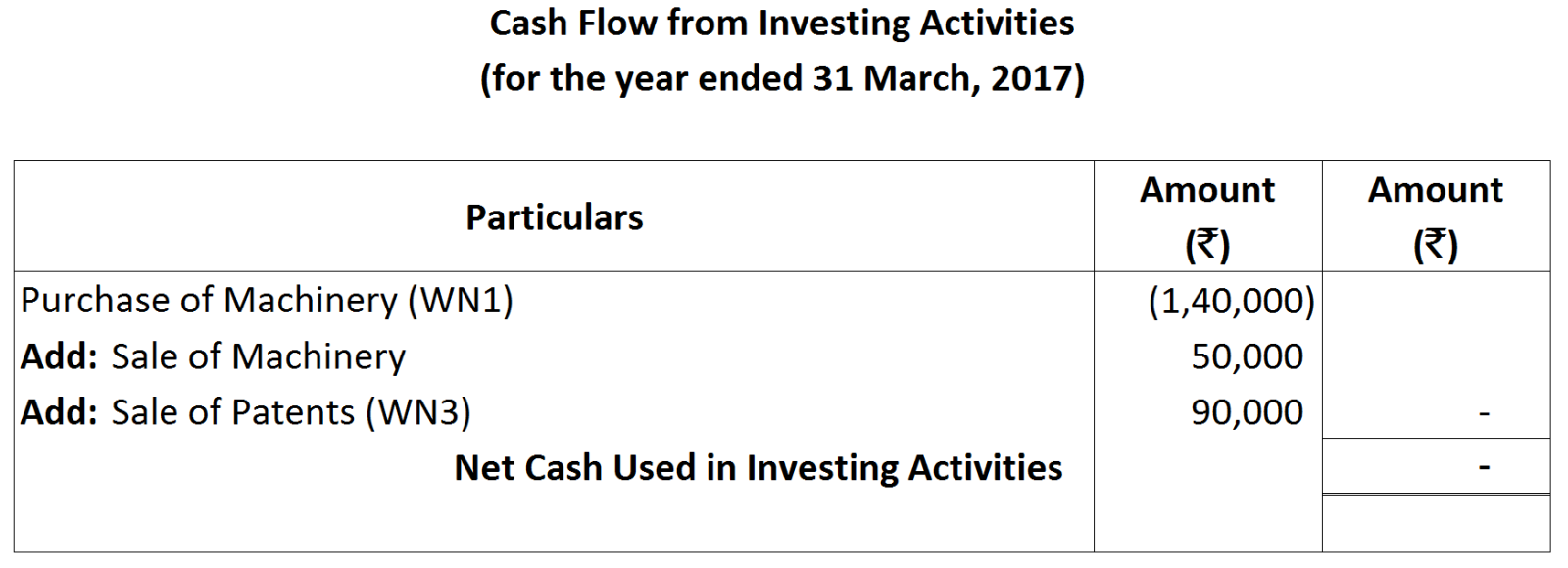
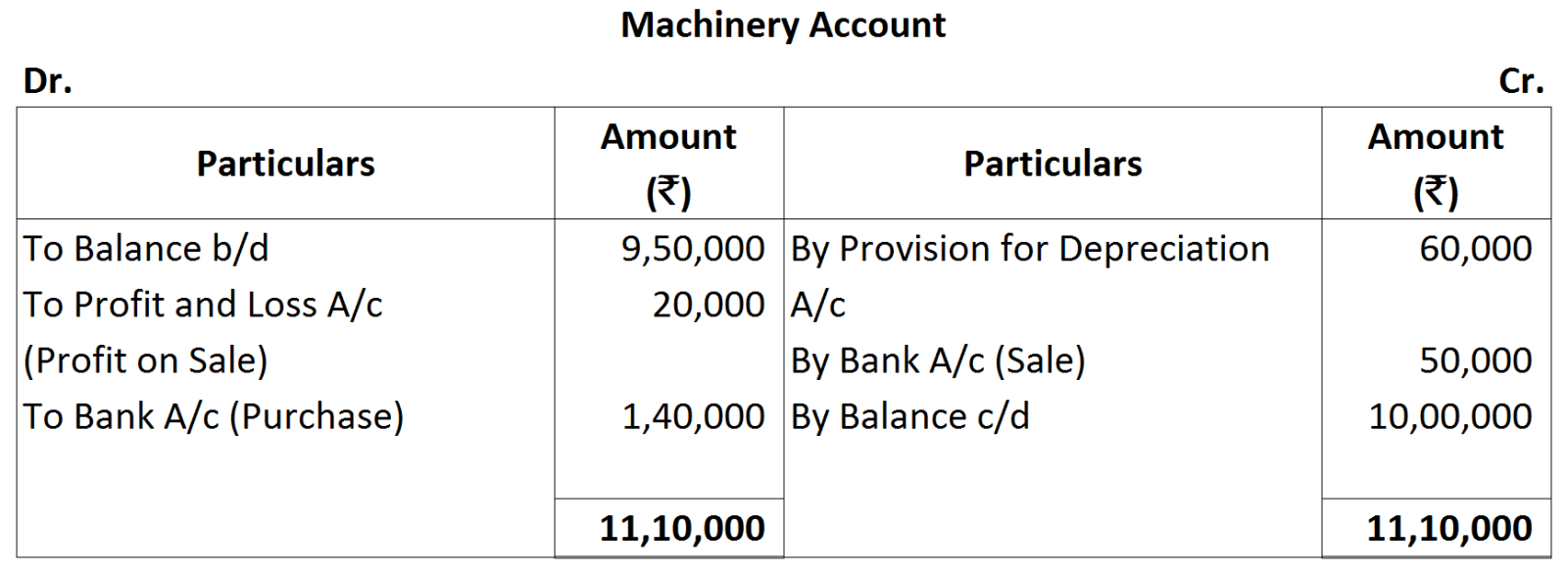
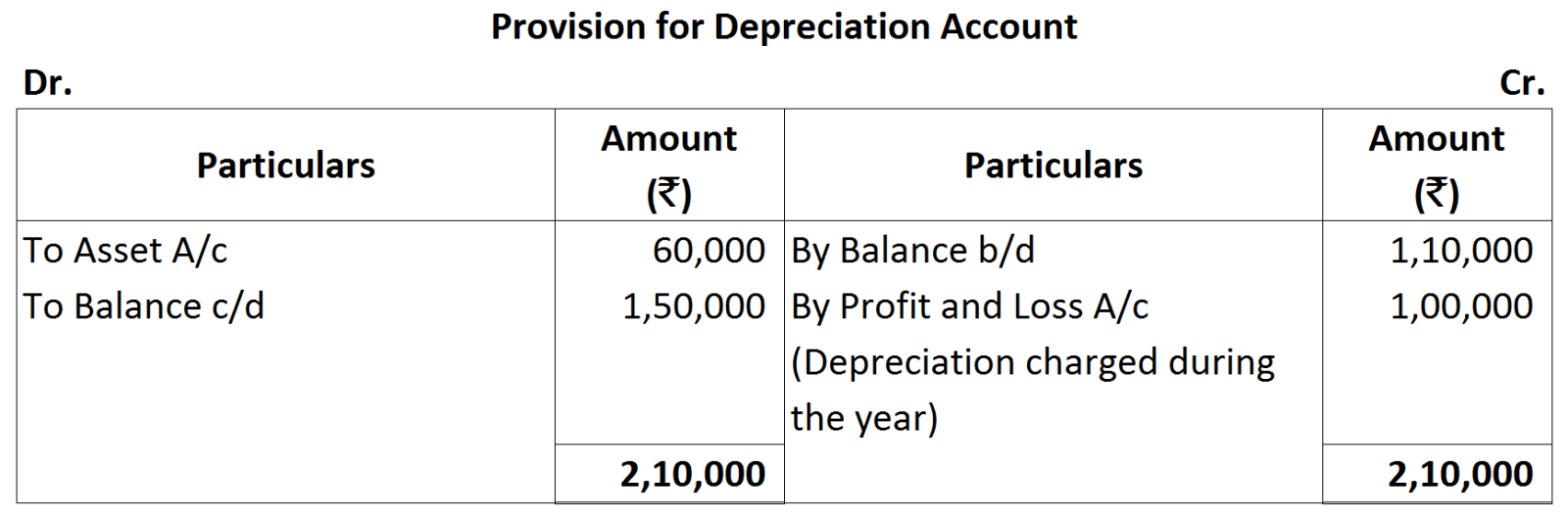
  1. During the year, machine costing ₹ 90,000 with accumulated depreciation of ₹ 60,000 was sold for ₹ 50,000.
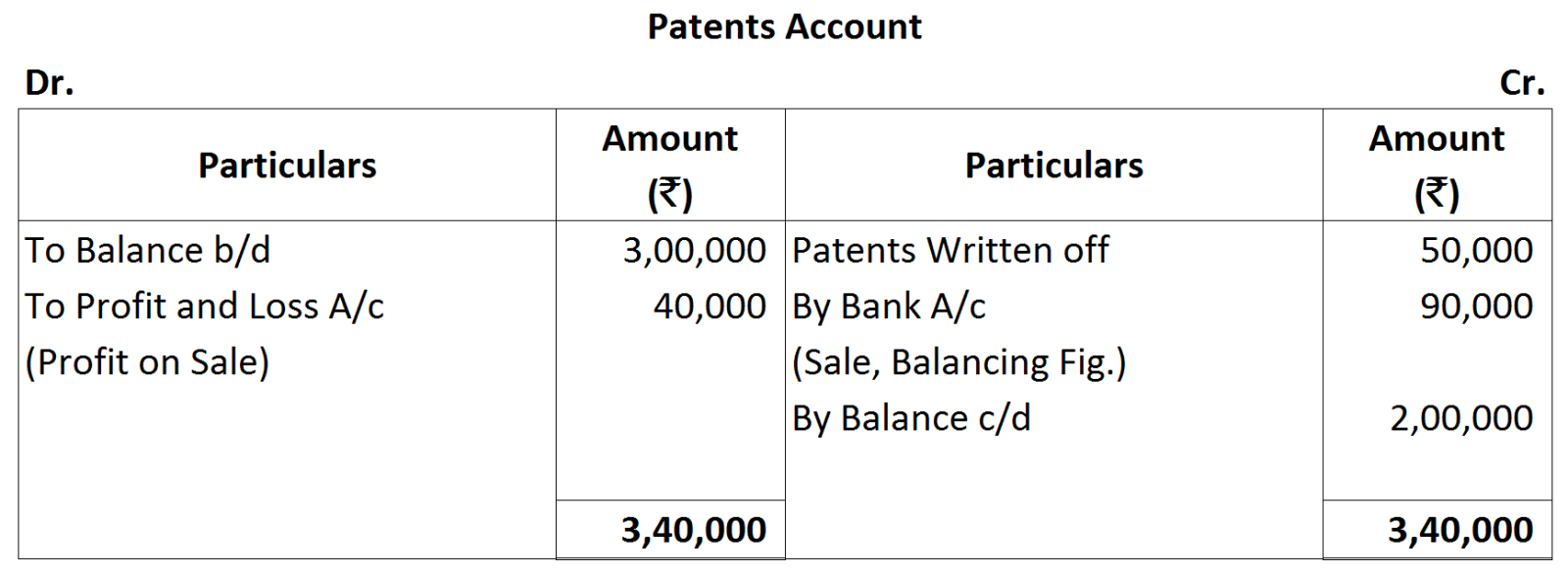
  2. Patents written off were ₹ 50,000 while a part of patents were sold at a profit of ₹ 40,000.
Answer

Working Notes:
WN 1:

WN 2:

WN 3:
View full question & answer
Question 124 Marks
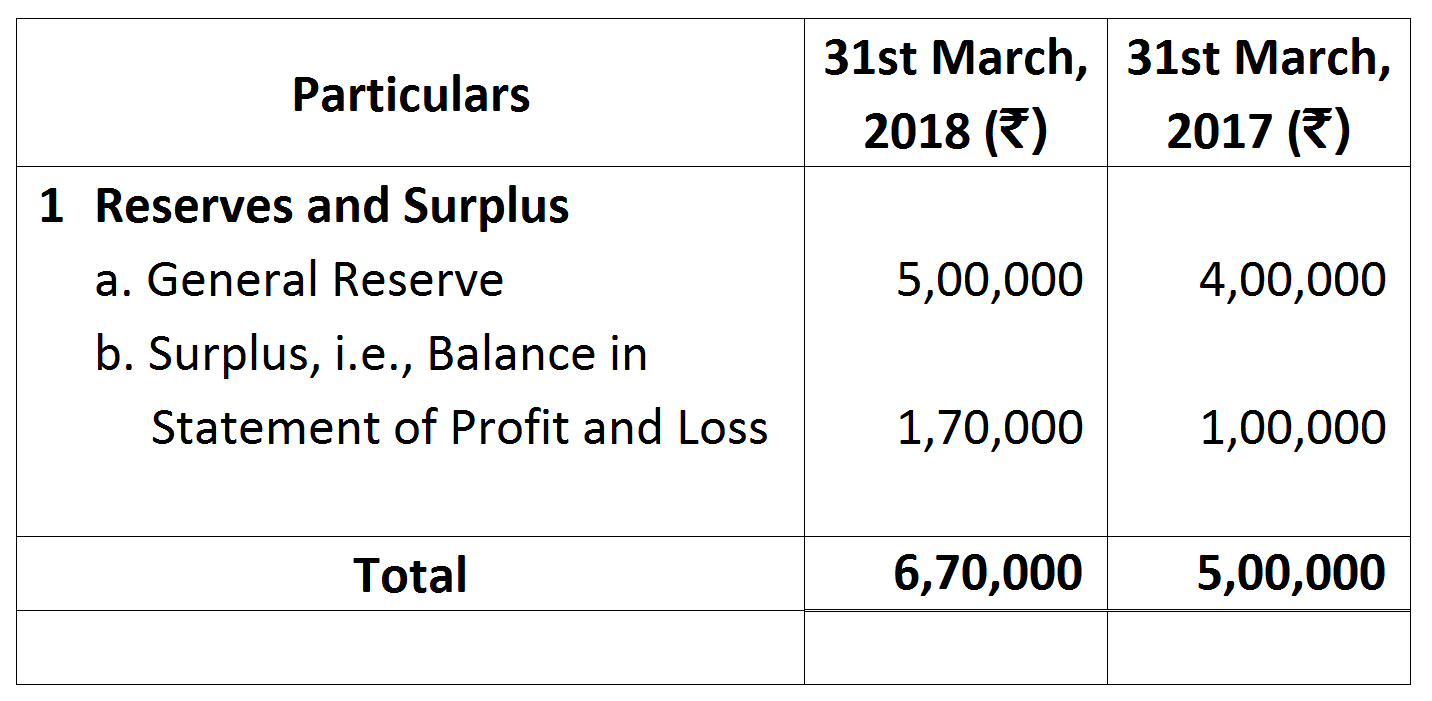
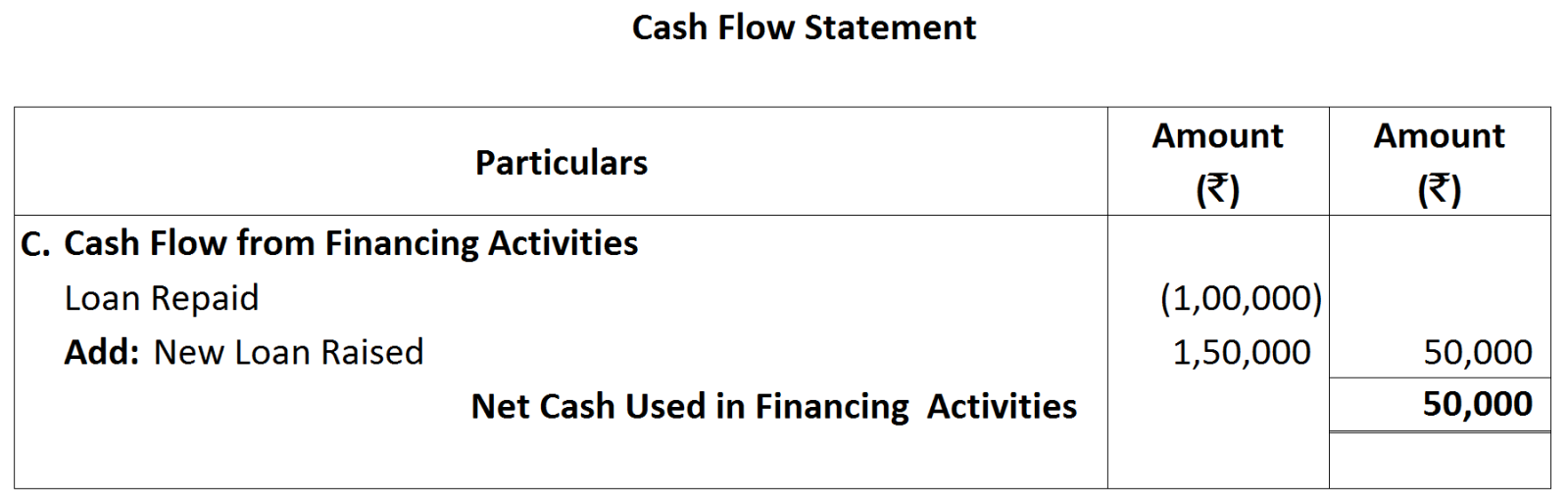
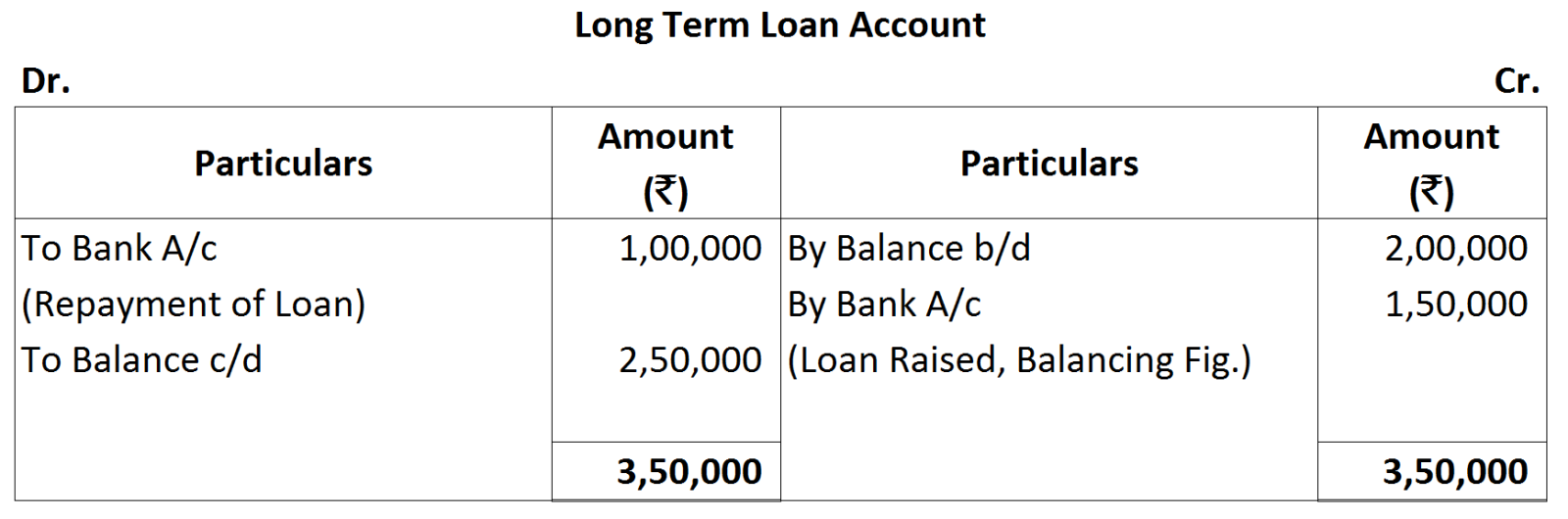
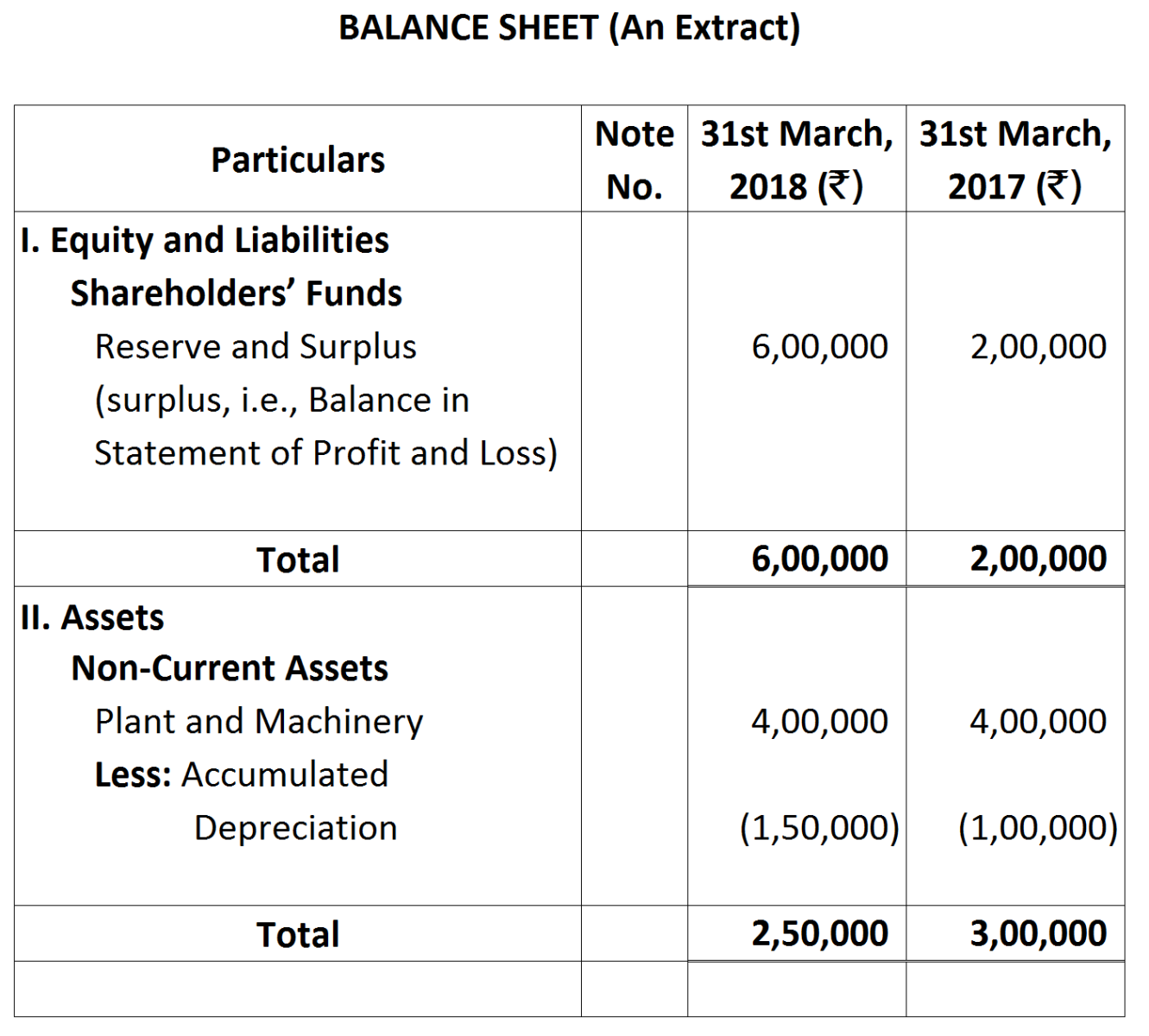
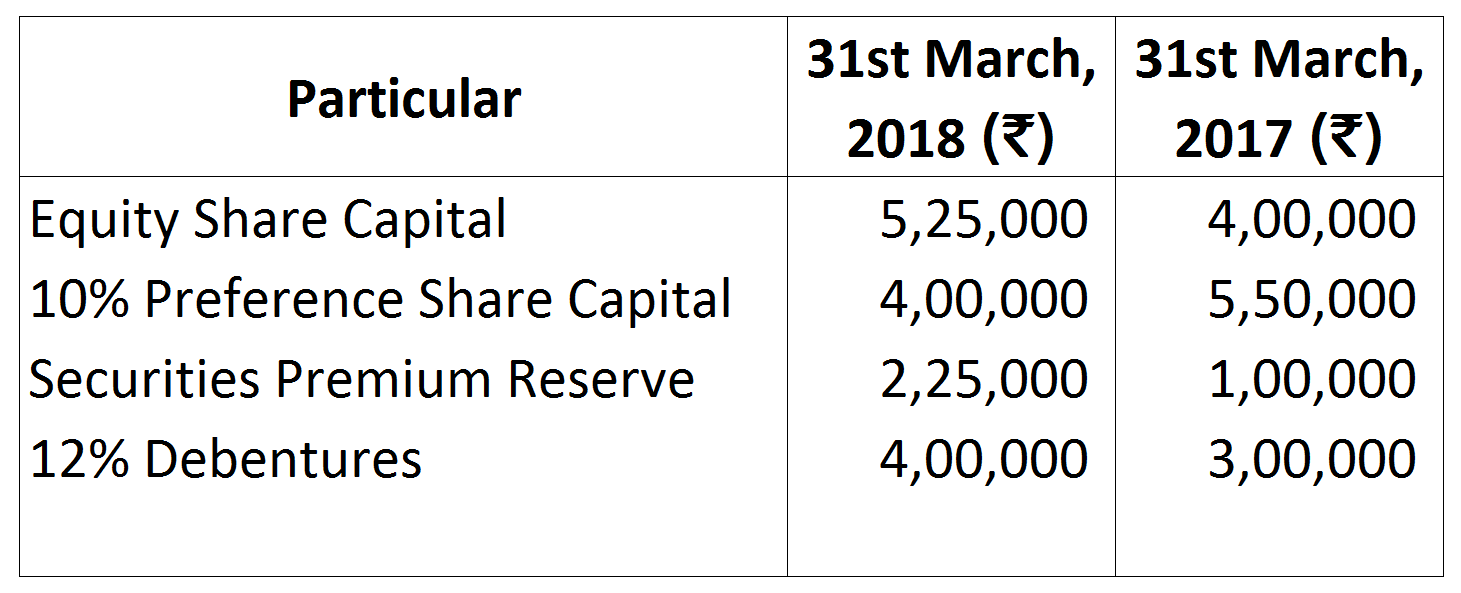
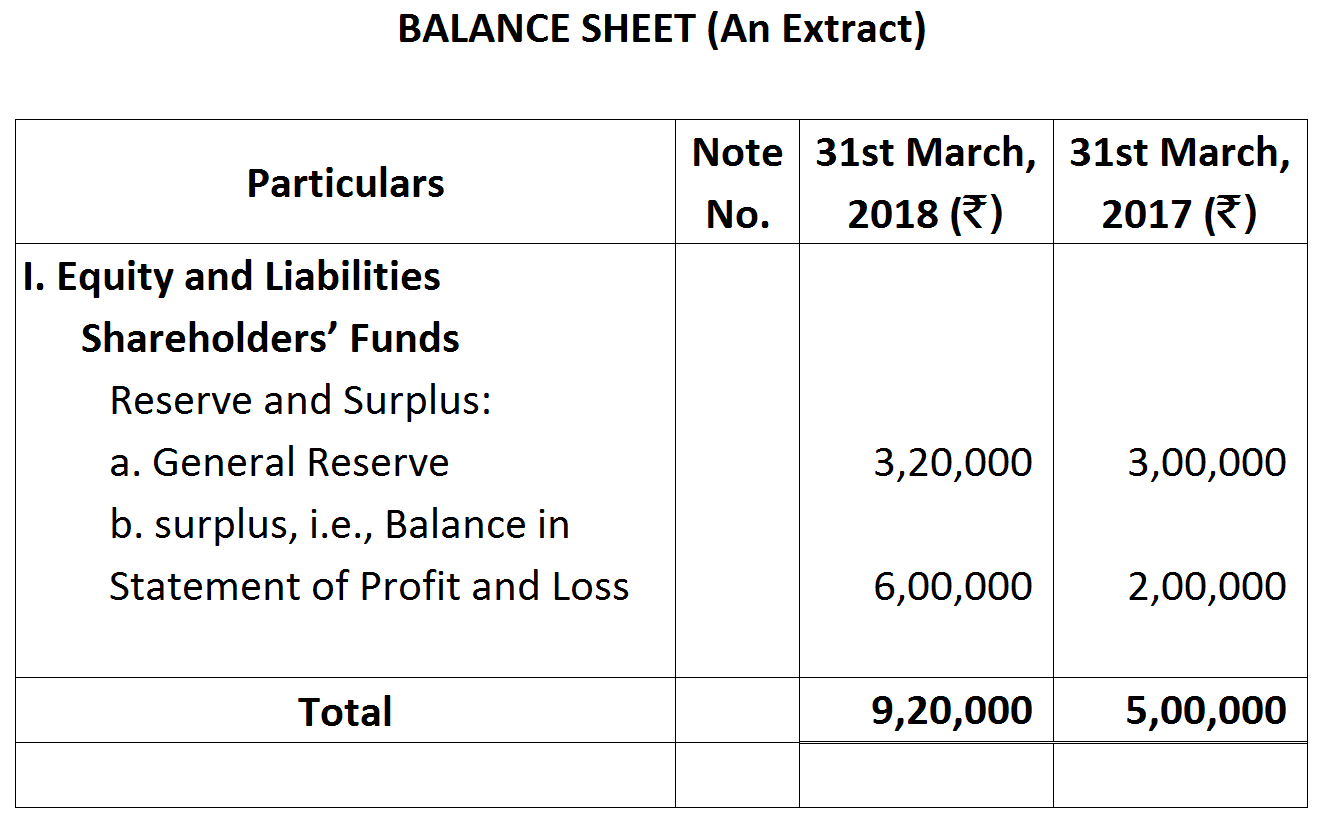
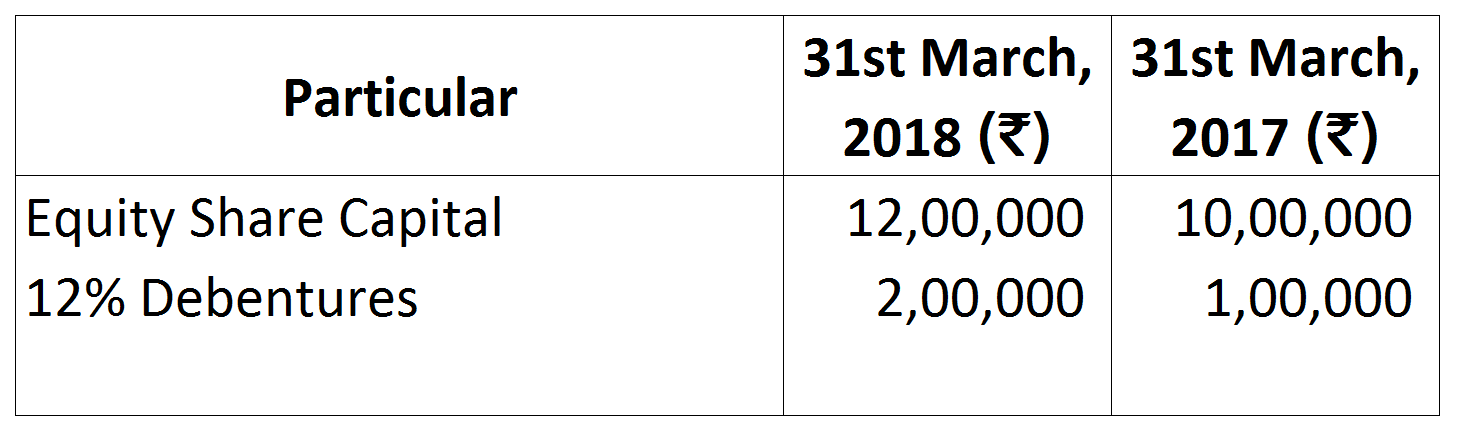
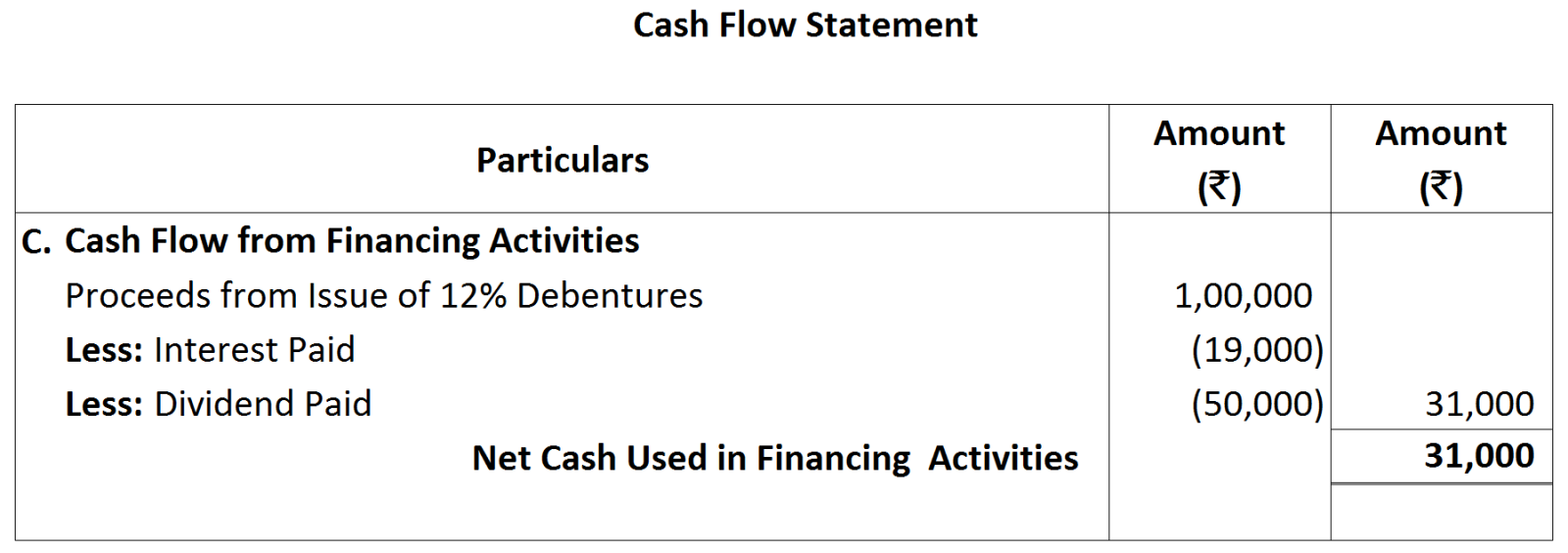
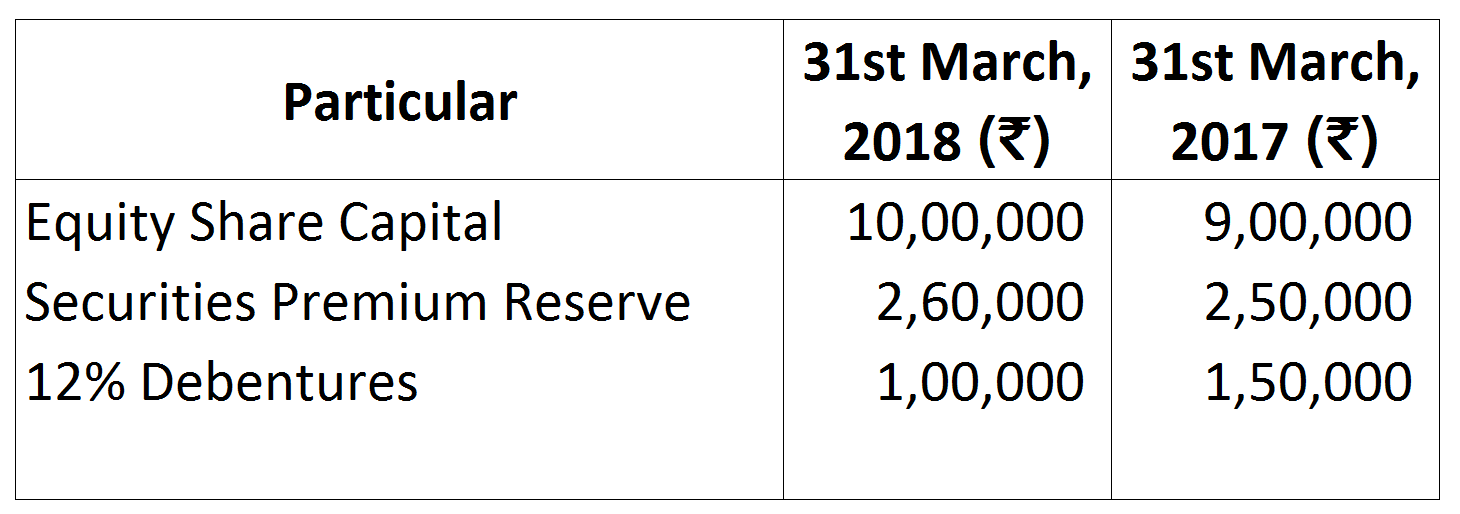
From the following extracts of Balance Sheets of Exe Ltd., calculate Cash Flow from Financing Activities:
Additional information:
  1. Equity Shares were issued on 31st March, 2018.
  2. Interim dividend on Equity Shares was paid @ 15%.
  3. Preference Shares were redeemed on 31st March, 2018 at a premium of 5%. Premium paid was debited to Statement of Profit and Loss.
  4. 12% Debentures of face value ₹ 1,00,000 were issued on 31st March, 2018.
View full question & answer
Question 144 Marks
Calculate Cash Flow from Operating Activities from the following information:
Particulars
Net Profit (Difference between Closing and Opening Balance of Surplus, i.e.
Balance in Statement of Profit and Loss)
Final Dividend paid in the year
Compensation for Natural Disaster credited to Statement of Profit and Loss
Depreciation
Loss on Sale of Investment
Gain (Profit) on Sale of Land
Provision for Tax
Dividend Received
Decrease in Current Assets (Other than Cash and Cash Equivalents)
Increase in Current Liabilities
Decrease in Current Liabilities
Increase in Current Assets (Other than Cash and Cash Equivalents)
Income Tax Refund
Income Tax Paid
8,00,000
1,10,000
75,000
1,50,000
30,000
90,000
1,10,000
20,000
40,000
70,000
10,000
60,000
10,000

1,20,000
View full question & answer
Question 154 Marks
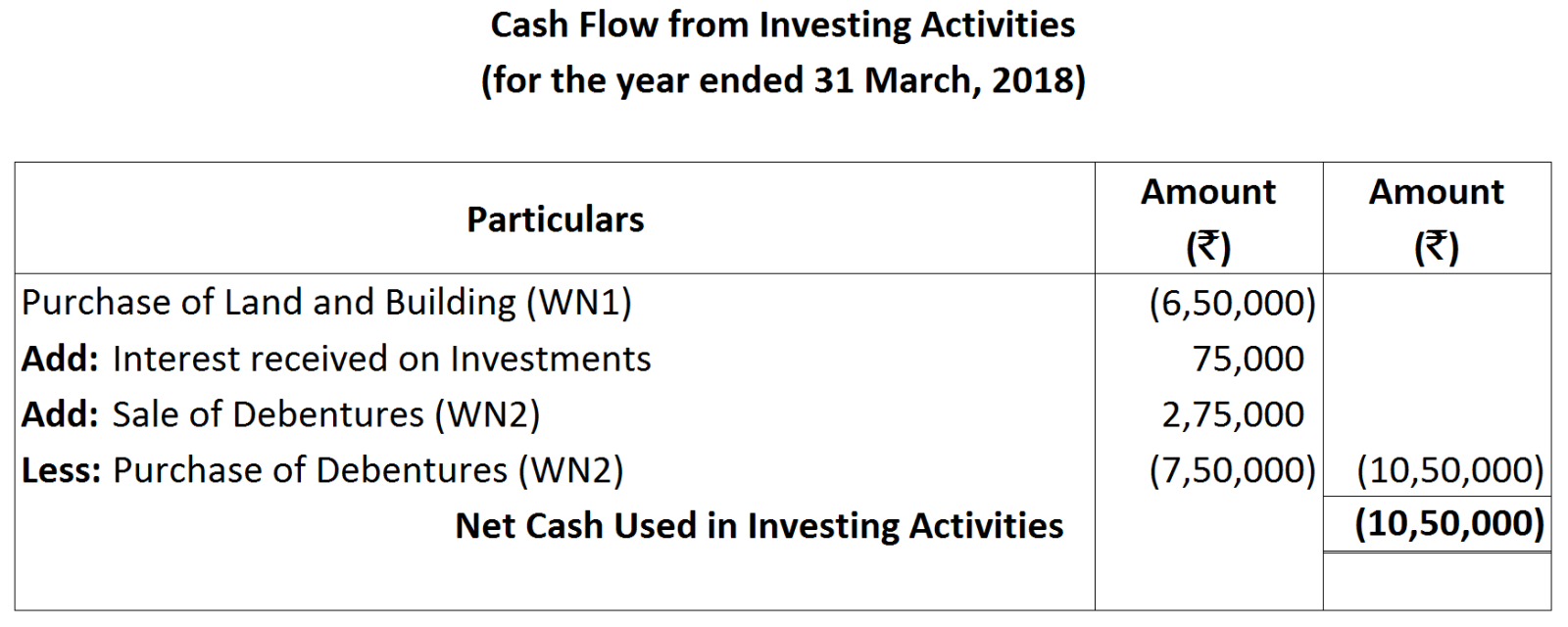
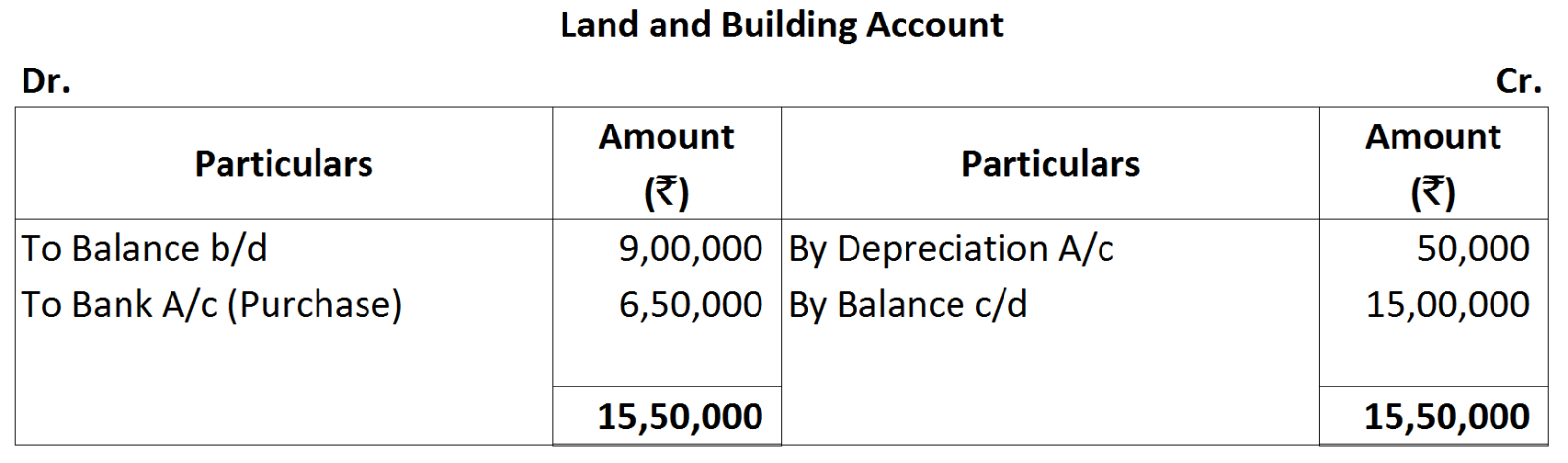
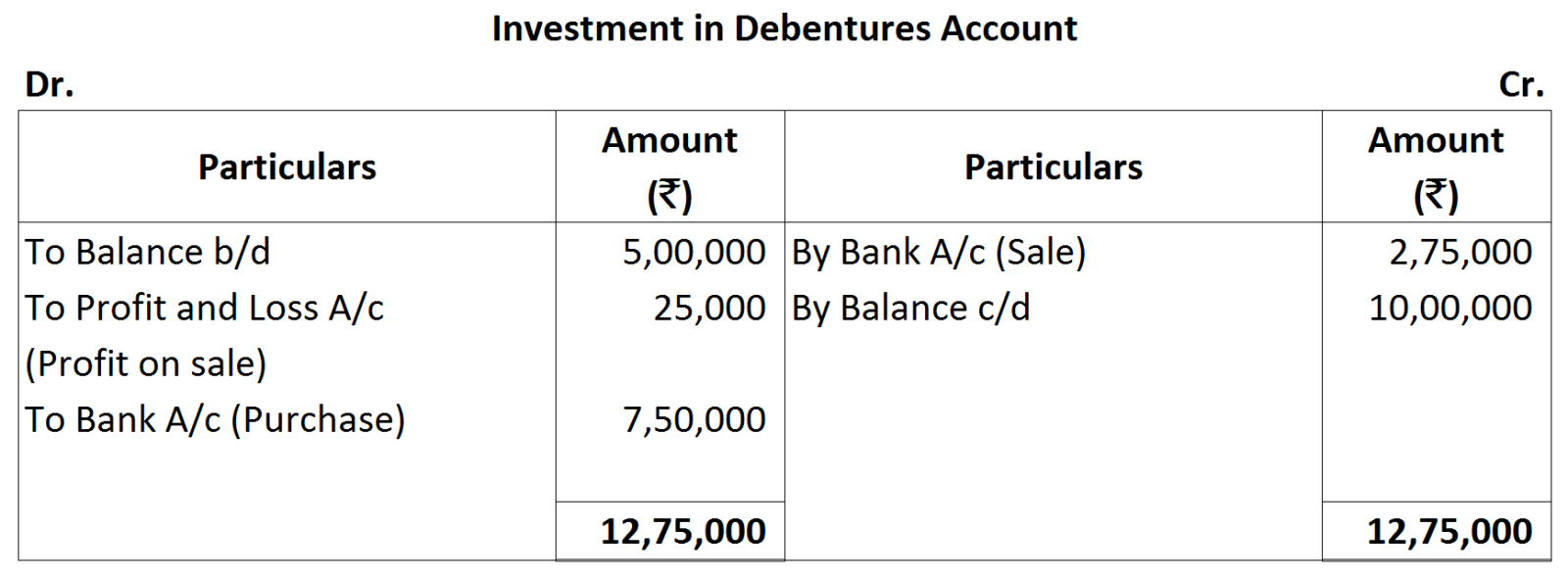
From the following information, calculate Cash Flow from Investing Activities:
Particulars
31st March, 2018 ₹
31st March, 2017 ₹
Investment in 10% Debentures
Land and Building
10,00,000
15,00,000
5,00,000
9,00,000
Additional Information:
  1. Half of the investments held in the beginning of the year were sold at 10% profit.
  2. Depreciation on Land and Building was ₹ 50,000 for the year.
  3. Interest received on investments ₹ 75,000.
Answer

Working Notes:
WN1:

WN2:
View full question & answer
Question 164 Marks
What is Cash Flow Statement? Discuss its main uses and limitations.
Answer
Cash Flow Statement is a statement that shows inflows (receipts) and outflows (payments) of Cash and Cash Equivalents of an enterprise during a specified period of time.
  1. Short-term Planning: Cash Flow Statement gives information about sources and applications of Cash and Cash Equivalents for a specific period. It helps in planning investments and assessing the financial requirements of the enterprise.
  2. Cash Flow Helps in Assessing Liquidity and Solvency: Solvency is the ability of the enterprise to meet its liabilities on time. Cash Flow Statement helps to assess liquidity.
  3. Efficient Cash Management: Cash Flow Statement gives information relating to surplus or deficit of cash. An enterprise, therefore, can decide about the Short-term Investments of the surplus and can arrange the Short-term Credit in case of deficit.
  4. Comparative Study: A comparison of the actual cash flows with the budgeted cash flows of the year shows the extent to which Cash and Cash Equivalents were generated and applied as per the plan.
  5. Reasons for Cash Position: Cash Flow Statement shows the reasons for lower and higher cash balances with the enterprise. Sometimes, an enterprise has lower cash balance in spite of higher profits or has higher cash balance in spite of lower profits. Reasons for such situations can be analysed with the help of Cash Flow Statement.
The limitations of Cash Flow Statement are:
  • Non-cash Transactions are not Shown: Cash Flow Statement shows only inflows and outflows of cash. It does not show non-cash transactions like the purchase of building by issue of shares or debentures to the vendors or bonus shares.
  • Not a Substitute for an Income Statement: Income Statement shows net income of the enterprise based on accrual basis of accounting whereas Cash Flow Statement shows only cash inflows or outflows which does not represent net profit earned or loss incurred by the enterprise.
  • Not a Substitute for Balance Sheet: It is not a substitute for Balance Sheet (Position Statement) because it does not show the financial position (i.e., Equity, Liabilities and Assets)
View full question & answer
Question 174 Marks
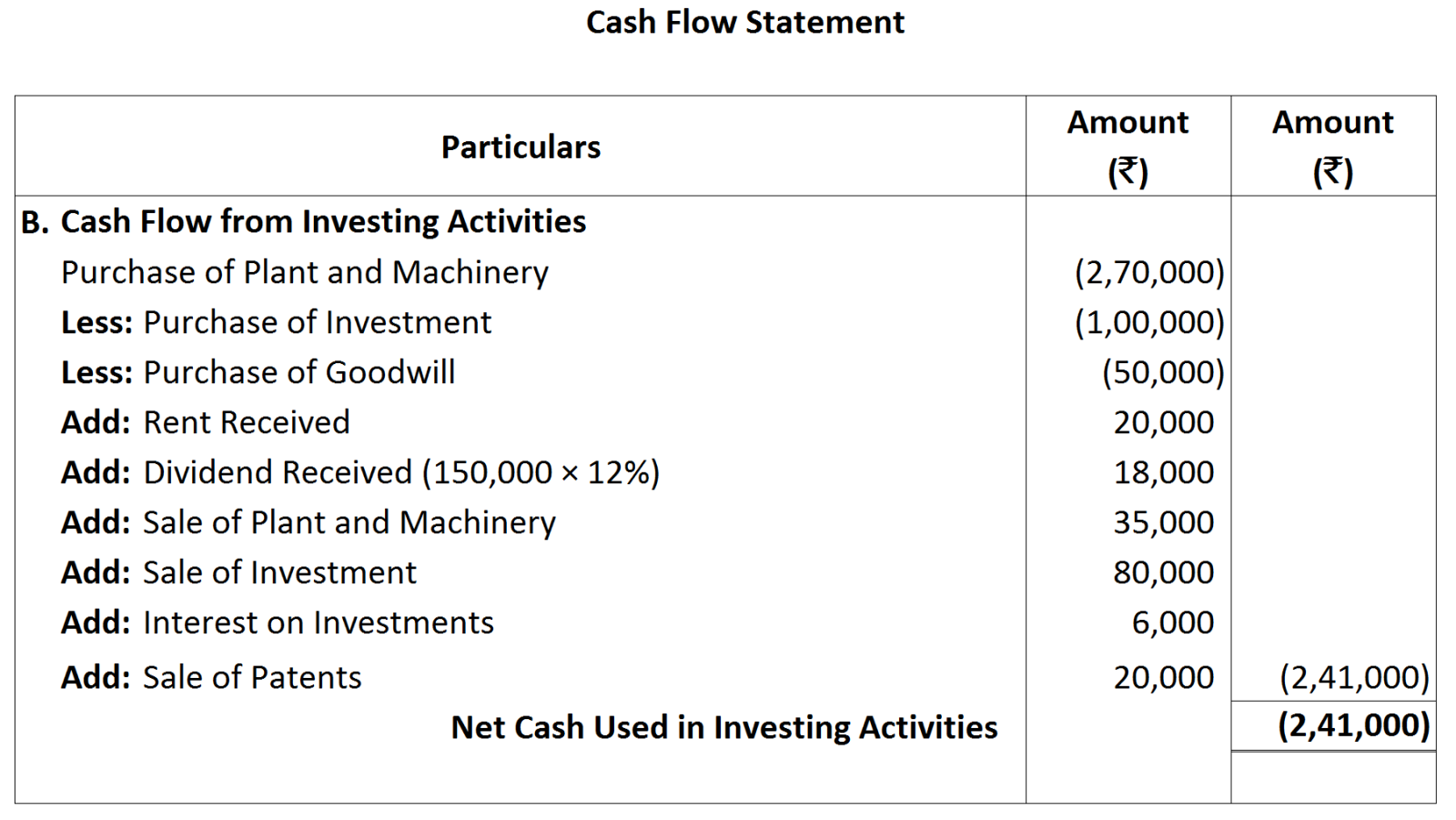
From the following information, calculate Cash Flow from Investing Activities:
 
 
Purchase of Machine
Purchase of Goodwill
Sale of Machine
Sale of Investment
2,50,000
1,00,000
35,000
50,000
Purchase of Investments
Sale of Patents
Interest and Dividend Received
 
1,50,000
40,000
10,000
A building was purchased as investment out of surplus which was let out for commercial purposes. Rent received ₹ 20,000.
View full question & answer
Question 184 Marks
From the following information, calculate Net Profit before Tax and Extraordinary Items:
Surplus, i.e., Balance in Statement of Profit and Loss (Opening)
1,00,000
Surplus, i.e., Balance in Statement of Profit and Loss (Closing)
3,36,000
Dividend paid in the current year
72,000
Interim Dividend Paid during the year
90,000
Transfer to Reserve
1,00,000
Provision for Tax for the current year
1,50,000
Refund of Tax
3,000
Loss due to Earthquake
2,00,000
Insurance Proceeds from Earthquake disaster settlement
1,00,000
View full question & answer
Question 194 Marks
Compute Cash Flow from Operating Activities from the following information:
Particulars
Net Profit after Provision for Tax nd Payment of Dividend
Provision for Tax
Final Dividend paid during the year
Depreciation
Loss on Sale of Machinery
Patents Amortised
Gain on Sale of Land
Income Tax Refund
2,15,000
45,000
50,000
25,000
10,000
30,000
70,000
30,000
View full question & answer
Question 204 Marks
Charles Ltd. earned a profit of ₹ 1,00,000 after charging depreciation of ₹ 20,000 on assets and a transfer to General Reserve of ₹ 30,000. Goodwill amortised was ₹ 7,000 and gain on sale of machinery was ₹ 3,000. Other information available is (changes in the value of Current Assets and Current Liabilities): trade receivables showed an increase of ₹ 3,000; trade payables an increase of ₹ 6,000; Prepaid expenses an increase of ₹ 200; and outstanding expenses a decrease of ₹ 2,000.
Ascertain Cash Flow from Operating Activities
View full question & answer
Question 224 Marks
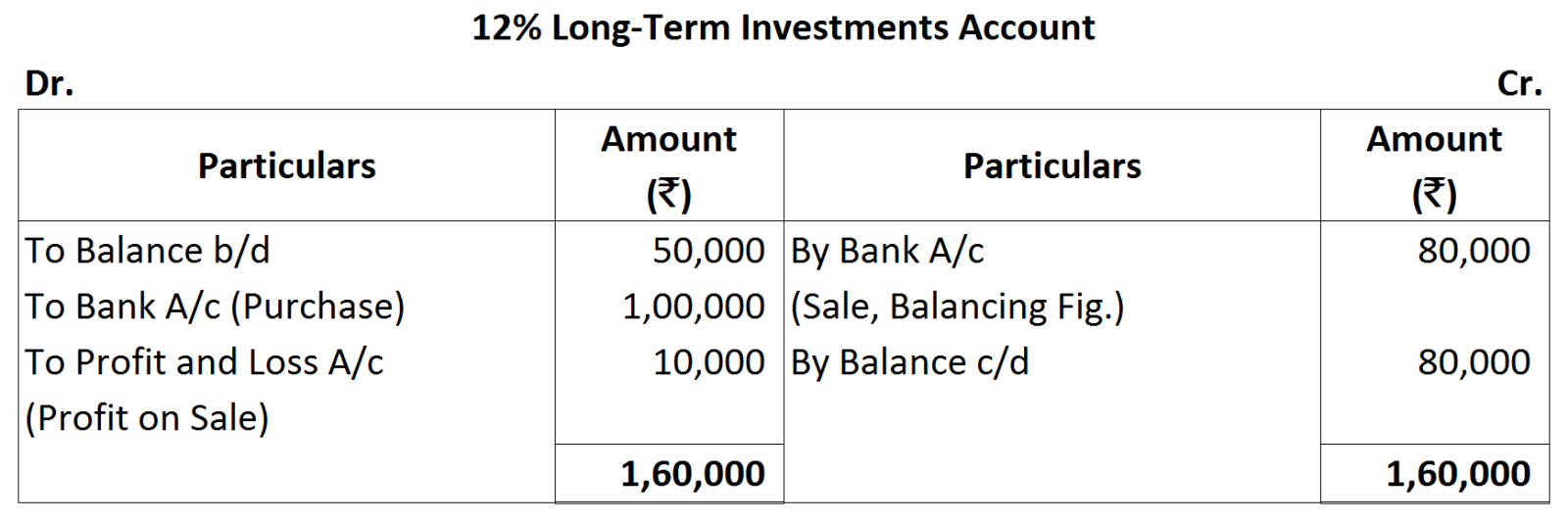
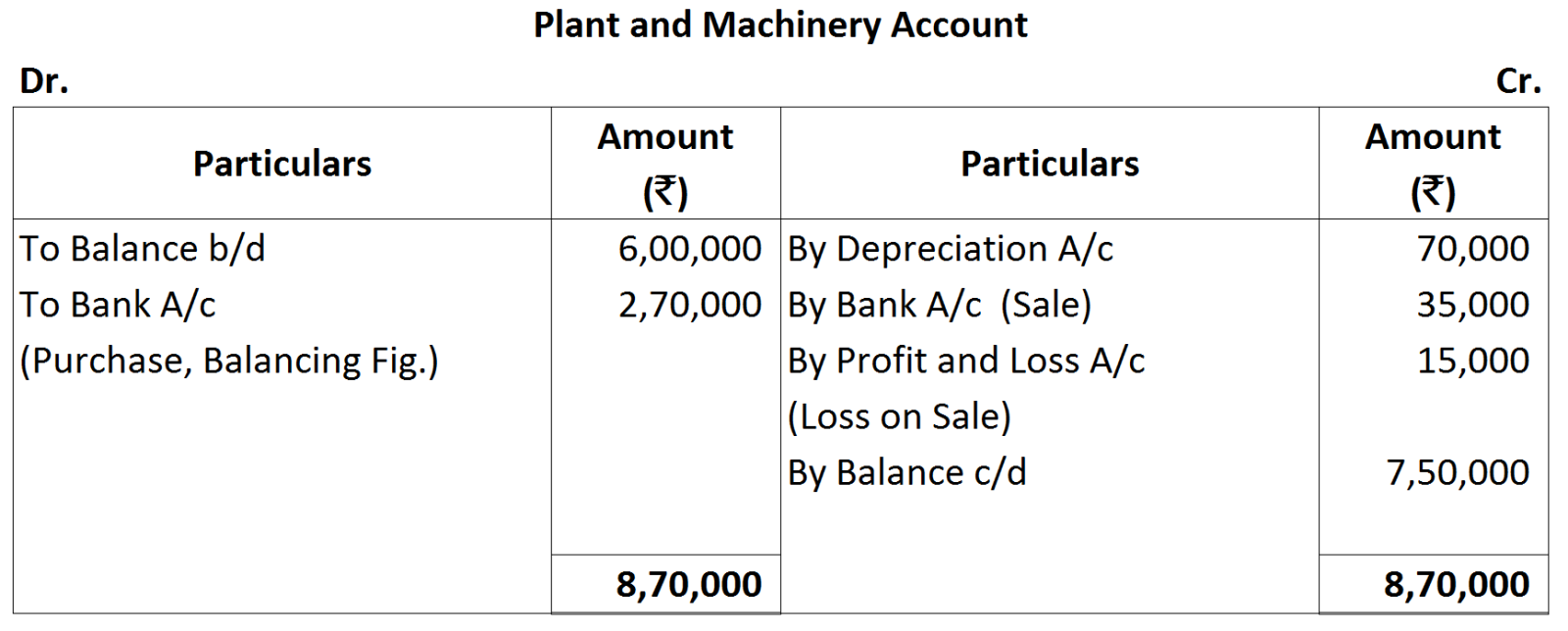
Calculate Cash Flow from Investing Activities from the following information:
Particulars
31st March, 2018 ₹
31st March, 2017 ₹
Investments in Land
Shares in Z Ltd.
12% Long-term Investments
Plant and Machinery
Patents
Goodwill
3,00,000
1,50,000
80,000
7,50,000
70,000
1,50,000
3,00,000
1,50,000
50,000
6,00,000
1,00,000
1,00,000
Additional Information:
  1. A plece of land was purchased as an investment out of surplus. It was let out for commercial purpose and the rent received was ₹ 20,000.
  2. Dividend received from Z Ltd. @ 12%.
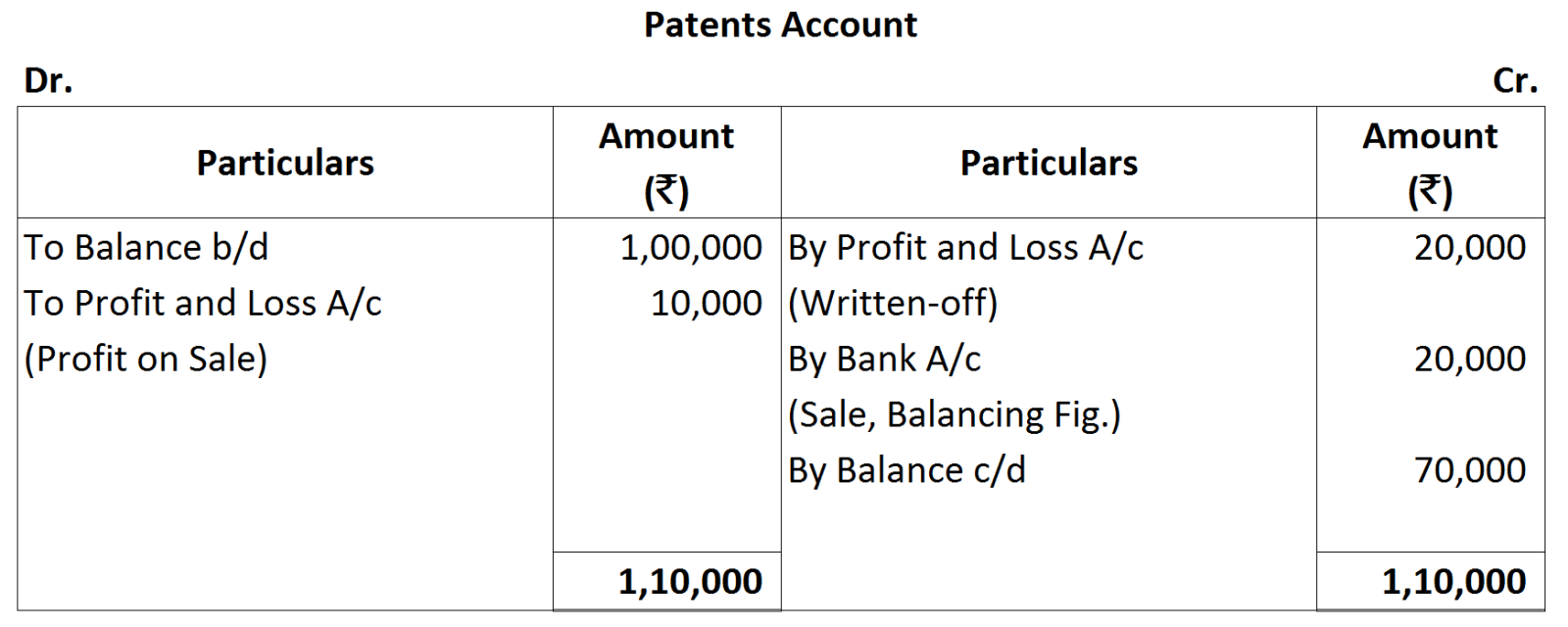
  3. Patents written off to the extent of 20,000. Some patents were sold at a profit of ₹ 10,000.
  4. A machine costing ₹ 80,000 (depreciation provided thereon ₹ 30,000) was sold for ₹ 35,000. Depreciation charged during the year was ₹ 70,000.
  5. During the year 12% investments were purchased for ₹ 1,00,000 and some investments were sold at a profit of ₹ 10,000. Interest on investments for the year was duly received.
Answer

Working Notes:
WN1:
Computation of Interest on Investments
Interest on 12% Long-term Investments $=\Big(50,000\times\frac{12}{100}\Big)=6,000$
WN2:

WN3:

WN4:
View full question & answer
Question 234 Marks
From the following information, calculate Operating Profit before Working Capital Changes:
Net Profit before Tax and Extraordinary Items 4,47,000
Depreciation on Machinery 84,000
Interest on Borrowings 16,800
Goodwill Amortised 18,600
Loss on Sale of Furniture 18,000
Premium on Redemption of Preference Shares 6,000
Profit on Sale of Investments 12,000
Interest and Dividend Received on Investments 27,600
View full question & answer
Question 244 Marks
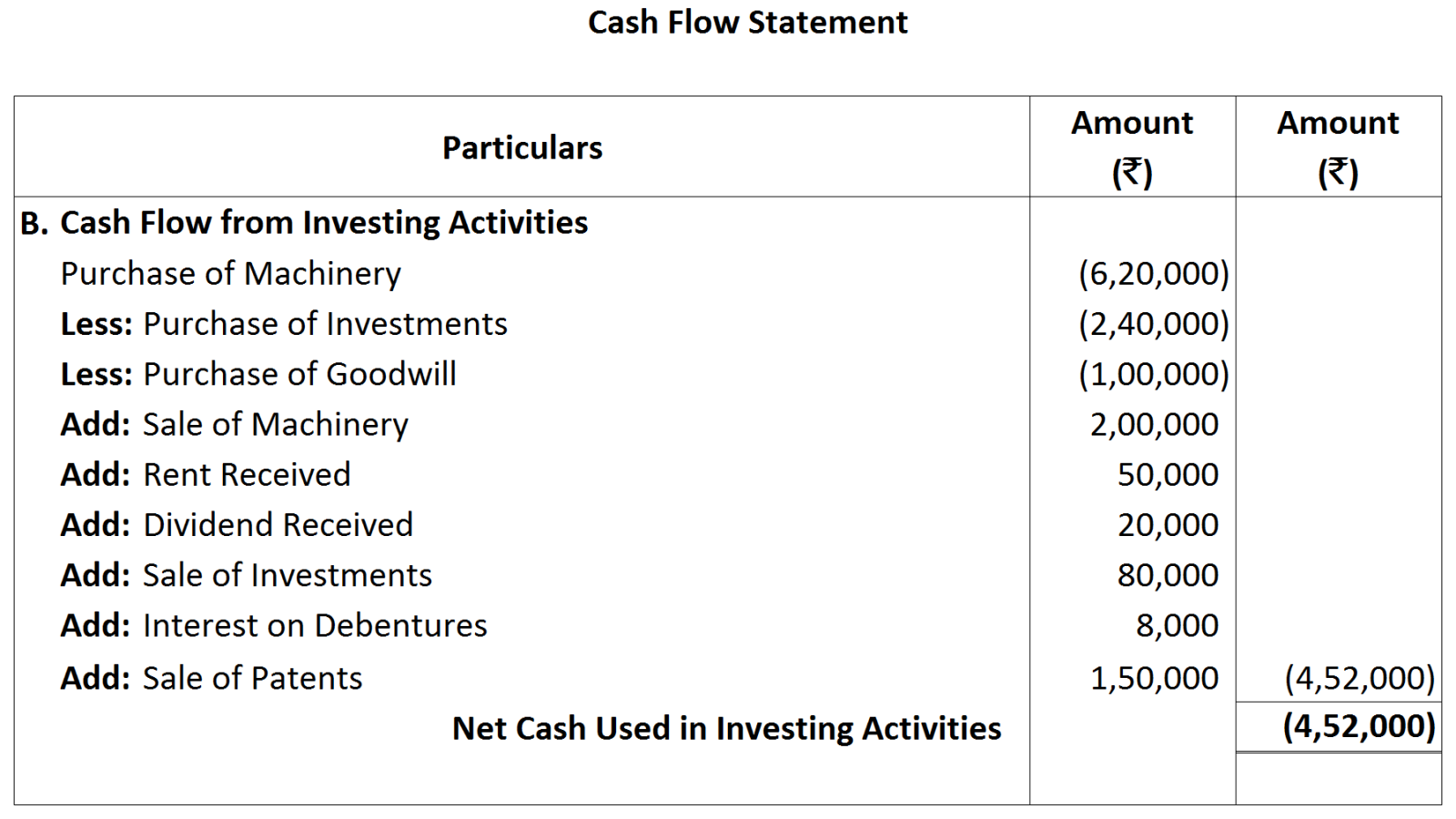
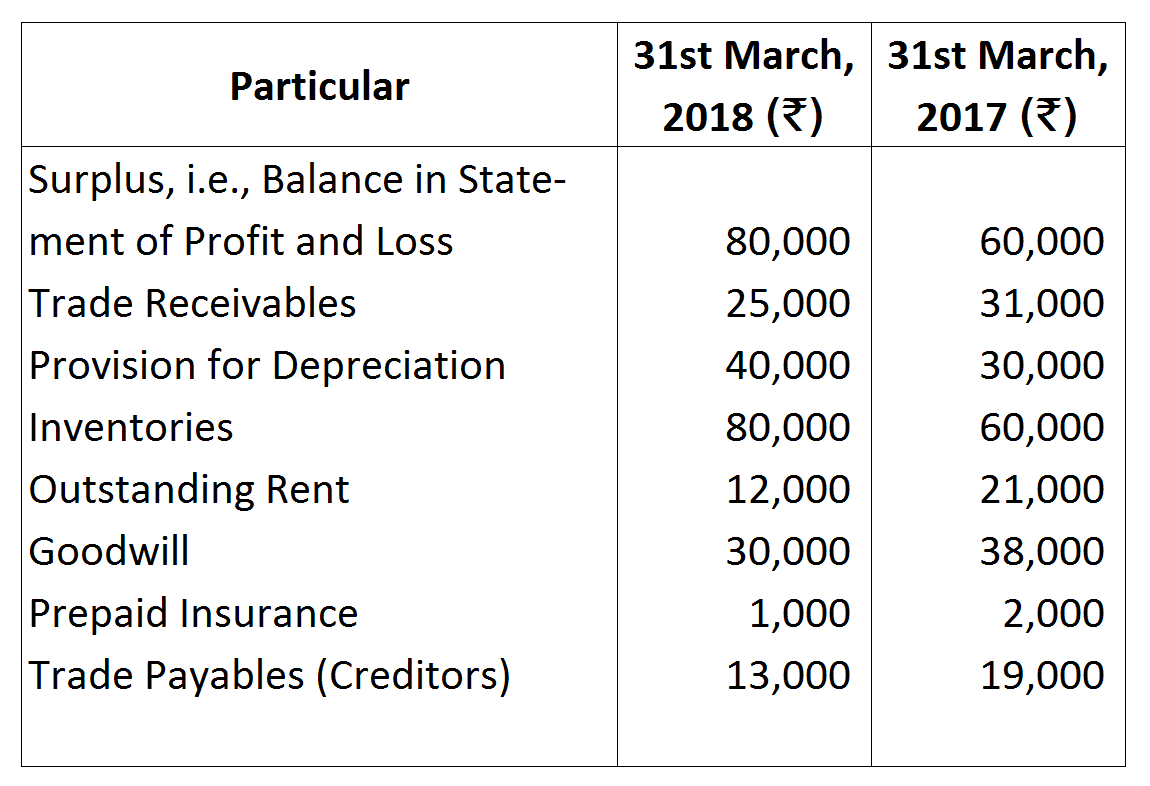
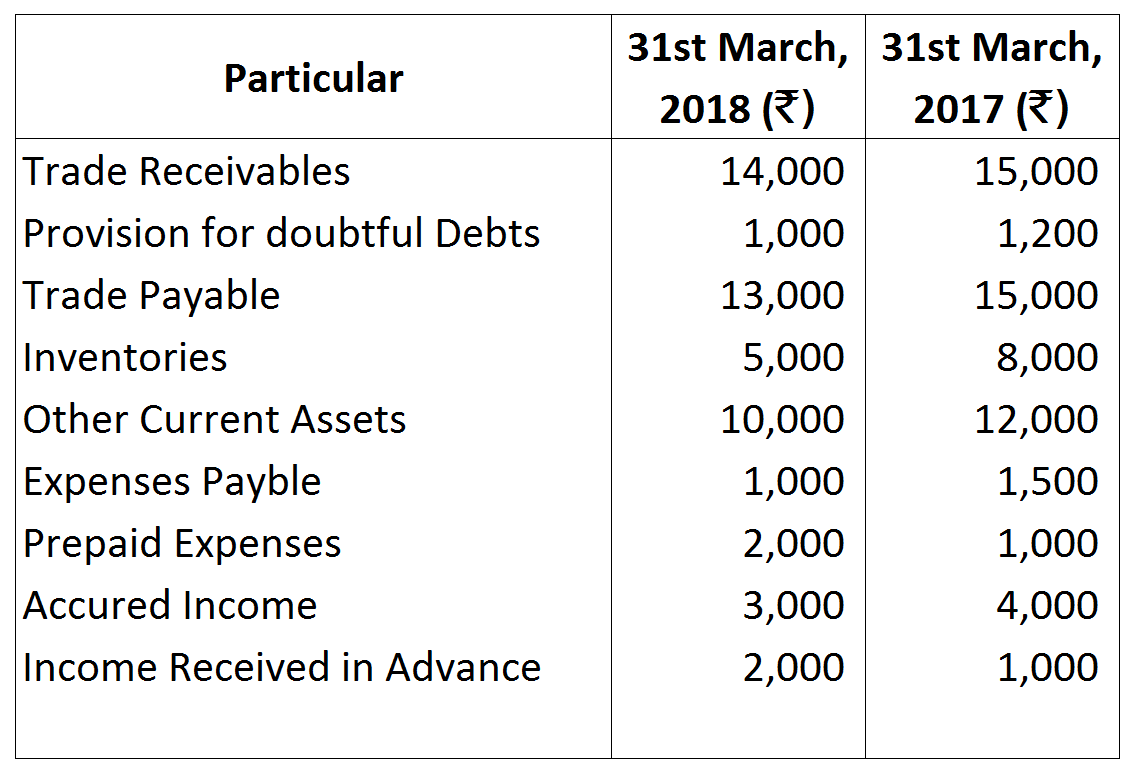
From the following particulars, calculate Cash Flow from Investing Activities:
Particulars
Purchased ₹
Sold ₹
Machinery
Investments
Goodwill
Patents
6,20,000
2,40,000
1,00,000
……
2,00,000
80,000
….
1,50,000
Additional Information:
  1. Interest received on debentures held as investment ₹ 8,000.
  2. Interest paid on debentures issued ₹ 20,000.
  3. Dividend received on shares held as investment ₹ 20,000.
  4. Dividend paid on Equity Share Capital ₹ 30,000.
  5. A plot of land was purchased out of the surplus funds for investment purposes and was let out for commercial use. Rent received ₹ 50,000 during the year.
Answer

Note: Dividend paid and interest paid is a part of Financing Activities.
View full question & answer
Question 254 Marks
Calculate Cash Flow from Operating Activities from the following:
  1. Profit for the year is ₹ 7,00,000 after considering the following items:
Particulars
Depreciation on Fixed Assets
Goodwill Amortised
Gain onSale of Land
Appropriation of Profit towards General Reserve
40,000
20,000
90,000
60,000
  1. Following is the position of Current Assets and Current Liabilities:
Particulars
Closing Balance (₹)
Opening Balance (₹)
Trade Payables
Trade Receivables
Prepaid Expenses
50,000
75,000
10,000
75,000
60,000
18,000
View full question & answer
Question 274 Marks
Compute Cash Flow from Operating Activities from the following:
  1. Profit for the year ended 31st March, 2018 is ₹ 10,000 after providing for depreciation of ₹ 2,000.
  2. Current Assets and Current Liabilities of the business for the year ended 31st March, 2017 and 2018 are as follows:
View full question & answer
Question 284 Marks
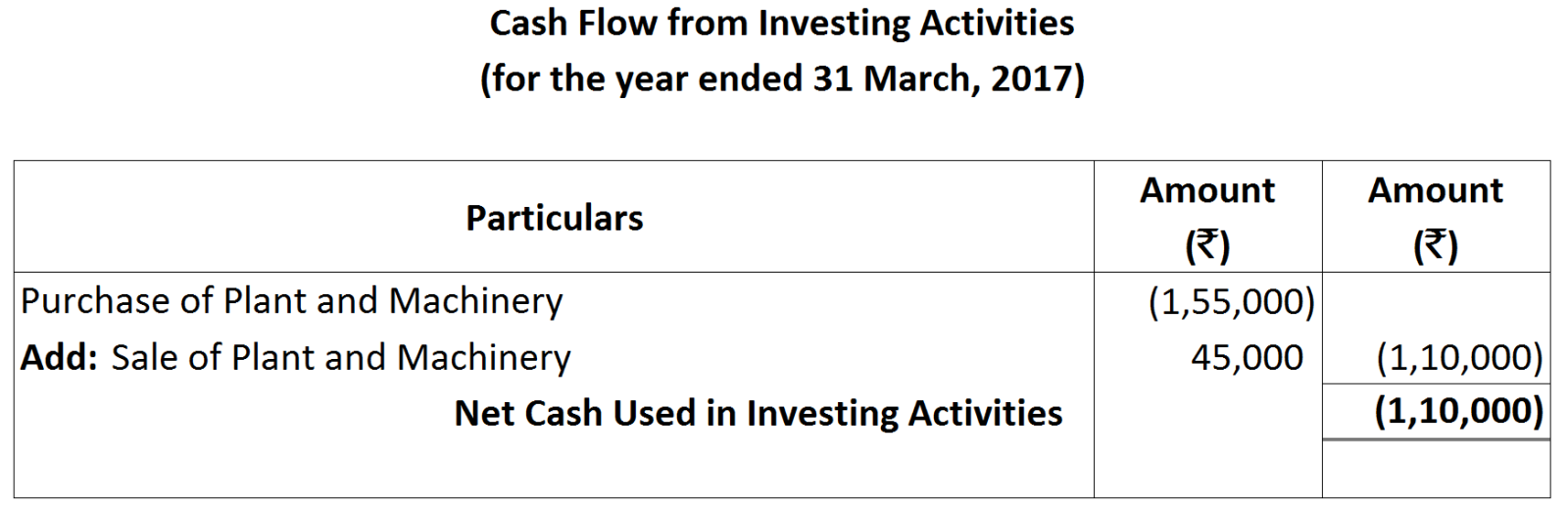
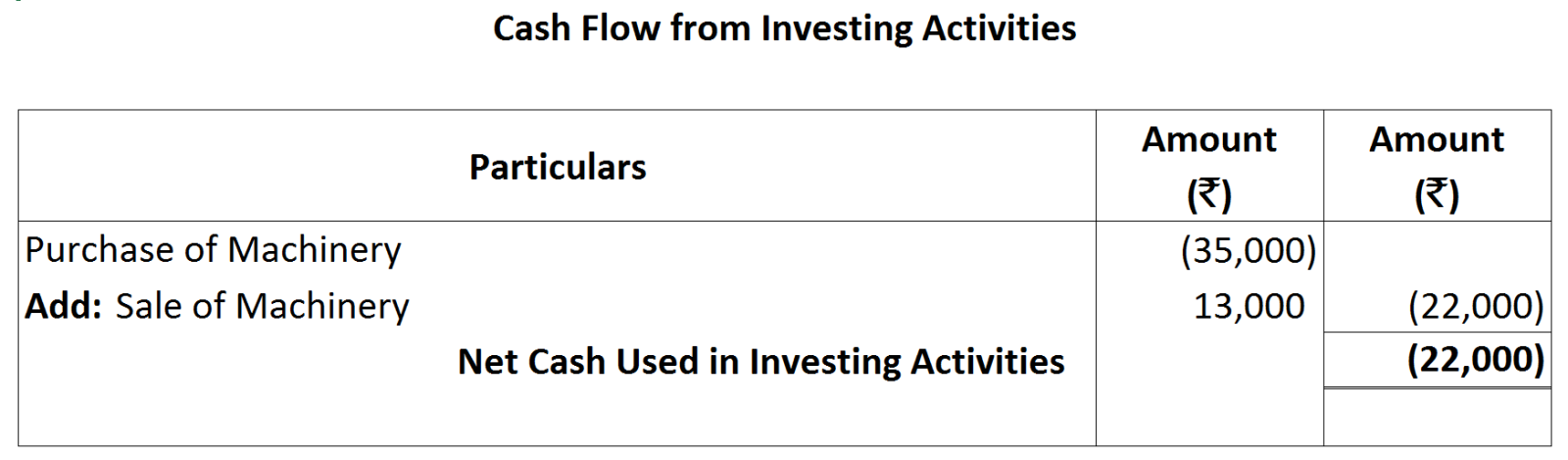
From the following information, calculate Cash Flow from Investing and Financing Activities
Additional Information:
  1. Interest paid on debentures ₹ 19,000.
  2. Dividend paid in the year ₹ 50,000.
  3. During the year, XYZ Ltd. issued bonus shares in the ratio of 5 : 1 by capitalising reserve.
Answer

Note: Amount of Equity Share Capital has been increased due to the issue of Bonus Shares which does not involve any flow of cash. Therefore, it is not considered in the Financing Activities.
View full question & answer
Question 294 Marks
Welprint Ltd. has given the following information:
Machinery as on 1st April, 2017
Machinery as on 31st March, 2018
Accumulated Depreciation on 1st April, 2017
Accumulated Depreciation on 31st March, 2018
50,000
60,000
25,000
15,000
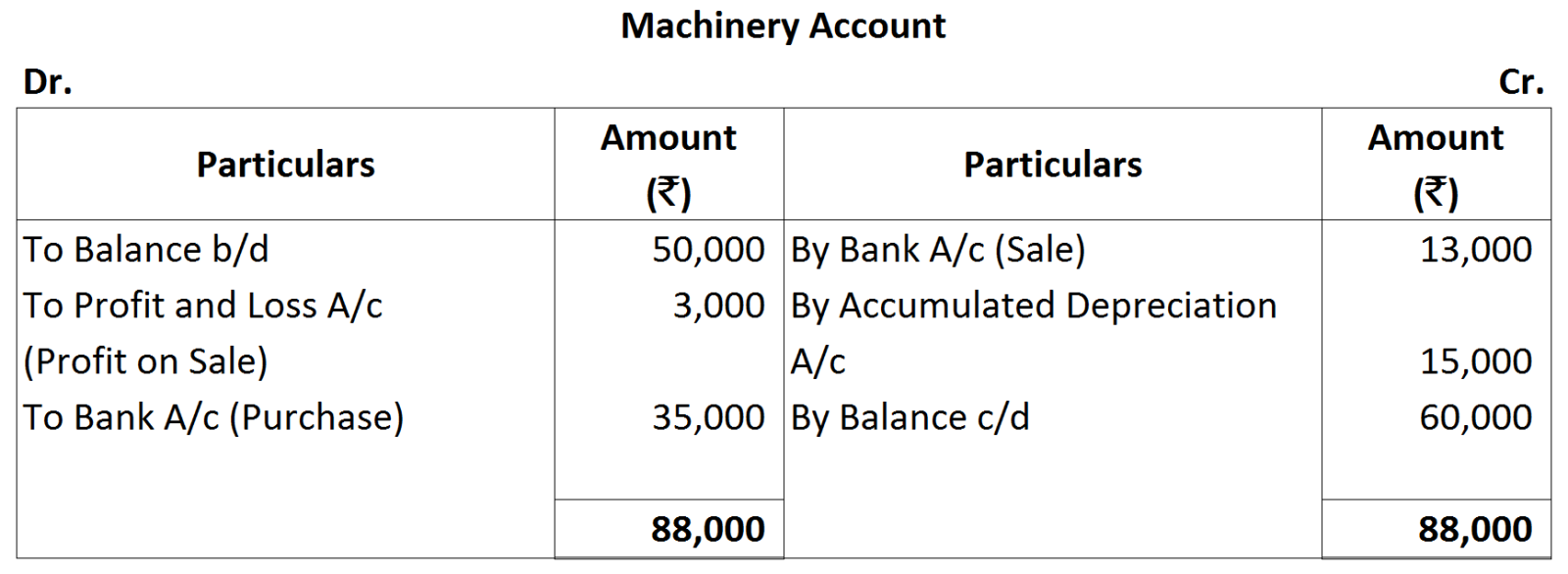
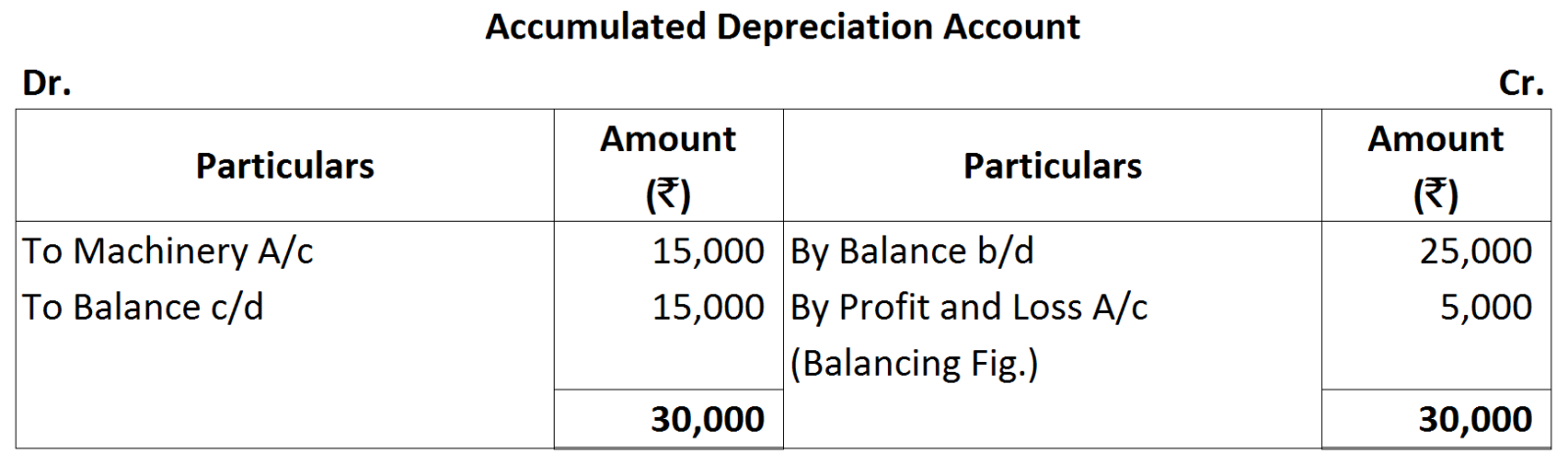
During the year, a machine costing ₹ 25,000 (accumulated depreciation thereon ₹ 15,000) was sold for ₹ 13,000.
Calculate Cash Flow from Investing Activities on the basis of the above information.
Answer

Working Notes:
View full question & answer
Question 304 Marks
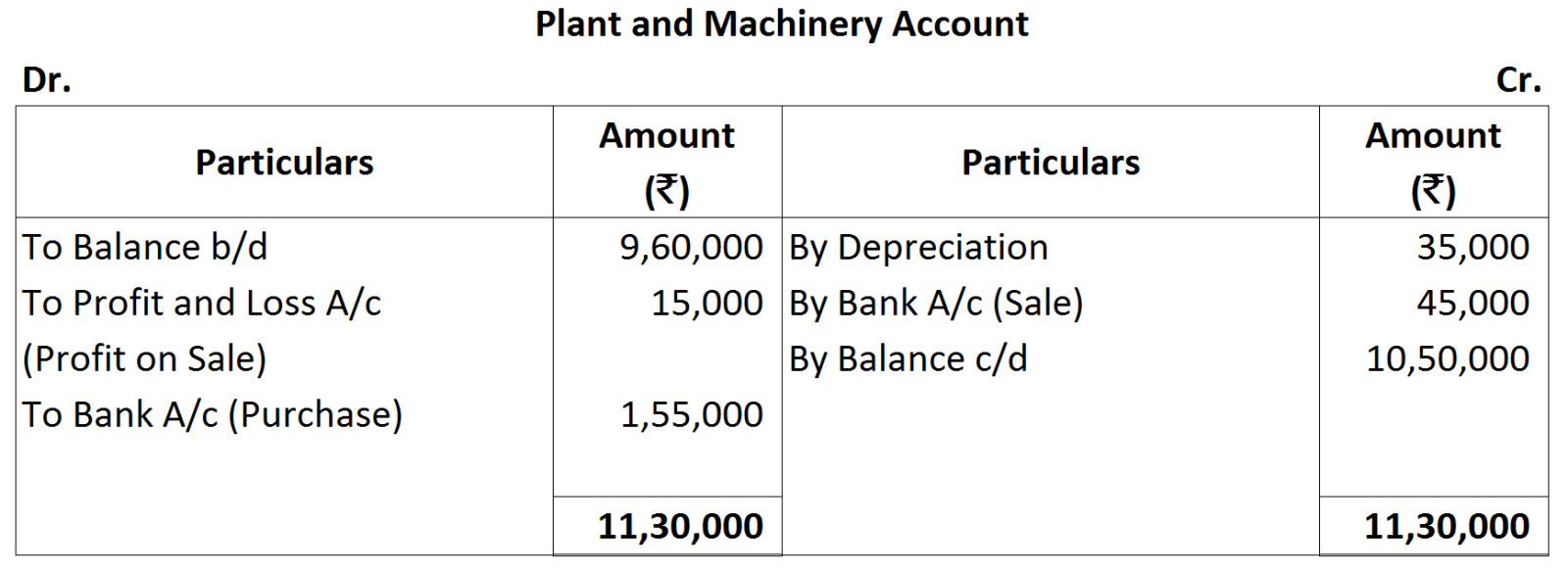
Mars Ltd. has Plant and Machinery whose written down value on 1st April, 2017 was ₹ 9,60,000 and on 31st March, 2018 was ₹ 10,50,000. Depreciation for the year was ₹ 35,000. In the beginning of the year, a part of plant was sold for ₹ 45,000 which had a written down value of ₹ 30,000.
Calculate Cash Flow from Investing Activities.
Answer

Working Notes:
View full question & answer
Question 314 Marks
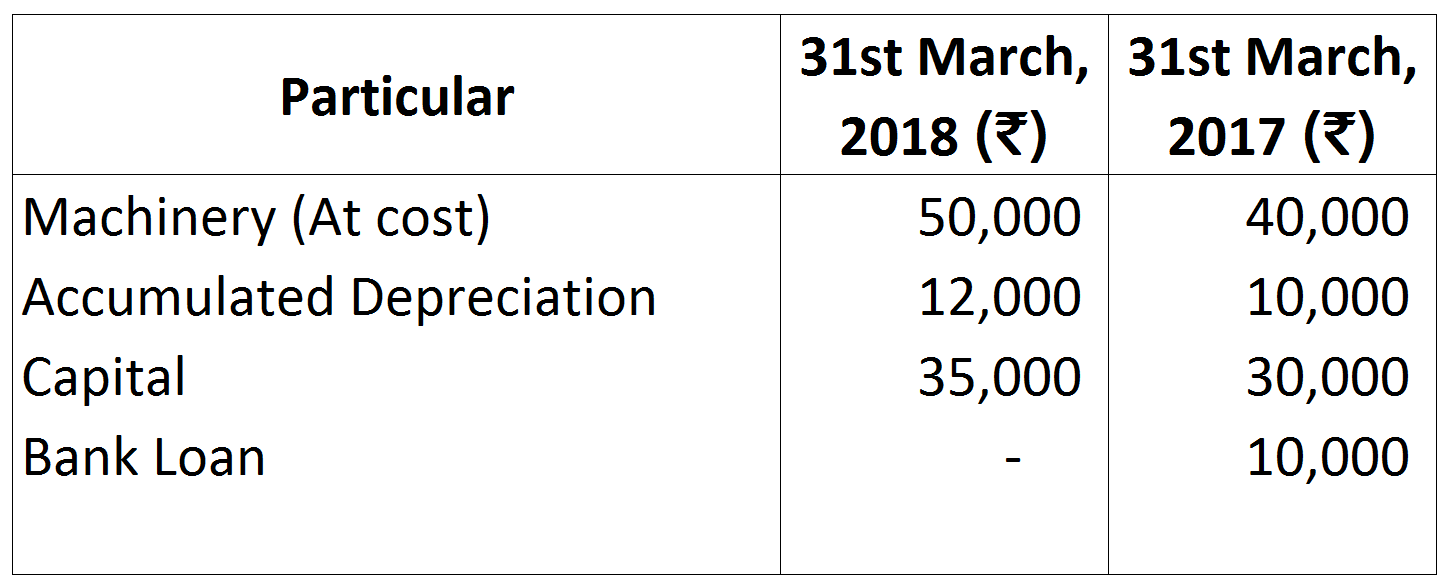
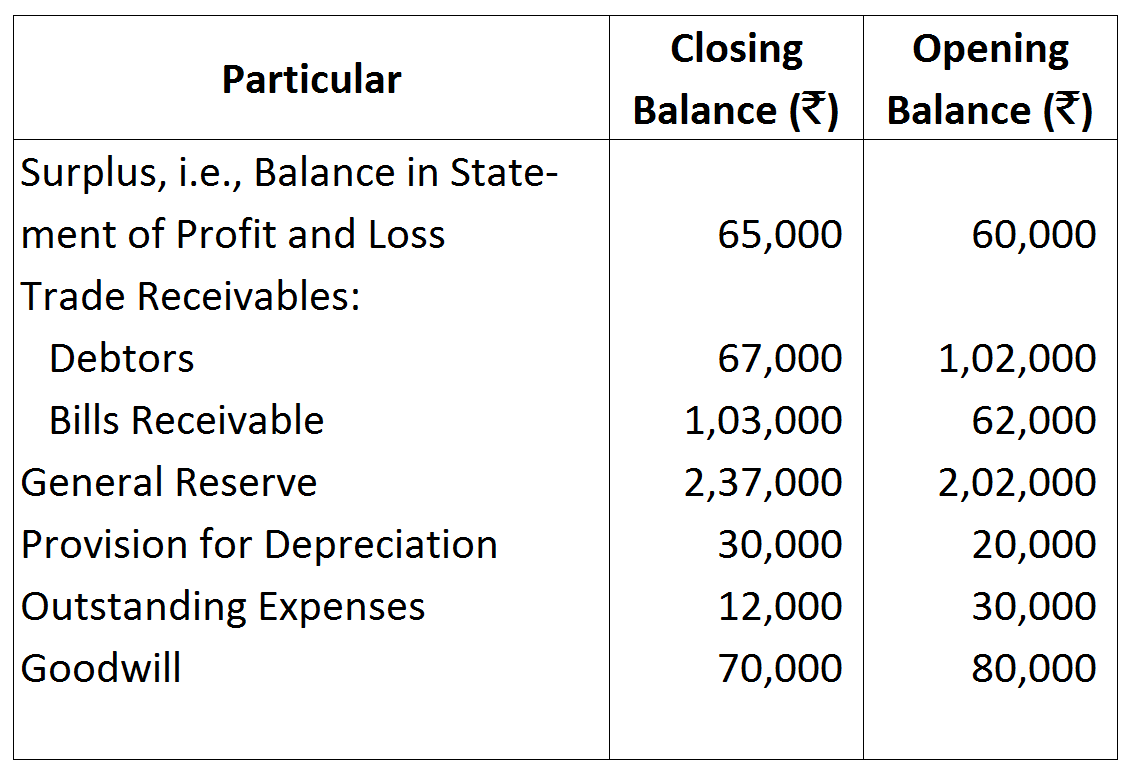
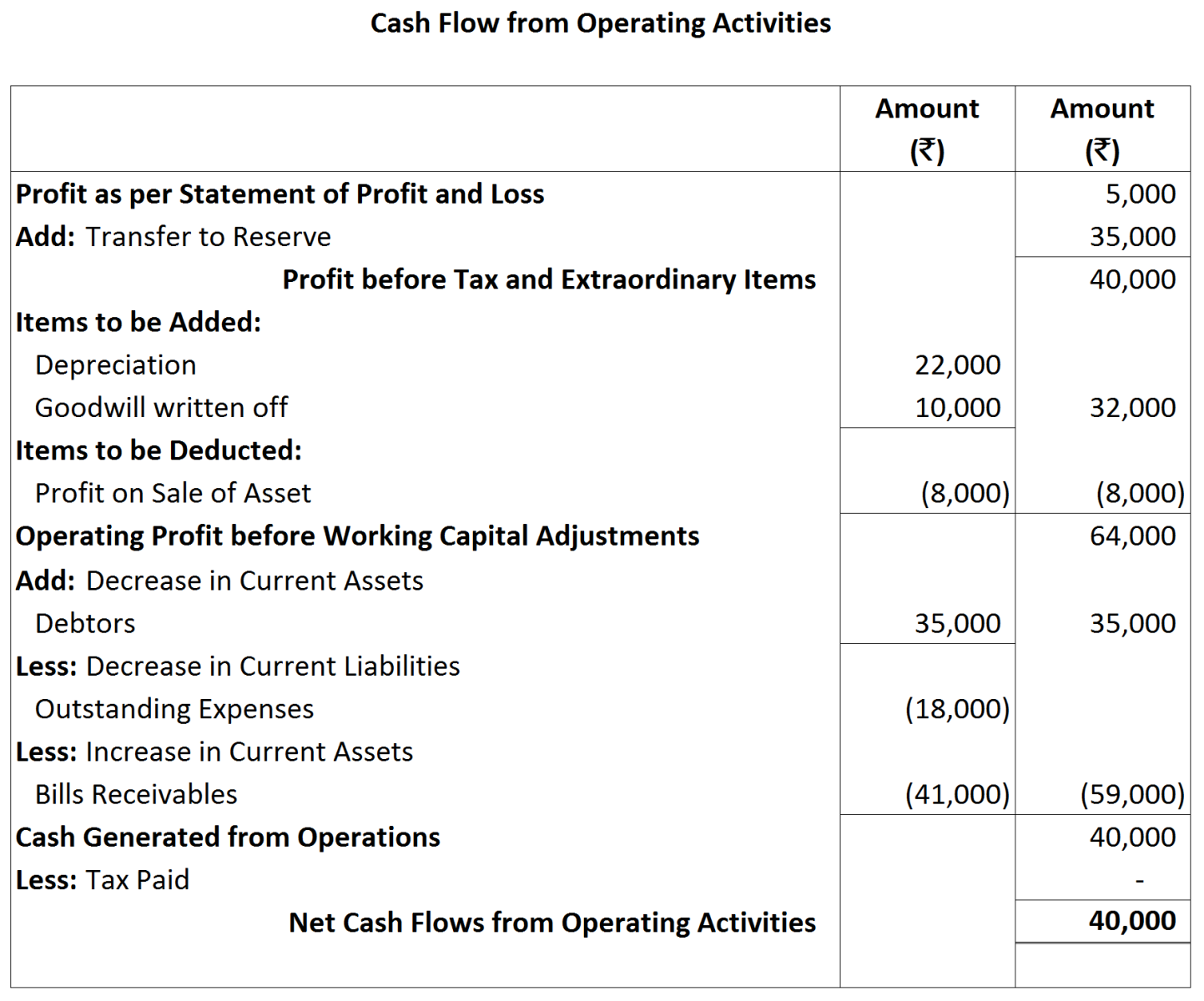
From the following information, calculate Cash Flow from Financing Activities: Additional Information: Interest paid on debentures ₹ 18,000.
View full question & answer
Question 324 Marks
Compute Cash Flow from Operating Activities from the following:
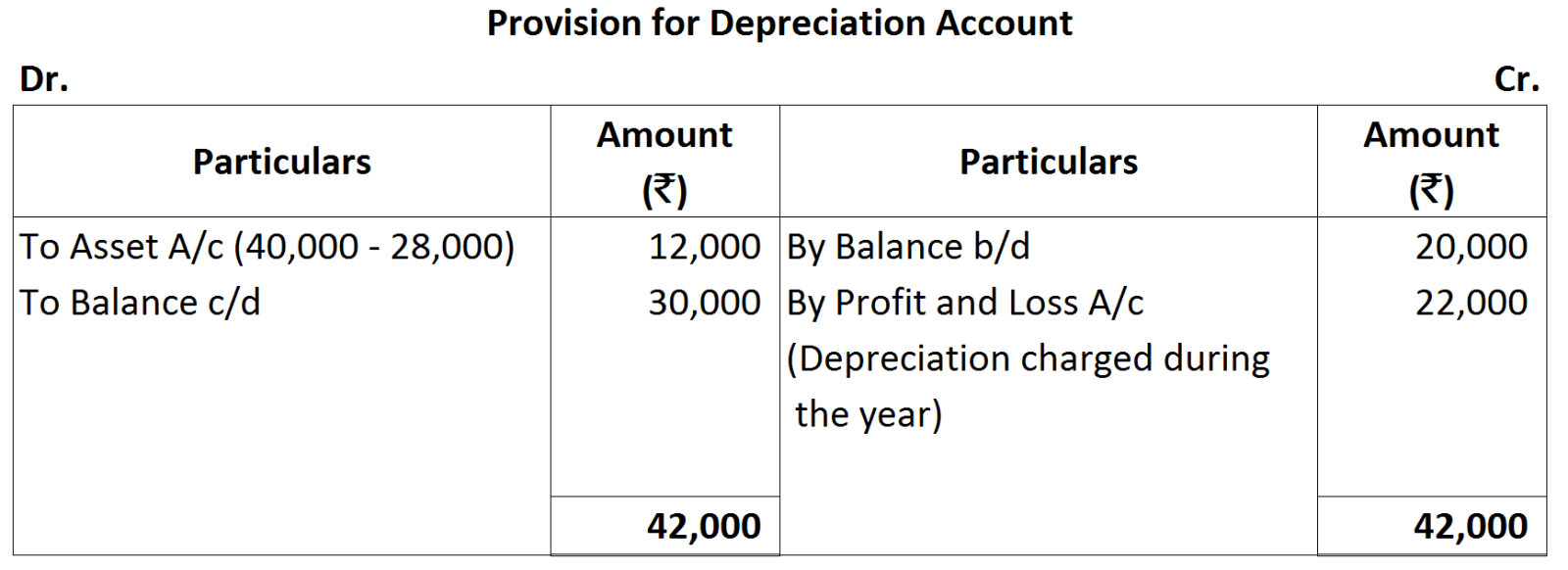
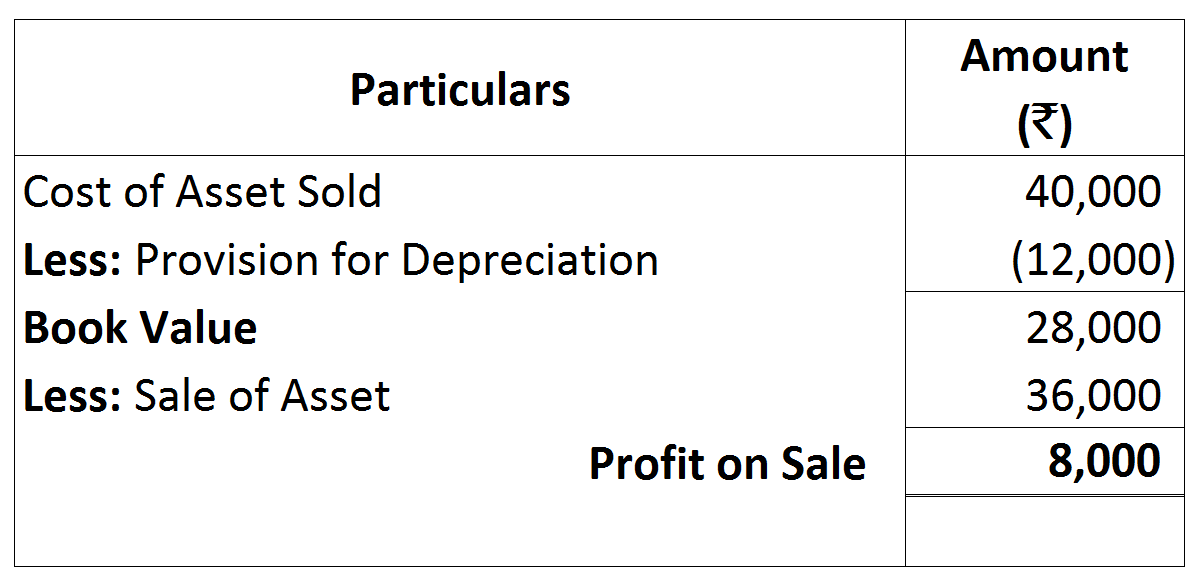
An asset costing ₹ 40,000 having book value of ₹ 28,000 was sold for ₹ 36,000.
Answer

Working Note 1:
View full question & answer
Question 334 Marks
From the following Balance Sheet of Combiplast Ltd. for the year ended 31st March, 2018 and additional information, calculate Cash Flow from Investing Activities
Notes to Accounts:
Answer

Working Notes:
View full question & answer
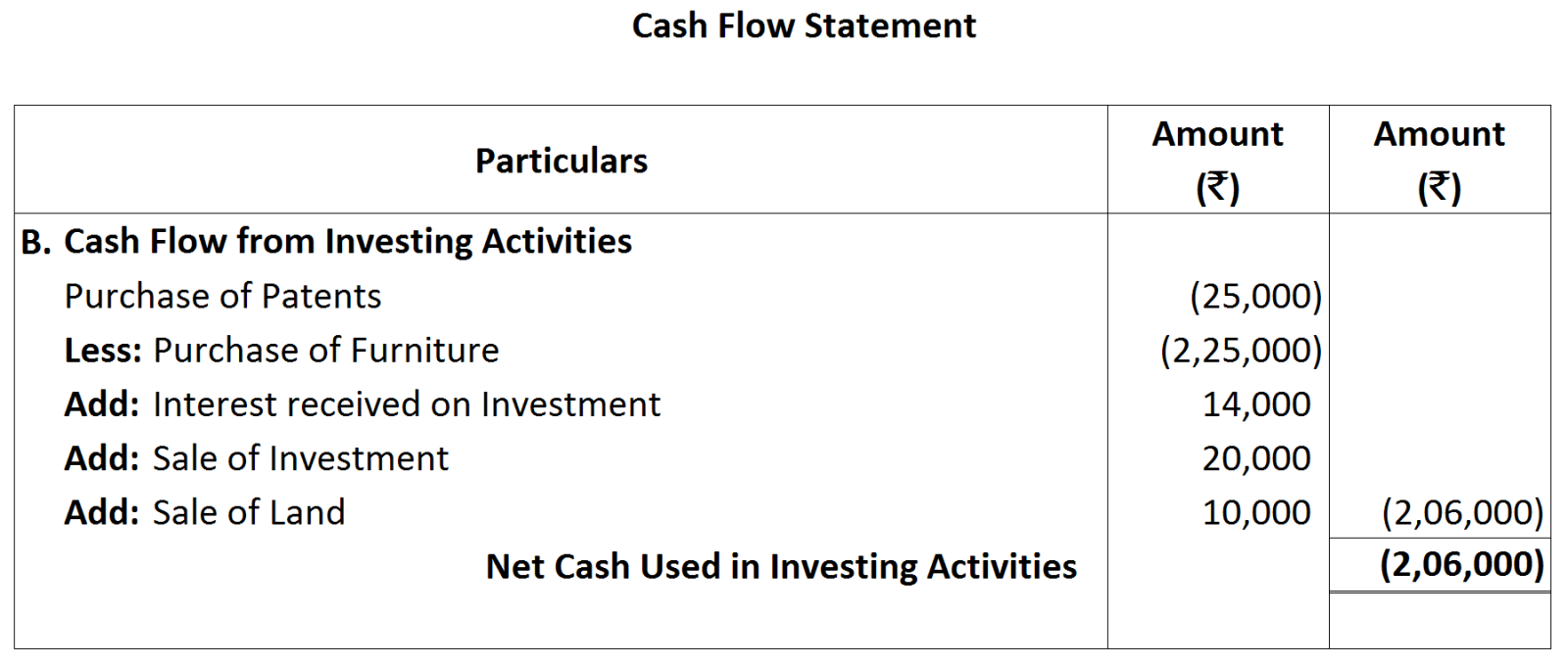
Question 344 Marks
From the following extracts of a company, calculate Cash Flow from Investing Activities:
Particulars
31st March, 20158 ₹
31st March, 2017 ₹
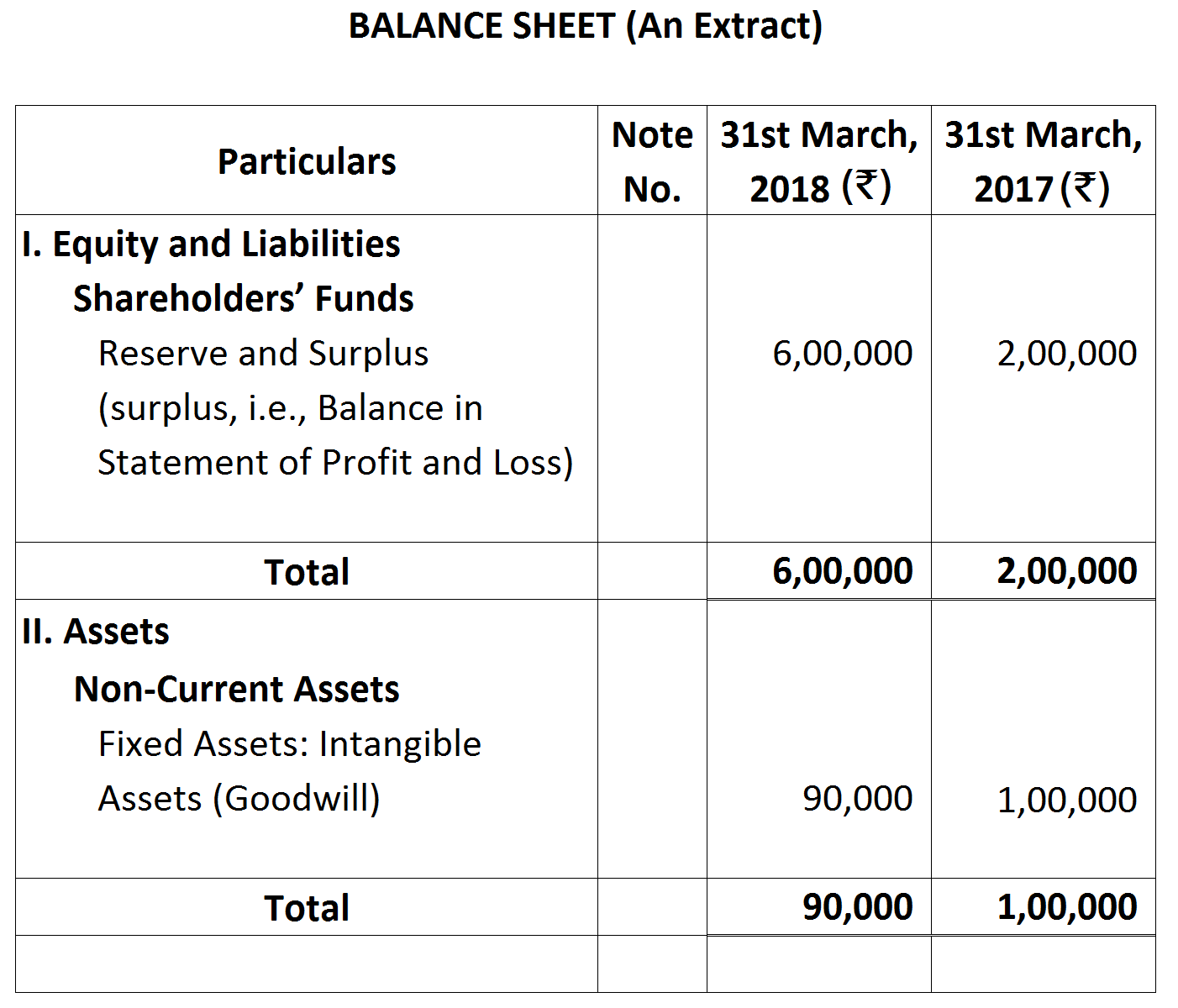
Goodwill
Patents
Land
Furniture
Plant and Machinery (Net)
10% Investments
Accrued Interest on Investments
75,000
1,00,000
90,000
2,46,000
2,00,000
1,80,000
6,000
1,00,000
75,000
1,00,000
21,000
2,00,000
2,00,000
……….
Answer

Note: It has been assumed that Investments have been sold at their Book Value at the end of the accounting period.
Working Notes:
Computation of Interest on Investments
 
 
Interest on Investment
 
$\Big(2,00,000\times\frac{10}{100}\Big)$
Interest on Investment
=
(6,000)
Interest received on Investment
=
14,000
View full question & answer
Question 354 Marks
Cash Flow from Operating Activities from the following information. Notes to Accounts:
Current Assets and current Liabilities:
As on 31st March, 2018 (₹)
As on April, 2017 (₹)
Inventorles
10,000
25,000
Trade receivables
25,000
20,000
Trade payables
32,500
35,000
Outstanding expenses
8,000
5,000
Prepaid expeses
5,000
3,500
View full question & answer
Question 374 Marks
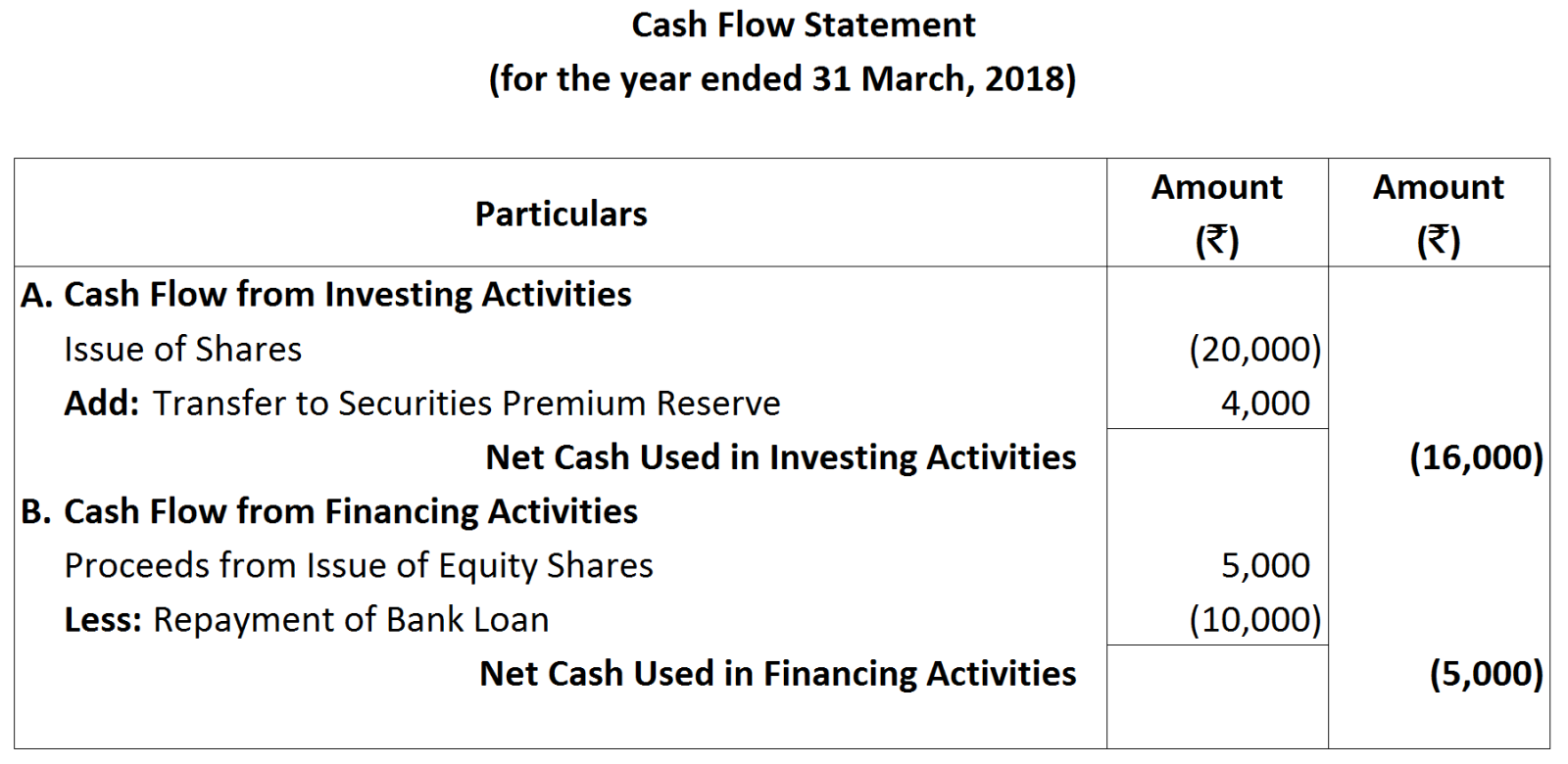
From the following information, calculate Cash Flow from Investing and Financing Activities:
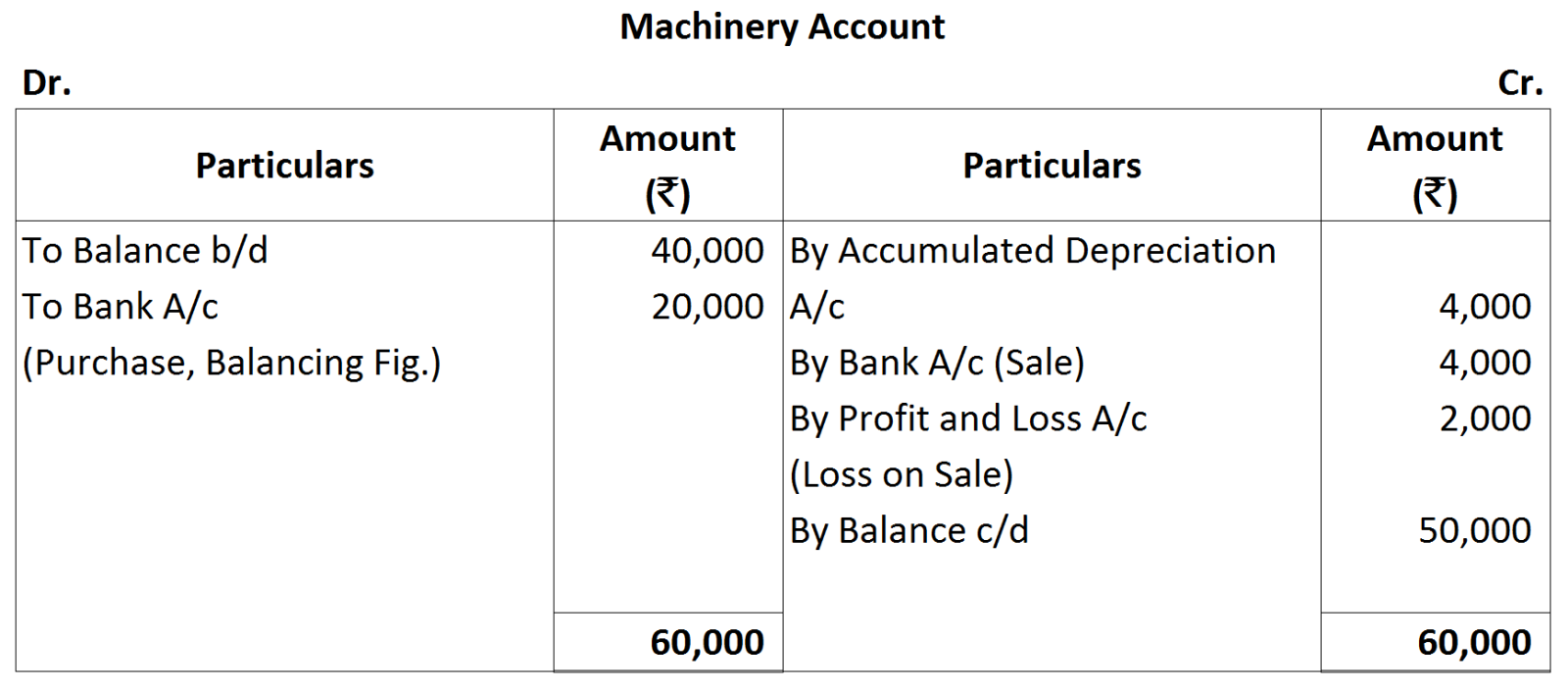
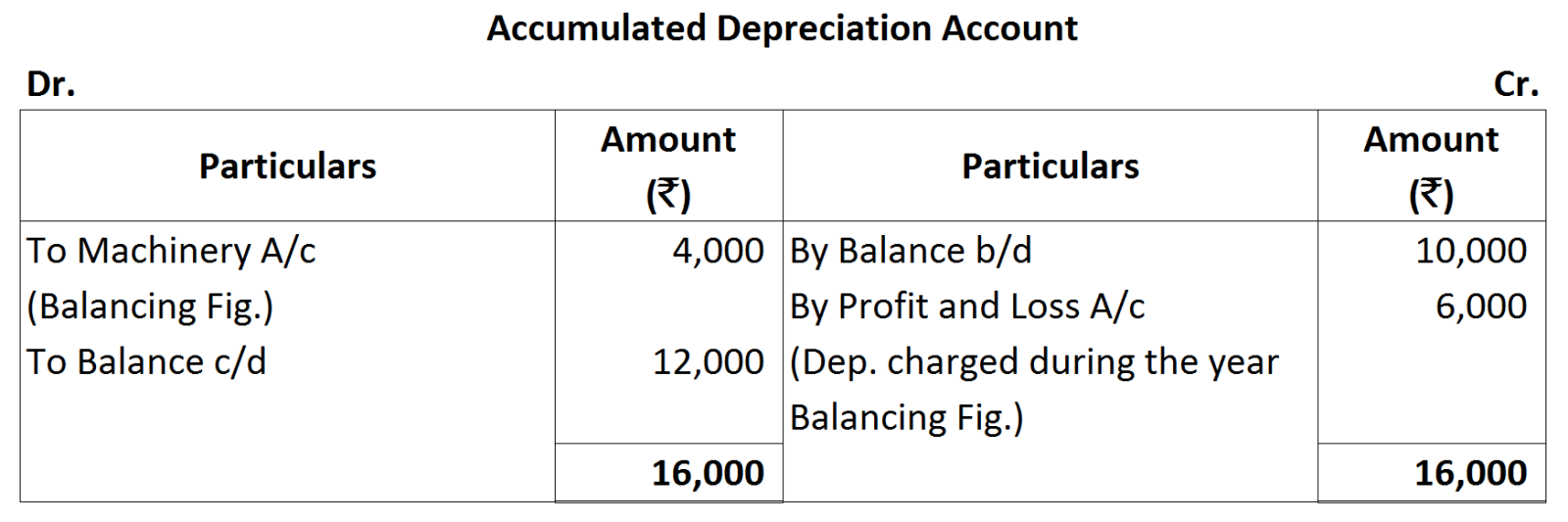
During the year, a machine costing ₹ 10,000 was sold at a loss of ₹ 2,000. Depreciation on machinery charged during the year amounted to ₹ 6,000.
Answer

Working Notes:

View full question & answer
4 Marks Question - Accountancy STD 12 Commerce Questions - Vidyadip