Questions

3 Marks Question

🎯

Test yourself on this topic

31 questions · timed · auto-graded

Question 13 Marks
Explain the relationship between sanitation and disease.
Answer
Sanitation and disease are related to each other as lack of sanitation can cause diseases.

In our country, a large number of people even today do not have sewerage facilities and thus defecate in open fields, railway tracks, etc. The untreated human excreta thus pollute soil and water sources including the underground water. When this contaminated water is used for drinking, it can cause diseases such as cholera, typhoid, hepatitis, dysentery, etc. which may even lead to death.

Therefore, lack of sanitation resulting in drinking of contaminated water can cause health problems.
View full question & answer
Question 23 Marks
Explain the function of bar screens in a wastewater treatment plant.
Answer
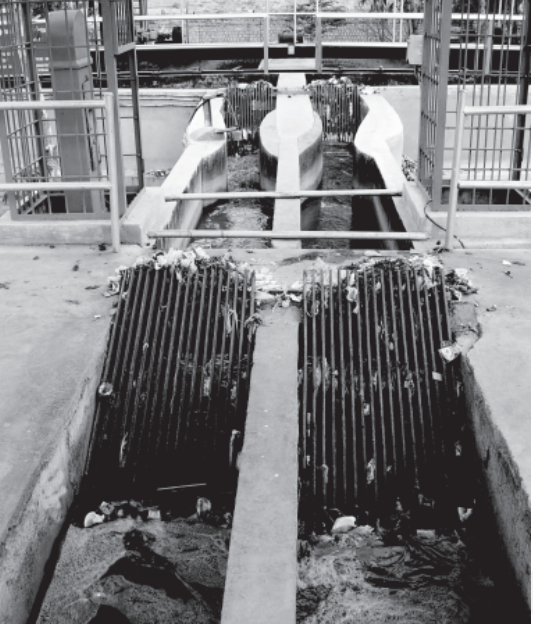
Image

Bar screen

In a wastewater treatment plant, bar screen removes large solid objects from water. The wastewater is allowed to pass through bar screen so that large solid objects such as rags, napkins, sticks, cans, plastic bags, polythene, etc. present in wastewater can be removed

View full question & answer
Question 33 Marks
Untreated human excreta is a health hazard. Explain.
Answer
Untreated human excretions are a health hazard. It causes pollution of soil and water including the underground water. Thus, it contaminates the sources of water from which people collect water for drinking and household purposes. When this contaminated water is used for drinking, it can cause diseases such as cholera, typhoid, hepatitis, dysentery, etc., which may even lead to death.
View full question & answer
Question 43 Marks
What is sludge? Explain how it is treated.
Answer
Semi-solids such as faeces that settle down during wastewater treatment are called sludge. This sludge is removed using a scraper and then transferred to a tank where it is decomposed by anaerobic bacteria to produce biogas. This biogas is used as a low-cost fuel for heating, cooking, etc. It is also used to produce electricity.
View full question & answer
Question 53 Marks
Describe the steps involved in getting clarified water from wastewater.
Answer
The steps involved in getting clarified water from wastewater are as follows:
$1)$ Use an aerator to bubble air through the wastewater. A mechanical stirrer or a mixer can also be used in place of the aerator. This helps in reducing bad odour of the wastewater.
$2)$ Then, the water is filtered through the layers of sand, fine gravel, and medium gravel. Filtration makes the wastewater clean from various types of pollutants. The water is filtered continuously until it becomes clear.
$3)$ Then any disinfectant such as chlorine tablet is added to the filtrate and stirred to obtain completely clear water.
View full question & answer
Question 63 Marks
Why should oils and fats be not released in the drain? Explain.
Answer
Oils and fats harden and block the sewage pipes. In an open drain also, fats block porosity of soil which affects its water filtering efficiency. That is why oils and fats should not be released in the drain.
View full question & answer
Question 73 Marks
What is sewage? Explain why it is harmful to discharge untreated sewage into rivers or seas
Answer
Sewage is the wastewater containing both liquid and solid wastes produced by human activities from homes, industries, hospitals, offices, etc.

Sewage contains various contaminants including disease-causing bacteria and other microbes. If untreated sewage is discharged into rivers or seas, then the water in the rivers or seas would also get contaminated. If this contaminated water is used for drinking, then it can cause diseases such as cholera, typhoid, dysentery, etc. which may lead to death. That is why it is harmful to discharge untreated sewage into rivers or seas.

View full question & answer
Question 83 Marks
Outline your role as an active citizen in relation to sanitation.
Answer
A citizen has many responsibilities regarding sanitation. Among other things, an active citizen should do the following with regard to maintaining proper sanitation:
$1)$ Ensure that his surroundings (both inside and outside home) are clean.
$2)$ Ensure that the sewerage system in his house is properly managed.
$3)$ If he notices some leakage or other problem in the sewerage system, he should report it to the municipality.
View full question & answer
Question 93 Marks
Explain the function of bar screens in a wastewater treatment plant.
Answer

In a wastewater treatment plant, bar screen removes large solid objects from water. The wastewater is allowed to pass through bar screen so that large solid objects such as rags, napkins, sticks, cans, plastic bags, polythene, etc. present in wastewater can be removed.

View full question & answer
Question 103 Marks
List few ways to control sewage generation.
Answer
Following are the ways to control sewage generation are:
  • Leakage in sewer lines should be checked & repaired regularly.
  • Do not defecate, spit or scatter litter in public places.
  • Used tea leaves, solid food remains, toys, towels etc. should not be thrown in water pipe because these materials may choke the pipe.
View full question & answer
Question 113 Marks
Water in a river is cleaned naturally. Do you agree? Think and explain.
Answer
Yes, river water is cleaned naturally by a process that is similar to wastewater treatment plant. As muddy water when flows through grass or weeds on its way to a stream, mud and solid particles get filtered out. At the bottom of a lake or stream, microorganism brings chemical changes in the water. The natural filtration process removes pollution from the roundwater throughout the process making it clean and fit for drinking.
View full question & answer
Question 123 Marks
Untreated human excreta is a health hazard. Explain.
Answer
Untreated human exceta contains many pathogenjs and disease causing microbe like cholera, diarrhea, typhoid, polio, meningitis, hepatitis etc. The germs of these diseases can easily reach human population through air, or insects and through contaminated food and water. Thus, untreared human excreta are a health hazard.
View full question & answer
Question 133 Marks
How water gets contaminated?
Answer
Water gets contaminated and scarcity of clean water is due to the following reasons:
  • People take baths and wash clothes in rivers and lakes.
  • Many people bathe their animals in rivers and lakes.
  • Increase in the population, industries and improper disposal of waste.
View full question & answer
Question 143 Marks
Explain the various types of sewage.
Answer
There are various types of sewage, depending upon its colour and odour. Some sewage is black and has a very bad odour.
  • Sullage water: Waste water released from the kitchen is called sullage water. The contaminants in sullage water are mild detergents, oils and food particles. Moreover, it contains lots of water released when utensils are washed.
  • Foul waste: Waste water released from toilets is termed as foul waste. It consists of human waste and a lot of bacteria that release gases and bad odour. It is highly infectious.
  • Trade waste: Waste released from industries and commercial organisations is called trade waste. It consists of acids and strong chemicals that are toxic in nature.
View full question & answer
Question 153 Marks
Recall and enlist some better house keeping practices.
Answer
We must minimise and manage waste at our houses before its disposal in the following manner:
  1. Cooking oil and fats should not be thrown down the drain. They can harden and block the pipes. In an open drain the fats clog the soil pores reducing its effectiveness in filtering water. Throw oil and fats in the dustbin.
  2. Used tealeaves, solid food remains, soft toys, cotton, sanitary towels, etc., should also be thrown in the dustbin. These wastes choke the drains. They do not allow free flow of oxygen. This hampers the degradation process.
  3. The chemicals like paints, solvents, insecticides, medicines and motor oils should $1$ State the role of screen bars in wastewater treatments, not be thrown in drains as they kill helpful $2$ Chlorination makes water fit for human consumption. How? microbes which digest the organic waste.
View full question & answer
Question 163 Marks
What is sewage? Explain why it is harmful to discharge untreated sewage into rivers or seas?
Answer
Sewage is waste water released by homes, industries, hospitals, offices and other users. It also includes rainwater that has run down the street during a storm or heavy rain. The water that washes off roads and rooftops carries harmful substances with it. Sewage is a liquid waste which has dissolved and suspended impurities as contaminants or pollutants. If this untreated sewage is discharged into rivers or seas, It may cause water pollution and soil pollution in which both the surface water and groundwater get polluted. Groundwater is a source of water for wells, tube wells, springs and many rivers. Therefore if it gets polluted, it becomes the most common route for water borne diseases. They include cholera, typhoid, polio, meningitis, hepatitis and dysentery.
View full question & answer
Question 173 Marks
Think and suggest some ways to minimise waste and pollutants at their source, taking your home as an example.
Answer
We can minimise waste and pollutants entering the water and create less wastewater by taking following few steps at home:
  1. By not throwing used tea leaves, solid food remains, etc. in the drain. We should throw it in the dustbin.
  2. By not throwing chemicals like medicines, paints, insecticides, etc. in the drain as they increase the pollution load of the sewage.
View full question & answer
Question 183 Marks
Fill in the blanks in the following statements using words given in the box.

air, handpumps, cholera, water, large, ground.

A very _______ number of our people defecate in the open. It may cause _______ pollution and soil pollution. Both the surface water and _______ water get polluted. _______ water is the source for wells, tubewells and _______. Thus it becomes the most common route for _______ borne diseases like _______, dysentery, etc.

Answer
A very large number of our people defecate in the open. It may cause water pollution and soil pollution. Both the surface water and ground water get polluted. ground water is the source for wells, tubewells and handpumps. Thus it becomes the most common route for water borne diseases like cholera, dysentery, etc.
View full question & answer
Question 193 Marks
Enlist the various causes of water pollution.
Answer
Water is polluted by various factors like:
  1. Bathing of cattle in river bodies.
  2. Washing of clothes & utensils by people in rivers.
  3. Discharging wastes from factories, industries in nearby river bodies & ponds.
View full question & answer
Question 203 Marks
Why should we not throw:
  1. Used tea leaves into sink?
  2. Cooking oil and fats down the drain?
Answer
  1. We should not throw used tea leaves into sink because it may choke the drain-pipe of the sink and do not allow the free fall of waste water through them.
  2. We should not throw cooking oil and fats down the drain because cooking oil and fats down the drain as it can harden and block the drainage pipes. And in an open drain, the fats clog the soil pores reducing its effectiveness in filtering water.
View full question & answer
Question 213 Marks
Explain why it is harmful to discharge untreated sewage into rivers or seas.
Answer
Sewage is wastewater released by homes, industries, hospitals, offices and other users. It also includes rainwater that has run down the street during a storm or heavy rain. The water that washes off roads and rooftops carries harmful substances with it. Sewage is a liquid waste which has dissolved and suspended impurities as contaminants or pollutants. If this untreated sewage is discharged into rivers or seas, It may cause water pollution and soil pollution in which both the surface water and groundwater get polluted. Groundwater is a source of water for wells, tube-wells, springs and many rivers. Therefore if it gets polluted, it becomes the most common route for water borne diseases. They include cholera, typhoid, polio, meningitis, hepatitis and dysentery.
View full question & answer
Question 223 Marks
What are the different types of inorganic and organic impurities generally present in sewage?
Answer
  1. The different types of inorganic and organic impurities present in sewage are as below.
  2. Inorganic impurities – nitrates, phosphates and metals.
  3. Organic impurities – fruit and vegetable wastes, oil, urea, human faeces, animal waste, pesticides and herbicides.
View full question & answer
Question 233 Marks
What is sludge? Explain how it is treated.
Answer
Semi-solids such as feaces that settle down during wastewater treatment are called sludge. This sludge is removed using a scraper and then transferred to a tank where it is decomposed by anaerobic bacteria to produce biogas. This biogas is used as a low cost fuel for heating, cooking, etc. It is also used to produce electricity.
View full question & answer
Question 243 Marks
Why should oils and fats be not released in the drain? Explain.
Answer
Oils and fats harden and block the sewage pipes. In an open drain also, fats block porosity of soil which affects its water filtering efficiency. That is why oils and fats should not be released in the drain.
View full question & answer
Question 253 Marks
Three statements are provided here which define the terms– $(a)$ sludge, $(b)$ sewage and $(c)$ wastewater. Pick out the correct definition for each of these terms.
  1. The settled solids that are removed in wastewater treatment with a scraper.
  2. Water from kitchen used for washing dishes.
  3. Wastewater released from homes, industries, hospitals and other public buildings.
Answer
  1. The settled solids that are removed in wastewater treatment with a scraper is sludge.
  2. Water from kitchen which is used for washing dishes is wastewater.
  3. Wastewater released from homes, industries, hospitals and other public buildings is sewage.
View full question & answer
Question 263 Marks
Outline your role as an active citizen in relation to sanitation.
Answer
A citizen has many responsibilities regarding sanitation. Among other things, an active citizen should do the following with regard to maintaining proper sanitation:
  1. Ensure that his surroundings (both inside and outside home) are clean.
  2. Ensure that the sewerage system in his house is properly managed.
  3. If he notices some leakage or other problem in the sewerage system, he should report it to the municipality.
View full question & answer
Question 273 Marks
Discuss vermi-processing toilets. Name the useful product obtained from such toilets.
Answer
In the vermi-processing toilet, the human excreta is treated by earthworms in a pit. The earthworms gradually eat up all the organic matter present in human excreta, decompose it and pass out from their body in the form of warm casting (also called vermi cakes). The useful product obtained from a vermi-processing toilet is vermi cakes which is kind of high quality manure.
View full question & answer
Question 283 Marks
Describe the steps involved in getting clarified water from wastewater.
Answer
The steps involved in getting clarified water from wastewater are as follows:
  1. Use an aerator to bubble air through the wastewater. A mechanical stirrer or a mixer can also be used in place of the aerator. This helps in reducing bad odour of the wastewater.
  2. Then, the water is filtered through the layers of sand, fine gravel, and medium gravel. Filtration makes the wastewater clean from various types of pollutants. The water is filtered continuously until it becomes clear.
  3. Then any disinfectant such as chlorine tablet is added to the filtrate and stirred to obtain completely clear water.
View full question & answer
Question 293 Marks
Here is a crossword puzzle: Good luck!
Across
  1. Liquid waste products.
  2. Solid waste extracted in sewage treatment.
  1. A word related to hygiene.
  1. Waste matter discharged from human body.
Down
  1. Used water.
  2. A pipe carrying sewage.
  3. Micro-organisms which causes cholera.
  4. A chemical to disinfect water.
View full question & answer
Question 303 Marks
What is sewage? Explain why it is harmful to discharge untreated sewage into rivers or seas.
Answer
Sewage is the wastewater containing both liquid and solid wastes produced by human activities from homes, industries, hospitals, offices, etc.
Sewage contains various contaminants including disease-causing bacteria and other microbes. If untreated sewage is discharged into rivers or seas, then the water in the rivers or seas would also get contaminated.
If this contaminated water is used for drinking, then it can cause diseases such as cholera, typhoid, dysentery, etc. which may lead to death. That is why it is harmful to discharge untreated sewage into rivers or seas.
View full question & answer
Question 313 Marks
Complete .the table given below of the contaminant survey.
Types of sewage
Point of origin
Substances which contaminate
Any other remark
Sullage water.
Kitchen.
 
 
Foul waste.
Toilets.
 
 
Trade waste.
Industrial and commercial organisations.
 
 
Answer
Given below is the table of contaminant survey explaining types of sewage with their point of origin an contaminate in them.
Type of sewage
Point of origin
Substances which contaminate
Any other remark
Sullage water.
Kitchen.
Cooking oils, fats, etc.
May choke drains.
Foul waste.
Toilets.
Faeces and urine.
Cause diseases like dysentery, cholera, etc.
Trade waste.
Industrial and commercial organisations.
Chemicals like paints, solvents, motor oil, etc.
Causes water and soil pollution.
View full question & answer