Question 15 Marks
What is a centromere? How does the position of centromere form the basis of classification of chromosomes. Support your answer with a diagram showing the position of centromere on different types of chromosomes.
Answer
Centromere is a constriction present on the chromosomes where the chromatids are held together. Chromosomes are divided into four types based on the position of the centromere.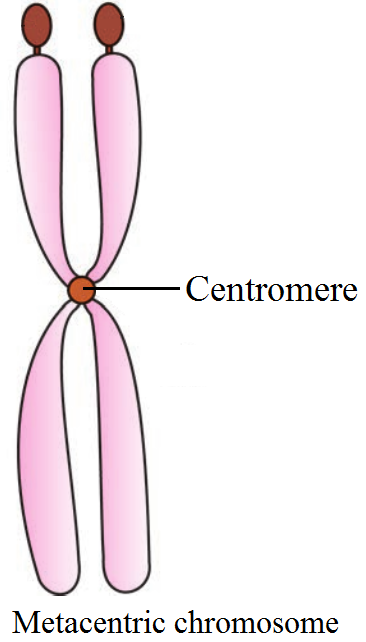
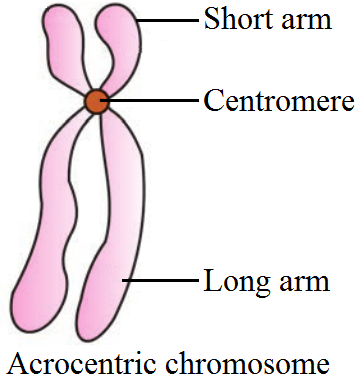
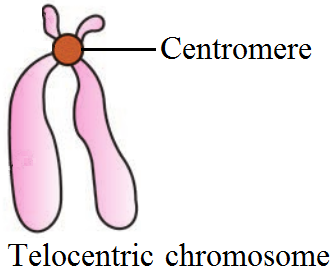
View full question & answer→Centromere is a constriction present on the chromosomes where the chromatids are held together. Chromosomes are divided into four types based on the position of the centromere.
- Metacentric chromosome
- Sub-metacentric chromosome
- Acrocentric chromosome
- Telocentric chromosome
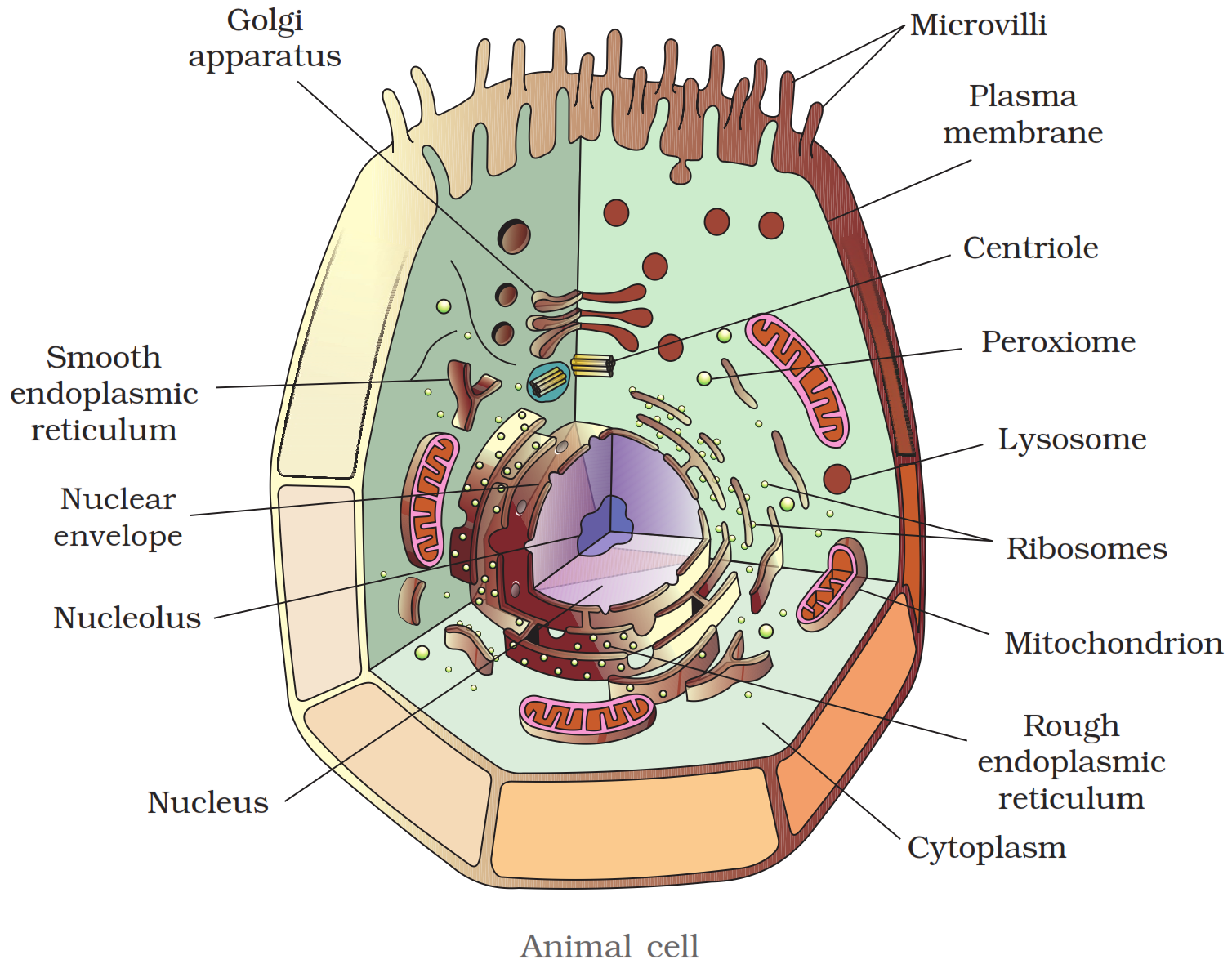
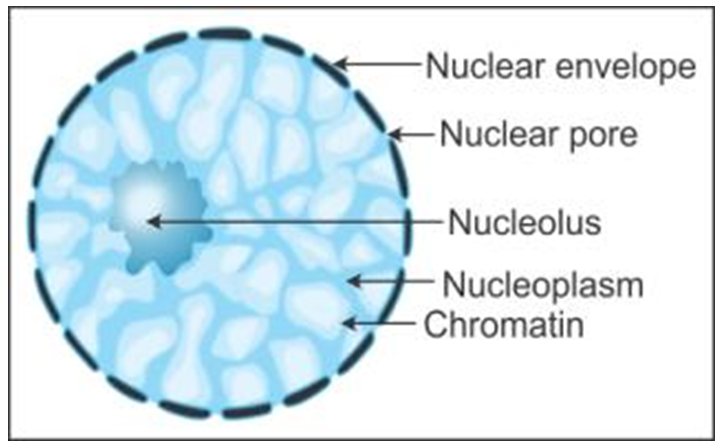 Nucleus: The nucleus is a double membrane structure which contains the genetic material. It is generally round or oval shaped. It has five parts - nuclear envelope, nucleoplasm, nuclear matrix, chromatin and nucleolus.
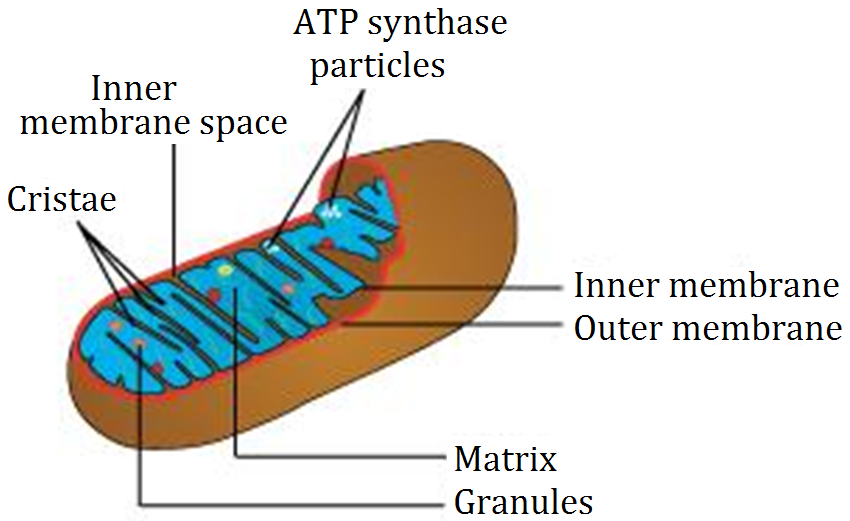 Functions of mitochondria:
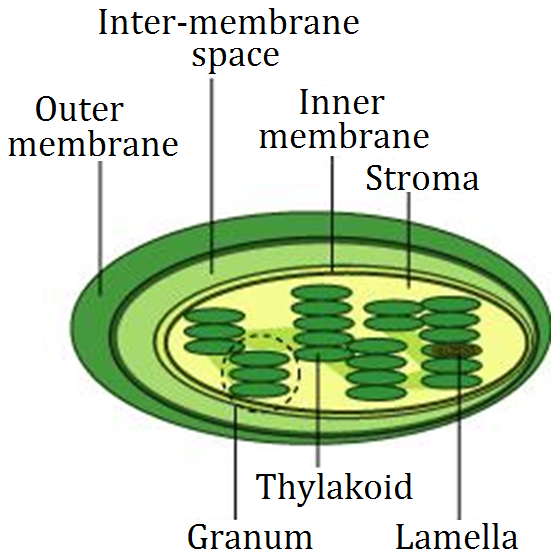 Functions of chloroplast:
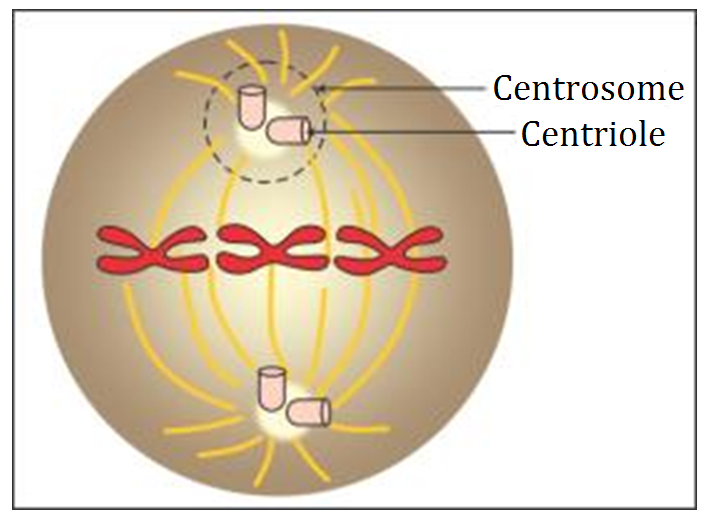 Centrosome: The centrosome is an organelle containing two cylindrical structures called centrioles. They are surrounded by amorphous pericentriolar materials. Both the centrioles in a centrosome lie perpendicular to each other in which each has an organisation like the cartwheel. They are made up of nine evenly spaced peripheral fibrils of tubulin protein. Each of the peripheral fibril is a triplet. The adjacent triplets are linked together. There is a proteinaceous hub in the central part of a centriole which is connected to the triplets via radial spokes. The centrosome plays an important role during cell division by organising the spindle fibres and astral rays. They form the basal body of cilia and flagella.
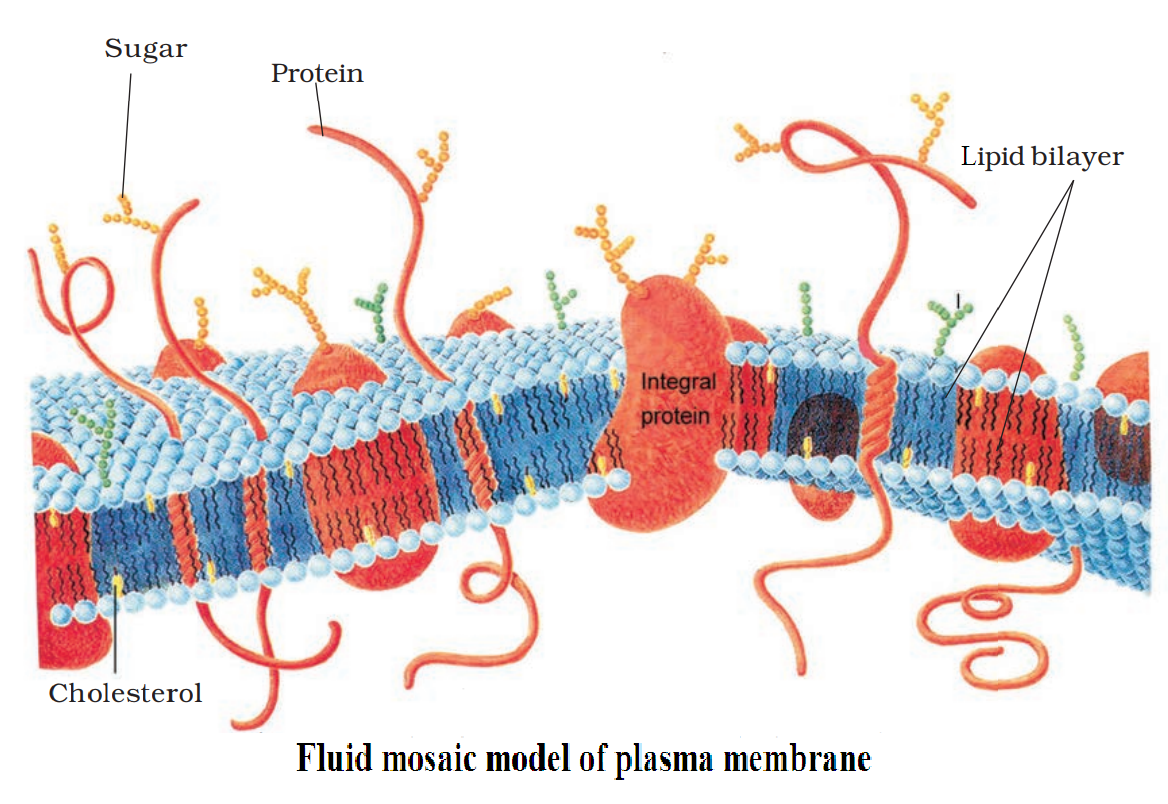 The lipid molecule possess both polar hydrophilic (water loving) and non-polar hydrophobia (water repelling) ends. The hydrophilicregion is in the form of a head, while the hydrophobic part contains two tails of fatty acid. Hydrophobic tail is present towardsthe centre of the membrane. This structures result is the formation of lipid bilayer known as unit membrane/biologicalmembrane/cell membrane.
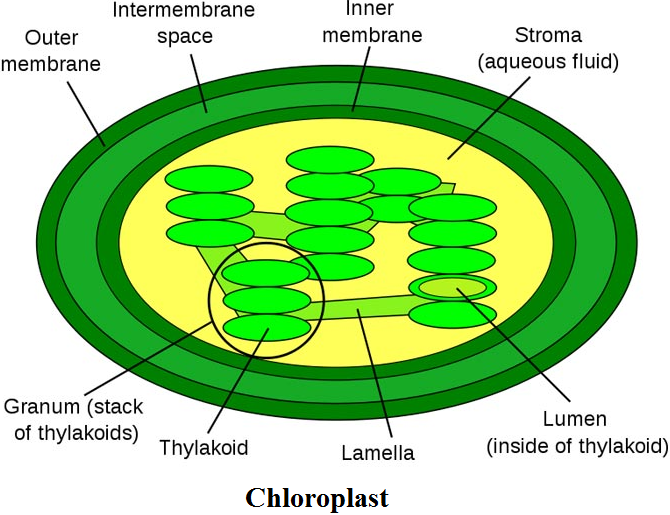 Structure of Chloroplasts: Like mitochondria, the chloroplasts are also double membrane bound. Of the two, the inner chloroplast membrane is relatively less permeable. The space limited by the inner membrane of the chloroplast is called the stroma. A number of organised flattened membranous sacs called the thylakoids, are present in the stroma. Thylakoids are arranged in stacks like the piles of coins called grana (singular: granum) or the intergranal thylakoids. In addition, there are flat membranous tubules called the stroma lamellae connecting the thylakoids of the different grana. The membrane of the thylakoids enclose a space called a lumen. The stroma of the chloroplast contains enzymes required for the synthesis of carbohydrates and proteins. It also contains small, double-stranded circular DNA molecules and ribosomes. Chlorophyll pigments are present in the thylakoids. The ribosomes of the chloroplasts are smaller (70S) than the cytoplasmic ribosomes (80S).