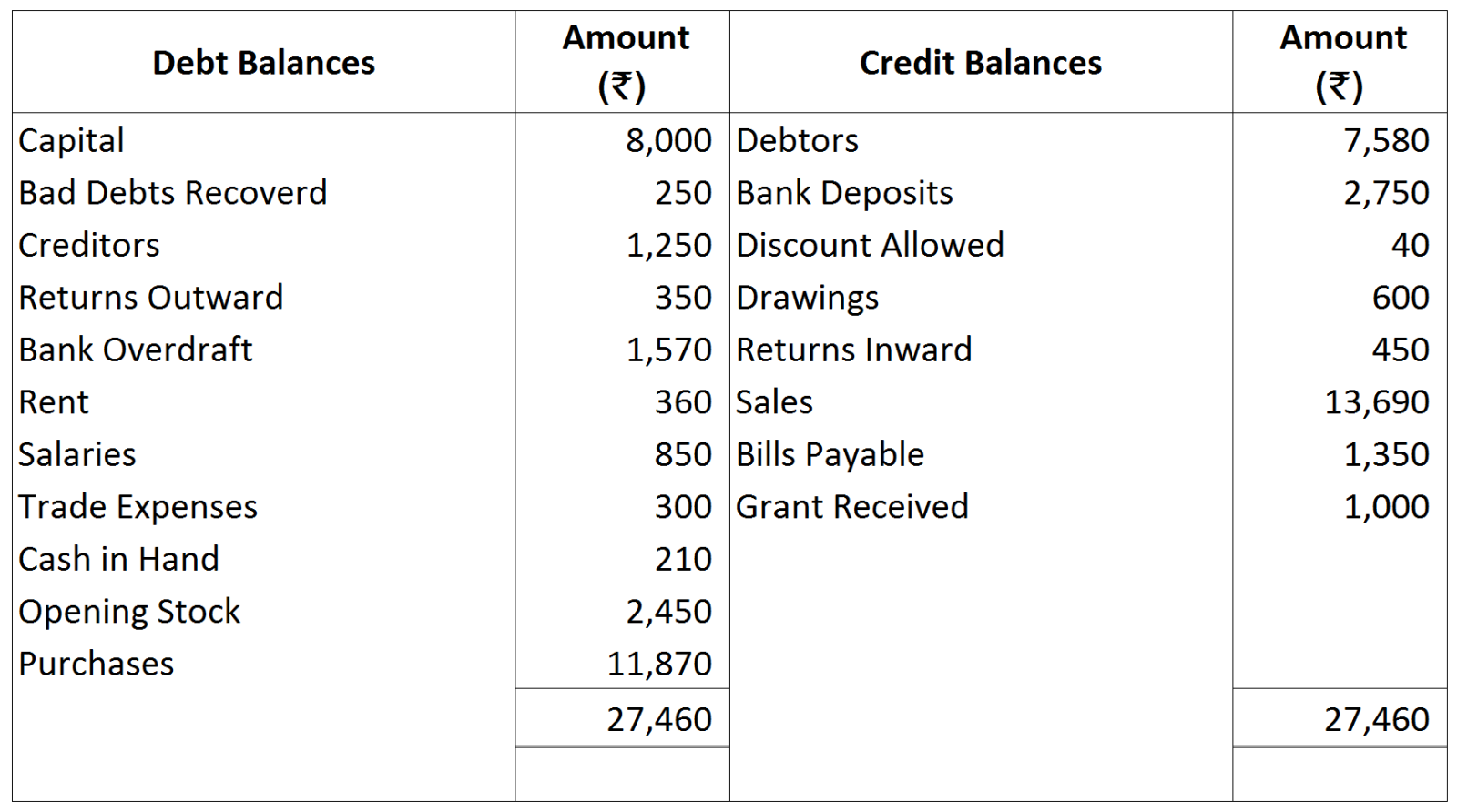
Question
Fill up the missing information in the following journal entries:
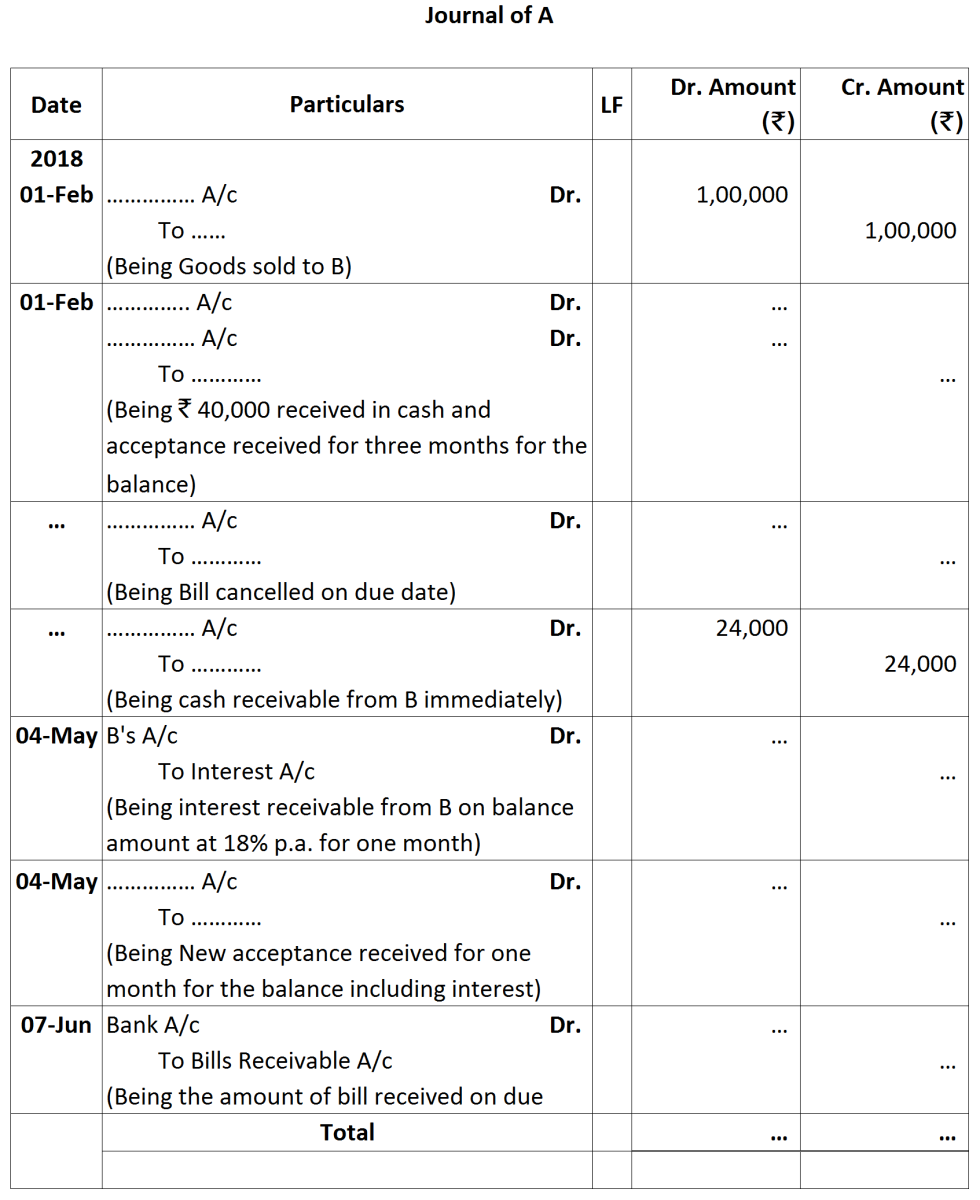
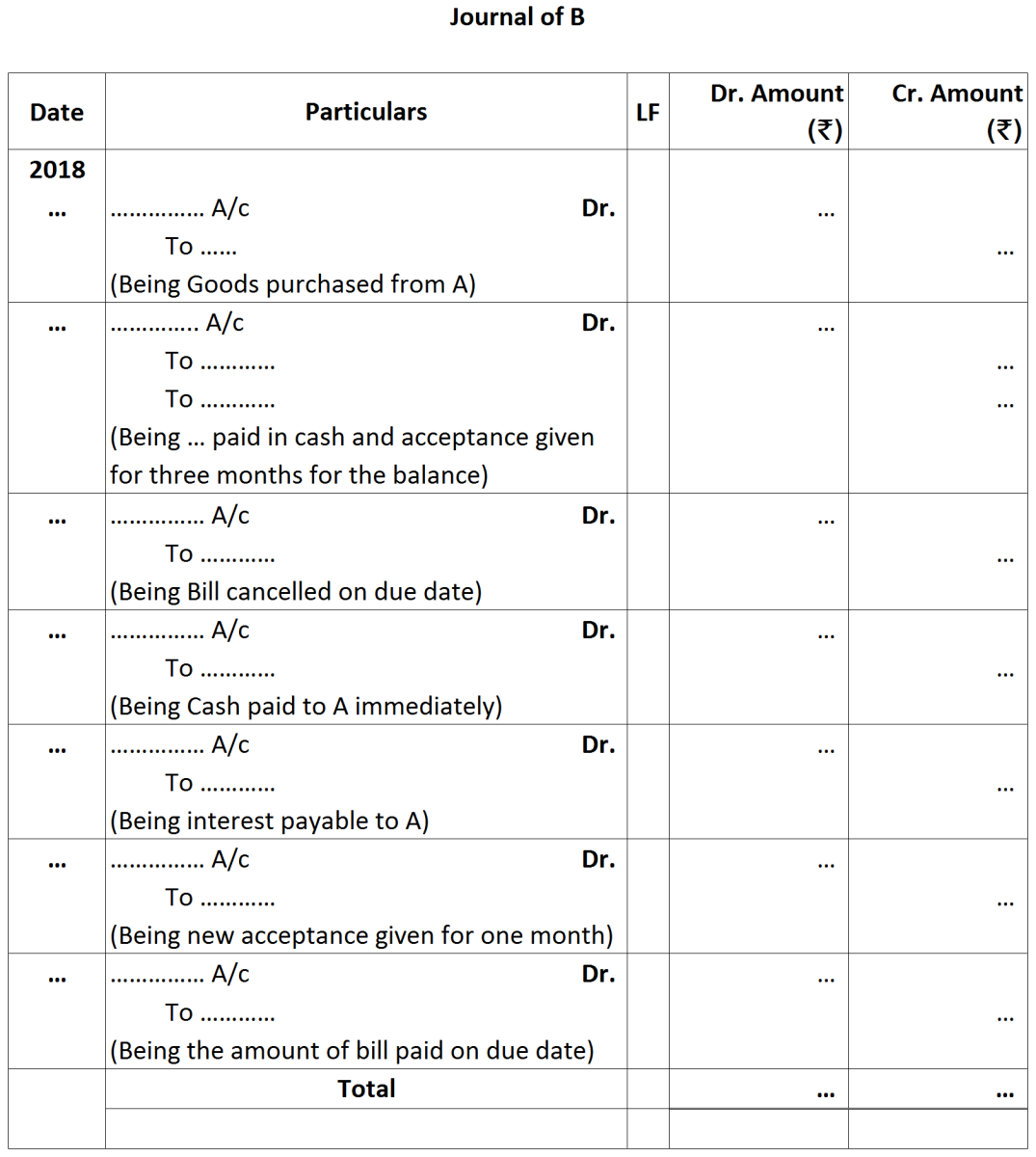
Answer

Get the step-by-step solution for this question inside the Vidyadip app.

Get the answer in the app

Need a full question paper?

Generate a complete, print-ready paper with questions like this in minutes — across 16+ boards, with answer keys.

Start Generating Free

Similar questions

Journalise the following transactions:
2018
 
April 1
Purchased goods for ₹ 1,00,000 from Manoj and availed discount of ₹ 10,000
April 2
Paid amount due to Manoj by cheque and availed discount of ₹ 4,500
April 5
Cash ₹ 5,000 paid to Desai and discount allowed by him ₹ 200
April 10
Cash ₹ 10,000 received from Govardhan and allowed him discount ₹ 500.
April 12
Sold personal Car of the proprietor for ₹ 80,00 against cheque, which was deposited into the firm's bank account.
April 16
Sold personal Car of the proprietor for ₹ 1,50,000 against cheque, which was deposited into the proprietor's personal bank account.
April 20
Sold goods to Gaurav costing ₹ 1,00,000 at a profit of 40% and allowed him 10% trade discount and paid for cartage ₹ 3,000 not to be charged from him.
April 24
Placed an order with Rudra & Co. for supply of goods of ₹ 80,000 and a cheque for 40% amount is sent to them as an advance.
A Company purchased a machinery for ₹ 50,000 on 1st Oct., 2016. Another machinery costing ₹ 10,000 was purchased on 1st Dec., 2017. On 31st March, 2019, the machinery purchased in 2016 was sold at a loss of ₹ 5,000. The Company charges depreciation at the rate of 15% p.a. on Diminishing Balance Method. Accounts are closed on 31st March every year.
Prepare Machinery account for 3 years.
Rectify the following errors and ascertain the amount of difference in trial balance by preparing suspense account:
  1. Credit sales to Mohan ₹ 7,000 were posted as ₹ 9,000.
  2. Credit purchases from Rohan ₹ 9,000 were posted as ₹ 6,000.
  3. Goods returned to Rakesh ₹ 4,000 were posted as Rs. 5,000.
  4. Goods returned from Mahesh ₹ 1,000 were posted as ₹ 3,000.
  5. Cash sales ₹. 2,000 were posted as ₹ 200.
Redraft correctly the Trial Balance given below:
Bobby opened a consulting firm and completed these transactions during November, 2017:
  1. Invested ₹ 4,00,000 cash and office equipment with ₹ 1,50,000 in a business called Bobbie Consulting.
  2. Purchased land and a small office building. The land was worth ₹ 1,50,000 and the building worth ₹ 3,50,000. The purchase price was price was paid with ₹ 2,00,000 cash and a long term note payable for ₹ 3,00,000.
  3. Purchased office supplies on credit for ₹ 12,000.
  4. Bobbie transferred title of motor car to the business. The motor car was worth ₹ 90,000.
  5. Purchased for ₹ 30,000 additional office equipment on credit.
  6. Paid ₹ 75,00 salary to the office manager.
  7. Provided services to a client and collected ₹ 30,000
  8. Paid ₹ 4,000 for the month’s utilities.
  9. Paid supplier created in transaction c.
  10. Purchase new office equipment by paying ₹ 93,000 cash and trading in old equipment with a recorded cost of ₹ 7,000.
  11. Completed services of a client for ₹ 26,000. This amount is to be paid within 30 days.
  12. Received ₹ 19,000 payment from the client created in transaction k.
  13. Bobby withdrew ₹ 20,000 from the business.
Analyse the above stated transactions and open the following T-accounts: Cash, client, office supplies, motor car, building, land, long term payables, capital, withdrawals, salary, expense and utilities expense.
Show the accounting equation on the basis of the following transactions and present a Balance Sheet of the last new equation balance:
    (₹)
i. Mohan commenced business with 70,000
ii. Purchased goods on Credit 14,000
iii. Withdrew for private use 1,700
iv. Purchased goods for Cash 10,000
v. Paid wages 300
vi. Paid to Creditors 10,000
vii. Sold goods on Credit at par 15,000
viii. Sold goods for Cash (cost price was ₹ 3,000) 4,000
ix. Purchased furniture for cash 500
Explain the qualitative characteristics of accounting information.
From the following particulars make out the Bank Reconciliation Statement as on 31st December 2016.
  1. Pass book showed a credit balance of ₹ 15,000 on 31st December 2016.
  2. Cheques of ₹ 17,500 were issued but cheques of ₹ 12,000 only presented for payment till 31st December.
  3. Cheques of ₹ 10,000 were sent to the bank for Collection. Out of which cheques of ₹ 2,000 were credited in the month of January 2017.
  4. Bank paid ₹ 300 as per standing instructions but no record made in the cash book.
  5. Bank charged interest on overdraft ₹ 800 and it was entered twice in pass book by bank.
  6. ₹ 40 as bank charges not recorded in the cash book.
  7. Bank receives ₹ 200 as interest on debentures, but no information being sent to the customer.
(Transfer Entries). Give the Journal entries for the following:
  1. Gross Profit of ₹ 32,000 from Trading Account to Profit and Loss Account.
  2. Net Profit of ₹ 14,500 to Capital Account of Sri Sankar Saha.
  3. Sri Sankar Saha draws ₹ 10,000 from his Capital Account.
  4. Purchases Return of ₹ 7,000 plus IGST @ 12%.
  5. Sales Return of ​₹ 6,000 plus CGST and SGST @ 6% each.
Rectify the following errors assuming that Suspense Account was opened. Ascertain the difference in Trial Balance.
  1. Credit sales to Mohan ₹ 7,000 were recorded in Purchase Book. However, Mohan's Account was correctly debited.
  2. Credit purchases from Rohan ₹ 9,000 were recorded in Sales Book. However, Rohan's Account was correctly credited.
  3. Goods returned to Rakesh ₹ 4,000 were recorded in Sale Returns Book. However, Rakesh's Account was correctly debited.
  4. Goods returned from Mahesh ₹ 1,000 were recorded through Purchase Returns Book. However, Mahesh's Account was correctly credited.
  5. Goods returned to Naresh ₹ 2,000 were recorded through Purchases Book. However, Naresh's Account was correctly debited.