→We know that a magnet possesses the property of attracting iron.
→Magnetic phenomena are universal in nature. The earth's magnetism predates human evolution.
→The word magnet is derived from the name of an island in Greece called 'magnesia' where magnetic ore deposits were found, around 600 BC .
→Shepherds on this island complained that their wooden shoes (which had nails) at times stuck to the ground. This property of magnets made it difficult for them to move around.
→The directional property of magnets was also known since ancient times. A thin and long piece of a magnet, when suspended freely, points in the north-south direction.
→The name loadstone (OR lode stone) was given to a naturally occuring ore of iron-magnetite, which means leading stone.
→The very first use of magnet (OR magnetic needles) was done by the Chinese for navigation on ships.
→Caravans crossing the Gobi Desert also employed magnetic needles.
→About four thousand years ago, an emperor Huang-ti got built a chariot by his craftsmen ('engineers' of today) on which they placed a magnetic figure with arms out stretched.
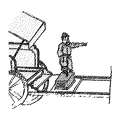
→The figure swiveled around so that the figure of the statuette on it always pointed south. With this chariot, Huang-ti's troops were able to attack the army of enemy from the rear in thick fog, and were able to defeat them.