The image formed by a plane mirror is always:
- AReal
- BRrect
- CVirtual
- ✓Both $(b)$ and $(c)$
Answer: D.
View full solution →520 questions across 11 question groups — pick any mix to generate a Science paper with step-by-step answer keys.
M.C.Q. [I MARKS]
282 Q→02Give the definition [1 M]
13 Q→03differences [2marks]
2 Q→04Fill in the blanks: [1 M]
28 Q→05questions in short. [2 marks ]
90 Q→06scientific reasons[2 marks ]
2 Q→07true or false. [1 M]
18 Q→08questions in short. [3 marks ]
36 Q→09questions in details [4 marks ]
22 Q→10questions in on sentence. [1 M]
21 Q→11case /data -based (4 Marks)
6 Q→One sample from each question group in this chapter. Select any group above to see the full set with answer keys.
Answer: D.
View full solution →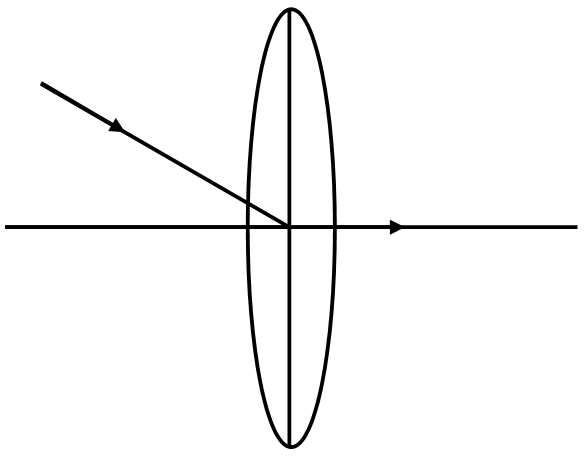
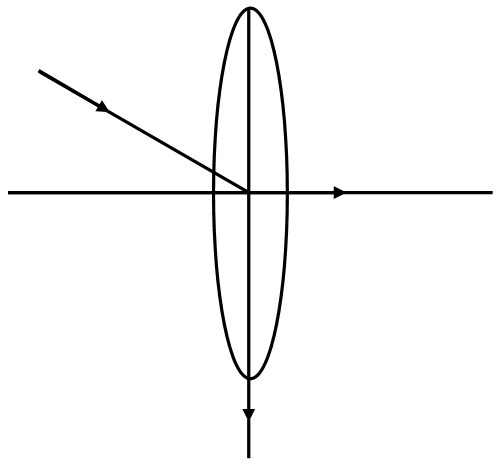
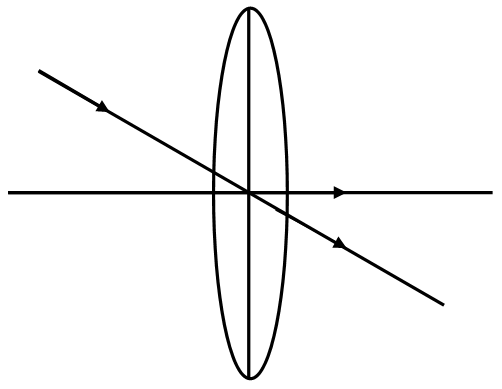
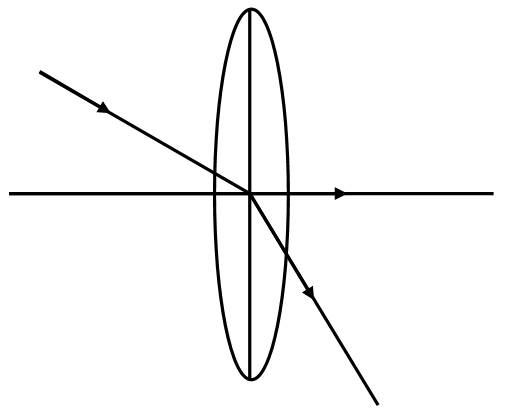
Answer: A.
View full solution →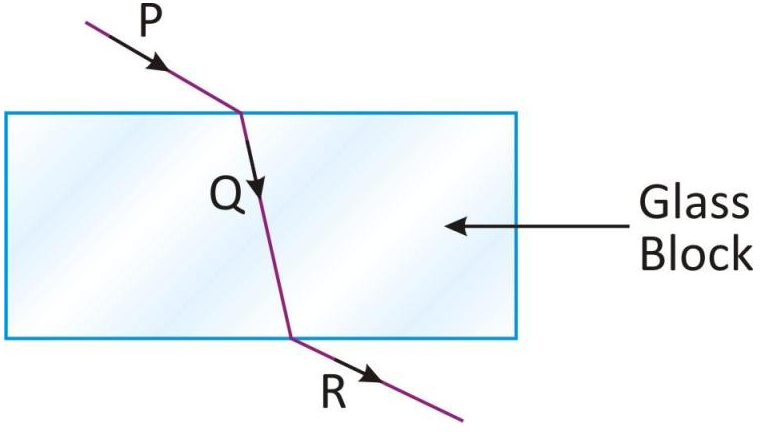
| $P$ | $Q$ | $R$ |
| Incident ray | Emergent ray | Refracted ray |
| $P$ | $Q$ | $R$ |
| Incident ray | Refracted ray | Emergent ray |
| $P$ | $Q$ | $R$ |
| Emergent ray | Incident ray | Refracted ray |
| $P$ | $Q$ | $R$ |
| Emergent ray | Refracted ray | Incident ray |
Answer: B.
View full solution →Answer: A.
View full solution →Answer: A.
View full solution →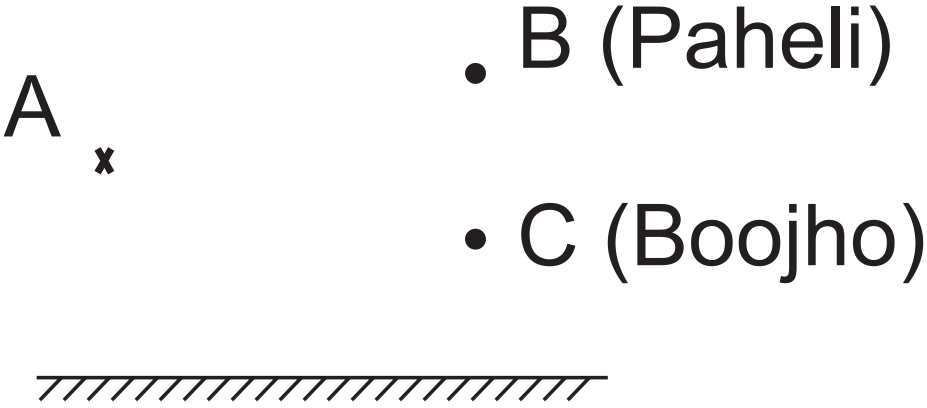
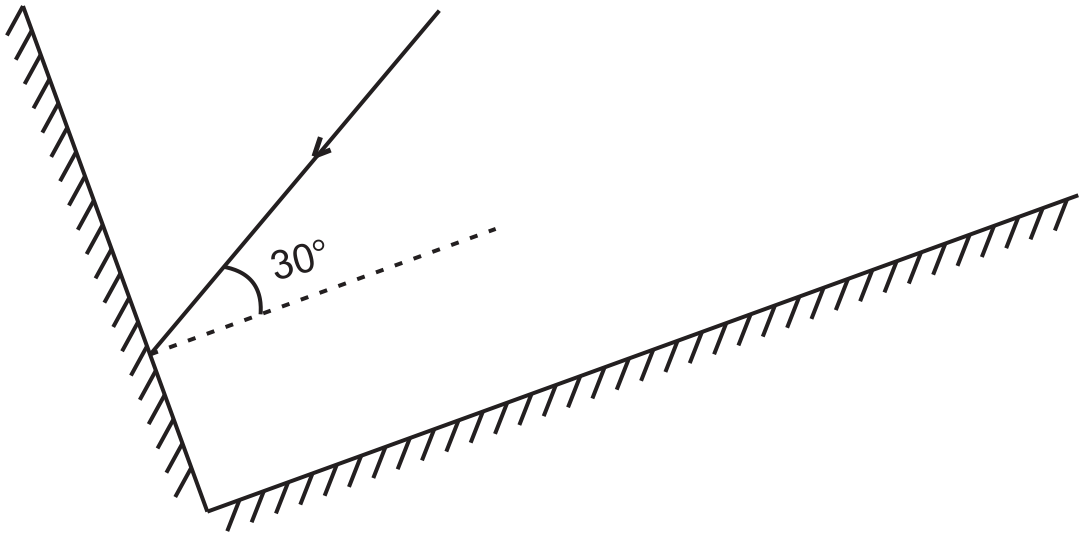
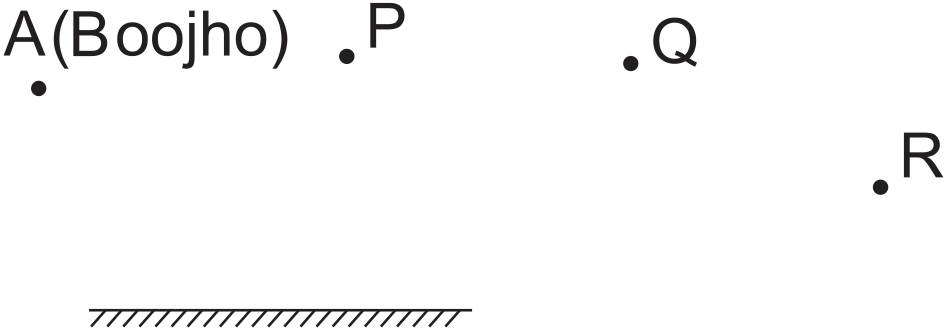
Answer: A.
View full solution →
| Is the statement true? | Yes or No |
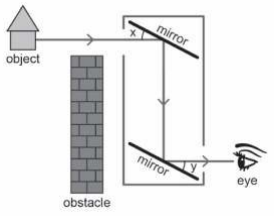
| Angle $x$ should be equal to angle $y.$ | Yes/No |
| Object to be viewed should be within $5\ m$ of the periscope. | Yes/No |
| Top of the periscope should be higher than the top of the obstacle. | Yes/No |
Pick question groups from the list above, set marks and difficulty, and export a branded PDF with step-by-step answer keys. First 3 chapters free — no signup.