Question 15 Marks
Complete the following table.
| Shape | Rough figure | Number of lines of symmetry |
| Equilateral Triangle | 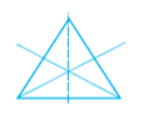 |
|
| Square | ||
| Rectangle | ||
| Isosceles Triangle | ||
| Rhombus | ||
| Circle |
Answer
View full question & answer→The above table can be completed as follows:
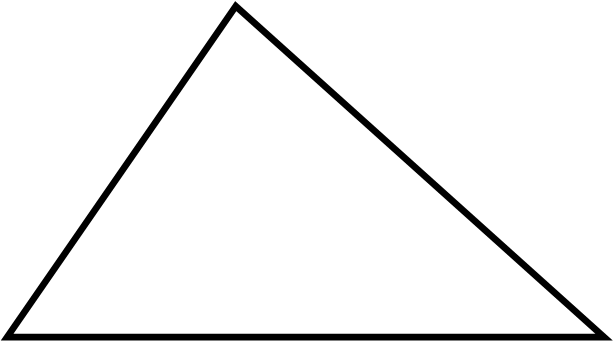
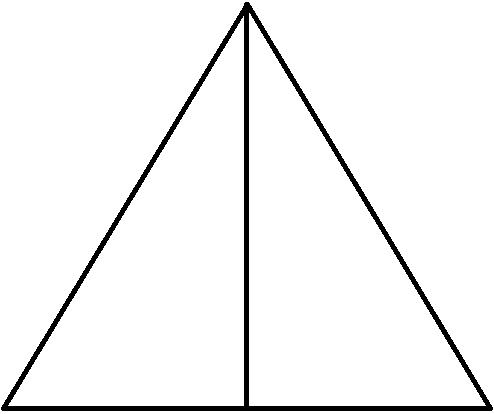
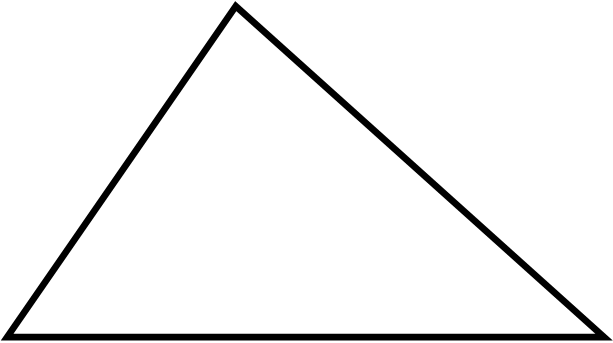
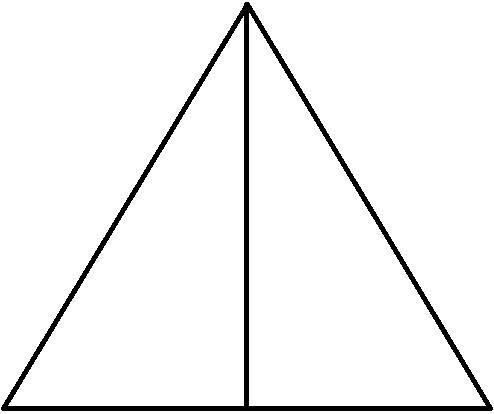
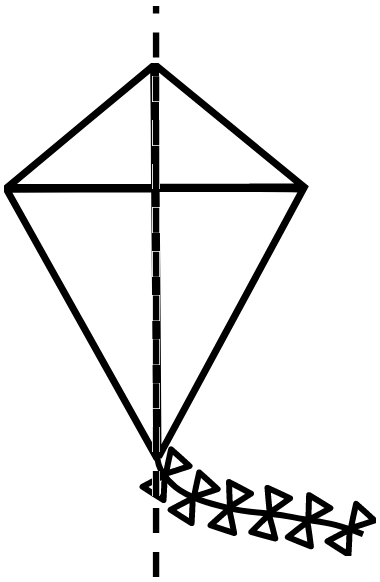
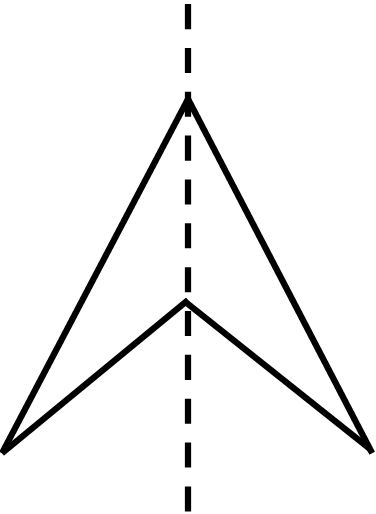
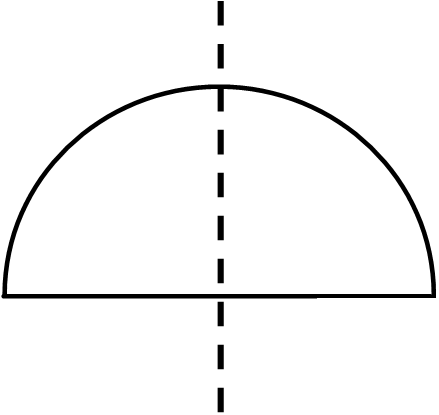
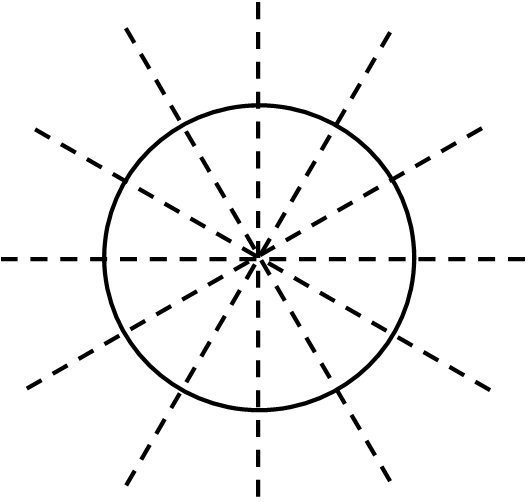
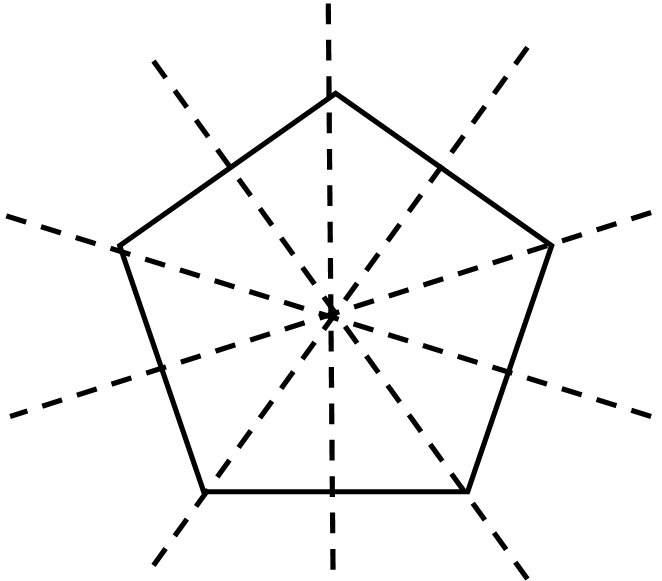
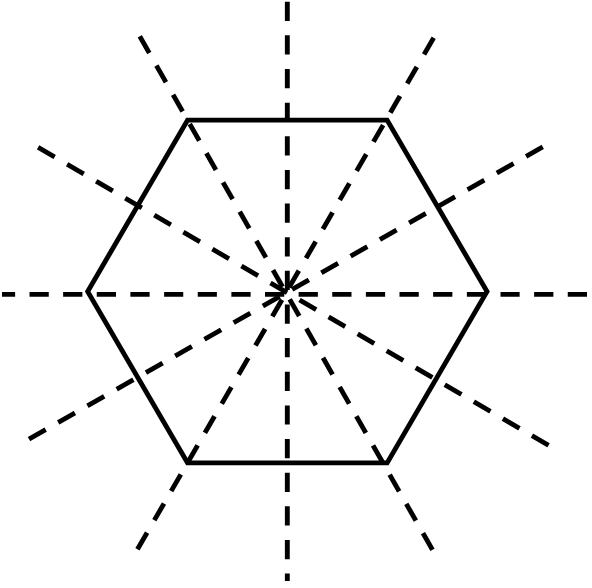
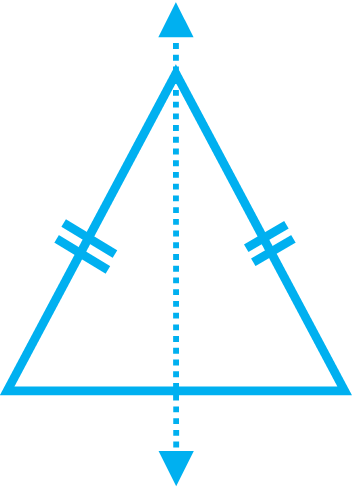
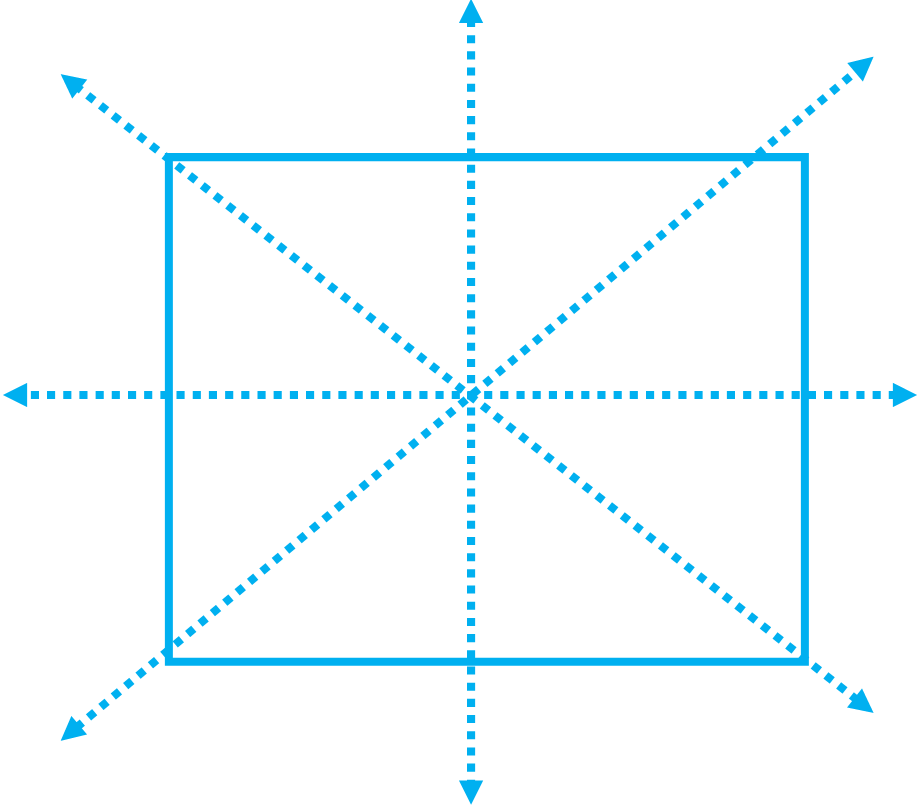
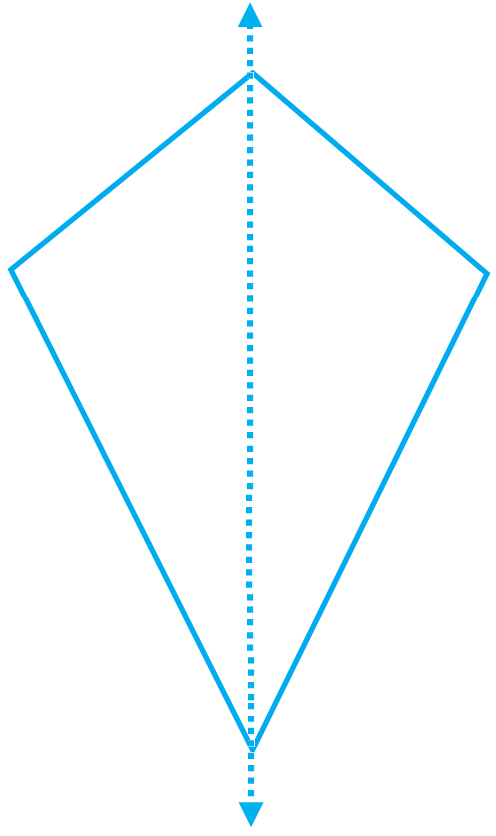
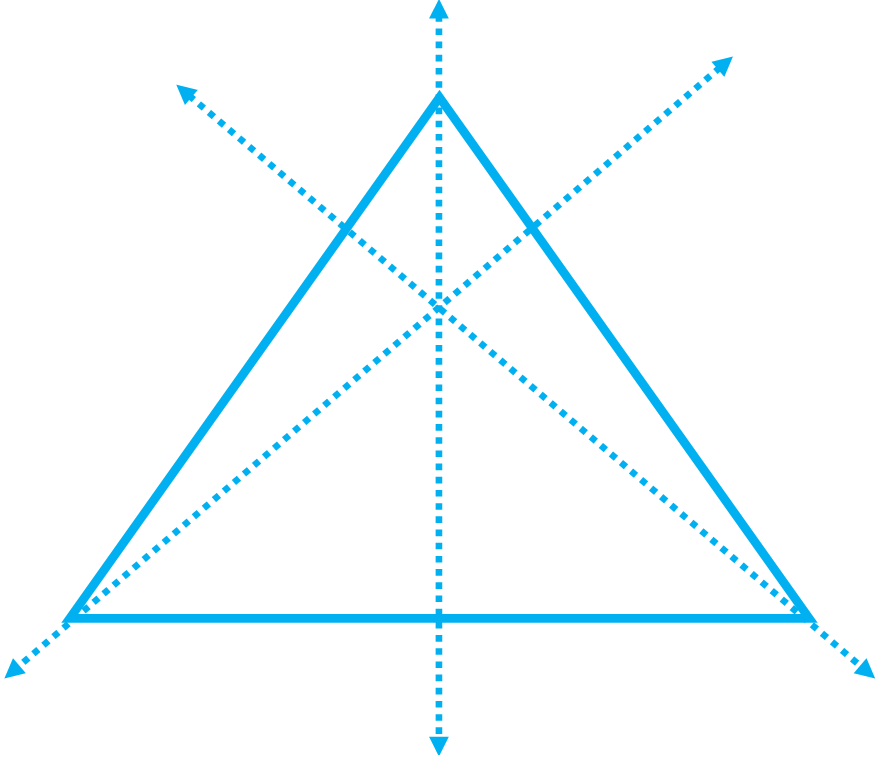
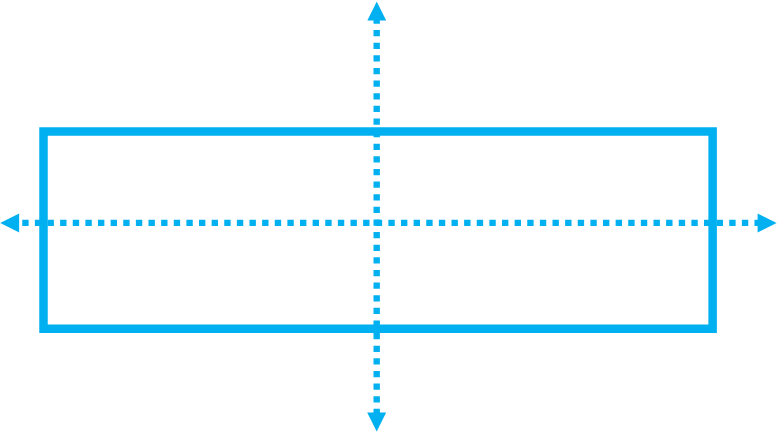
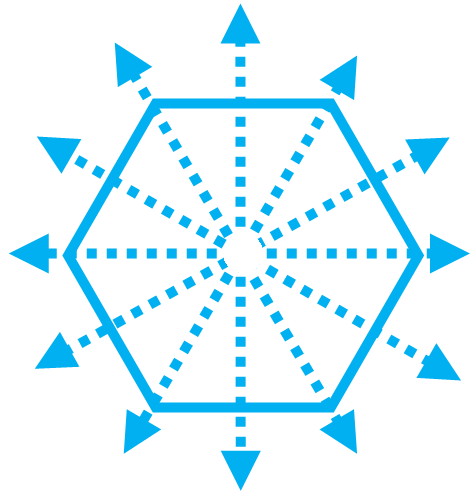
| Shape | Rough figure of the shape | Number of lines of symmetry in it |
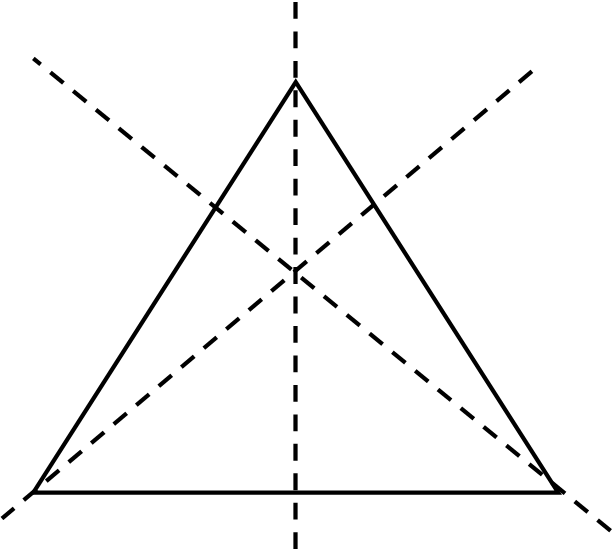
| Equilateral Triangle | |
$3$ |
| Square | 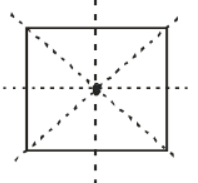 |
$4$ |
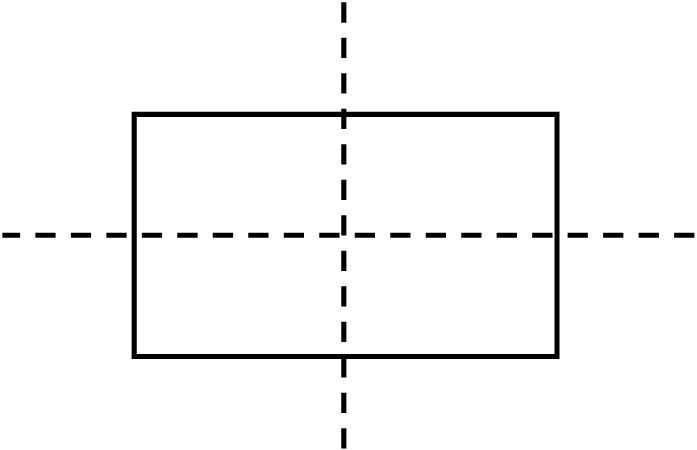
| Rectangle | 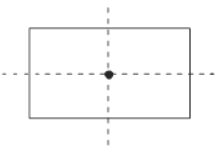 |
$2$ |
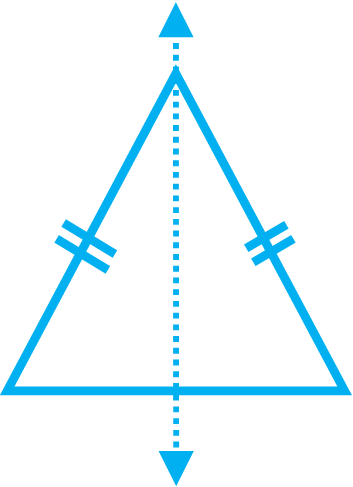
| Isosceles Triangle | 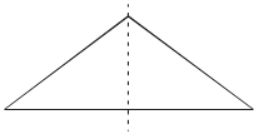 |
$1$ |
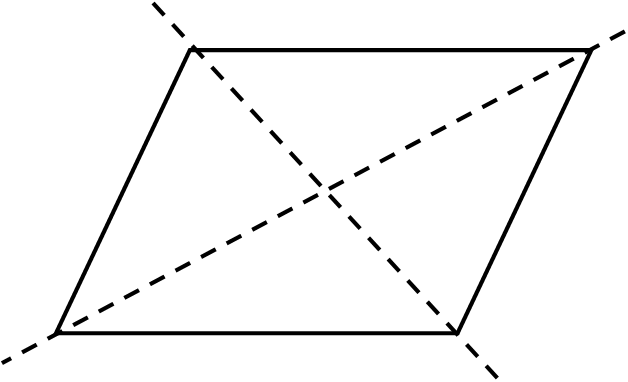
| Rhombus | 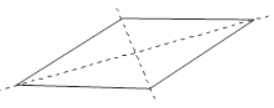 |
$2$ |
| Circle | 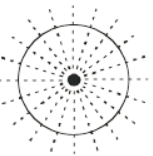 |
Infinite |
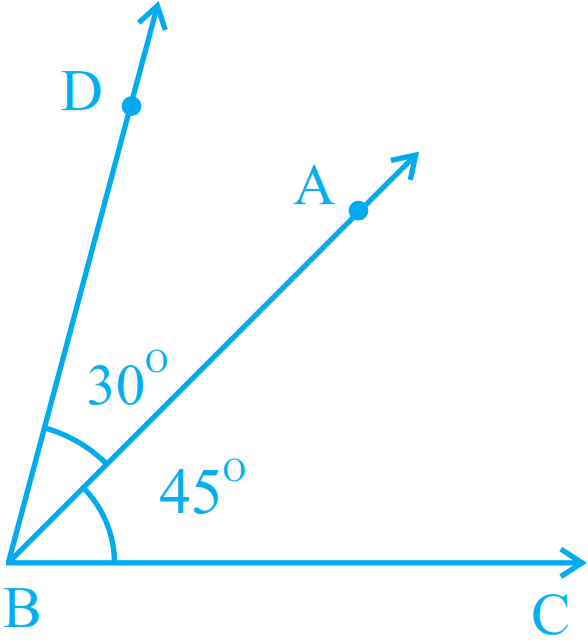

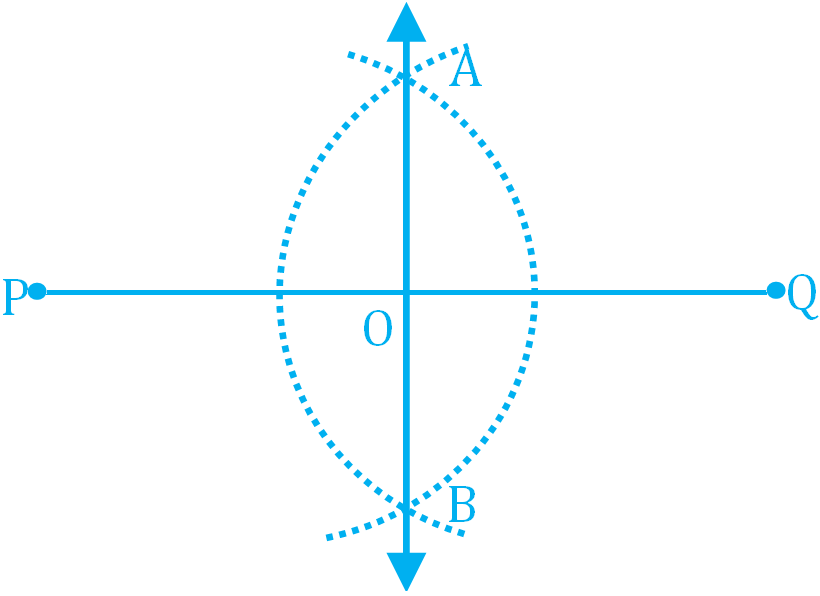

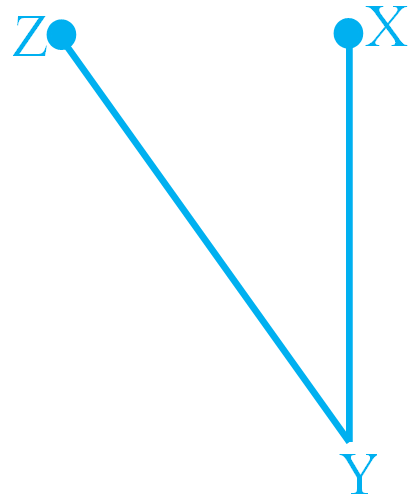
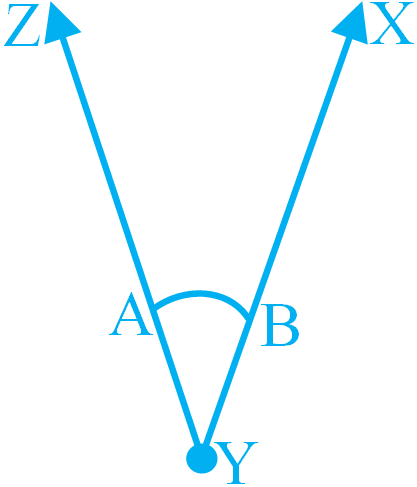
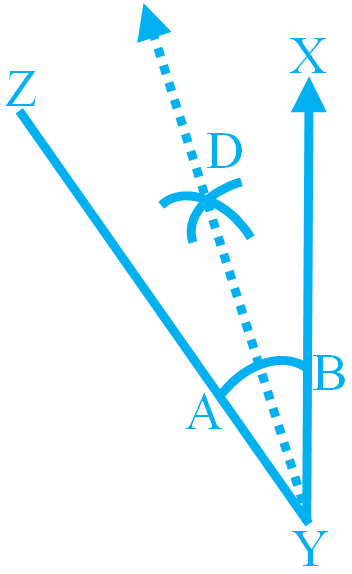
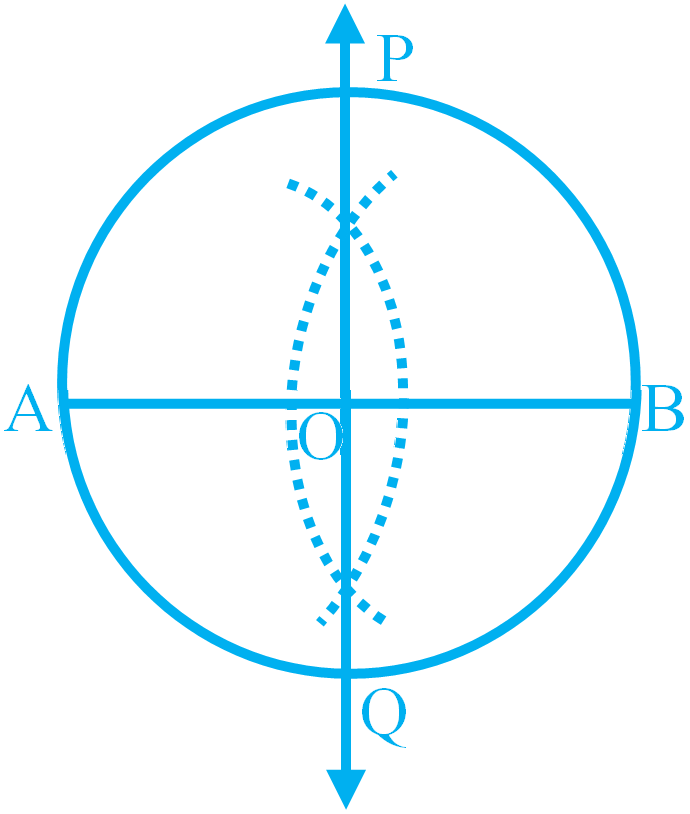
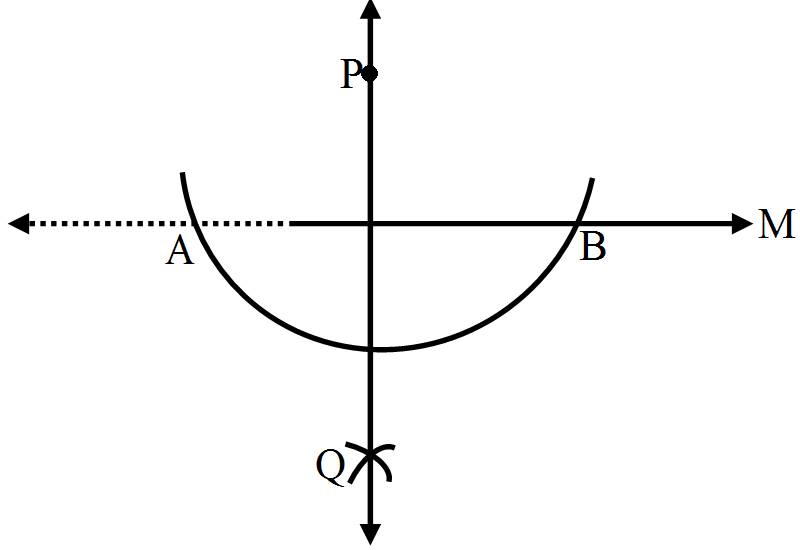
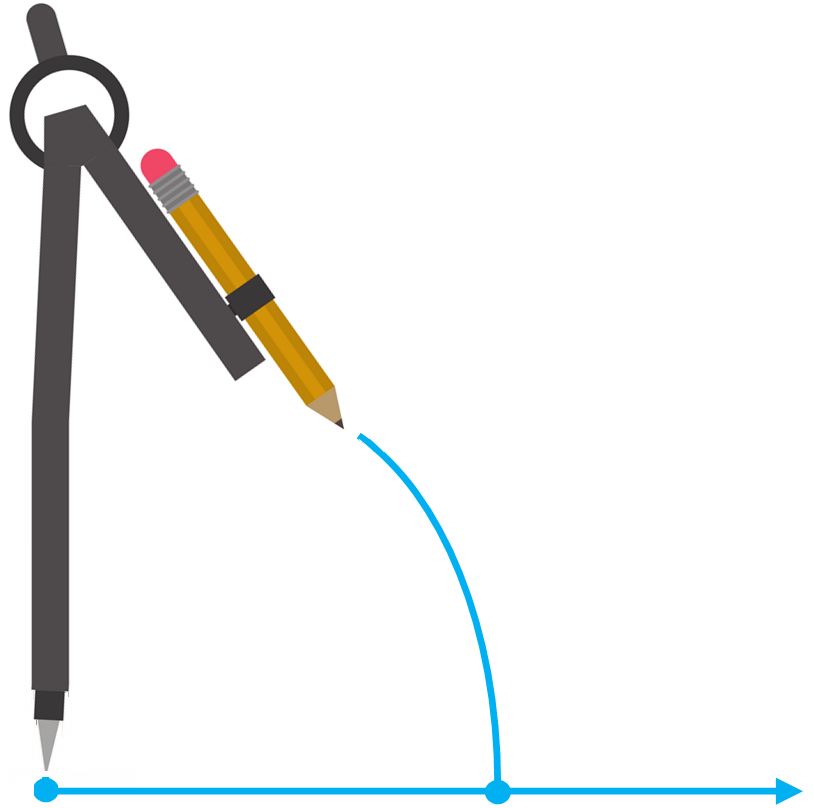
 Step II: With $P$ as centre and a convenient radius $($more than $\frac12\text{PQ})$, draw arc.
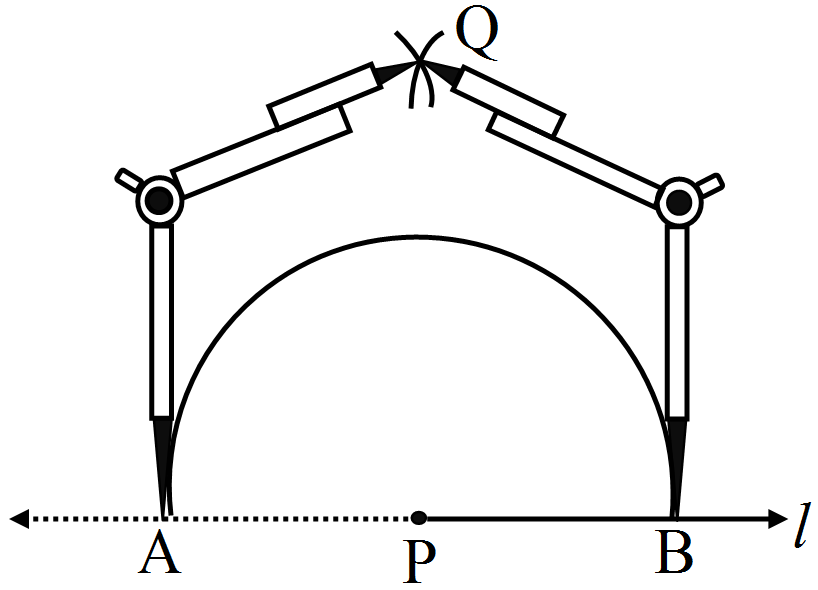
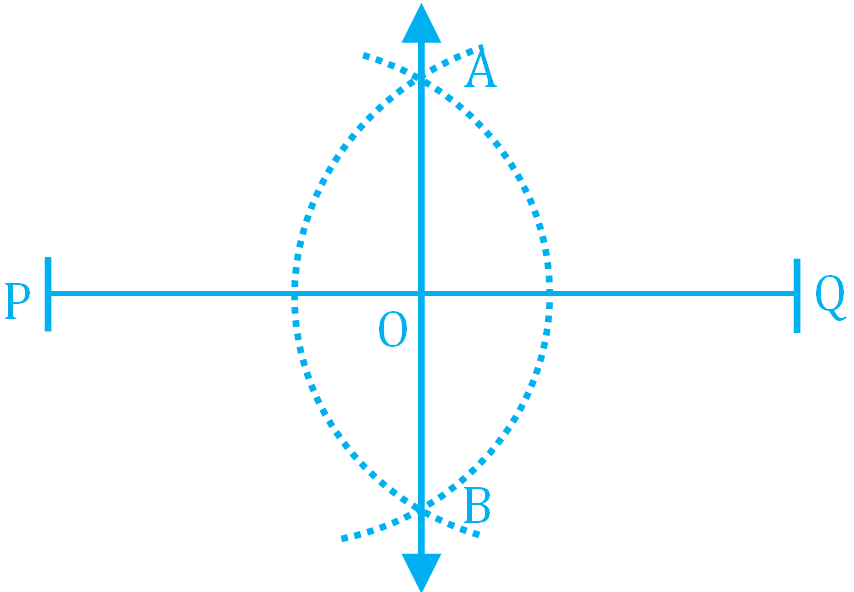 Step IV: Join $A $ and $B.$ Thus, $AB$ is perpendicular bisector of $PQ$ i.e. $OP = OQ = 3.5\ cm.$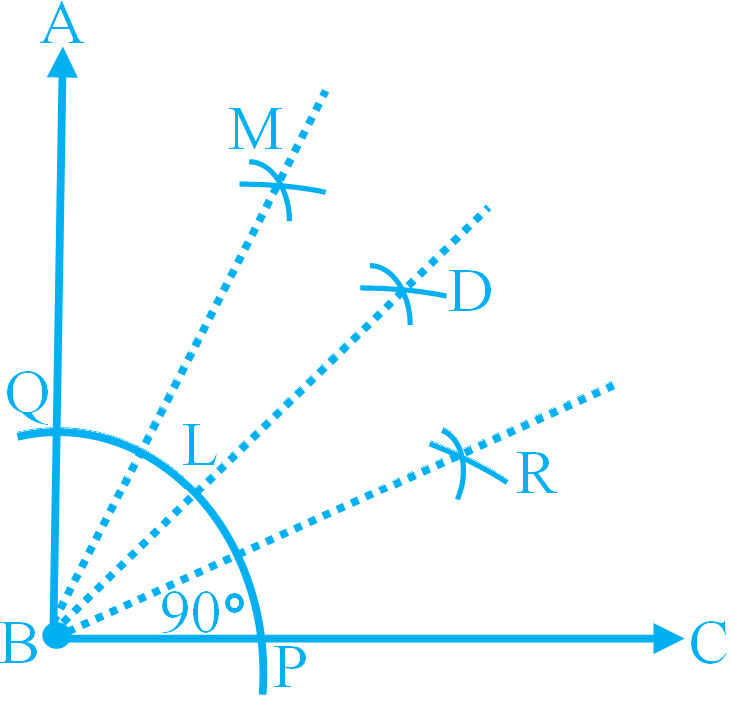
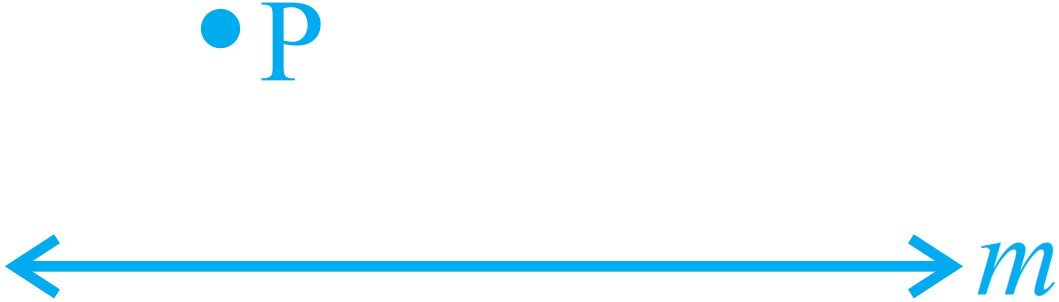
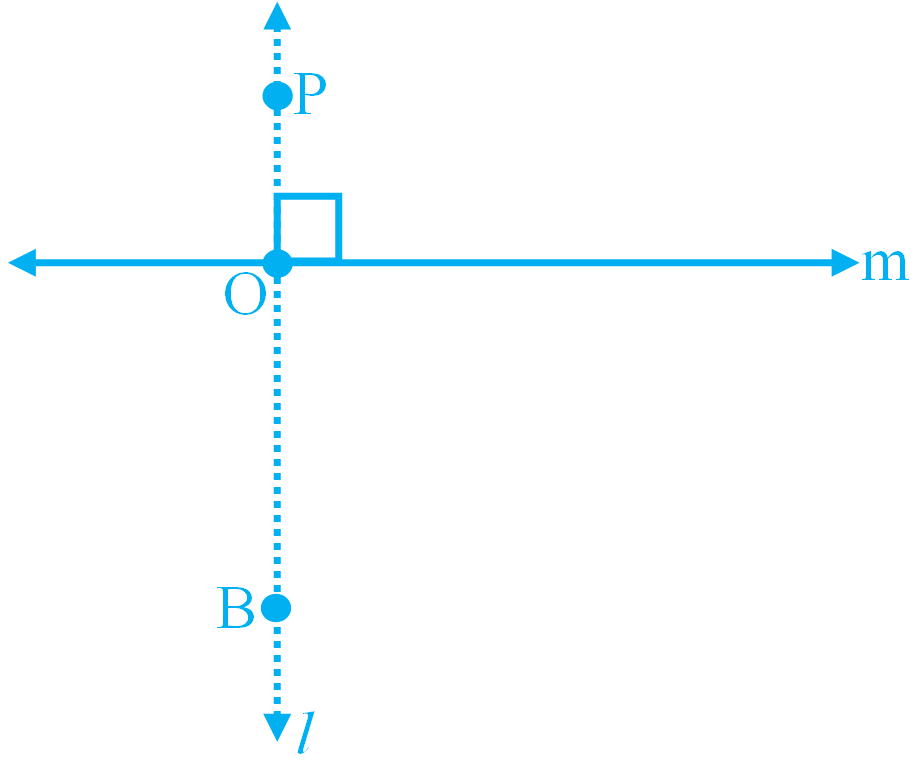

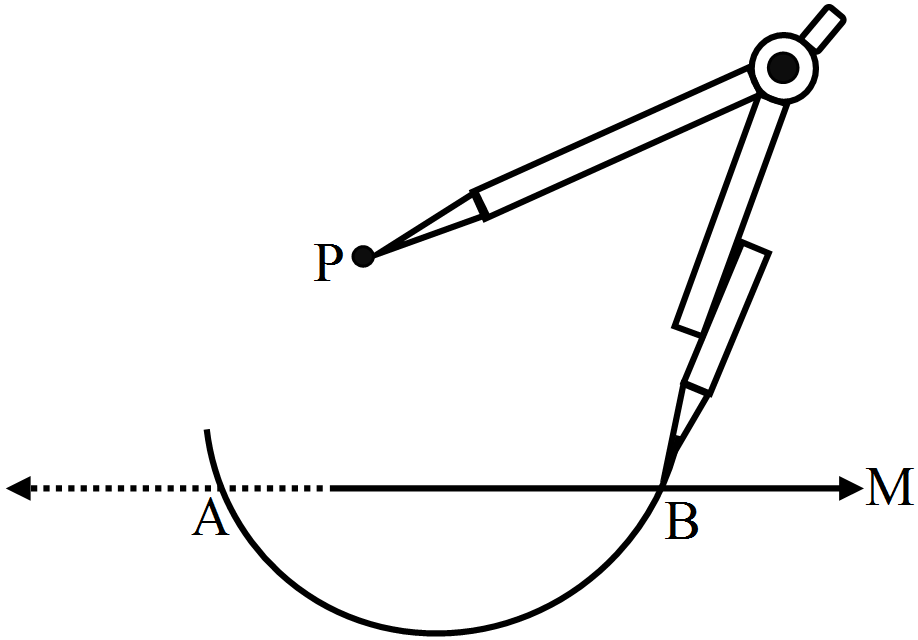
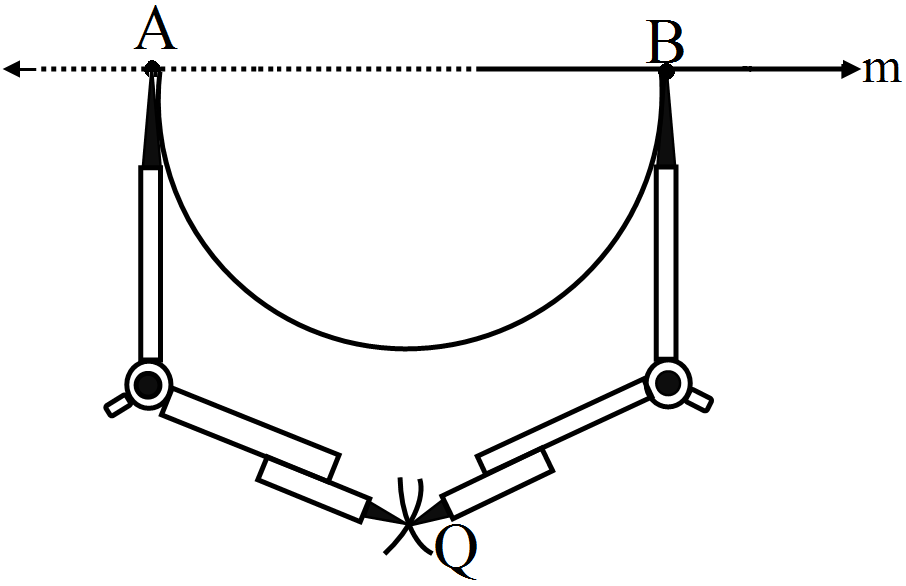
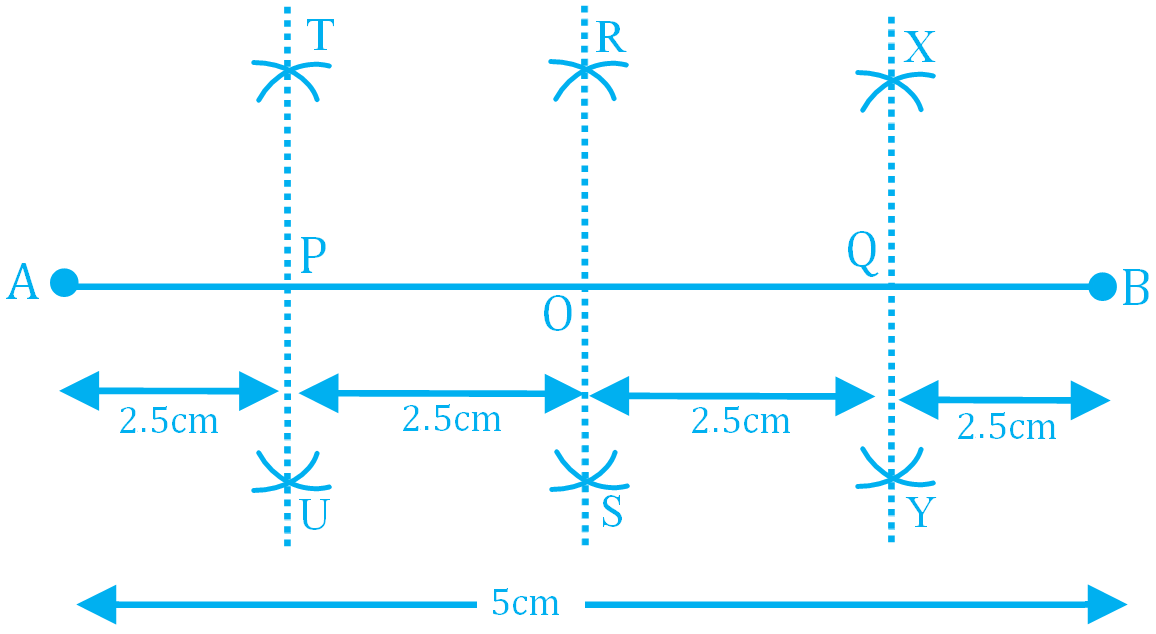
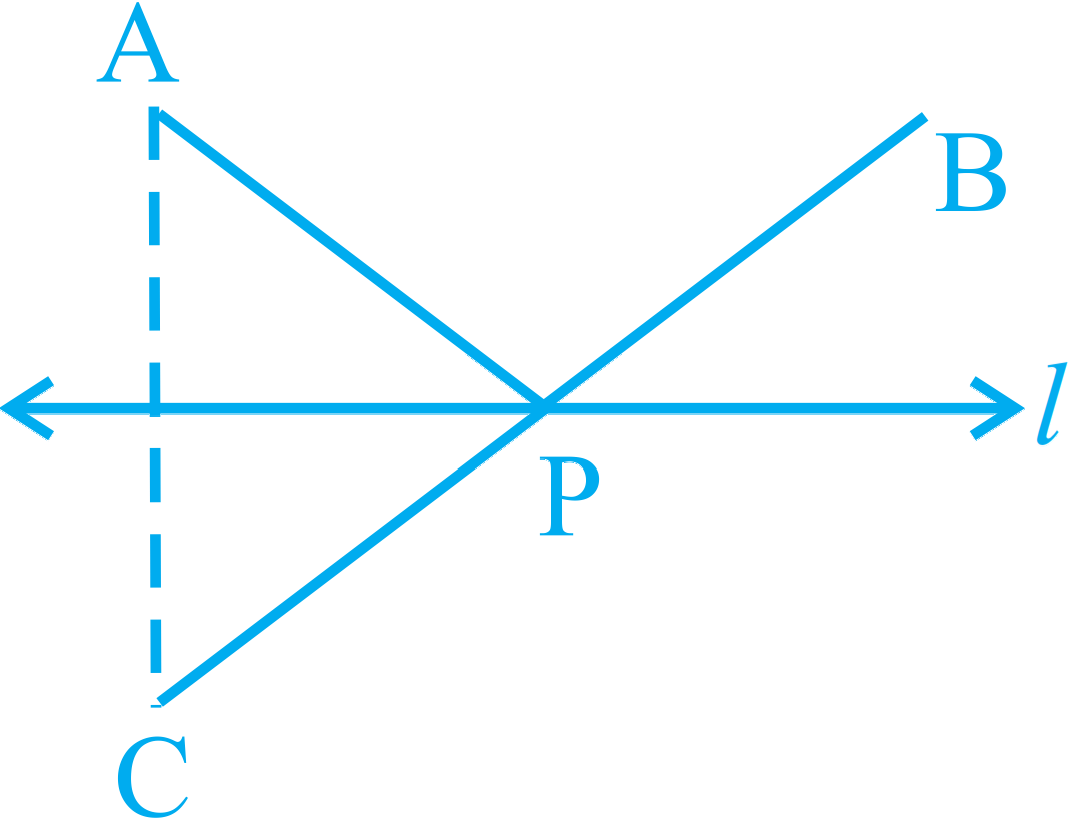
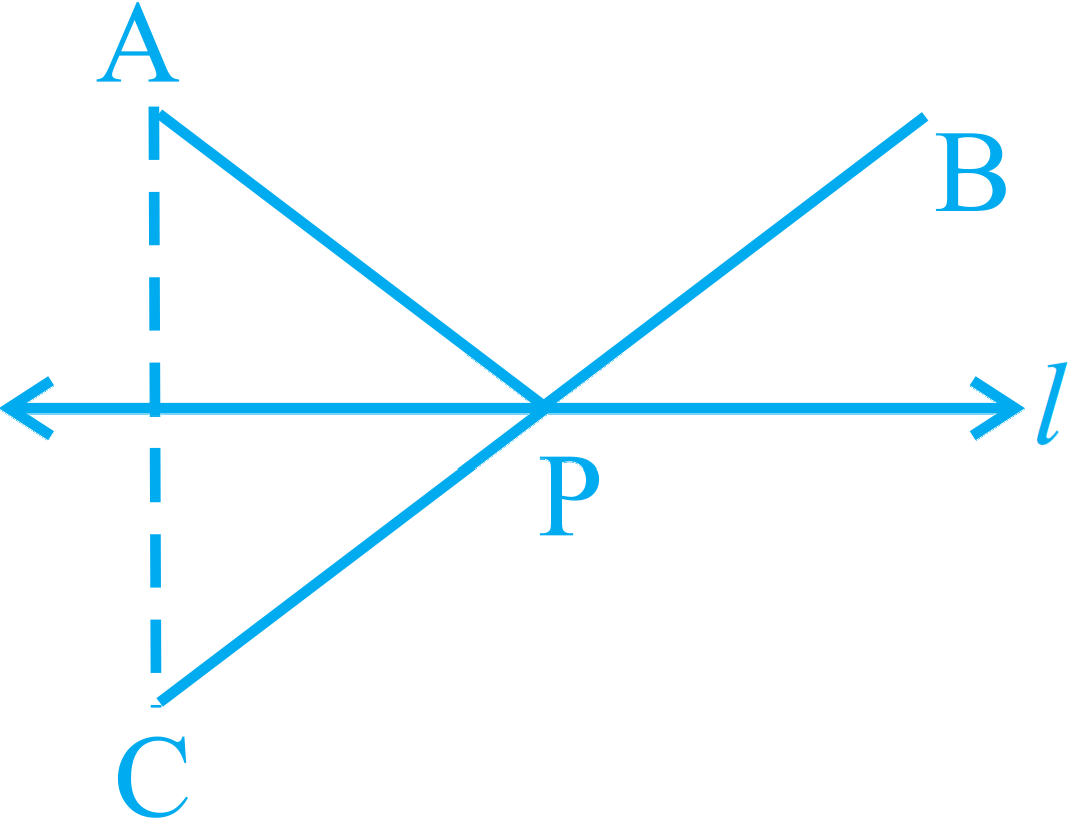
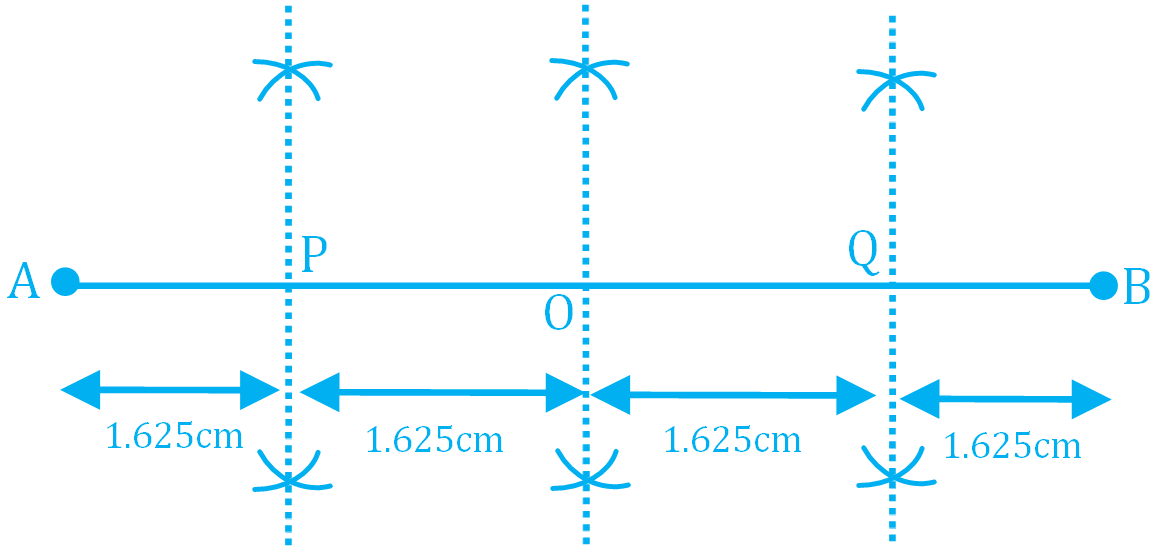 Step III: Now, draw perpendicular bisector of $AO$ which meet $AB$ at $P,$ such that $AP = PO.$



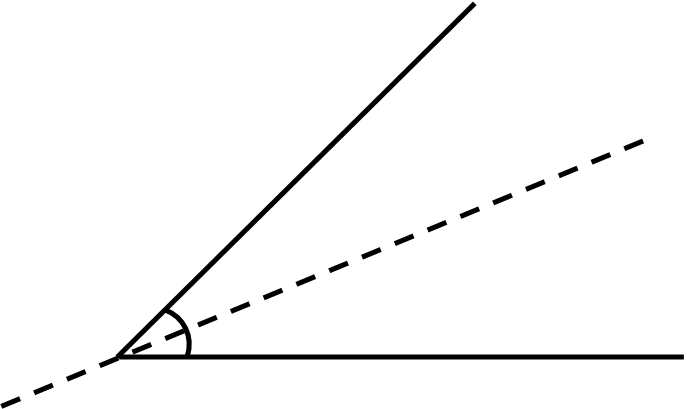
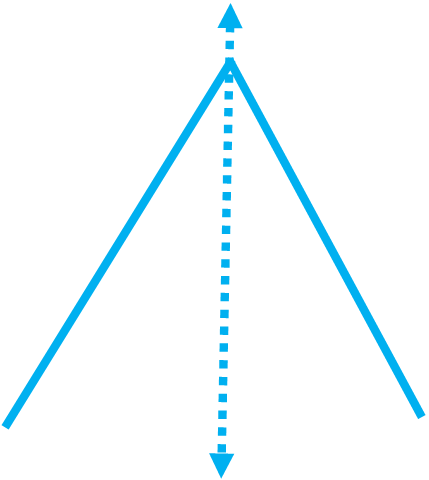

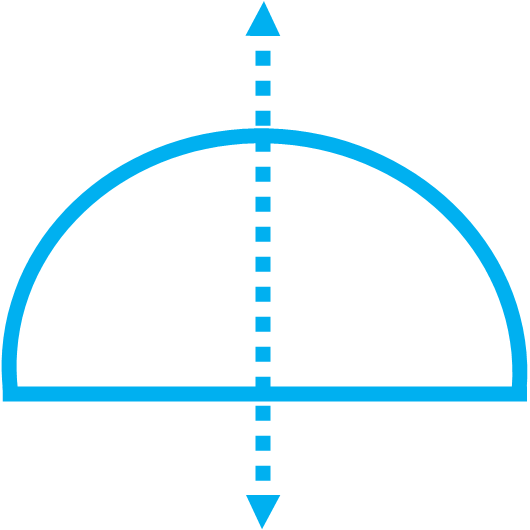
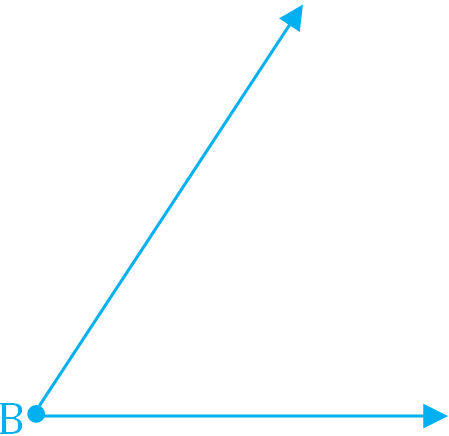

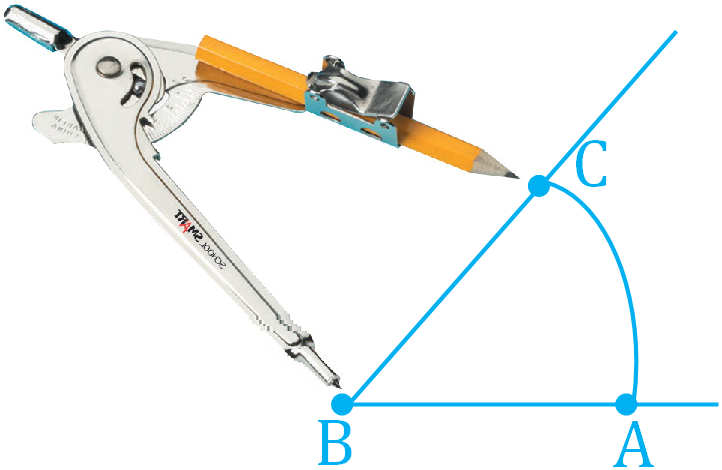
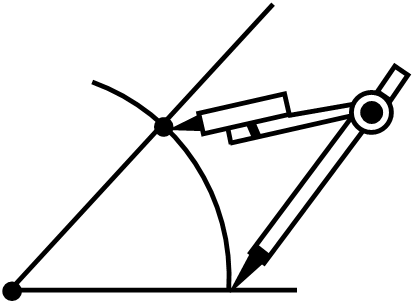
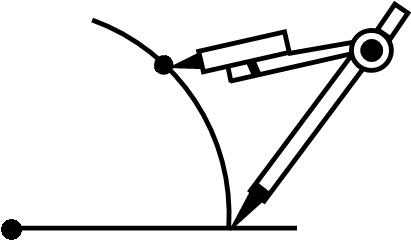
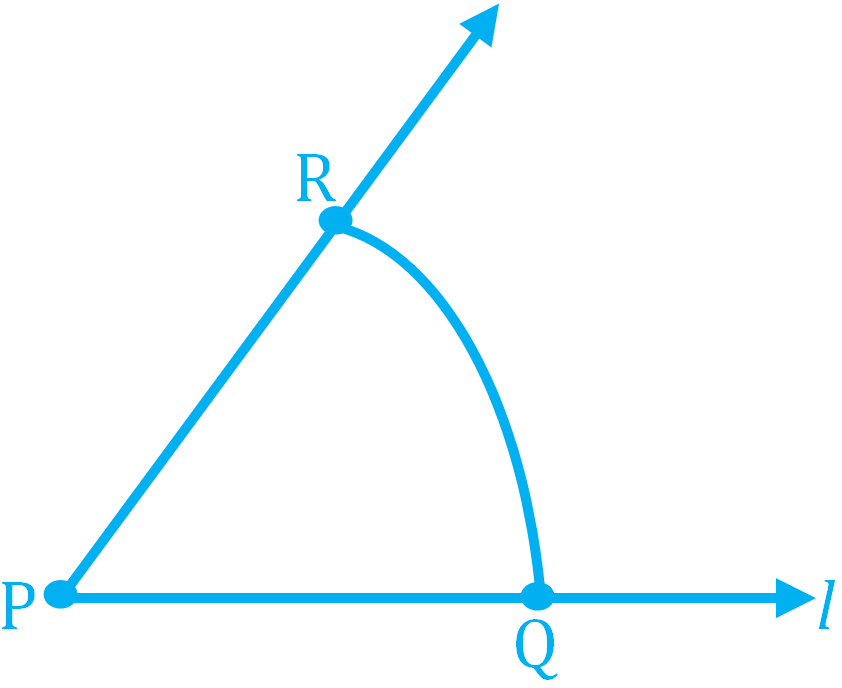
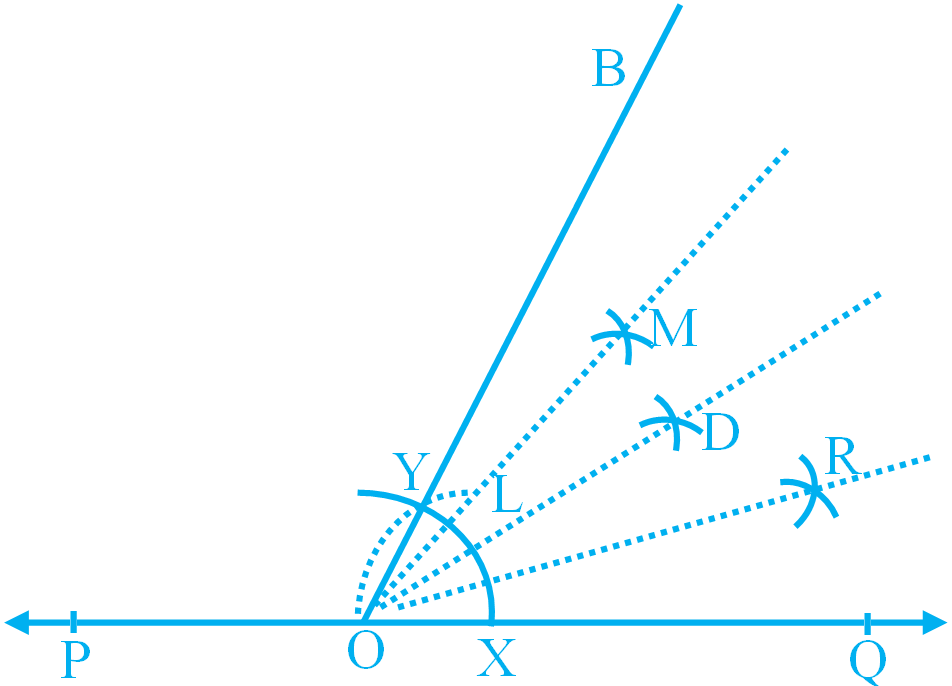
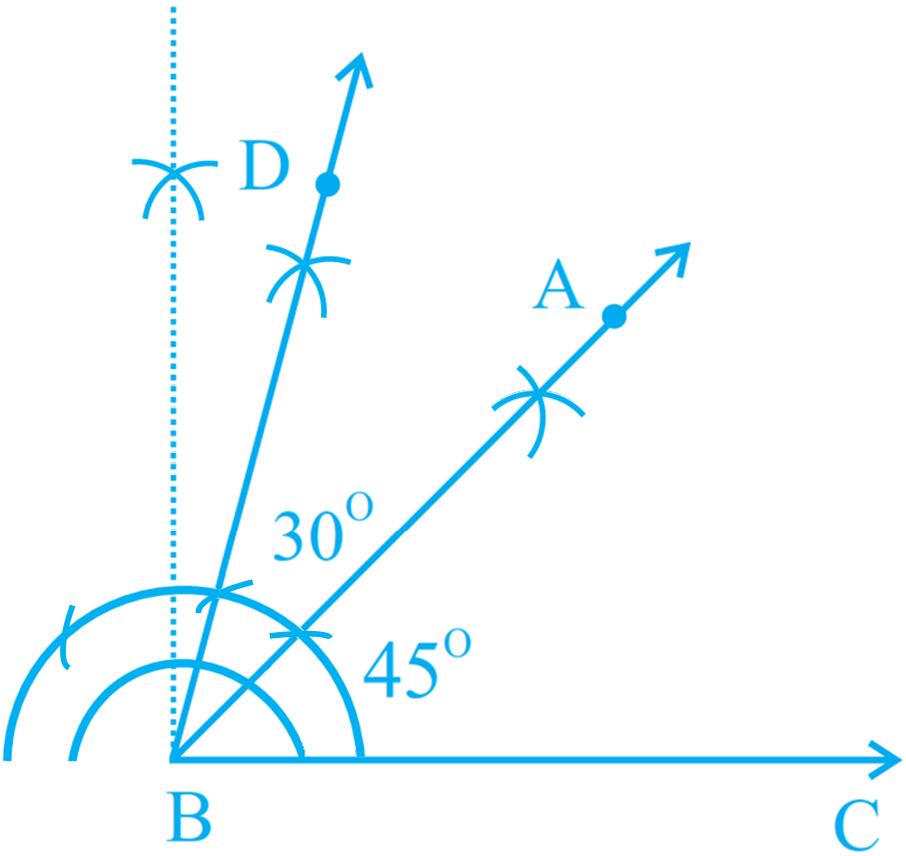
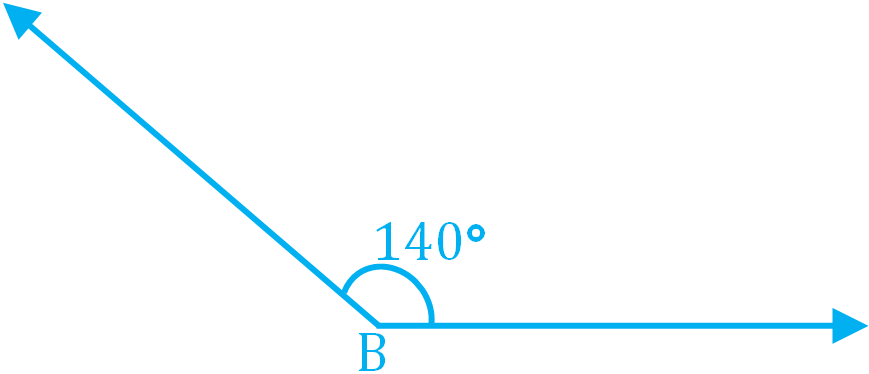
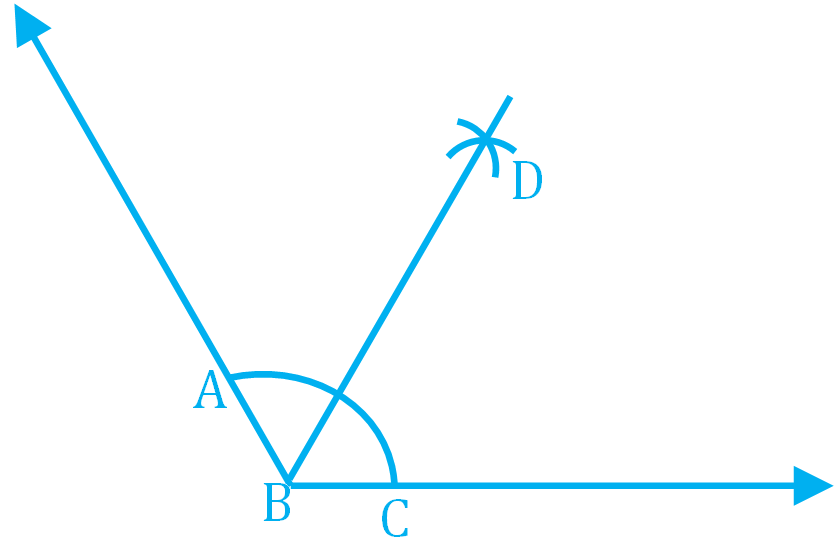
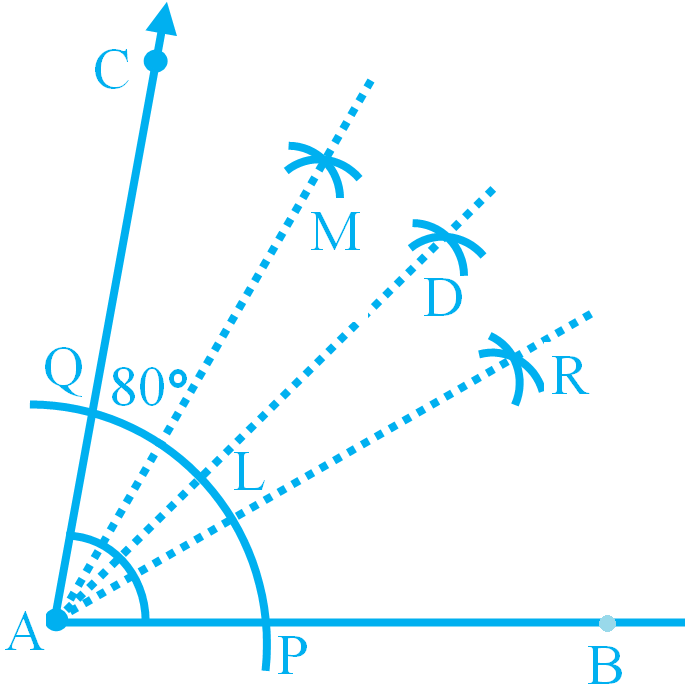 Step VI: With $Q$ as centre and the same radius, draw another arc in the interior of $A.$ Let the two arcs intersect at $D.$ Join $AD,$ cutting arc $PQ$ at $L.$ Then, $AD$ divides the $\angle\text{BCA}$ into two equal parts.