Question 13 Marks
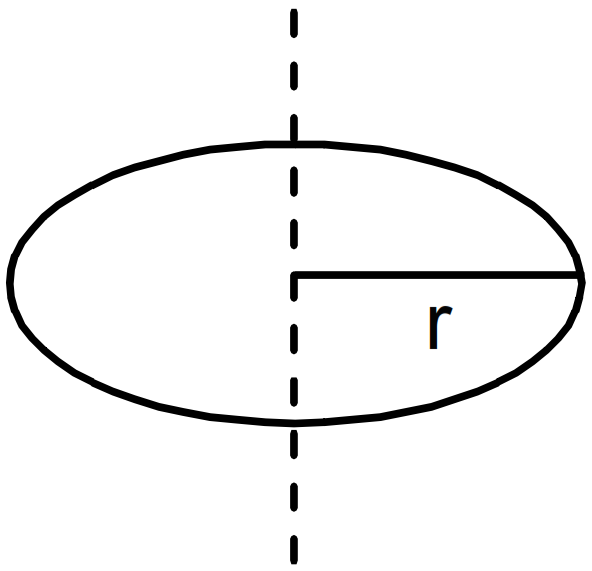
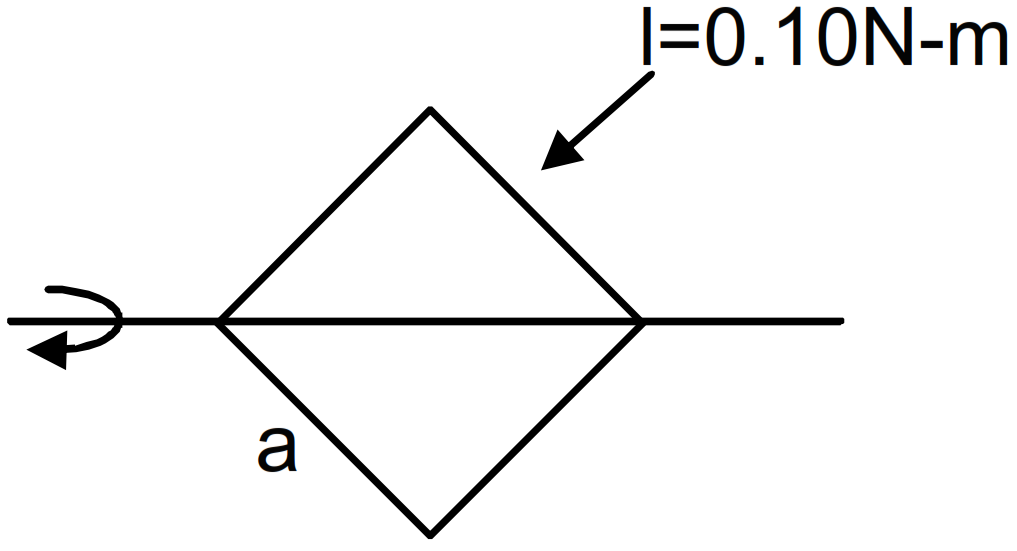
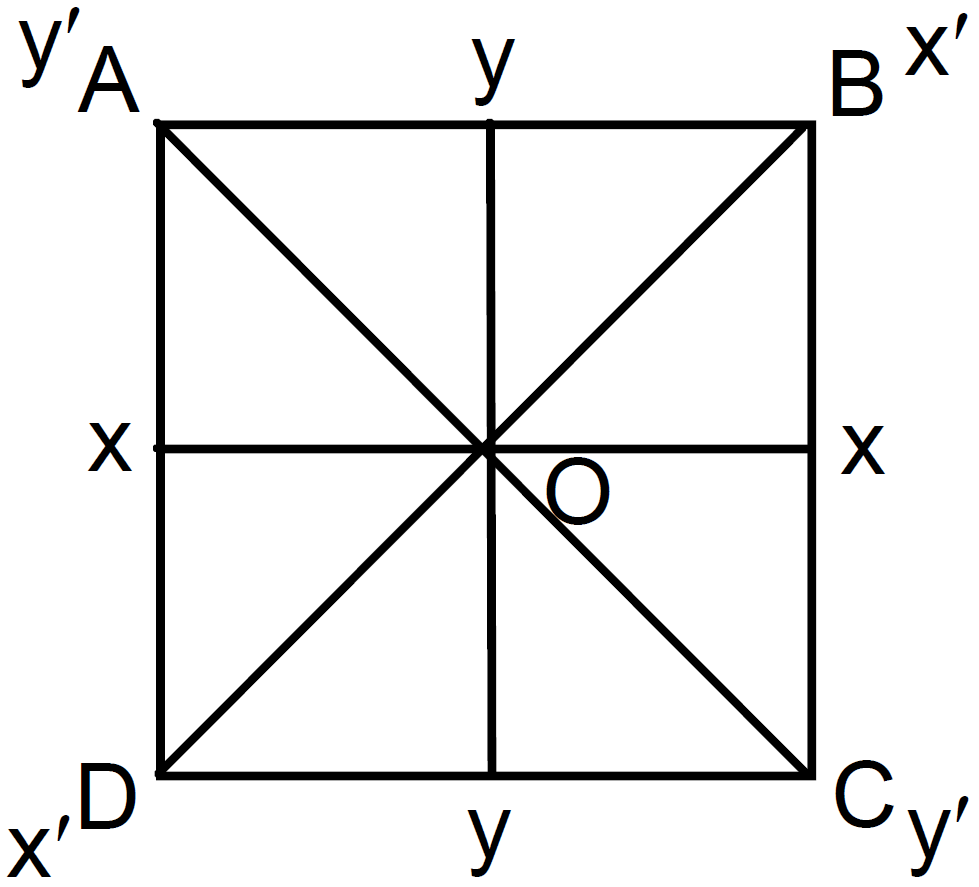
A square plate of mass 120g and edge 5.0cm rotates about one of the edges. If it has a uniform angular acceleration of 0.2rad/s2, what torque acts on the plate?
Answer
View full question & answer→A square plate of mass 120gm and edge 5cm rotates about one of the edge. Let take a small area of the square of width dx and length a which is at a distance x from the axis of rotation. 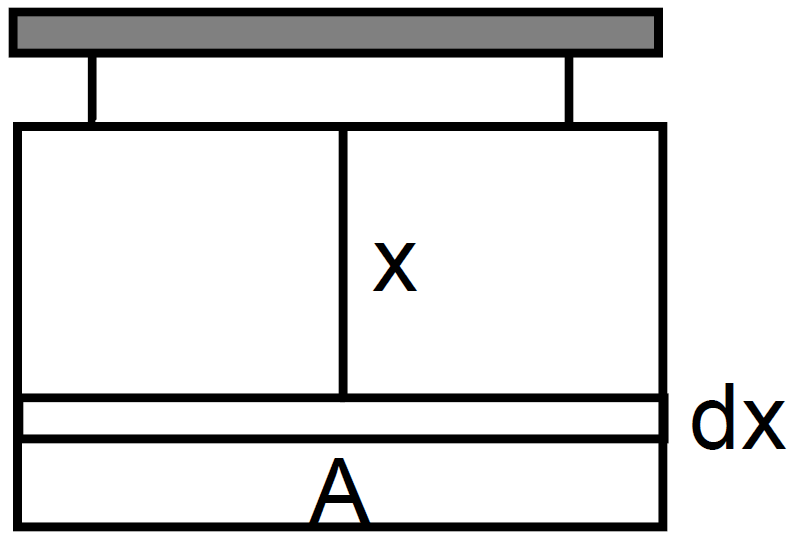 Therefore mass of that small area
Therefore mass of that small area $\frac{\text{m}}{\text{a}^2}\times\text{adx}$ (m = mass of the square; a = side of the plate)
$\text{I}=\int\limits_0^{\text{a}}\Big(\frac{\text{m}}{\text{a}^2}\Big)\times\text{ax}^2\text{dx}$
$=\Big[\Big(\frac{\text{m}}{\text{a}}\Big)\Big(\frac{\text{x}^3}{3}\Big)\Big]_0^{\text{a}}$
$=\frac{\text{ma}^2}{3}$
Therefore torque produced $=\text{I}\times\alpha=\Big(\frac{\text{ma}^2}{3}\Big)\times\alpha$$=\Big\{\frac{(120\times10^{-3}\times5^2\times10^{-4})}{3}\Big\}0.2$
$=0.2\times10^{-4}=2\times10^{-5}\text{N-m}$
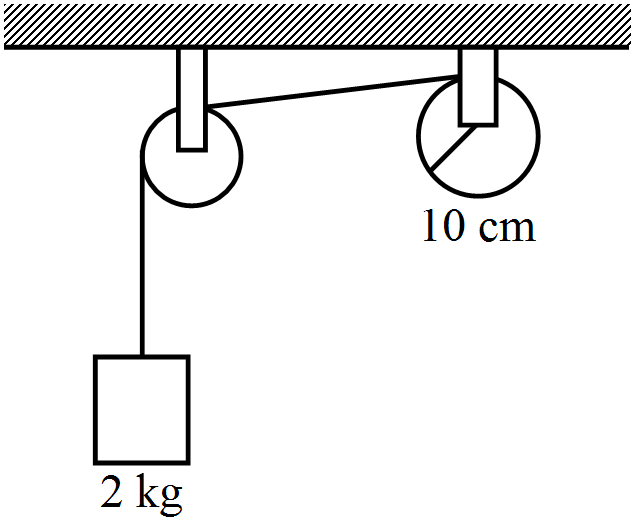
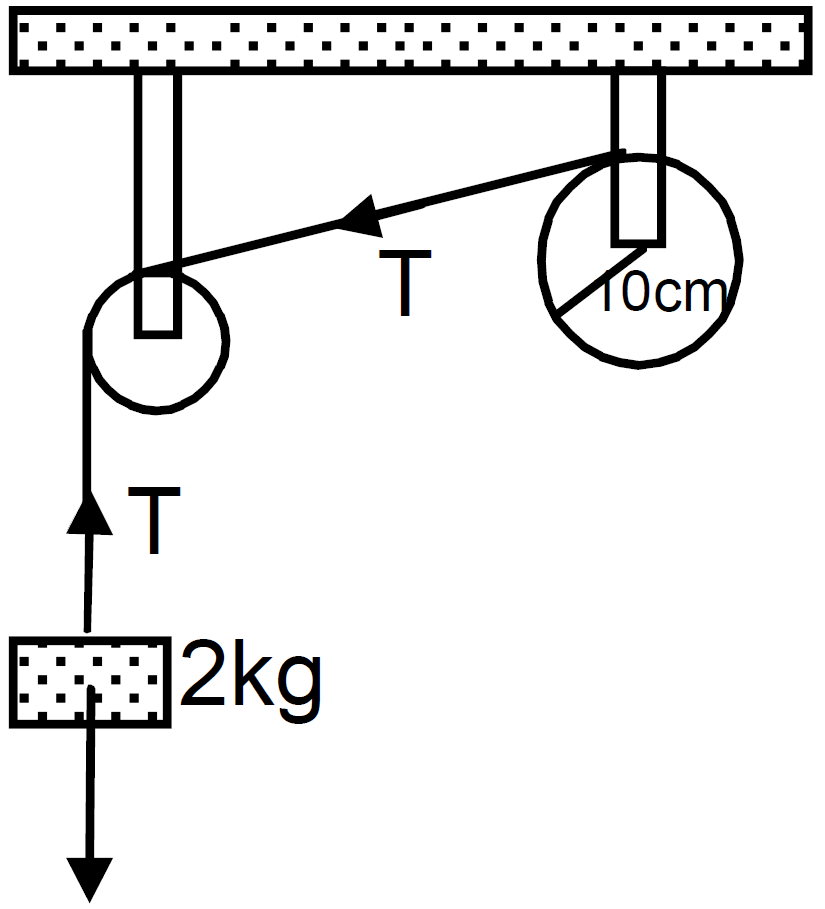
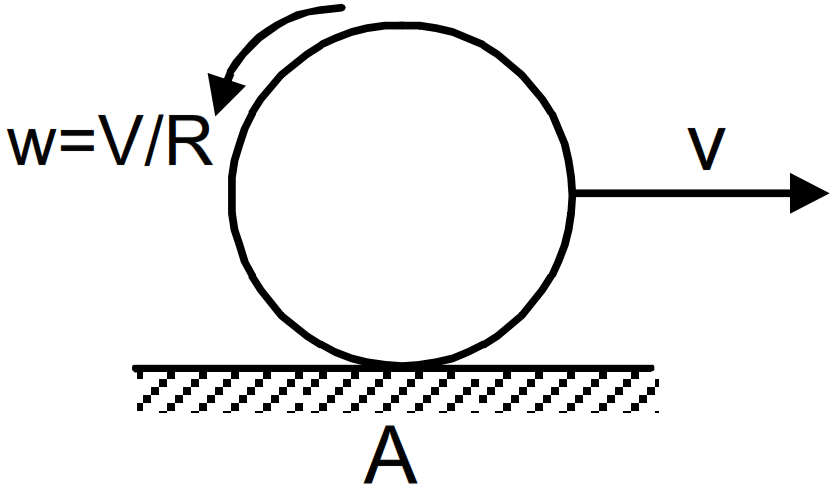
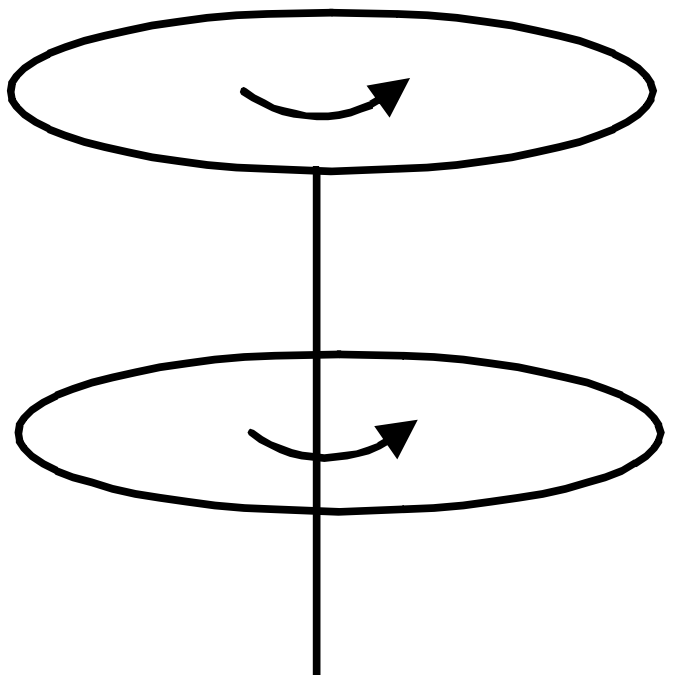
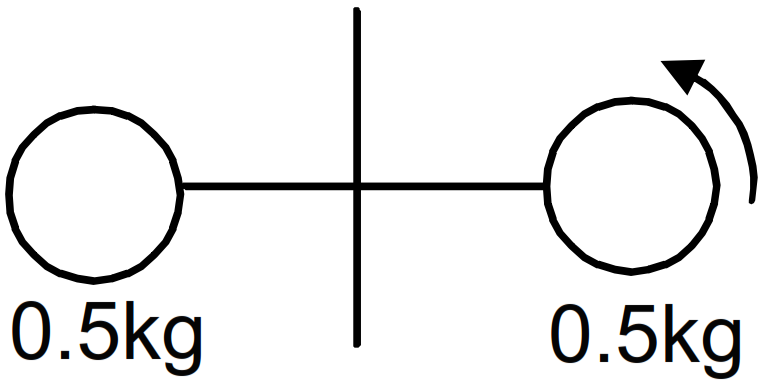
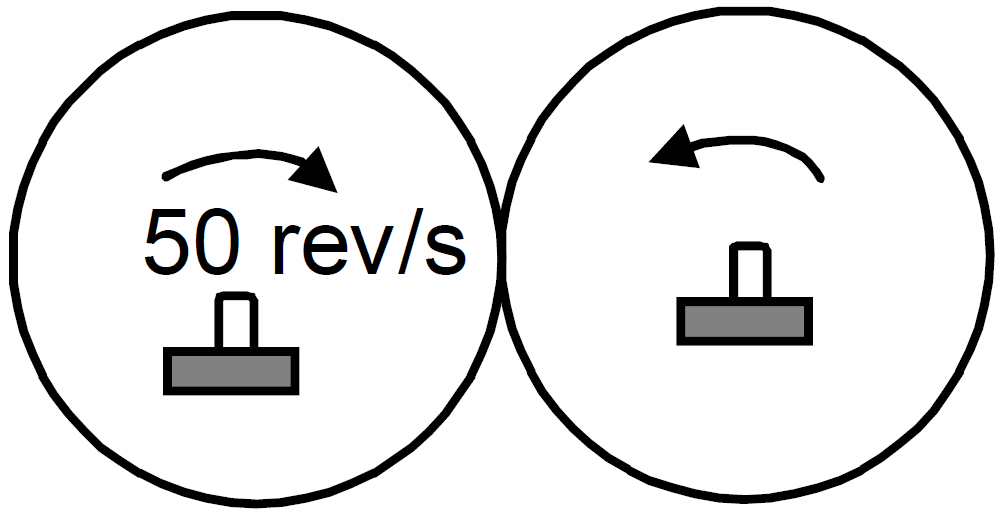 Let after t sec their angular velocity will be same
 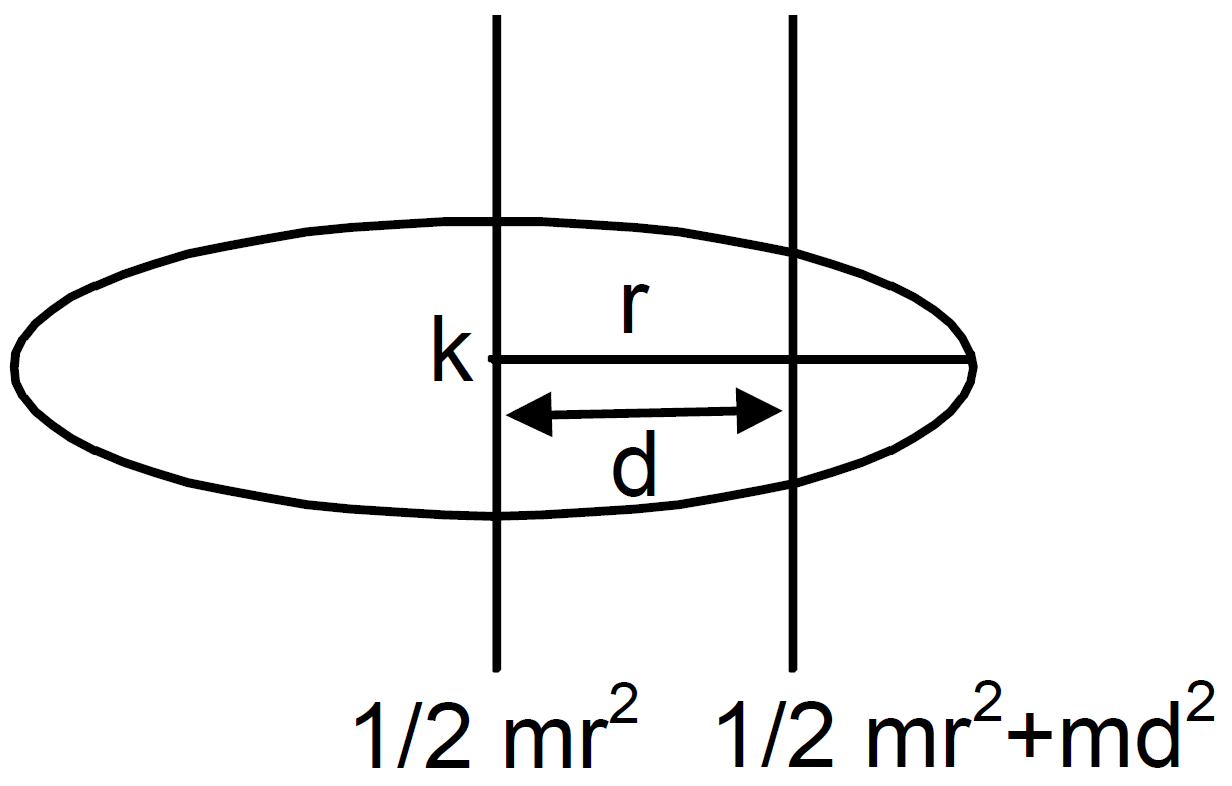 According to the question the radius of gyration of the disc about a point = radius of the disc. Therefore
 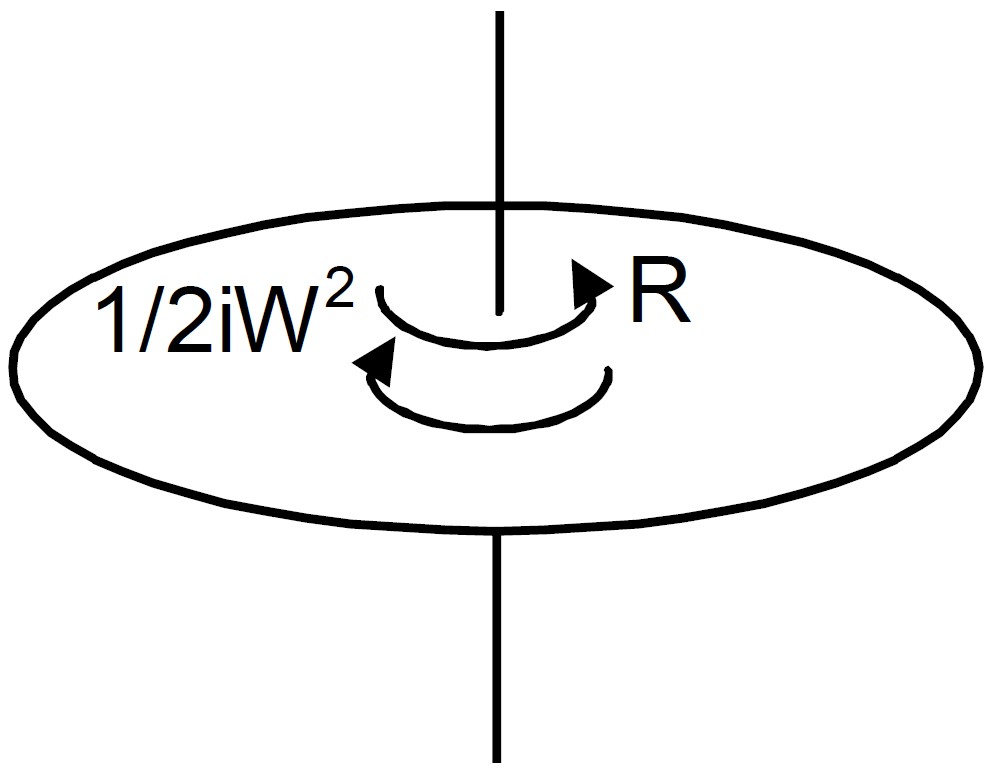 Therefore, the angular deceleration produced due to frictional force
 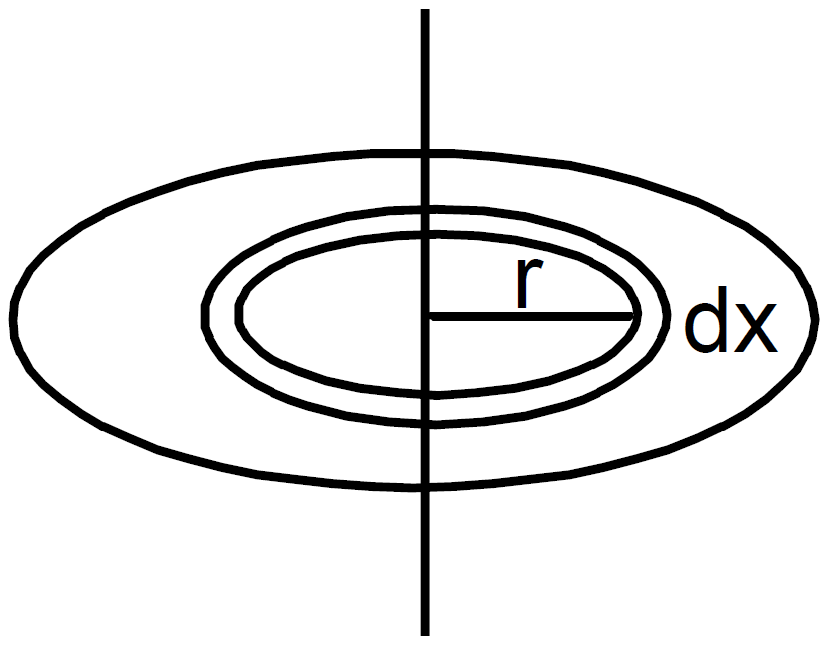 P(r) = A + Br Therefore the mass of the ring of radius r will be
 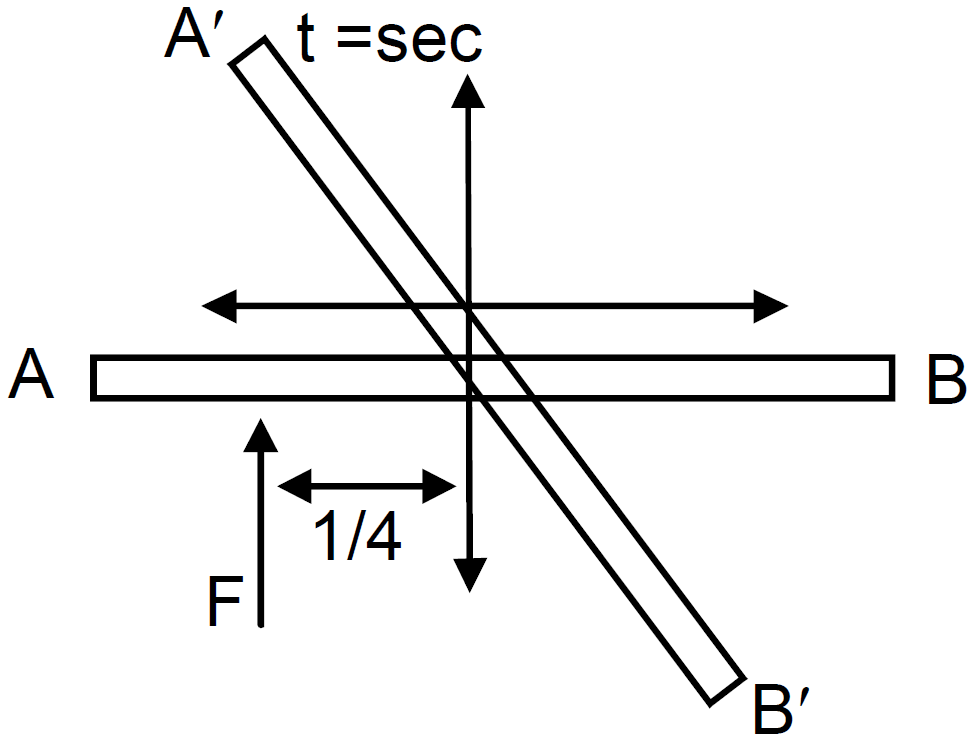 Therefore torque about the centre due to this force
 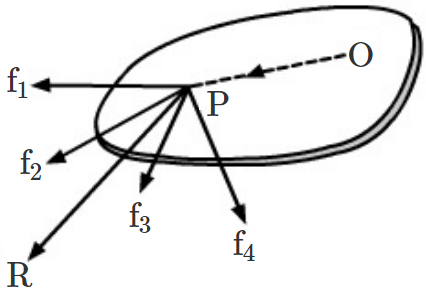 Let
Let 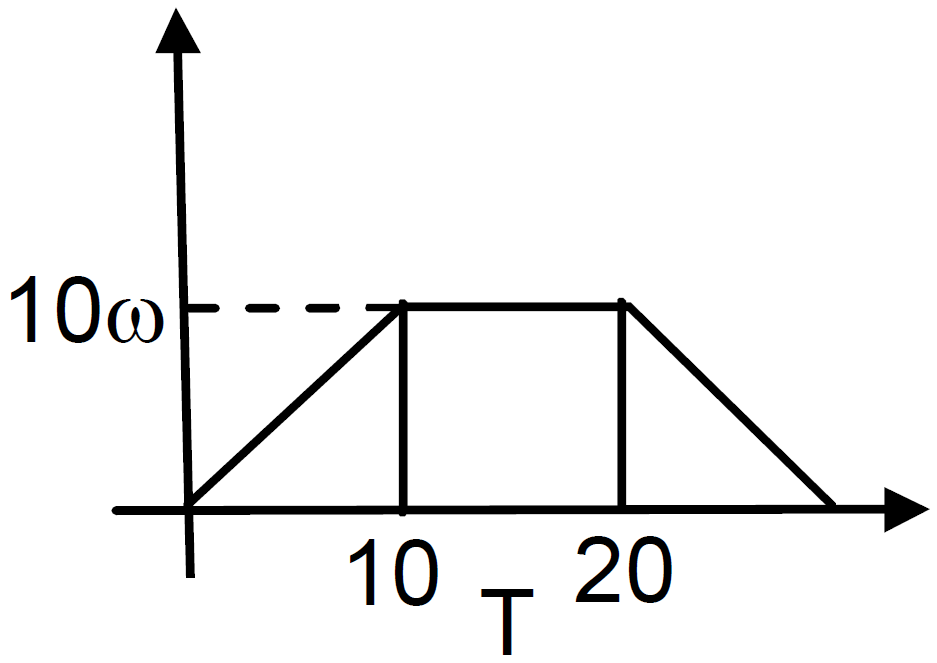
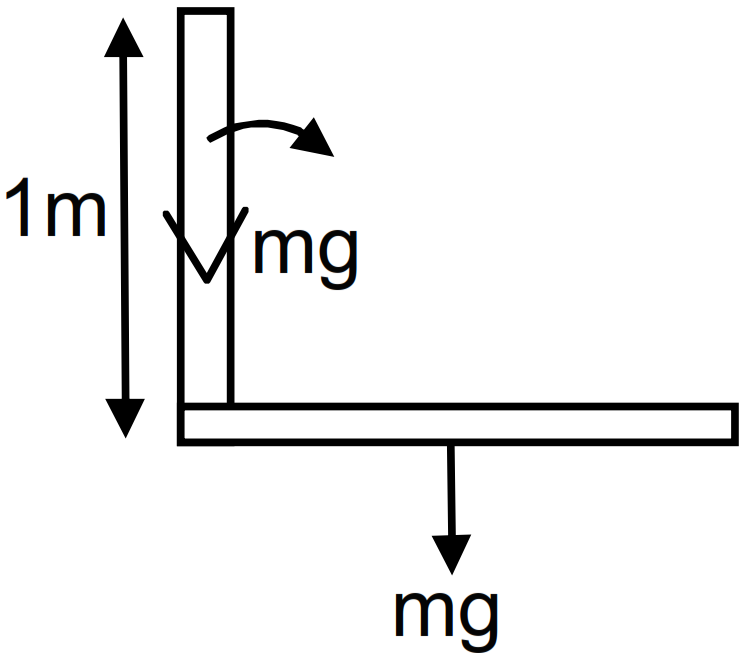 Let the mass of the rod = m Therefore applying laws of conservation of energy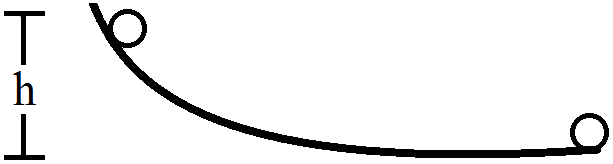
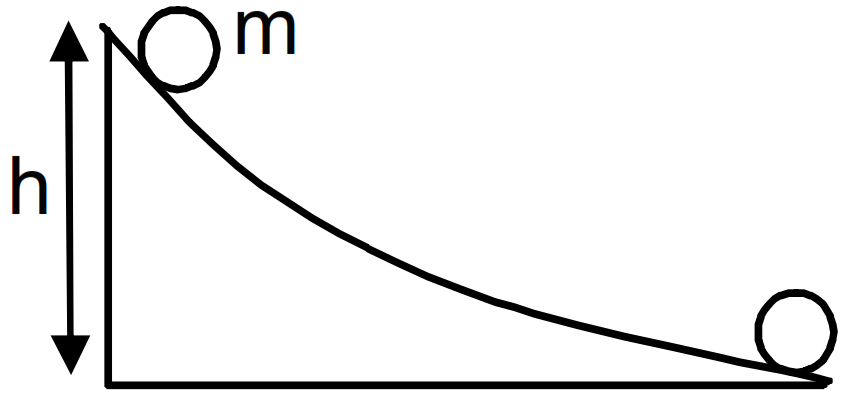 Therefore potential energy it has gained w.r.t the surface will be converted to angular kinetic energy about the centre & linear kinetic energy. Therefore
 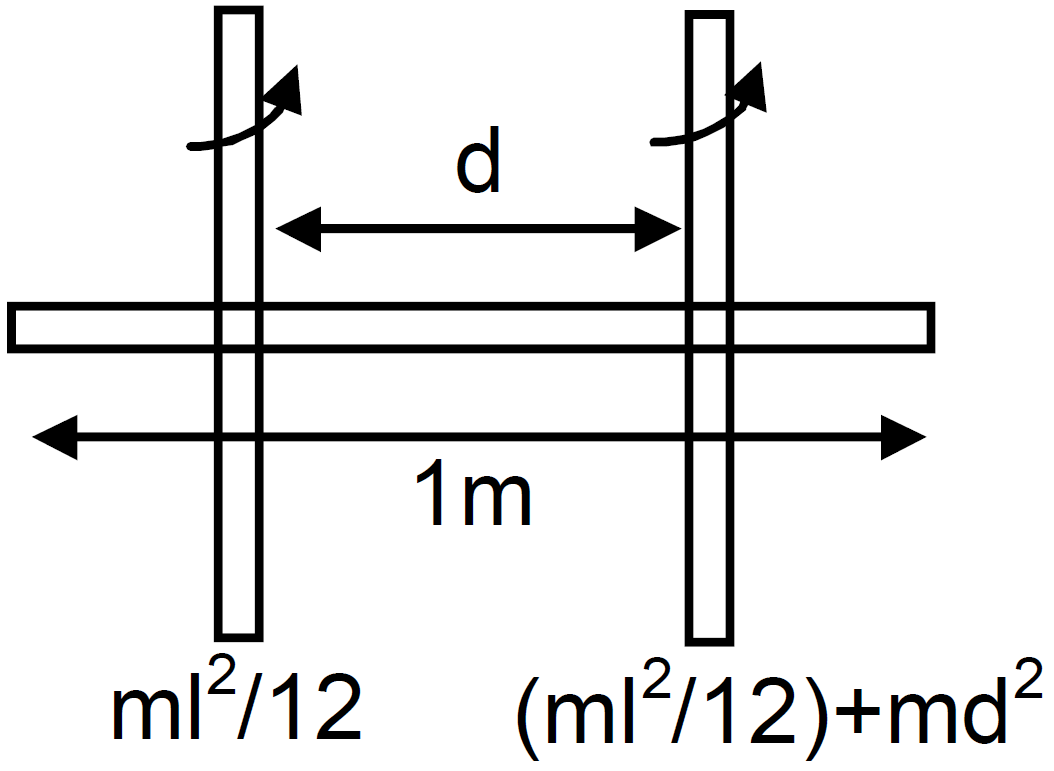 Let at a distance d from the center the rod is moving Applying parallel axis theorem: The moment of inertial about that point
 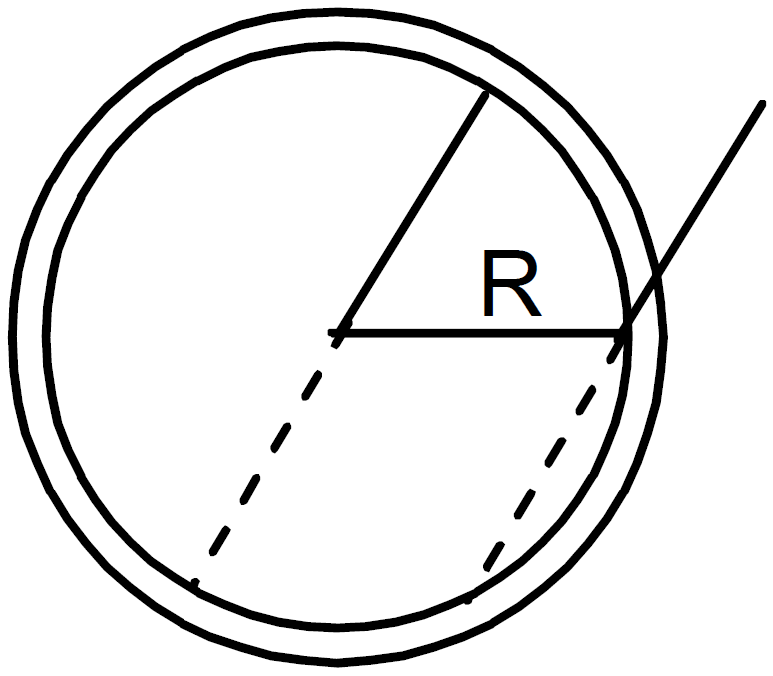 So, about a point on the rim of the ring and the axis
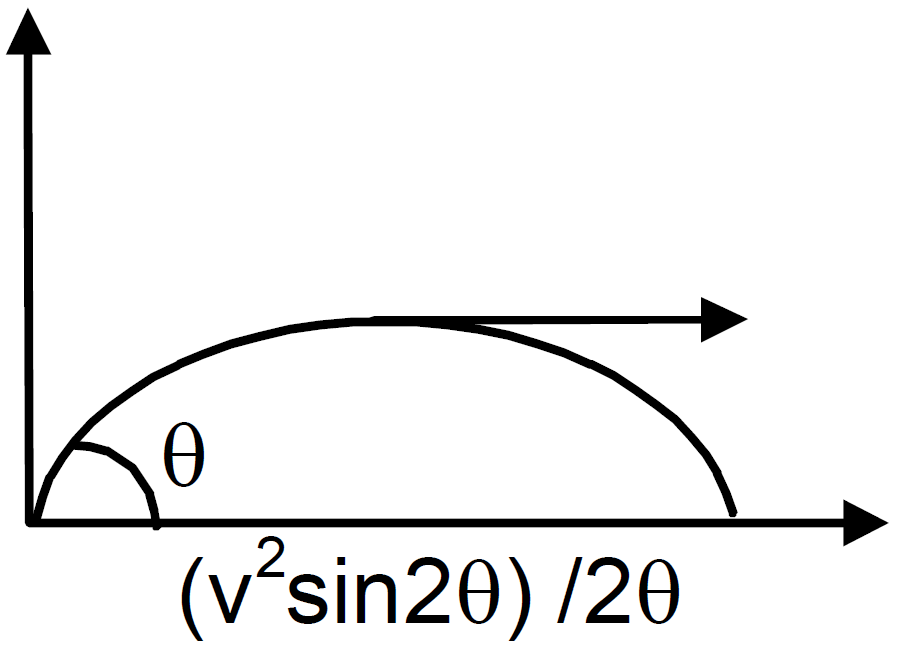 Range of the particle