Citric acid used in production of beverages, toffees, chocolates is obtained by fermentation of …….. by Aspergillus niger.
- Agrapes
- ✓sugar molasses
- Capple
- Dcoffee nuts
Answer: B.
View full solution →363 questions across 16 question groups — pick any mix to generate a Science paper with step-by-step answer keys.
M.C.Q
22 Q→02Answer the following questions:[1 M]
19 Q→03Give scientific reasons: [2 M]
8 Q→04Answer the following questions: [2 M]
34 Q→05Answer the following questions: [3 M]
34 Q→06Answer the following questions: [5 M]
8 Q→07Write True or False
24 Q→08Name the Following
45 Q→09Do As Directed.
94 Q→10Read the given paragraph and answer the questions:
1 Q→11Fill in the blanks.
38 Q→12Define :
2 Q→13Find An Odd One Out
12 Q→14Distinguish Between :
2 Q→15Find the correlation.
13 Q→16Match the following.
7 Q→One sample from each question group in this chapter. Select any group above to see the full set with answer keys.
Answer: B.
View full solution →Answer: A.
View full solution →Answer: D.
View full solution →Answer: A.
View full solution →Answer: D.
View full solution →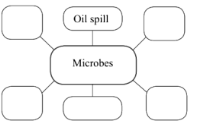
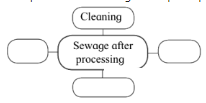
| ‘A’ group | ‘B’ group |
| (1) Xylitol | (a) Pigment |
| (2) Citric acid | (b) To impart sweetness |
| (3) Lycopene | (c) Microbial restrictor |
| (4) Nycin | (d) Protein binding emulsifier |
| (e) To impart acidity |
| Source | Microbe | Amino acid | Use |
| Sugar and beet molasses, ammonia salt | ___________________ | ___________________ | Production of monosodium glutamate (Ajinomoto). |
| ___________________ | Aspergillus niger | ___________________ | Drinks, toffees, chocolate production. |
| Glucose, corn steep liquor | ___________________ | Gluconic acid | ___________________ |
| Molasses, corn steep liquor | Lactobacillus delbrueckii | ___________________ | ___________________ |
| ___________________ | Aspergillus itaconius | Itaconic acid | ___________________ |
| Column A | Column B |
| (1) Phenol oxidising bacteria | (a) Prevent leaching of iron, zinc by forming compounds |
| (2) Thiobacilli | (b) Xenobiotic chemicals |
| (3) Pseudomonas spp. | (c) Soil pollution due to acid rain |
| (4) ) Ideonella sakaiensis | (d) Biopesticide |
| (e) Oil spills | |
| (f) PET |
| Column A | Column B |
| (1) Solid fuel | (a) Vegetable oils |
| (2) Liquid fuel | (b) Gobar gas |
| (3) Gaseous fuel | (c) Crop residue |
| A | B | C |
| (1) M e t h a n e fuel | (i) Yeast Saccharomyces | (a) Bio-photolysis of water |
| (2) Hydrogen fuel | (ii) Microbial anaerobic decomposition | (b) Fermentation of molases |
| (3) Ethanol fuel | (iii) Photoreduction by bacteria | (c) Urban, agricultural, industrial waste. |
| Column A | Column B |
| (1) Corynobacterium | (a) Lactic acid |
| (2) Aspergillus niger | (b) Itaconic acid |
| (3) Lactobacillus delbrueckii | (c) Gluconic acid |
| (4) Aspergillus itaconius | (d) Wine |
| (e) L-glulamic acid |
| Column A | Column B |
| (1) Apple | (a) Coffee |
| (2) Grapes | (b) Cocoa |
| (3) Theobroma cacao | (c) Chocolate |
| (4)Caffen arabica ( | (d) Wine |
| (e) Cider |
Pick question groups from the list above, set marks and difficulty, and export a branded PDF with step-by-step answer keys. First 3 chapters free — no signup.