Question 14 Marks
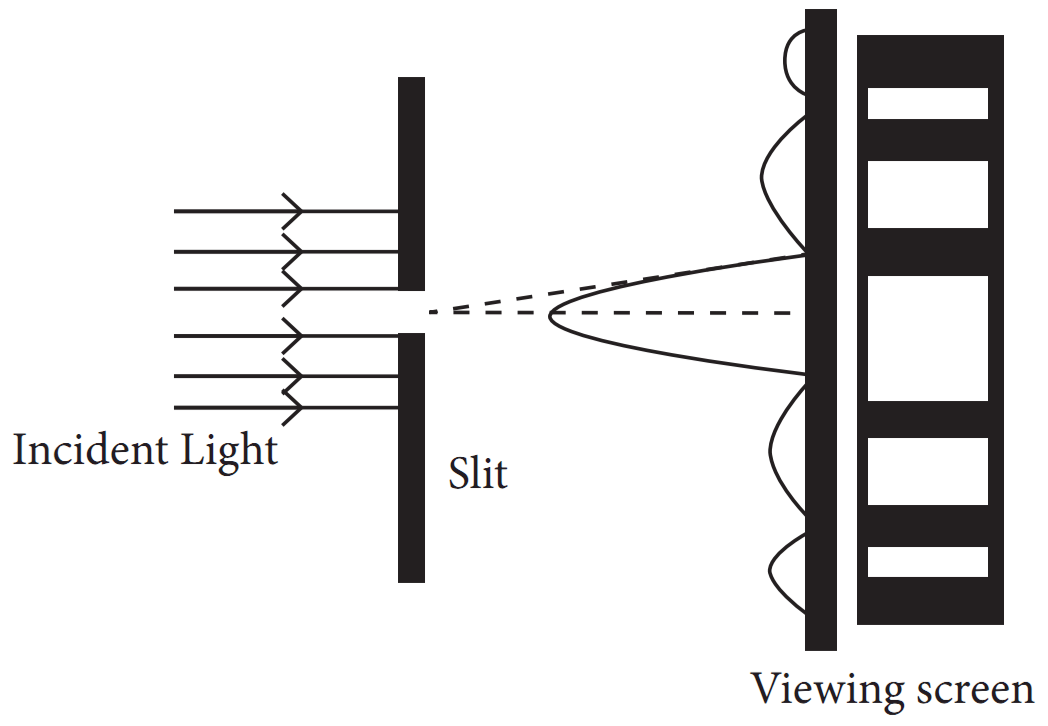
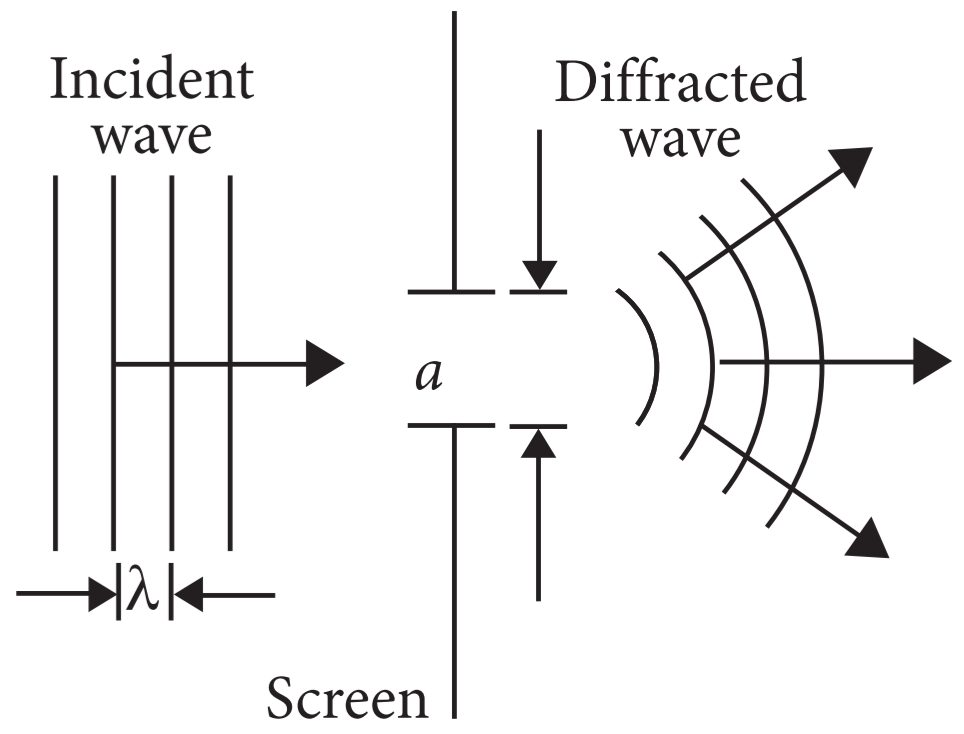
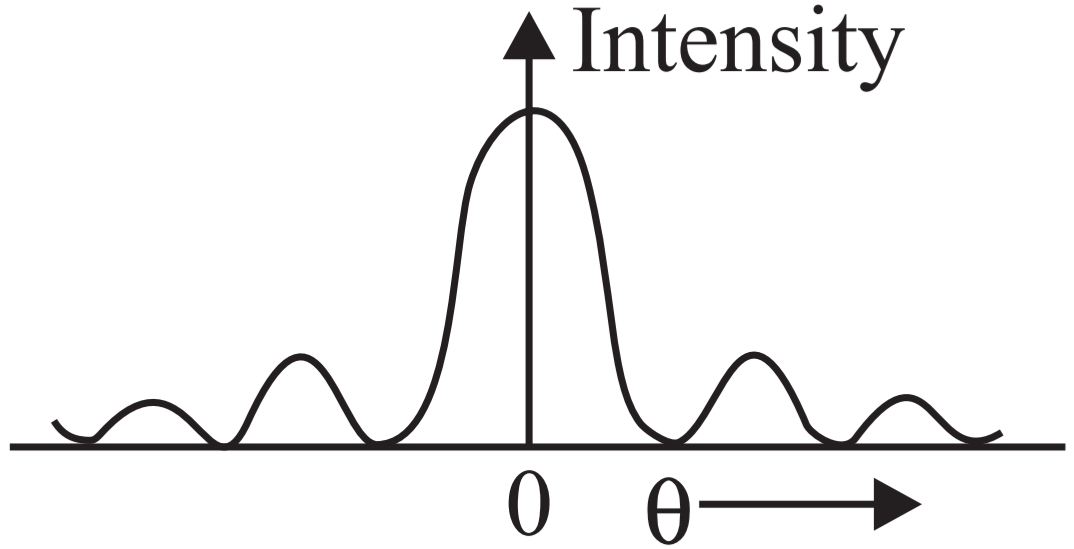
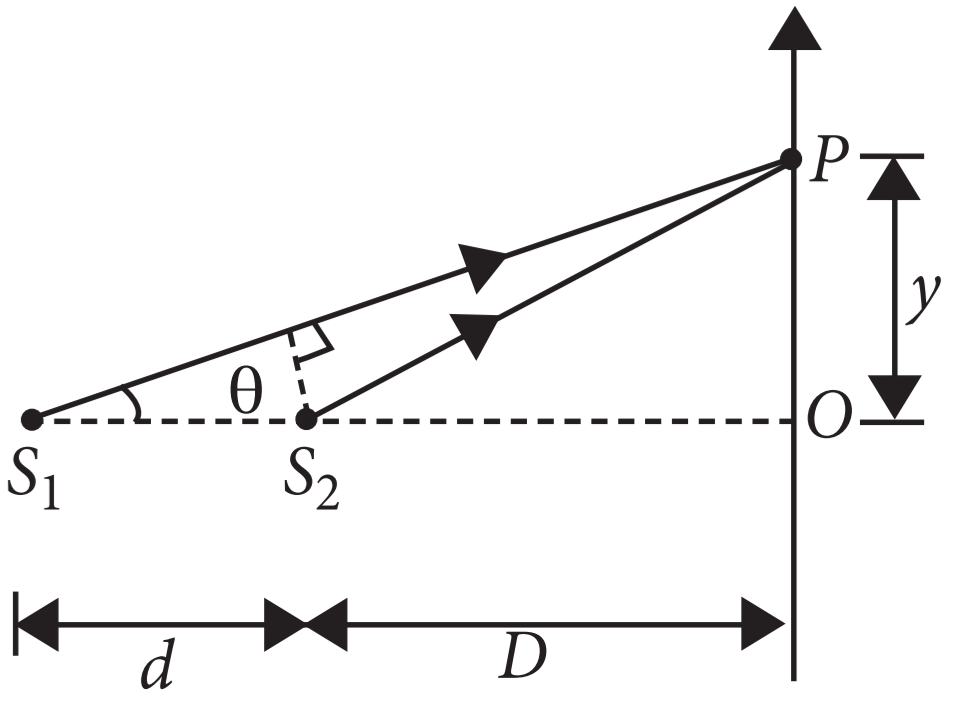
For a single slit of width "a", the first minimum of the interference pattem of a monochromatic light of wavelength$\lambda$. Occurs at an angle of$\frac{\lambda}{\text{a}}$. At the same angle of$\frac{\lambda}{\text{a}},$ we get a maximum for two narrow slits separated by a distance "a". Explain.
Answer
View full question & answer→In the first case, the overlapping of the contributions of the wavelets from two halves of a single slit produces a minimum because corresponding wavelets from two halves have a path difference of $\frac{\lambda}{2}.$
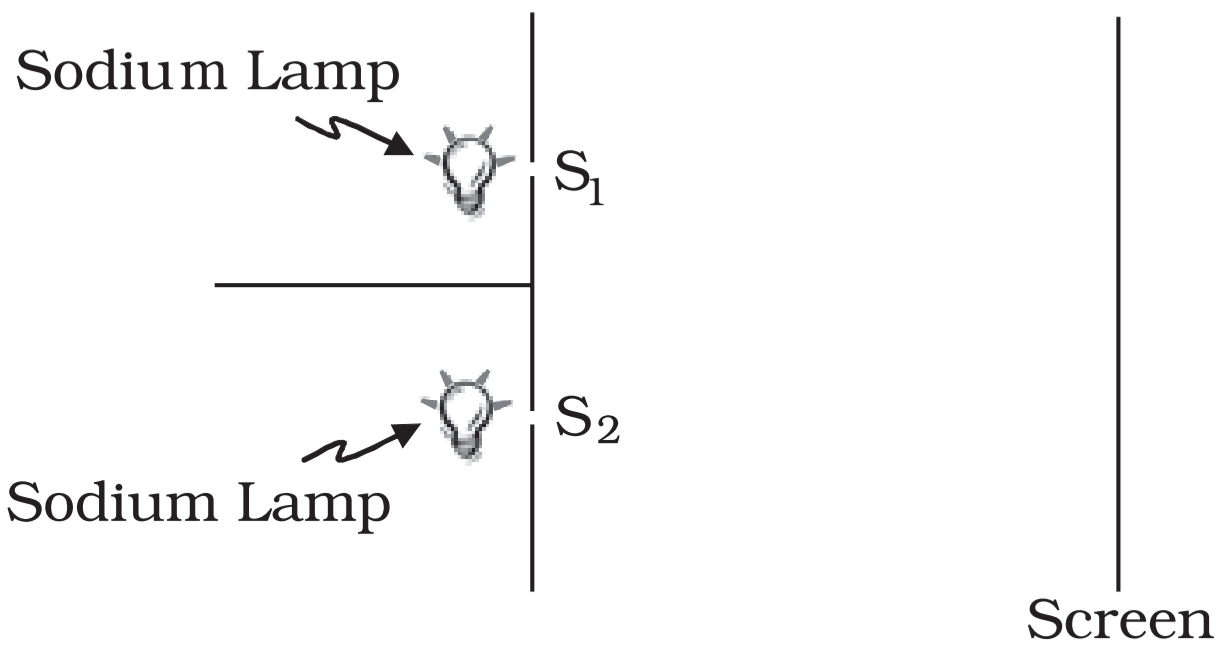
In the second case, the overlapping of the wavefronts from the two slits produces first maximum because these wavefronts have the path difference of$\lambda$.
Alternate Answer
Condition for first minimum in single slit diffraction is, $\theta\approx\lambda/\text{a},$
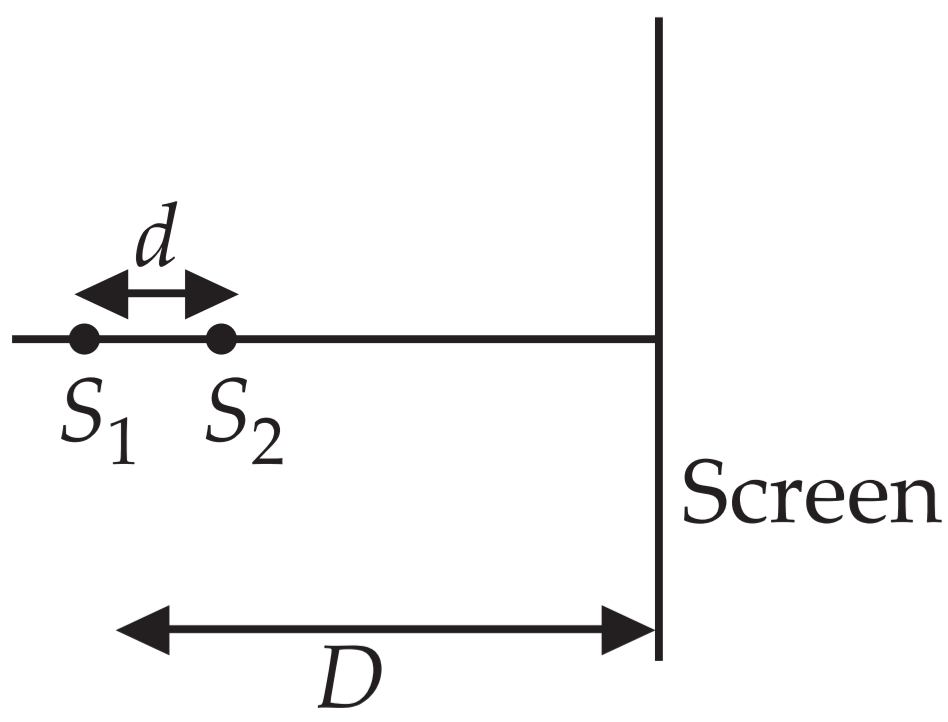
Whereas in case of two narrow slits separated by distance a, first maximum occurs at angle $\theta \approx\lambda/\text{a}.$
In the second case, the overlapping of the wavefronts from the two slits produces first maximum because these wavefronts have the path difference of$\lambda$.
Alternate Answer
Condition for first minimum in single slit diffraction is, $\theta\approx\lambda/\text{a},$
Whereas in case of two narrow slits separated by distance a, first maximum occurs at angle $\theta \approx\lambda/\text{a}.$