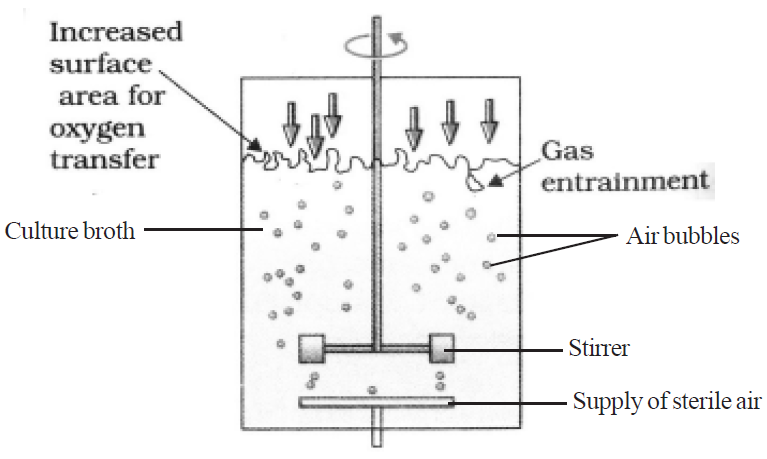
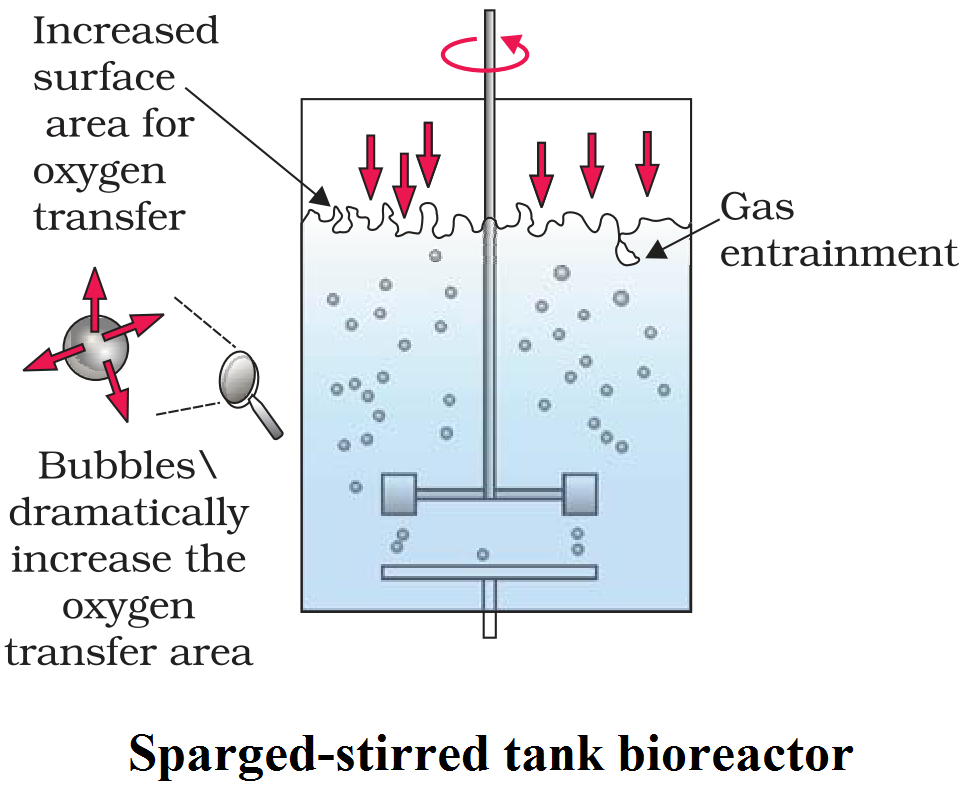
Stirred tank bioreactors have several advantages over shake flasks:
- Small volumes of culture can be taken out from the reactor for testing.
- It has a foam breaker for regulating the foam.
- It has a control system that regulates the temperature and pH.
109 questions · self-marked practice — reveal the answer and mark yourself.
They help in identifying and eliminating non-transformants/non-recombinants and selectively permitting the growth of the transformants/recombinants.


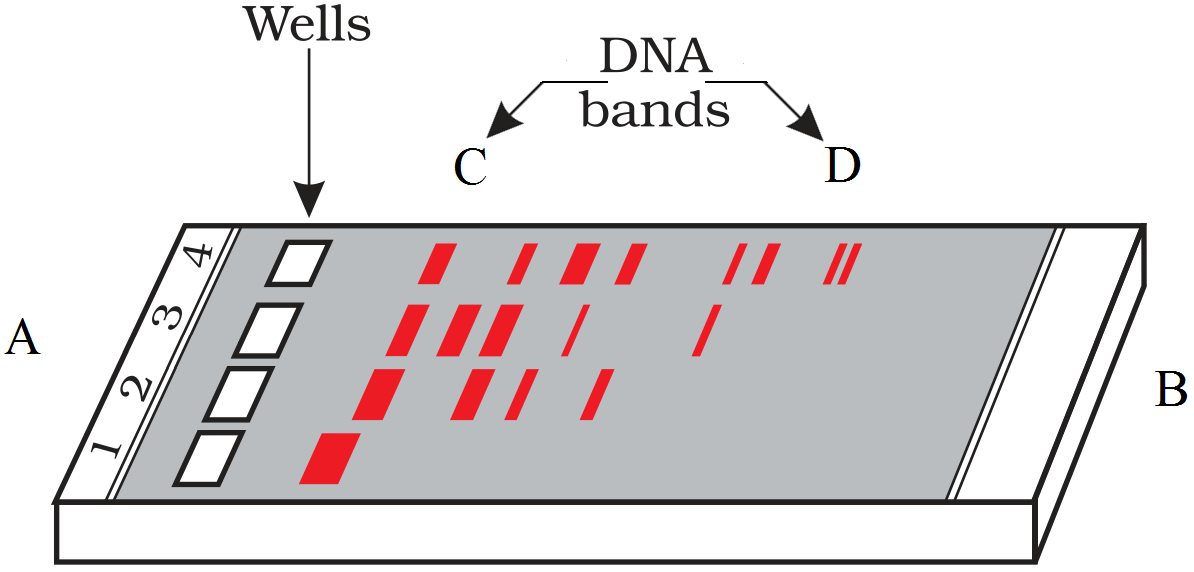
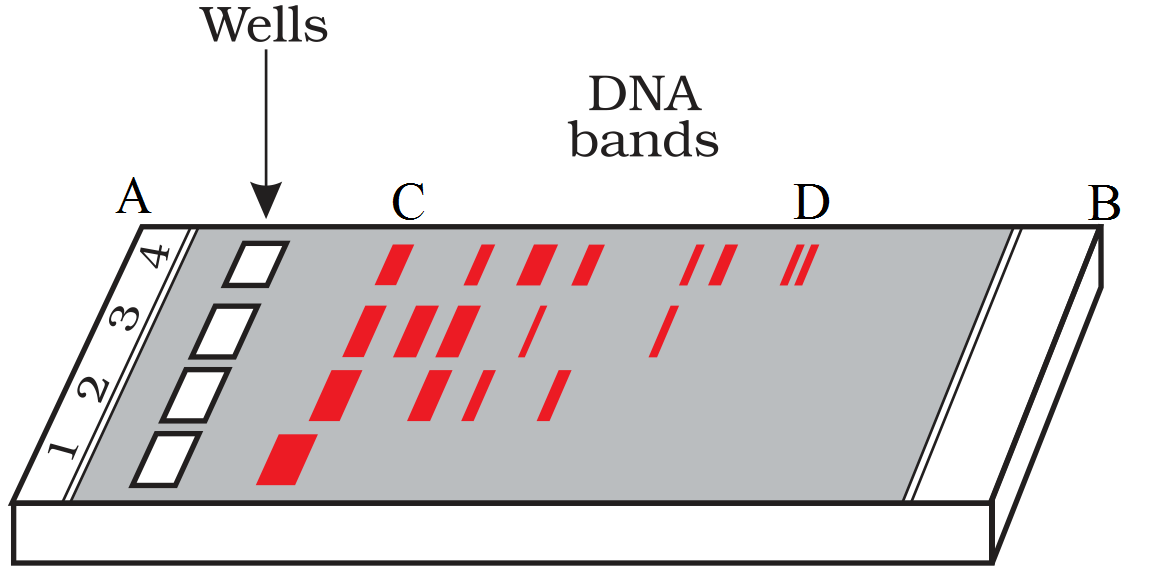
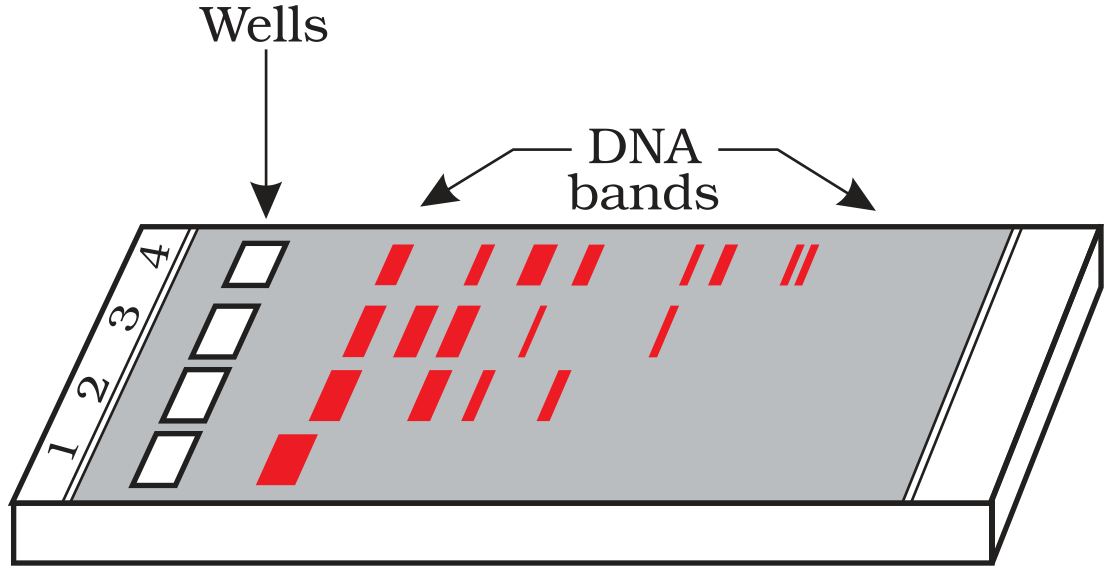
DNA fragments on the agarose gel are negatively charged molecules, and they move towards the anode (The fragments separate according to their size) The separated DNA fragments can be visualised after staining with ethidium bromide.
Followed by exposure to UV radiation Separated fragments are extracted from the gel by elution.
DNA from every tissue from an individual, shows the same degree of polymorphism and is heritable, hence very useful in DNA finger printing.


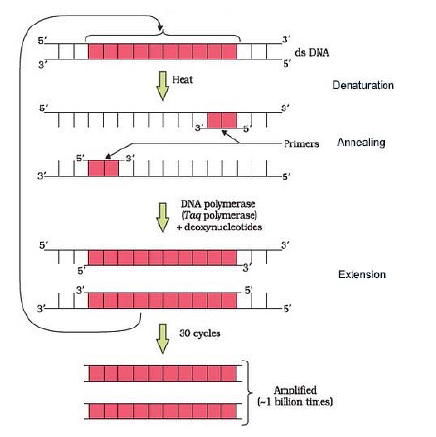
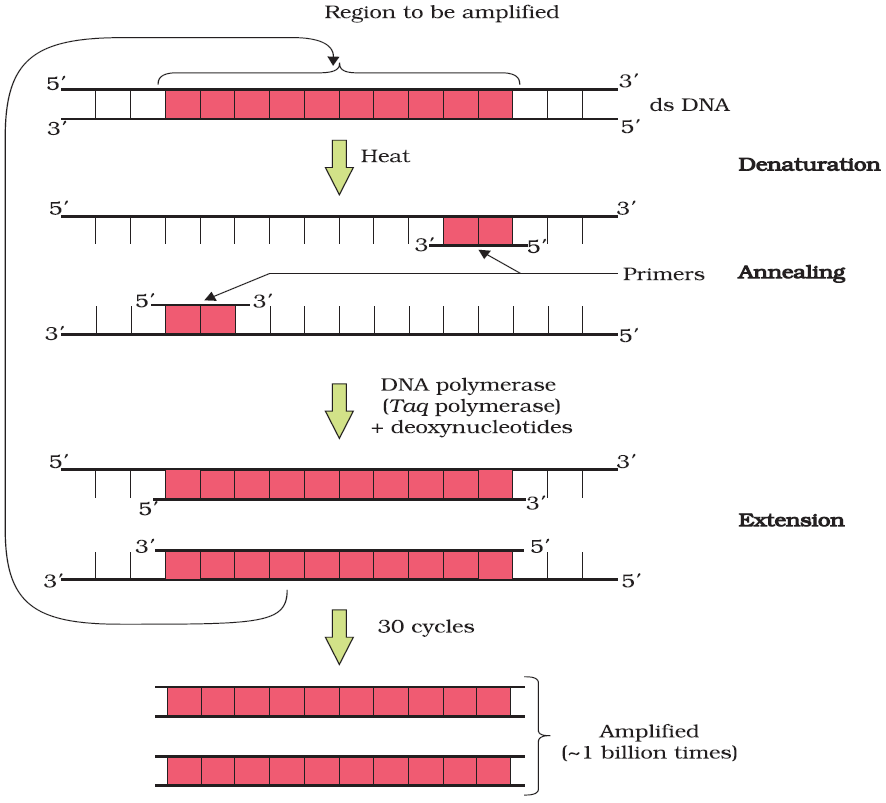
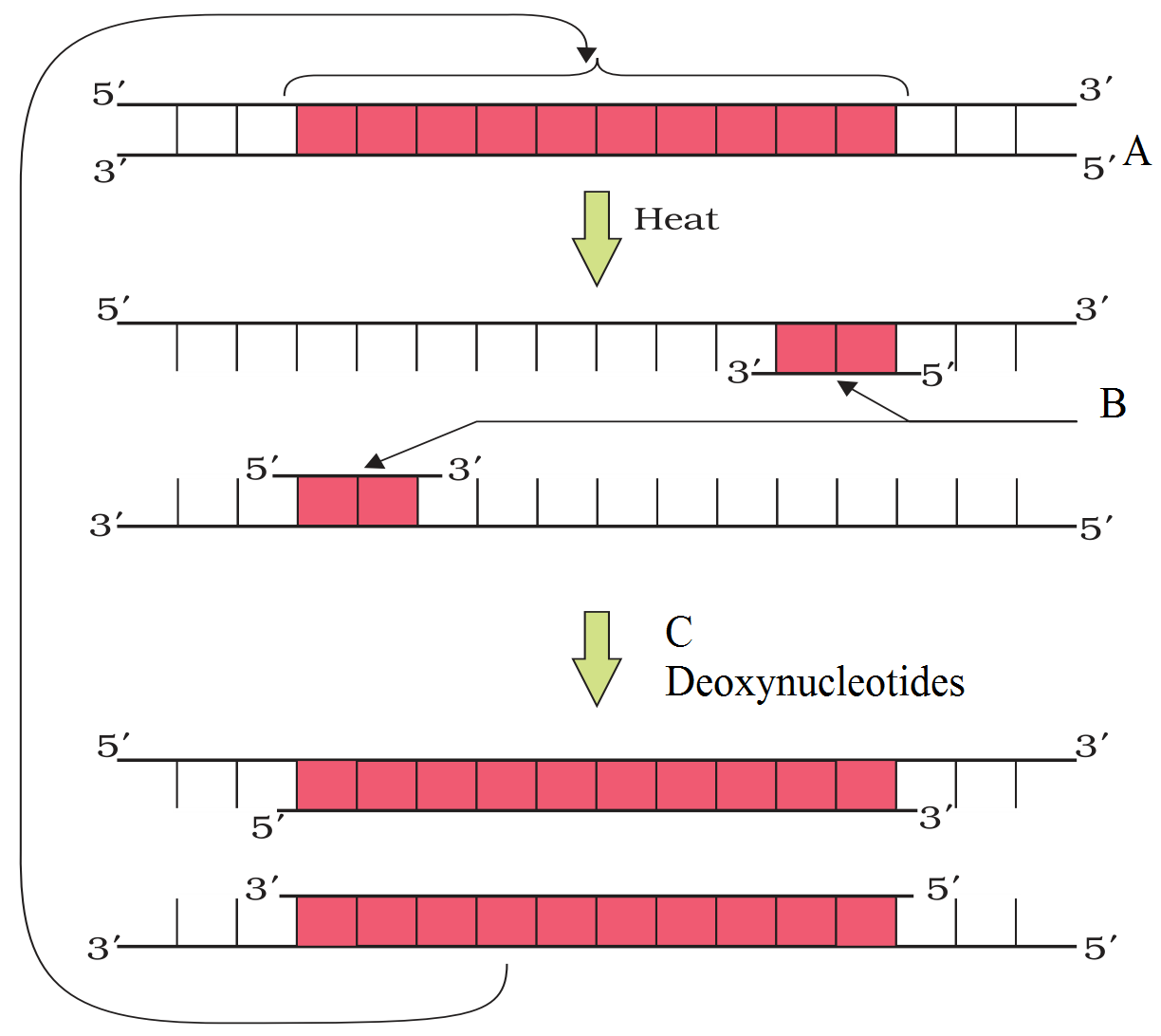
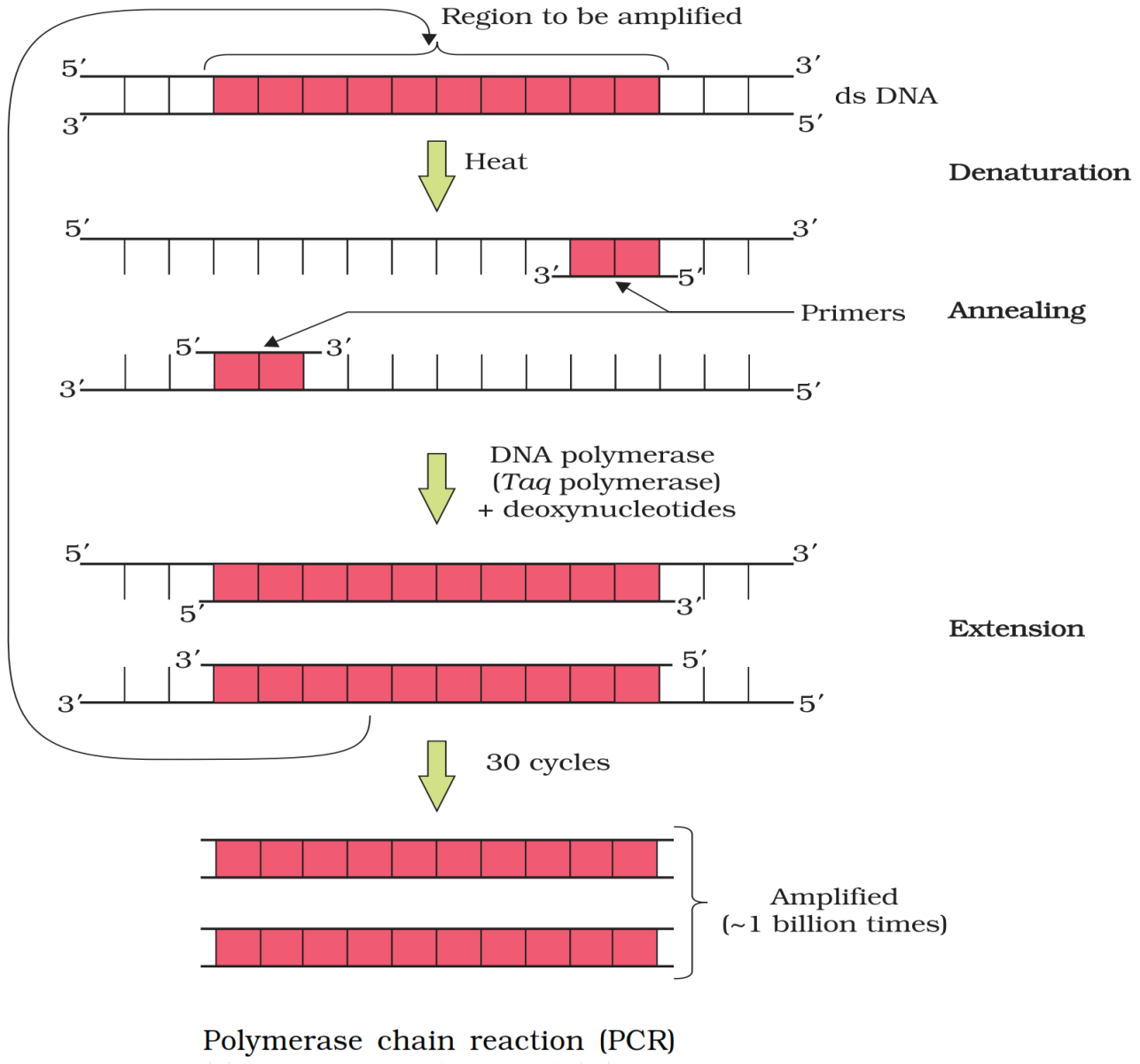
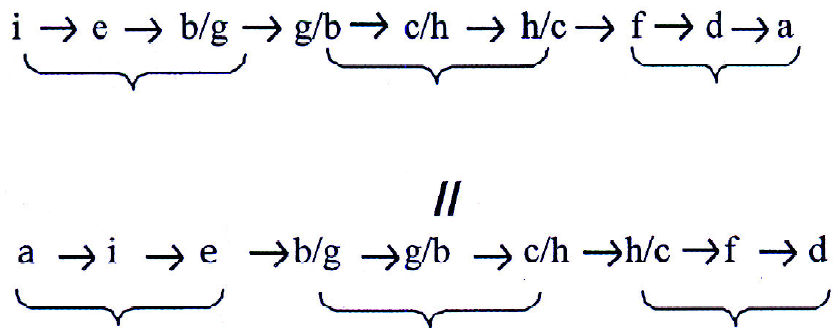
Separation/denaturation of two strands of two dsDNA, using two sets of primers/small chemically synthesised oligonucleotides complementary to regions of DNA and (thermostable) DNA polymerase/Taq polymerase, extension of the primers, by enzyme using nucleotides replicates the DNA and if the process of replication is repeated many times multiple copies of DNA are produced.
The following diagram can be considered in lieu of the explanation.

Application = Produces larger biomass leading to higher yields of desired protein/recombinant protein/processing large volume of culture/conversion of raw materials into specific product biologically.


Which is isolated from bacterium Thermus aquaticus, and is used to amplify DNA in vitro (by PCR),
It remains active even under high temperature at which DNA denatures.
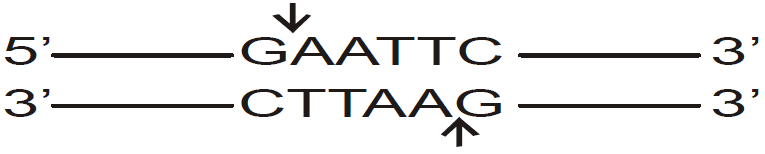
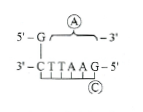
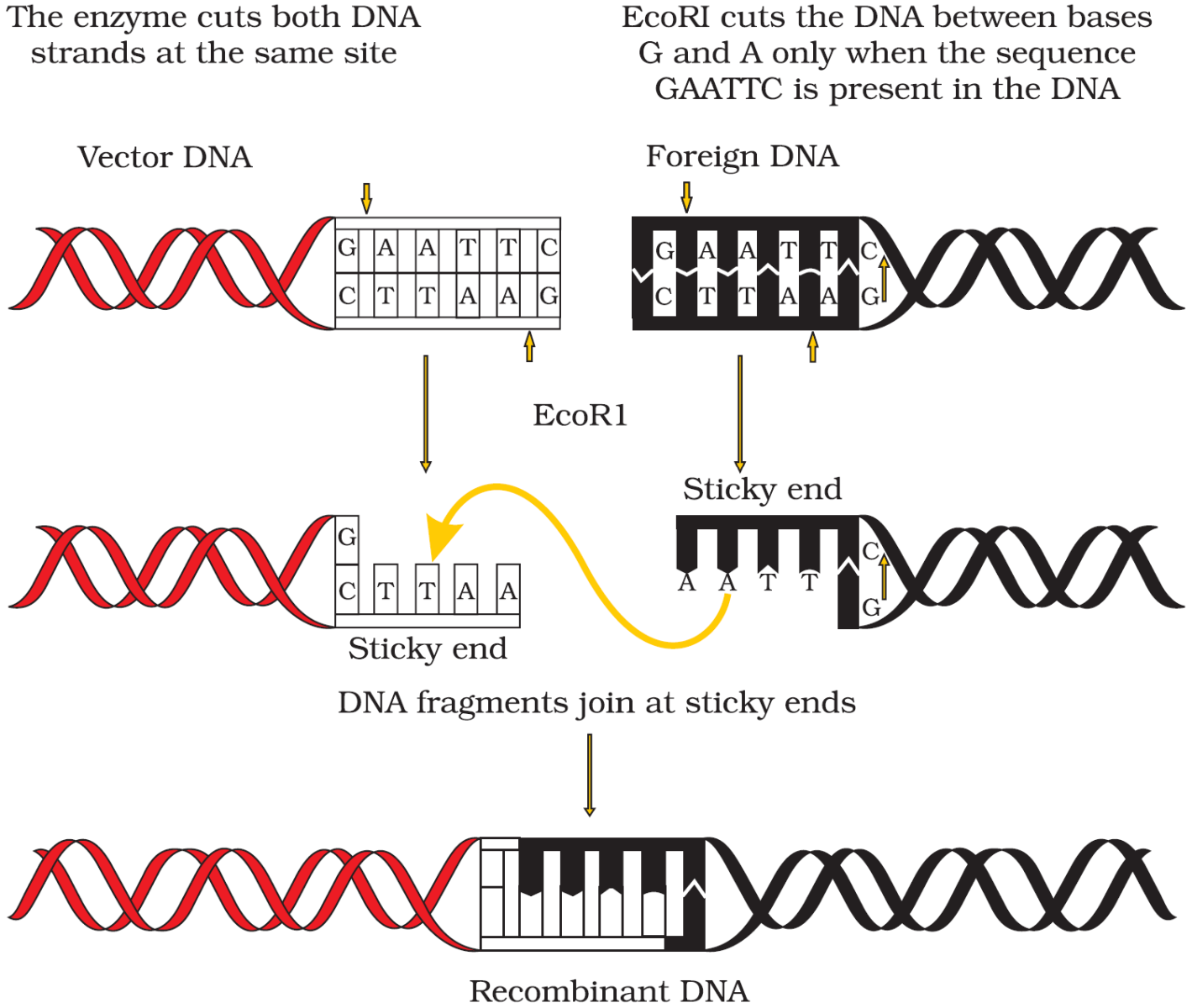
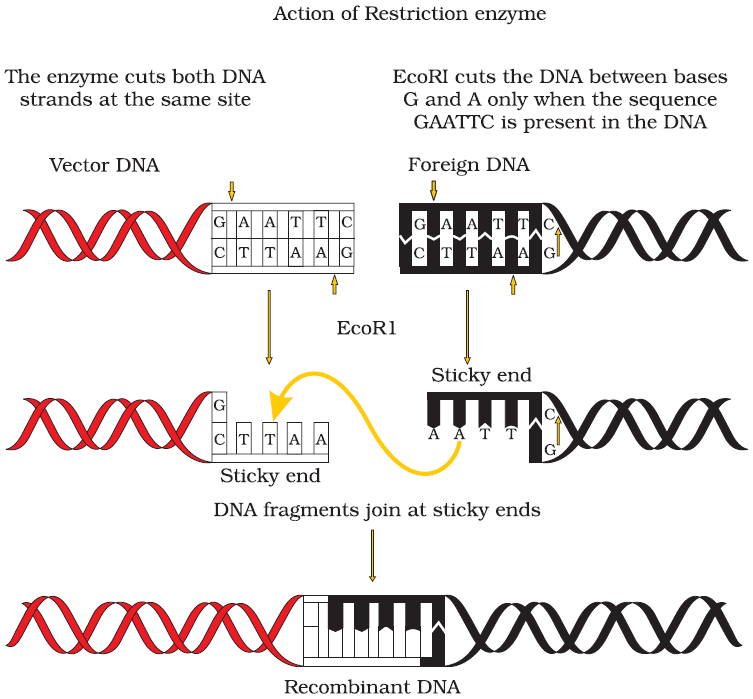
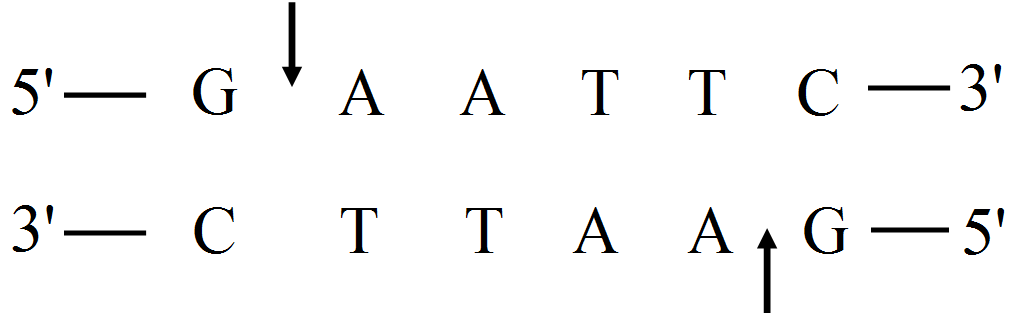
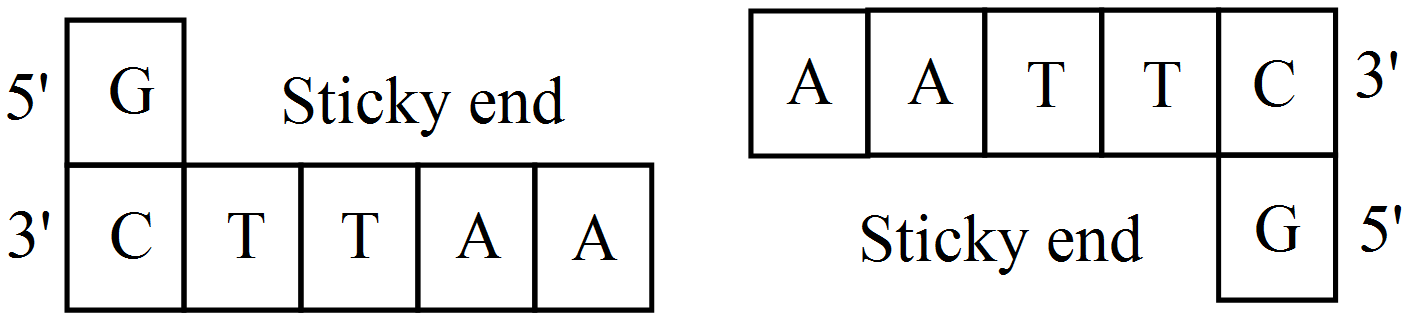
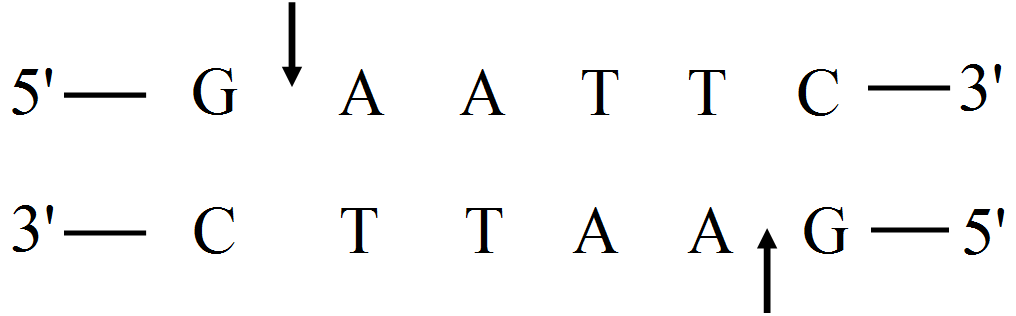
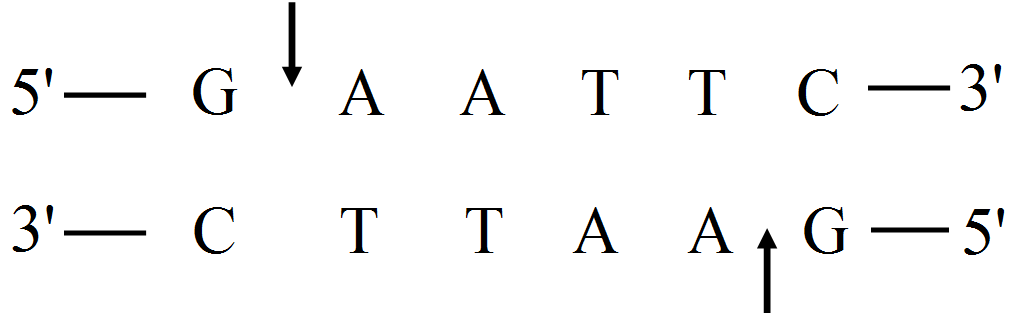
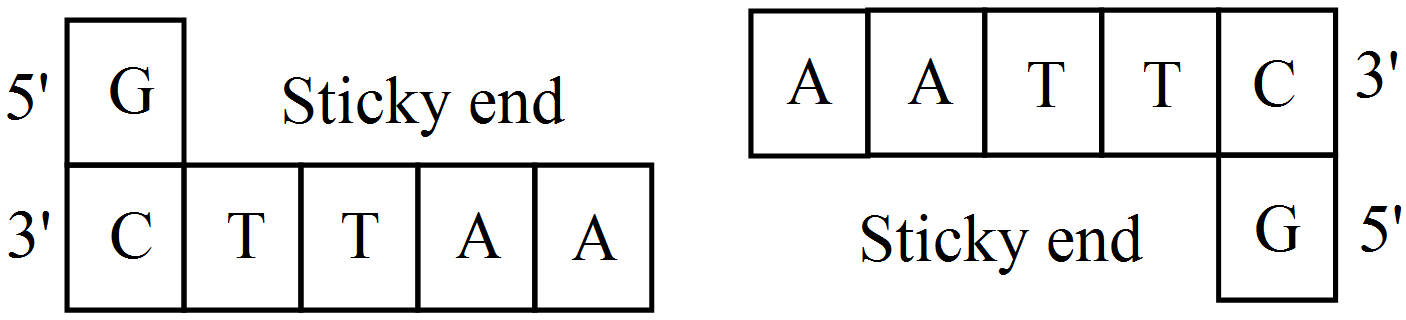
5‘ GAATTC 3‘
3‘ CTTAAG 5‘
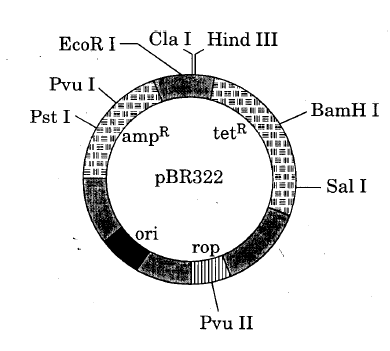
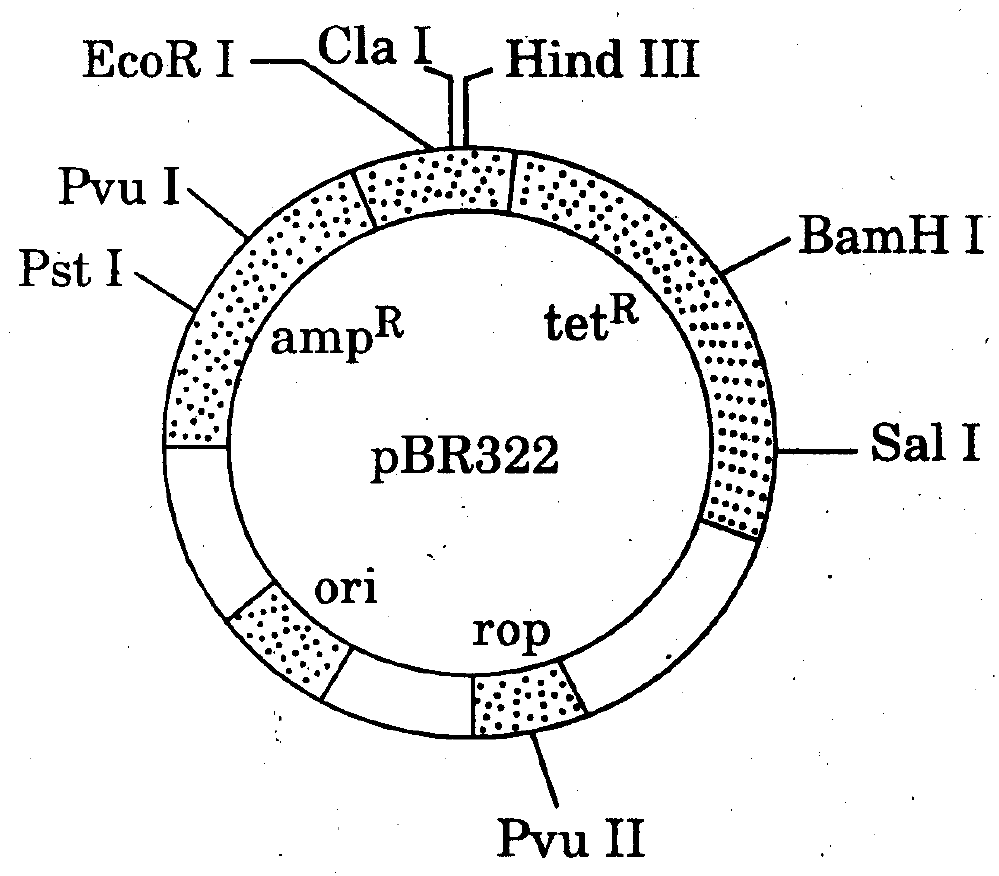
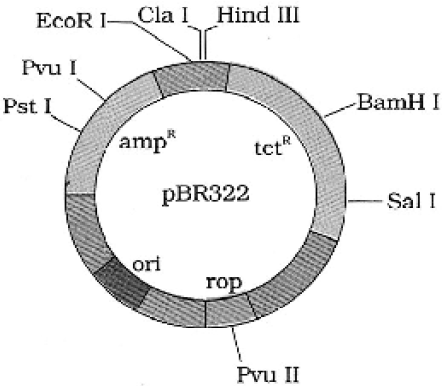
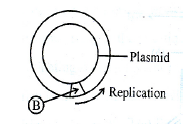
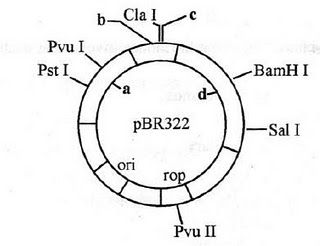
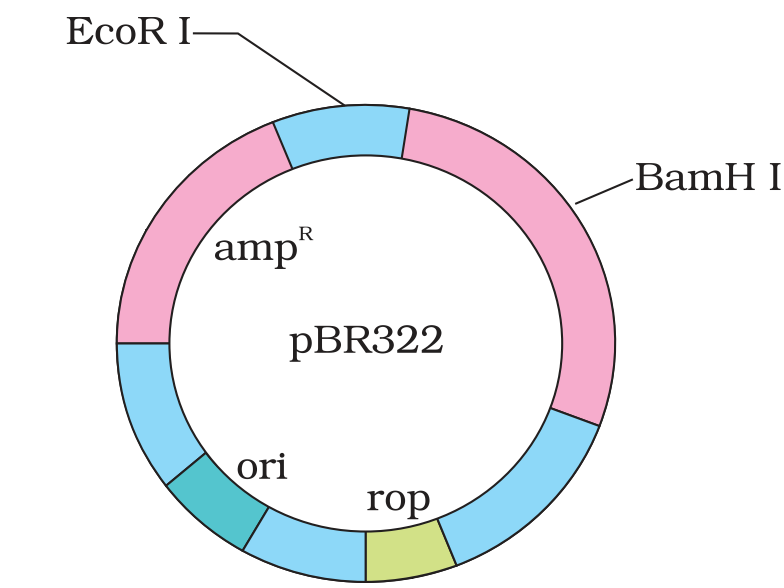
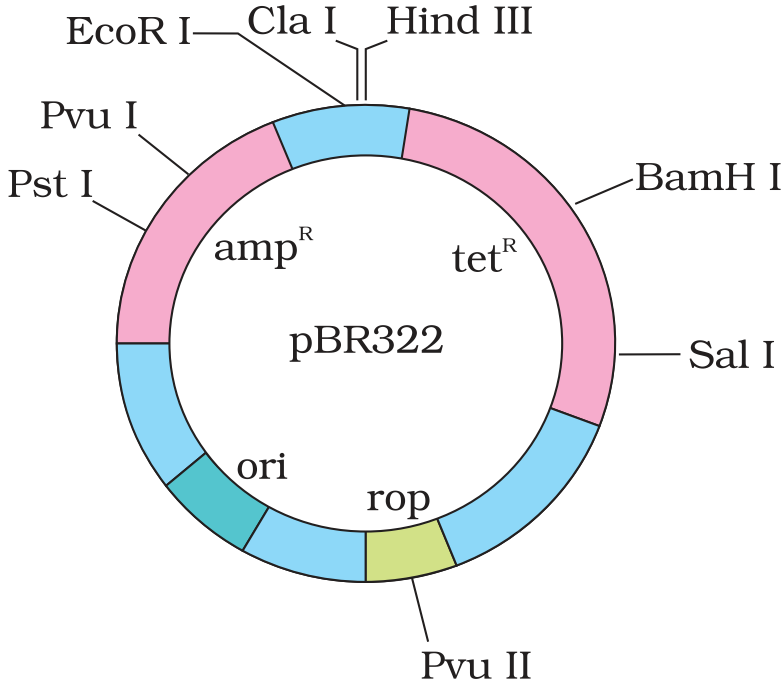
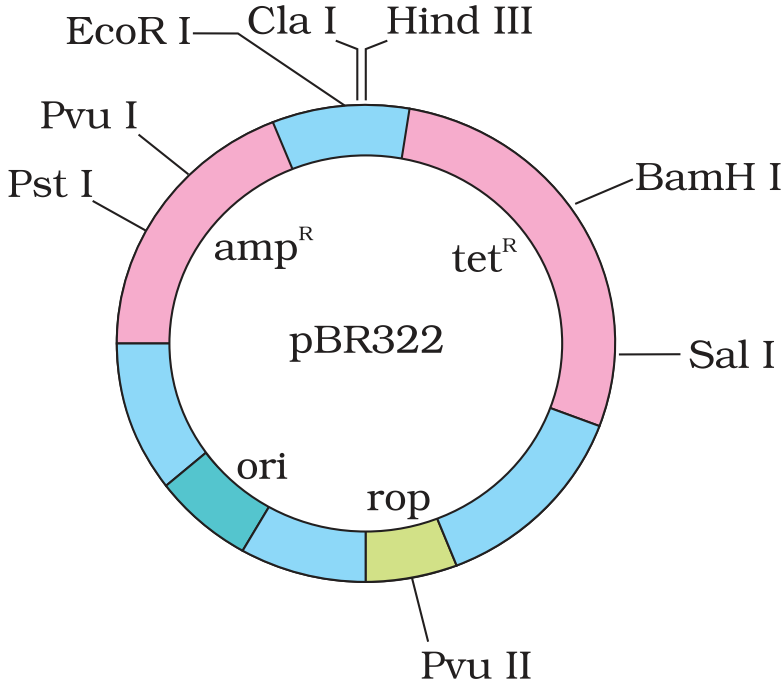
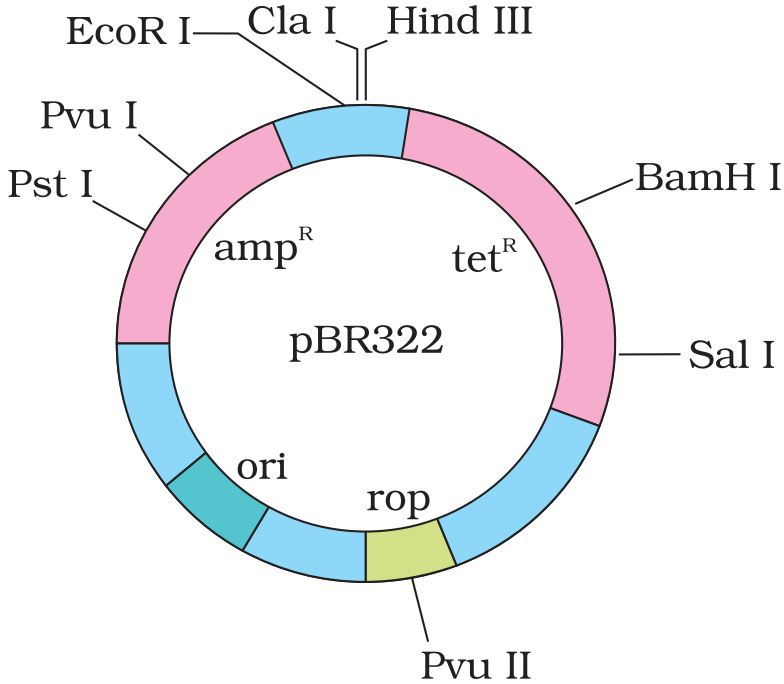
Ori-gene: The sequence from where replication start/ any piece of DNA when linked to this sequence can be made to replicate within the host cell, this sequence control the copy number of linked DNA.
Antibiotic resistance genes: Help in identifying and eliminating non transformant from transformant/ acts as selectable marker/ helps in ligation of alien DNA at recognition site (present in one of the two antibiotic resistance gene).
Rop: Codes for proteins, involved in the replication of plasmids.

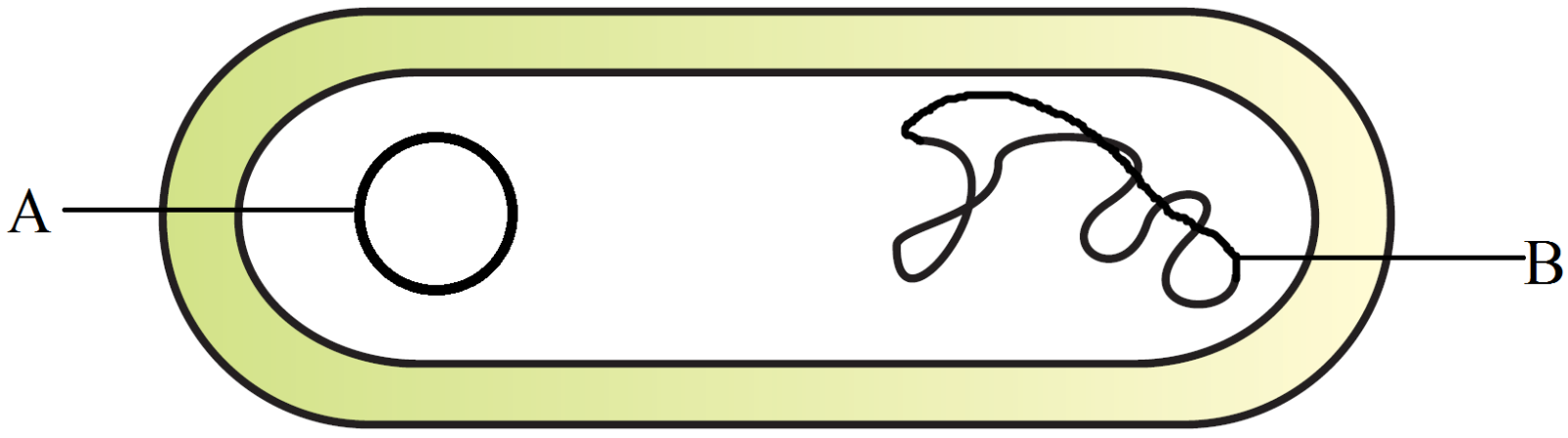
Two features that the engineered vectors made to posses are:


| (i) | Denaturation of dsDNA |
| | $\downarrow$ |
| (e) | Genomic DNA template |
| | $\downarrow$ |
| (g) | Primers |
| | $\downarrow$ |
| (b) | Chemically synthesised oligonucleotides |
| | $\downarrow$ |
| (d) | Complementry region of DNA |
| | $\downarrow$ |
| (f) | Nacleotides provided |
| | $\downarrow$ |
| (c) | Enzyme DNA-polymerase |
| | $\downarrow$ |
| (h) | Thermostable DNA polymerase (from Thermus aquaticus) |
| | $\downarrow$ |
| (a) | In vitro synthesis of copies of DNA of interest |


Since DNA molecules are negatively charged, they move towards anode and hence move out of the gel instead of moving into the matrix of gel.

Negative terminal- ‘A’


OR
Microinjection: In this method, the recombinant DNA is directly injected into the nucleus of an animal cell.
Gene gun/ Biolistics: In this method, used for plant cells, the cells are bombarded with high velocity microparticles of gold or tungsten coated with DNA.
Heat shock method: In this method, the rDNA is forced into the competent cell by incubating the cell with rDNA on ice followed by placing them briefly at 42°C (heat shock) and then putting them back on Ice.


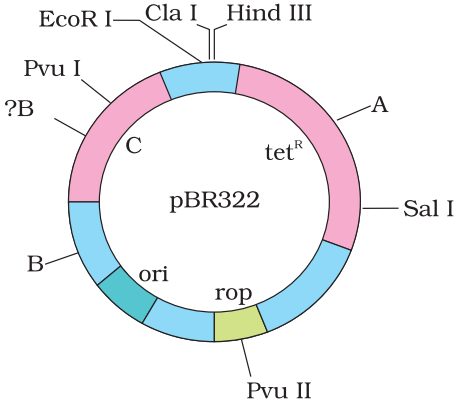
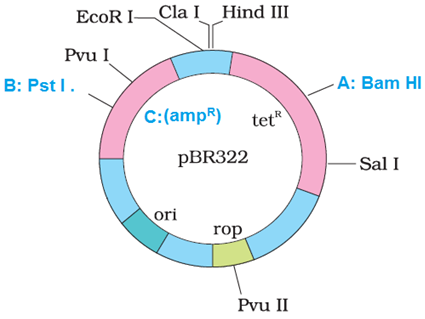
E. coli cloning vector pBR322 showing restriction sites (HindIII, EcoRI, BamHI, SalI, PvuII, PstI, ClaI), ori and antibiotic resistance genes (ampR and tetR). rop codes for the proteins involved in the replication of the plasmid.
PvuI, EcoRI, BamHI
5' - GAATTC - 3'